
1. What is PRK eye surgery?
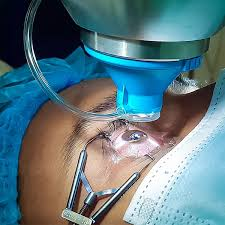
Photorefractive keratectomy (PRK) is a type of refractive laser eye surgery used to correct vision problems such as myopia (nearsightedness), hyperopia (farsightedness), and astigmatism.
PRK was the first type of laser eye surgery for vision correction and is the predecessor to LASIK. Unlike LASIK, which creates a flap in the cornea, PRK is a surface ablation technique.
How the Procedure Works:
The PRK procedure takes approximately 10–15 minutes per eye. Here is the step-by-step process:
- Anesthetic: Numbing drops are applied to the eye to ensure the procedure is painless.
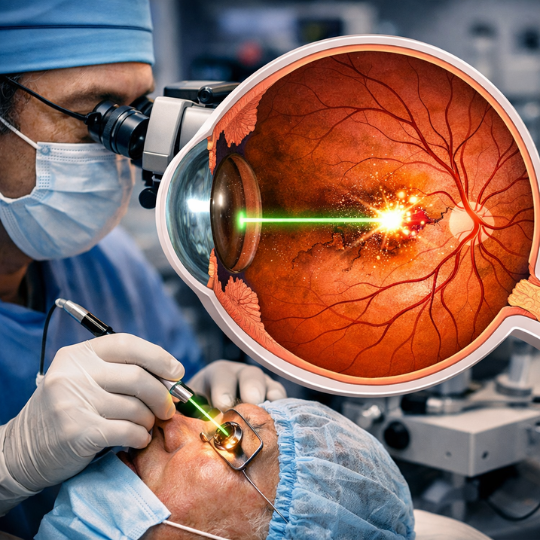
- Epithelial Removal: The surgeon gently removes the corneal epithelium (the thin outer layer of the cornea) using a brush, blade, alcohol solution, or laser.
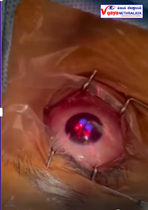
- Laser Reshaping: An excimer laser, programmed with your specific eye measurements, is used to reshape the underlying corneal tissue (stroma) to correct your refractive error.
- Bandage Contact Lens: Because the outer layer was removed, a soft “bandage” contact lens is placed on the eye to protect it while the epithelium heals (usually 3–5 days).

2. PRK vs. LASIK: What is the Difference?
The primary difference lies in how the surgeon accesses the middle layer of the cornea.
| Feature | PRK (Photorefractive Keratectomy) | LASIK (Laser-Assisted In Situ Keratomileusis) |
| Corneal Flap | No flap created. The outer layer is removed and grows back naturally. | Flap created. A hinged flap is cut, lifted, and replaced. |
| Ideal For | Thin corneas, dry eyes, combat sports athletes (boxers, MMA). | Standard corneas, patients wanting quick recovery. |
| Recovery Time | Slower. 3–5 days for initial healing; 1 month for stable vision. | Faster. 24 hours for functional vision. |
| Pain/Discomfort | Moderate discomfort for 2–3 days post-surgery. | Minimal to no discomfort. |
| Long-Term Results | Identical to LASIK (20/20 vision). | Identical to PRK (20/20 vision). |
Key Takeaway: PRK is often considered “safer” long-term for athletes or military personnel because there is no risk of flap dislocation later in life.
3. prk eye surgery & the PRK Recovery Timeline: What to Expect
Recovery is the most discussed aspect of PRK because it is longer than LASIK. Here is a realistic breakdown:
- Day 1 (Surgery Day): Vision will be clear immediately after surgery but will blur as the numbing drops wear off. You may feel light sensitivity.
- Days 2–3 (The Peak): This is typically the most uncomfortable phase. The epithelium is regenerating. You may experience tearing, light sensitivity, and a “gritty” sensation. Tip: Keep eyes closed, use prescribed painkillers, and listen to audiobooks.
- Day 4–5 (Healing): The pain subsides significantly. Your doctor will remove the bandage contact lens once the epithelium has closed. Vision will still be blurry.
- Weeks 1–3 (Visual Fluctuation): Vision will fluctuate (good days and bad days). This is normal. You can usually drive and work, but text may be slightly ghosted.
- Months 1–3 (Stabilization): Vision crisps up. By month 3, most patients achieve their optimal 20/20 result.
4. Who is a good candidate for PRK (PRK eye surgery)?
You may be a better candidate for PRK than LASIK if:
- You have thin corneas: there is not enough tissue to create a LASIK flap safely.
- You have dry eyes: PRK severs fewer corneal nerves than LASIK, leading to fewer dry eye symptoms post-surgery.
- You have an active lifestyle: If you play contact sports (basketball, martial arts) or work in law enforcement/military, PRK eliminates the risk of flap injury.
- You have a steep or flat cornea: Sometimes anatomy makes the suction ring of LASIK difficult to apply.
Contraindications (Who should NOT get PRK):
- Unstable vision prescription (changed in the last year).
- Active autoimmune diseases (lupus, rheumatoid arthritis) that affect healing.
- Severe keratoconus or glaucoma.
- Pregnancy or nursing (hormones affect vision stability).
5. Cost of PRK Eye Surgery (2025 Estimates)
The cost of PRK is generally comparable to or slightly lower than LASIK, depending on the technology (e.g., Wavefront-guided PRK).
- USA Average: $2,000–$4,000 per eye.
- India Average: ₹30,000–₹70,000 per eye.
- UK Average: £1,500–£2,500 per eye.
Note: Most insurance plans consider PRK an elective cosmetic procedure and do not cover it, though FSAs/HSAs can often be used.
6. Risks and Side Effects
While PRK has a high success rate (over 95% achieve 20/40 or better), risks include:
According to [studies published by the National Institutes of Health], long-term visual outcomes of PRK are comparable to LASIK, making it a reliable option for patients with high prescriptions
- Haze: A cloudy layer can form on the cornea (mitigated by using mitomycin C during surgery).
- Halos/Starbursts: Glare around lights at night, usually resolving within 6 months.
- Infection: Slightly higher risk than LASIK during the first 3 days while the eye surface is open (prevented with antibiotic drops).
- Regression: The eye may slowly return to its original prescription over many years.
About the Medical Reviewer:
Dr. Sushruth Gowda Consultant Ophthalmologist | Cornea & Refractive Surgery Specialist
Dr. Sushruth Gowda is a distinguished eye care professional specializing in advanced refractive surgeries, including PRK, LASIK, and SMILE. With a focus on corneal health and vision correction, Dr. Gowda is dedicated to helping patients achieve visual freedom through safe, evidence-based surgical techniques.
7. Frequently Asked Questions (FAQs):
Is PRK painful?
The surgery itself is painless due to numbing drops. However, the recovery period (specifically days 2 and 3) involves moderate discomfort, often described as a scratching or burning sensation. Surgeons prescribe pain relief drops and oral medication to manage this.
Can you go blind from PRK?
Blindness from PRK is extremely rare. The laser only affects the surface of the eye. The most serious complications usually involve infection or scarring, both of which are treatable if caught early.
Is PRK worth it over LASIK?
If you have thin corneas or high-risk hobbies, yes. While the recovery is annoying, the long-term visual outcomes are identical to LASIK, and the structural integrity of the eye remains stronger with PRK.
How long does PRK take to heal completely?
Functional healing (back to work) takes 5–7 days. Complete visual stabilization (HD vision without fluctuation) takes 1–3 months.
Can I get PRK if I was rejected for LASIK ?
Yes. Many patients who are “rejected” for LASIK due to thin corneas are ideal candidates for PRK.