

Introduction to LASIK Laser Eye Surgery
What is LASIK Surgery?
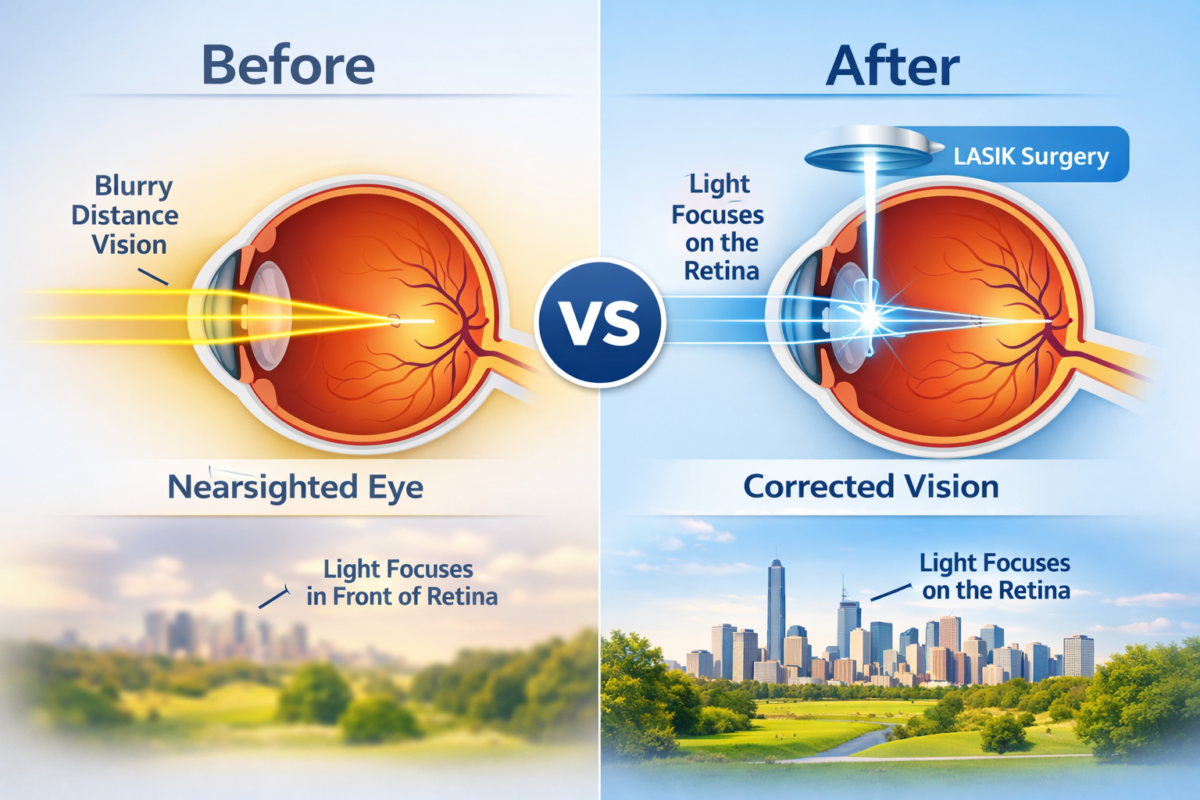
LASIK (Laser-Assisted In Situ Keratomileusis) is one of the most popular eye surgeries in the world, designed to correct vision problems like nearsightedness, farsightedness, and astigmatism. In simple terms, LASIK reshapes the cornea (the clear front part of your eye) so that light entering the eye focuses correctly on the retina, giving you clearer vision without glasses or contact lenses. Think of it as adjusting the lens of a camera to sharpen the picture.
The procedure itself is quick, usually taking less than 15 minutes for both eyes, and most patients report little to no discomfort. What makes LASIK special is its ability to deliver nearly instant results—many patients notice a dramatic improvement in their vision within 24 hours.
In today’s fast-paced world, where convenience and efficiency matter, LASIK has become a life-changing option for millions who no longer want to rely on glasses or contacts. But before you jump in, it’s important to know exactly what LASIK is, how it works, and whether it’s right for you.
A Brief History of LASIK
LASIK might sound like a modern miracle, but its roots trace back several decades. The foundation for LASIK began in the 1940s when doctors first experimented with reshaping the cornea. By the 1980s, technological advancements in lasers gave rise to precise surgical techniques. In 1991, LASIK was first performed in the U.S., and since then, it has revolutionized eye care.
Over the years, the procedure has been refined with newer technologies like wavefront-guided systems and bladeless femtosecond lasers, making it safer and more accurate. Today, LASIK is FDA-approved and has one of the highest success rates of any elective surgery.
The fascinating part about LASIK’s journey is how it evolved from an experimental idea to a mainstream solution that’s helped over 40 million people worldwide regain clear vision. If you’ve ever dreamed of waking up and seeing clearly without fumbling for glasses, you can thank decades of innovation behind LASIK.
Why LASIK Has Become So Popular
Why is LASIK such a household name today? The answer lies in three simple words: convenience, results, and freedom. Glasses and contacts can be frustrating. Glasses fog up, break, or slide down your nose, while contacts can dry out your eyes and sometimes cause infections. LASIK eliminates those hassles almost instantly.
Another reason for its popularity is the success rate. Studies show that over 96% of LASIK patients achieve 20/20 vision or better, making it one of the most effective medical procedures available. And the cherry on top? The results are permanent for most people, with only minor changes in vision as you naturally age.
Cost is another factor. While the upfront cost may seem high, LASIK is often cheaper in the long run compared to years of buying glasses, contacts, and cleaning solutions. When you combine all these benefits—clear vision, cost savings, and a hassle-free lifestyle—it’s easy to see why LASIK has become a go-to choice for so many.
Understanding the LASIK Procedure
How LASIK Works
At its core, LASIK is all about reshaping the cornea to fix how light enters your eye. If you’re nearsighted, your cornea is too steep, causing light to focus in front of your retina. If you’re farsighted, your cornea is too flat, making light focus behind your retina. LASIK balances this by reshaping the cornea with a laser to ensure perfect focus.
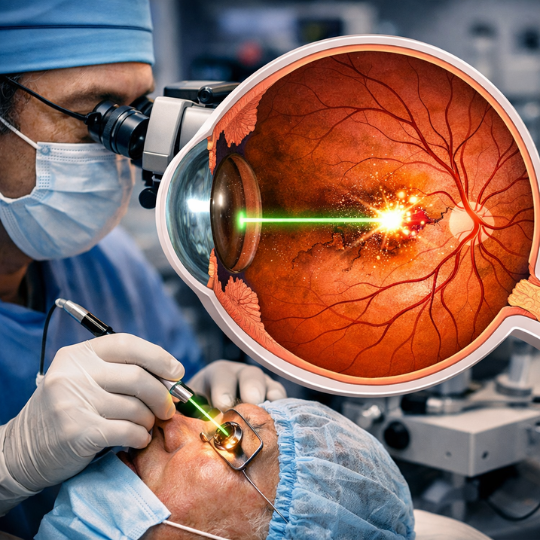
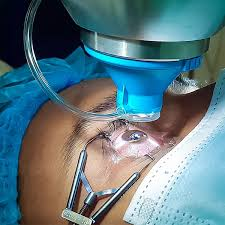
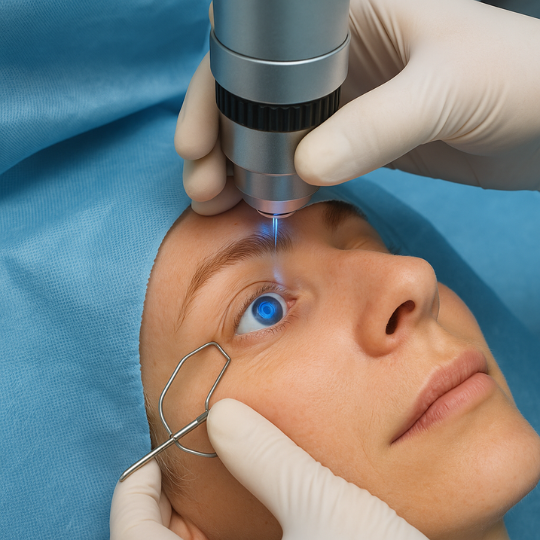
The procedure uses two main technologies: a femtosecond laser to create a thin flap in the cornea and an excimer laser to reshape the tissue underneath. After reshaping, the flap is carefully repositioned, and the eye begins to heal naturally without stitches.
It might sound intimidating, but the process is painless thanks to numbing eye drops, and patients are awake during the procedure. The surgeon talks you through every step, and the entire treatment for both eyes usually takes less time than ordering a coffee.
Step-by-Step Process of LASIK Surgery
If you’re considering LASIK, knowing what happens during surgery can ease your mind. Here’s a simple breakdown:
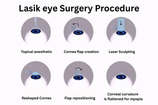
- Preparation: The doctor applies numbing drops to your eyes so you won’t feel pain.
- Creating the flap: A femtosecond laser makes a tiny, precise flap on your cornea.
- Reshaping the cornea: The excimer laser removes microscopic amounts of corneal tissue, reshaping it based on your prescription.
- Repositioning the flap: The flap is gently laid back in place, acting like a natural bandage.
- Post-procedure care: You rest briefly, and within 24 hours, most people notice clearer vision.
This entire process usually takes 10–15 minutes, and many patients are surprised at how quick and painless it feels. By the time you leave the clinic, you’ll already see the world in a new light—literally.
Different Types of LASIK Procedures
Not all LASIK procedures are created equal. Depending on your eyes and prescription, your doctor may recommend one of several options:
- Traditional LASIK: The standard procedure using lasers for corneal reshaping.
- Bladeless LASIK: Uses a femtosecond laser instead of a microkeratome blade, offering greater precision.
- Wavefront-Guided LASIK: Customizes the treatment based on a detailed map of your eye, reducing glare and halos.
- Topography-Guided LASIK: Focuses on correcting irregular corneal shapes, perfect for patients with unique vision issues.
Each type has its advantages, and your surgeon will recommend the one best suited to your eyes. The good news is that with modern technology, most patients are excellent candidates for at least one of these options.
Benefits of LASIK Surgery
Improved Vision and Lifestyle
The biggest benefit of LASIK is, of course, the vision correction. Imagine waking up, opening your eyes, and seeing the alarm clock clearly without reaching for your glasses. For athletes, travelers, or just everyday people tired of glasses fogging up in the rain, LASIK is a life-changer.
Beyond vision, LASIK also offers lifestyle improvements. Activities like swimming, exercising, or even just lying down to watch TV become easier without the constant hassle of glasses or contacts. The freedom it provides extends to work and social life too—no more worrying about broken frames during an important meeting or dry eyes from wearing contacts too long.
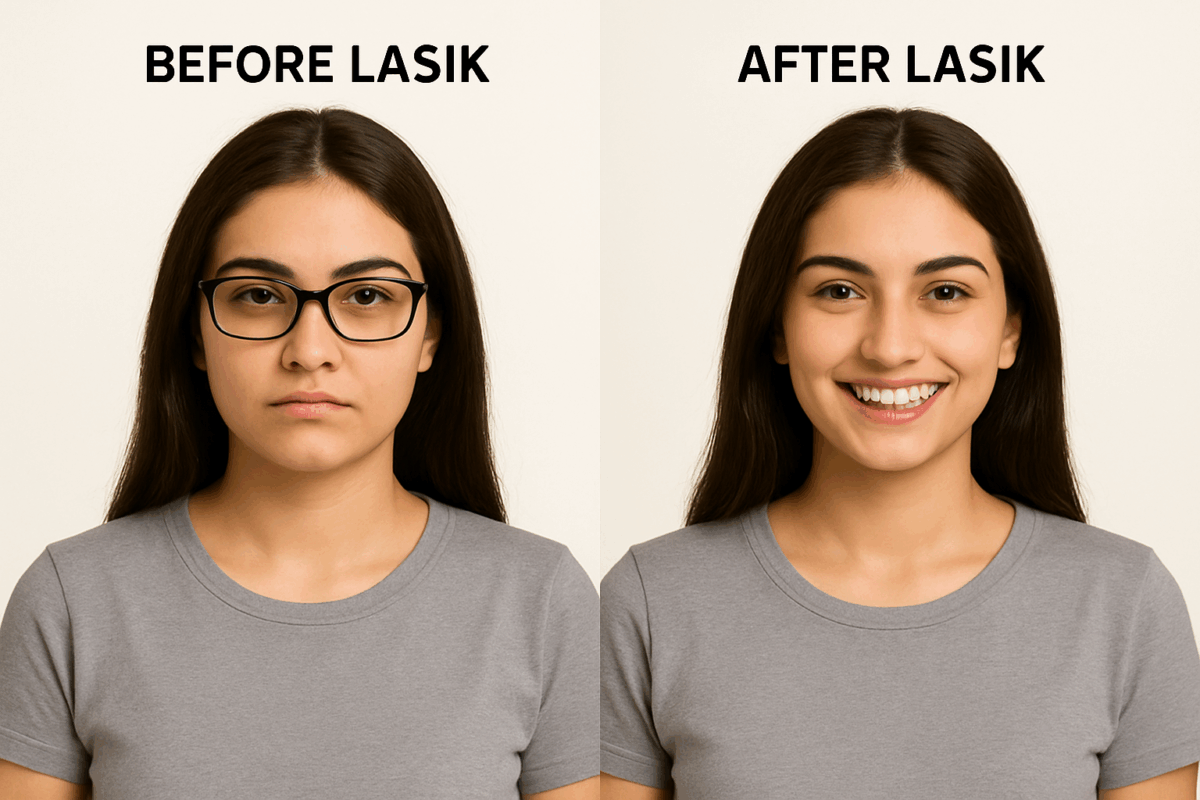
And let’s not forget the confidence boost. Many patients feel more attractive and confident without glasses, which can impact personal and professional relationships. In short, LASIK isn’t just about clearer vision—it’s about a better quality of life.
Cost-Effectiveness Over Time
LASIK may seem expensive at first glance, but when compared to the lifetime cost of glasses and contacts, it often turns out to be more affordable in the long run. Think about it: a pair of prescription glasses can cost hundreds of dollars, and if you replace them every couple of years, the expense adds up. Contact lenses are even more costly when you consider monthly replacements, cleaning solutions, and eye check-ups.
Over a lifetime, many people spend $15,000–$20,000 on vision correction aids. By contrast, LASIK is usually a one-time cost of $2,000–$3,000 per eye. Add to that the priceless value of convenience and freedom, and LASIK becomes a smart investment in both vision and lifestyle.
Long-Term Satisfaction Rates
Numbers don’t lie: LASIK has one of the highest satisfaction rates of any elective medical procedure. Over 95% of patients report improved vision and say they would recommend the surgery to others. The results are long-lasting too. Most people enjoy decades of clear vision, with only minor changes as they age naturally (like the need for reading glasses in their 40s or 50s, known as presbyopia).
This long-term satisfaction is a key reason why LASIK continues to grow in popularity. For many, it’s not just surgery—it’s a life upgrade.
LASIK for Different Eye Conditions
LASIK for Astigmatism
Astigmatism occurs when the cornea has an irregular shape, causing blurred or distorted vision. Many people mistakenly believe LASIK cannot correct astigmatism, but that’s not true. Modern LASIK technology can precisely reshape the uneven cornea, allowing light to focus correctly on the retina.
The benefits of LASIK for astigmatism include:
- Sharper vision at all distances
- Reduced dependency on corrective lenses
- High success rates with long-lasting results
Mild to moderate astigmatism responds particularly well to LASIK. For severe cases, your surgeon may recommend PRK or other alternatives.
LASIK for Farsightedness and Nearsightedness
- Nearsightedness (Myopia): People with myopia see nearby objects clearly but struggle with distant vision. LASIK flattens the cornea to reduce the focusing power, allowing distant objects to appear clearer.
- Farsightedness (Hyperopia): People with hyperopia see distant objects clearly but nearby objects appear blurry. LASIK steepens the cornea, making near vision sharper.
Both conditions are commonly treated with LASIK, and millions of patients have experienced life-changing improvements in clarity and focus.
Risks and Side Effects of LASIK
Common Short-Term Side Effects
While LASIK is safe, like any surgery, it does come with potential side effects. The most common short-term issues include:
- Dry eyes (experienced by about 20% of patients, usually temporary)
- Glare or halos around lights (especially noticeable at night)
- Fluctuating vision during the first few weeks of healing
These side effects typically improve within a few weeks to months. Eye drops, rest, and follow-up care usually take care of them.
Rare Complications
Although rare, complications can occur. Some patients may experience:
- Infection or inflammation
- Overcorrection or undercorrection
- Problems with the corneal flap
- Permanent vision issues (extremely rare, less than 1%)
The risk of serious complications is low, especially when choosing a qualified surgeon and following post-surgery care instructions carefully.
Who Should Avoid LASIK Surgery
Not everyone is a candidate for LASIK. You may not be eligible if you:
- Have severe dry eyes
- Have very thin or irregular corneas
- Suffer from certain medical conditions like autoimmune diseases
- Are pregnant or breastfeeding
- Have unstable vision prescriptions that change frequently
In such cases, alternatives like PRK or SMILE may be better suited. Always consult a specialist to determine whether LASIK is safe for you.
Finding the Best LASIK Surgeon Near You
Key Qualities of a Good LASIK Surgeon
Choosing the right surgeon is perhaps the most important step in your LASIK journey. Look for qualities such as:
- Experience: A surgeon who has performed thousands of LASIK surgeries is more reliable.
- Technology: Clinics using the latest equipment often deliver better results.
- Transparency: A good surgeon explains risks and benefits clearly, without overpromising.
- Patient reviews: Real stories from past patients can tell you a lot about what to expect.
Your eyesight is priceless, so never settle for the cheapest or closest option without proper research.
Questions to Ask During a Consultation
When meeting a LASIK surgeon, come prepared with questions like:
- How many LASIK procedures have you performed?
- What technology do you use for LASIK?
- Am I a good candidate for LASIK?
- What are the possible risks in my case?
- What is the total cost, including follow-ups?
A good surgeon will welcome these questions and answer them honestly. If you feel rushed or pressured, that’s a red flag.
Cost of LASIK Surgery Near Me
The cost of LASIK can vary widely depending on where you live, the technology used, and the surgeon’s expertise. While it’s tempting to go for the cheapest option, keep in mind that this is your vision we’re talking about—quality and safety should always come first.
Average Cost of LASIK
In the United States, LASIK typically costs between $2,000 and $3,500 per eye. Some clinics advertise prices as low as $500 per eye, but these usually come with hidden fees, outdated technology, or limited treatment options.
The price usually includes:
- The initial consultation
- The surgery itself
- Post-operative care and follow-up visits
- Enhancement procedures if needed
Does Insurance Cover LASIK?
Because LASIK is considered an elective procedure, most insurance plans do not cover it. However, many employers offer Flexible Spending Accounts (FSA) or Health Savings Accounts (HSA) that allow you to pay for LASIK with pre-tax dollars. This can significantly reduce the overall cost.
How to Compare Clinics in Your Area
Finding LASIK “near me” involves comparing local clinics. Here’s a step-by-step approach:
- Search online: Look for clinics with high ratings and detailed patient reviews.
- Check credentials: Ensure the surgeon is board-certified and experienced.
- Compare technology: Clinics with wavefront or bladeless LASIK may provide better results.
- Evaluate aftercare: Make sure follow-up visits and care are included in the package.
- Visit multiple clinics: Don’t hesitate to get second opinions before deciding.
The best LASIK clinic isn’t just the nearest one—it’s the one that makes you feel confident, comfortable, and safe.
Conclusion
LASIK laser eye surgery has transformed the lives of millions, offering freedom from glasses and contacts with a quick, safe, and effective procedure. Whether you’re nearsighted, farsighted, or have astigmatism, LASIK can provide clearer vision and a better quality of life.
The key to success lies in choosing the right clinic near you. By doing your research, asking the right questions, and understanding the risks and benefits, you can make an informed decision that lasts a lifetime.
If you’ve been searching “LASIK laser eye surgery near me,” now you’re equipped with all the knowledge you need to take the next step. Your journey to clearer vision might be closer than you think.
FAQs
1. Is LASIK painful?
No, LASIK isn’t painful. Surgeons use numbing eye drops to ensure comfort. You may feel slight pressure during the procedure but no actual pain.
2. How long does LASIK surgery take?
The procedure typically takes 10–15 minutes for both eyes. Most of that time is preparation—the laser itself works in seconds.
3. Can LASIK fix all vision problems?
LASIK corrects nearsightedness, farsightedness, and astigmatism. However, it doesn’t prevent natural age-related changes like presbyopia.
4. How soon can I return to work after LASIK?
Most people return to work within 24–48 hours. Some prefer to rest for a couple of days to adjust fully.
5. Is LASIK permanent or will I need it again?
Results are long-lasting, but some patients may need an enhancement years later due to natural changes in vision.