
Implantable Collamer Lens
Clear vision is one of life’s greatest gifts, yet millions struggle daily with nearsightedness, farsightedness, and astigmatism. While LASIK has long been the go-to solution, Implantable Collamer Lens (ICL) is quickly becoming a popular alternative for those seeking sharper vision without permanently altering their cornea.
In this detailed guide, we’ll explore what ICL is, how it works, its benefits, risks, costs, and whether it could be the right choice for you in 2025.
What is an Implantable Collamer Lens (ICL)?
Definition and Basic Concept
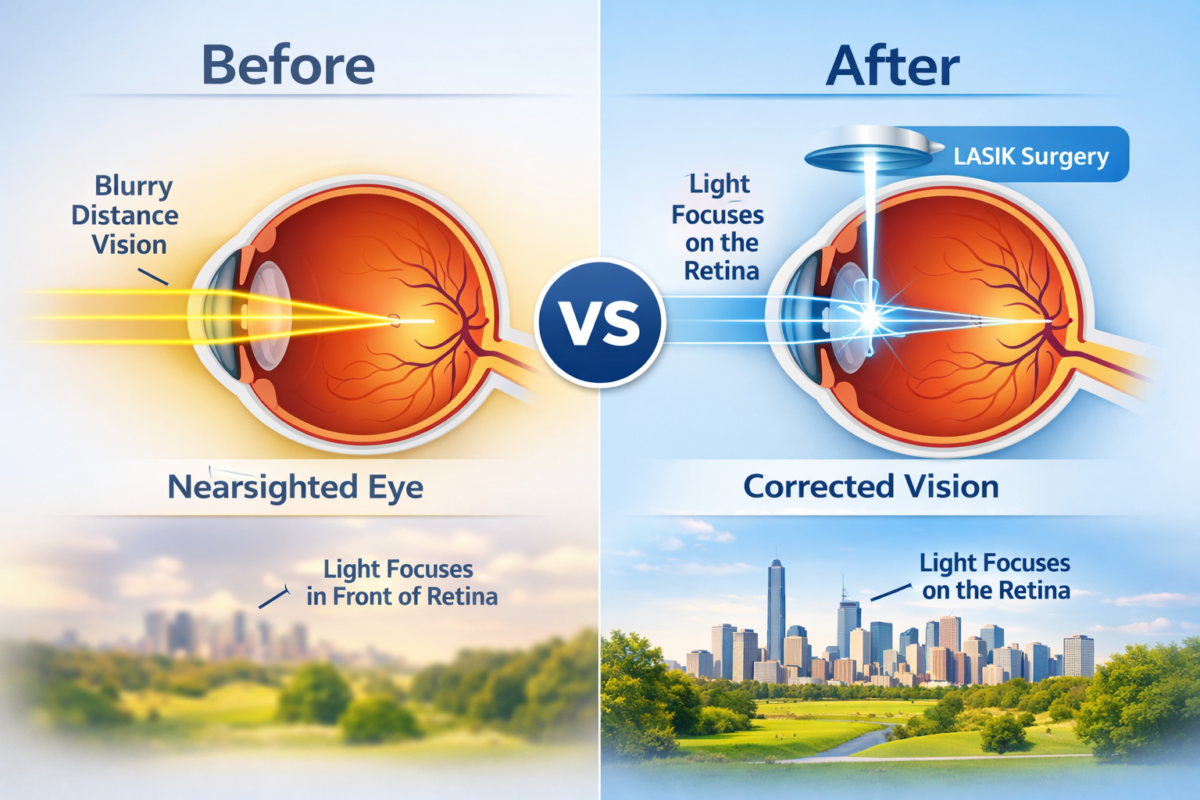
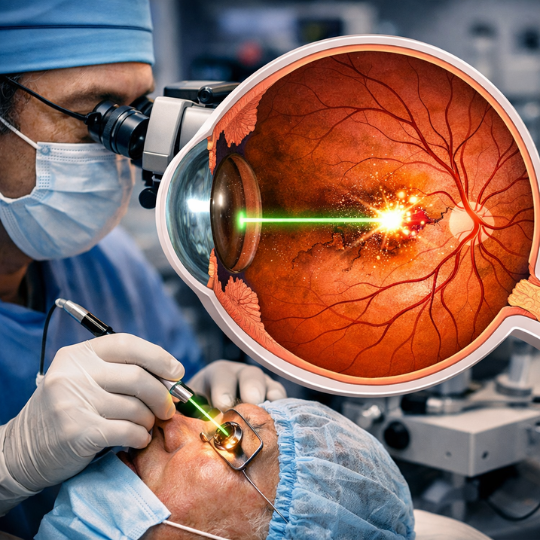
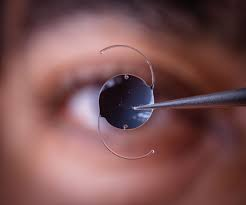
An Implantable Collamer Lens (ICL) is a biocompatible, artificial lens placed inside the eye to correct refractive errors such as myopia, hyperopia, and astigmatism. Unlike LASIK, which reshapes the cornea, ICL adds a lens that works with the natural eye structures to provide clear vision.
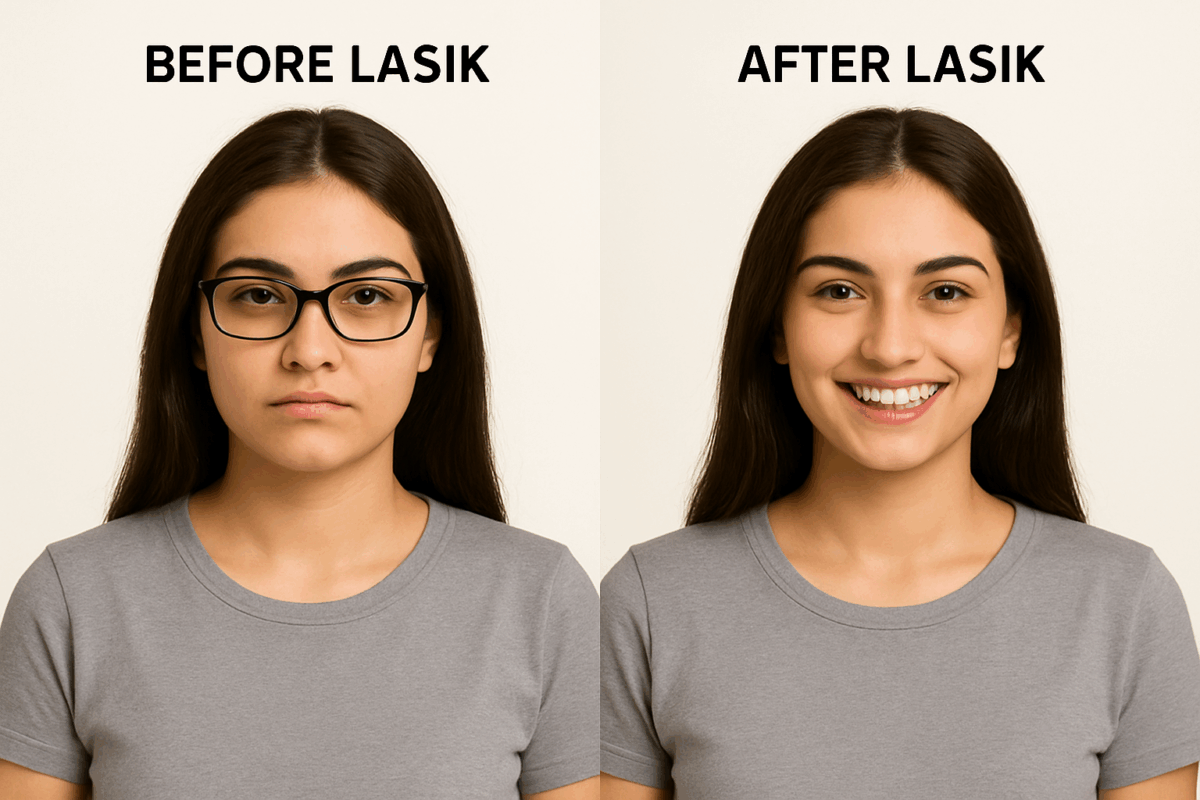
Differences Between ICL and LASIK
- ICL: Involves implanting a lens between the iris and natural lens. Reversible.
- LASIK: Permanently reshapes corneal tissue with a laser. Not reversible.
- ICL Advantage: Suitable for patients with thin corneas or high prescriptions that LASIK cannot correct.
History and Evolution of Collamer Lenses
First introduced in the 1990s, Collamer lenses have evolved with improved safety, comfort, and customization. Modern ICLs now offer UV protection and can correct a broader range of prescriptions.
How Does an Implantable Collamer Lens Work?
The Science Behind Collamer Material
Collamer is a unique biocompatible material made of collagen and polymer. This ensures the lens integrates smoothly with the eye, minimizing rejection and inflammation risks.
Placement of ICL in the Eye
The surgeon places the ICL behind the iris and in front of the natural lens. This positioning ensures it’s invisible to both the patient and others.
Refractive Errors Corrected by ICL
- Myopia (nearsightedness)
- Hyperopia (farsightedness)
- Astigmatism
- High prescriptions unsuitable for LASIK
Candidacy for Implantable Collamer Lens Surgery
Ideal Candidates for ICL
You may be a good candidate if:
- You’re between 18–45 years old
- You have stable vision for at least a year
- You suffer from moderate to severe myopia
- Your cornea is too thin for LASIK
Who Should Avoid ICL Surgery?
- Patients with uncontrolled glaucoma
- Those with cataracts
- Individuals with certain eye infections or diseases
Pre-Surgery Evaluation and Tests
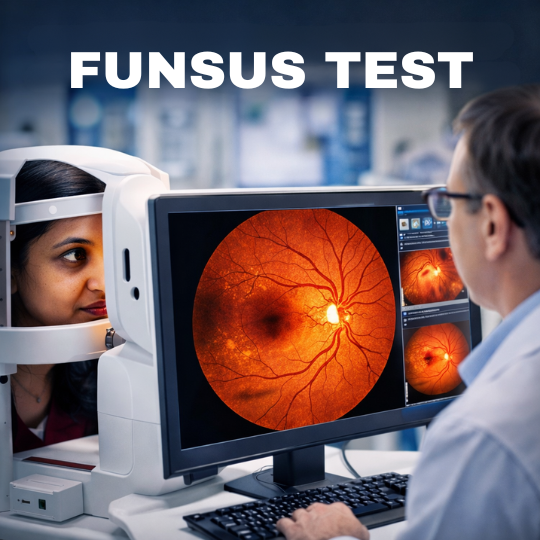
Doctors perform detailed tests including corneal thickness measurement, intraocular pressure checks, and overall eye health exams before recommending ICL.
The Procedure: Step-by-Step Guide
Pre-Operative Preparations
- Comprehensive eye examination
- Avoid wearing contact lenses for several days before surgery
- Prescription eye drops may be given
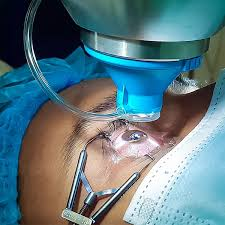
The Surgical Process Explained
- A tiny incision is made in the cornea
- The folded ICL is inserted and positioned correctly
- Surgery takes only 20–30 minutes per eye
Post-Surgery Recovery Timeline
- Most patients experience clear vision within 24–48 hours
- Full recovery typically takes 1–2 weeks
- Follow-up visits are essential to monitor progress

Benefits of Implantable Collamer Lens
Long-Term Vision Stability
One of the biggest advantages of ICL surgery is its predictable and stable vision correction. Unlike LASIK, where corneal reshaping can sometimes lead to regression, ICL maintains its shape and strength, ensuring lasting clarity.
UV Protection and Eye Health
Modern ICLs are designed with UV-blocking technology. This feature protects the eyes from harmful ultraviolet rays, reducing the risk of long-term conditions such as macular degeneration and cataracts.
Reversibility and Adjustability
Unlike LASIK, which permanently alters the cornea, ICL surgery is completely reversible. The lens can be removed or replaced if your prescription changes or if you develop age-related eye conditions in the future. This flexibility makes it a safer long-term investment in vision health.
Risks and Potential Complications
Common Side Effects After Surgery
- Mild eye discomfort
- Temporary blurry vision
- Sensitivity to light
These symptoms usually fade within a few days.
Rare but Serious Risks
Though uncommon, some patients may experience:
- Cataract formation
- Increased intraocular pressure (glaucoma)
- Halos or glare at night
How to Minimize Complications
Choosing an experienced surgeon and following all post-operative care instructions reduces risks significantly. Regular eye check-ups also ensure early detection of any complications.
Comparing ICL with Other Vision Correction Options
ICL vs LASIK
- ICL: Reversible, no removal of corneal tissue, better for high prescriptions.
- LASIK: Permanent, quick recovery, but limited by corneal thickness.
PRK vs ICL
- ICL: Lens-based correction, faster recovery, minimal discomfort.
- PRK: Surface laser treatment, longer recovery, but suitable for thin corneas.
ICL vs Contact Lenses and Glasses
While glasses and contacts provide temporary vision correction, ICL offers permanent clarity without daily maintenance. It’s particularly appealing for people with active lifestyles.

Cost of Implantable Collamer Lens Surgery
Factors Affecting Cost
- Surgeon’s expertise
- Country and clinic location
- Type of ICL (toric for astigmatism costs more)
- Pre- and post-operative care
Average Global Prices in 2025
| Country | Average Cost (per eye) |
|---|---|
| USA | $3,500 – $5,000 |
| UK | £2,800 – £4,000 |
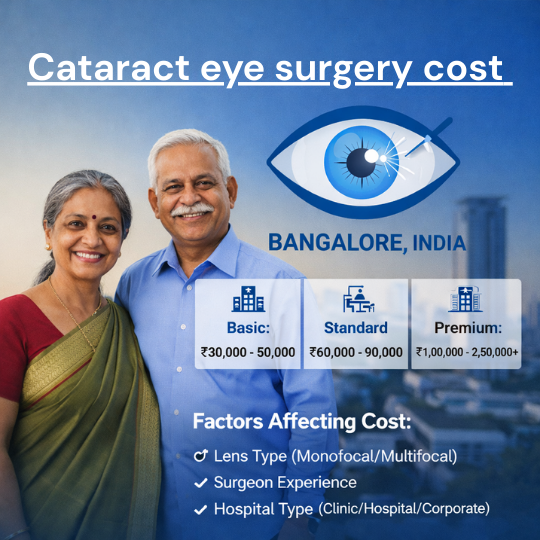
| India | ₹70,000 – ₹1,20,000 |
| Australia | AUD 4,000 – 6,000 |
Insurance and Financing Options
Most insurance plans don’t cover elective vision correction. However, many clinics now offer installment plans and financing to make ICL more accessible.
Success Rates and Patient Satisfaction
Clinical Studies and Outcomes
According to recent studies, over 95% of ICL patients achieve 20/20 vision or better. The results are consistent across different age groups and prescriptions.
Real-Life Testimonials
Patients often report dramatic lifestyle improvements, including freedom from glasses, better night vision, and more confidence.
Long-Term Effectiveness
ICL lenses can last a lifetime unless removed or replaced due to age-related changes, making them a highly effective long-term solution.
Life After ICL Surgery
Adjusting to Improved Vision
Most patients describe the experience as life-changing. They wake up seeing clearly without reaching for glasses—a small but profound improvement in daily life.
Lifestyle Benefits (Sports, Travel, Work)
- No more worrying about glasses slipping during workouts
- Freedom from packing contact lenses for travel
- Greater safety in professions requiring sharp, reliable vision
Regular Eye Check-Ups
Even with successful surgery, routine eye exams remain important to monitor eye pressure, lens position, and overall eye health.
Conclusion: Is Implantable Collamer Lens Right for You?
The Implantable Collamer Lens represents a groundbreaking advancement in vision correction. With its reversibility, stability, and suitability for patients who can’t undergo LASIK, it’s quickly becoming one of the most trusted solutions worldwide.
If you’re tired of relying on glasses or contact lenses and want a long-lasting, safe, and effective alternative, ICL might just be the life-changing procedure you’ve been searching for.
Frequently Asked Questions about Implantable Collamer Lens
How long do ICLs last?
ICLs are designed to last a lifetime, but they can be removed or replaced if necessary.
Can ICLs be removed or replaced?
Yes, one of the main advantages of ICL is its reversibility. The lens can be safely taken out or upgraded.
Do I still need glasses after ICL?
Most patients enjoy 20/20 vision or better, though some may need thin reading glasses later in life due to presbyopia (age-related vision changes).
Is the surgery painful?
No. The procedure is performed under local anesthesia, so you won’t feel pain—only mild pressure.
What is the recovery time?
Most patients notice clear vision within 1–2 days, with full recovery in about 1–2 weeks.
Can ICL correct both nearsightedness and astigmatism?
Yes, Toric ICLs are specifically designed to correct both myopia and astigmatism simultaneously.