
What is ICL Surgery?
Understanding Implantable Contact Lenses
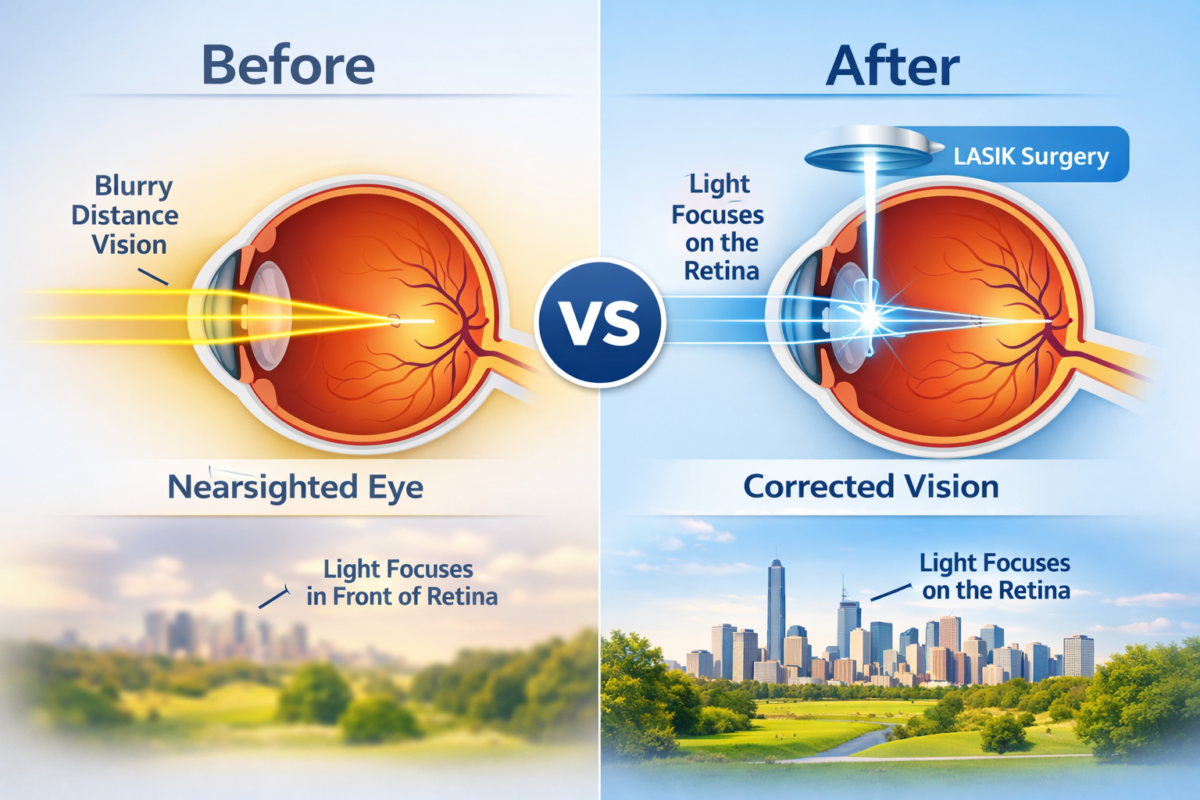
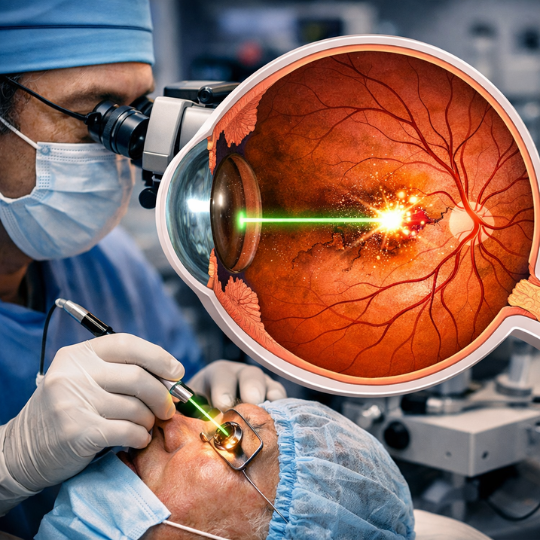
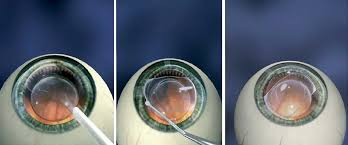
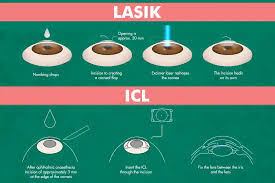
ICL stands for Implantable Collamer Lens, a thin, biocompatible lens placed between the eye’s natural lens and iris. Unlike LASIK, which reshapes the cornea permanently, ICL works like an internal contact lens that corrects vision without altering corneal structure.
Difference Between ICL and LASIK
- ICL is suitable for patients with thin corneas or high prescriptions.
- LASIK may not be possible for everyone.
- ICL is reversible, while LASIK is permanent.
- The cost of ICL is generally higher than LASIK, but many patients find the long-term benefits worth it.
Average ICL Cost Around the World
The price of ICL surgery varies widely depending on location and healthcare system. Here’s a breakdown:
ICL Cost in the USA
In the United States, ICL surgery typically costs between $4,000 to $7,000 per eye. The price includes consultation, surgery, and post-operative care. Premium lenses and experienced surgeons may charge more.
ICL Cost in the UK
In the United Kingdom, ICL surgery ranges between £3,000 and £5,000 per eye. Prices vary depending on whether the procedure is done privately or under specialized clinics.
ICL Cost in India
India is a popular destination for affordable medical care. ICL surgery in India costs between ₹80,000 and ₹1,50,000 per eye, making it a cost-effective option for international patients without compromising quality.
ICL Cost in Other Countries (Canada, Australia, UAE)
- Canada: CAD 4,500–6,000 per eye
- Australia: AUD 4,000–6,500 per eye
- UAE: AED 12,000–18,000 per eye
Factors That Affect ICL Cost
Several factors contribute to the variation in ICL cost:
Surgeon’s Expertise and Clinic Reputation
Highly experienced surgeons or clinics with international accreditation may charge more, but they often provide safer outcomes.
Technology and Lens Type Used
Advanced ICL lenses, such as toric lenses for astigmatism, cost more than standard lenses.
Pre-Surgery Tests and Consultations
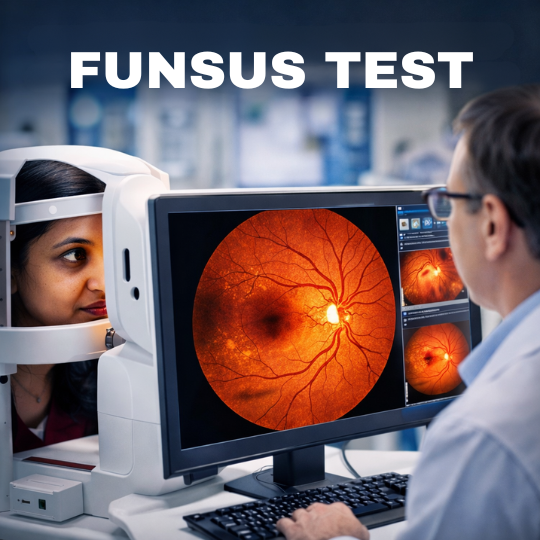
Comprehensive eye exams, corneal mapping, and diagnostic scans add to the overall expense.
Post-Surgery Care and Follow-Up
Medication, check-ups, and emergency care are sometimes included in the cost, while in other cases, they’re charged separately.
Types of ICL Lenses and Their Prices
Not all ICL lenses are the same, and the choice of lens significantly impacts the overall ICL cost. Here are the main options available:
Standard ICL Lenses
These are the most common implantable lenses used for correcting myopia (nearsightedness). They generally fall at the lower end of the cost spectrum since they are widely available and suitable for most patients.
Toric ICL Lenses (for Astigmatism)
Patients with astigmatism need special toric ICLs designed to correct irregular corneal curvature. These lenses are more expensive due to their customized design and added precision.
Premium ICL Lenses (Advanced Options)
Some clinics offer advanced or premium ICL lenses with added features such as UV protection, improved night vision, and enhanced clarity. These can cost 20–30% more than standard ICLs.
Insurance Coverage and Financing Options
Does Health Insurance Cover ICL Surgery?
In most countries, ICL surgery is considered elective since it corrects refractive errors rather than treating a disease. That means standard health insurance rarely covers ICL cost. However, some premium insurance plans or vision add-ons may provide partial coverage.
EMI and Payment Plans for ICL
Many clinics now offer financing options such as:
- Monthly installment plans (EMIs)
- Zero-interest financing
- Medical loans
These make ICL surgery more affordable for patients who cannot pay upfront.
ICL Cost vs LASIK Cost
One of the biggest questions patients ask is whether ICL is worth the higher cost compared to LASIK.
Short-Term Costs
- LASIK: $1,500–$3,000 per eye (on average)
- ICL: $4,000–$7,000 per eye
Clearly, LASIK is less expensive initially.
Long-Term Value Comparison
- ICL is reversible and does not cause corneal thinning.
- LASIK may not be suitable for patients with very high prescriptions or thin corneas.
- ICL lenses can last a lifetime, while some LASIK patients may need enhancement procedures later.
So, while LASIK costs less upfront, ICL may be a better long-term investment for certain patients.
Benefits of ICL Despite Higher Cost
Even though the ICL cost is higher than other corrective surgeries, many patients choose it for its unique benefits.
Permanent Vision Correction
ICL provides long-lasting results and, unlike contact lenses, doesn’t require daily maintenance.
No Dry Eye Issues Compared to LASIK
Because ICL does not involve corneal reshaping, it does not trigger dry eye syndrome, a common side effect of LASIK.
Reversible and Safe Procedure
If needed, the lens can be safely removed or replaced, giving patients peace of mind.
Risks and Considerations Related to ICL Surgery
While ICL is generally safe, patients should be aware of potential risks:
- Increased intraocular pressure
- Risk of infection (rare)
- Cataract development in some cases
- Higher upfront costs compared to LASIK
Discussing these with an experienced surgeon ensures realistic expectations.
How to Choose the Right ICL Surgeon Without Overpaying
When considering ICL surgery cost, it’s important not to base your decision on price alone. Here are tips to balance cost and quality:
- Check surgeon credentials (board certification, years of experience).
- Read patient reviews and success stories.
- Compare clinic facilities and technology used.
- Request a detailed breakdown of costs (including tests, surgery, and follow-ups).
FAQs About ICL Cost
1. Why is ICL surgery more expensive than LASIK?
Because it involves specialized implantable lenses, advanced technology, and more complex surgical procedures.
2. Is ICL surgery permanent?
Yes, it provides permanent vision correction, but the lens can be removed or replaced if needed.
3. Can I pay for ICL surgery in installments?
Yes, many clinics offer EMI or zero-interest financing plans to make it more affordable.
4. What’s the cheapest country for ICL surgery?
India and some Southeast Asian countries offer the most affordable prices, often at one-third of U.S. rates.
5. How long do ICL lenses last?
ICL lenses are designed to last a lifetime and typically do not require replacement.
6. Does ICL surgery hurt?
No, the procedure is usually painless due to local anesthesia. Some patients may experience mild discomfort during recovery.
Conclusion
The ICL cost may seem high at first glance, but when you factor in its long-term benefits, safety, and suitability for patients who can’t undergo LASIK, it becomes a valuable investment in better vision. Prices vary depending on country, lens type, surgeon expertise, and aftercare, but with financing options and global availability, ICL is now more accessible than ever.
If you’re considering ICL surgery, consult with a trusted ophthalmologist, compare prices across clinics, and choose based on quality rather than just cost. After all, your vision is priceless.