

Understanding LASIK Surgery and Its Recovery Timeline
LASIK eye surgery has transformed millions of lives by offering freedom from glasses and contact lenses. However, one of the most common questions patients ask before undergoing the procedure is, “How long does LASIK recovery take?”
In general, most people notice improved vision within 24 to 48 hours, while complete healing and stabilization may take 3 to 6 months. The journey to perfect vision isn’t overnight—but with the right care, recovery is typically smooth and painless.
What Is LASIK Eye Surgery?
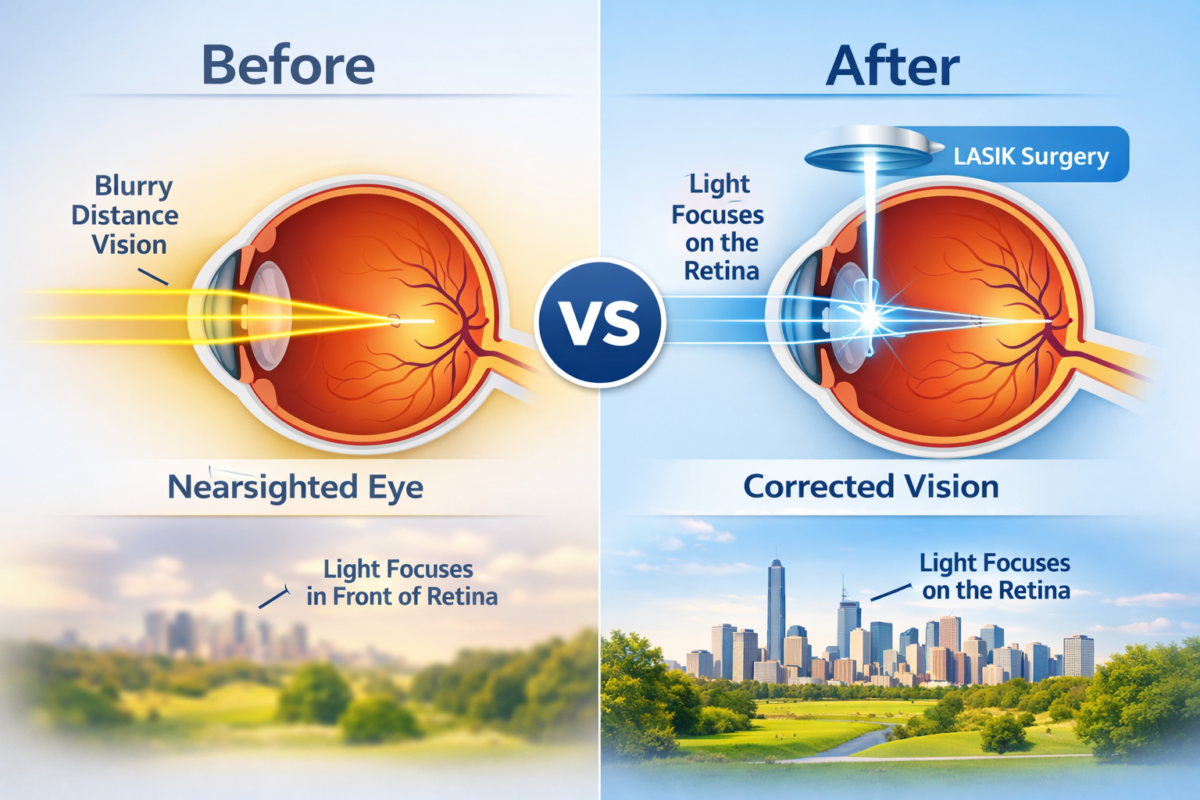
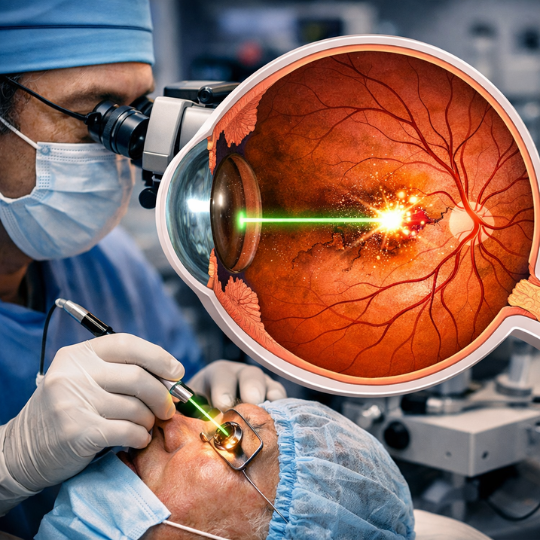
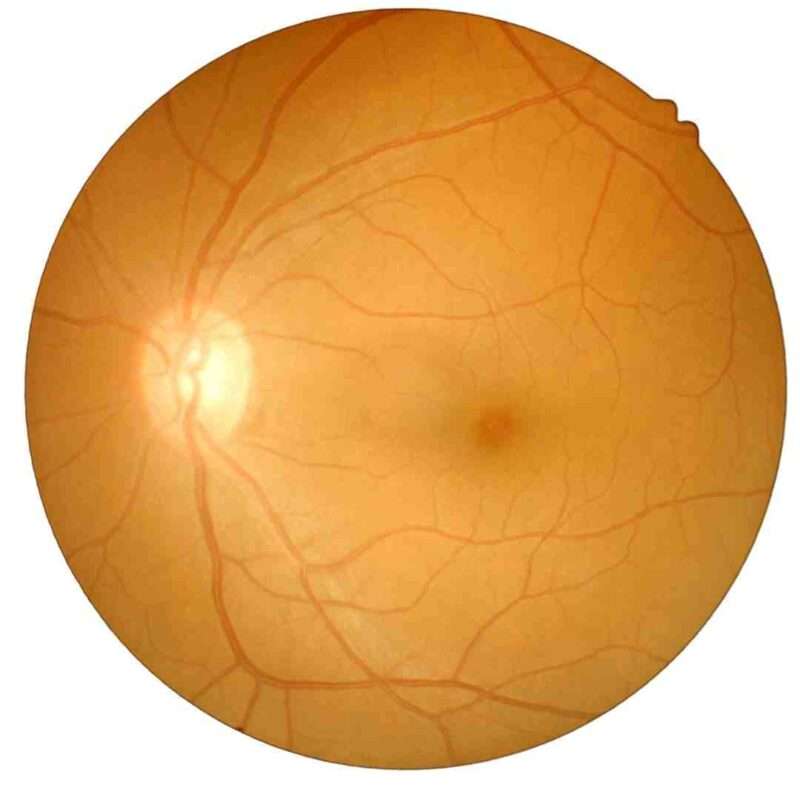
LASIK (Laser-Assisted in Situ Keratomileusis) is a quick, outpatient procedure that reshapes the cornea using a precision laser. By correcting the cornea’s curvature, LASIK helps light focus properly on the retina—resulting in clearer vision.
How LASIK Works to Correct Vision
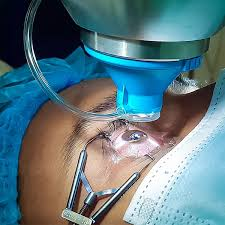
During LASIK, a surgeon creates a thin flap in the cornea, uses a laser to reshape the underlying tissue, and then repositions the flap. The process typically takes less than 15 minutes per eye and uses advanced laser technology to ensure accuracy and comfort.
Common Reasons People Choose LASIK
- To reduce dependence on glasses or contacts
- For long-lasting vision correction
- Quick recovery and minimal discomfort
- Safe, effective, and FDA-approved results

The Typical LASIK Recovery Timeline Explained
While every eye heals differently, most LASIK patients follow a similar recovery pattern. Let’s break it down step by step.
The First 24 Hours After LASIK Surgery
Immediately after surgery, your vision may appear blurry or hazy—similar to looking through frosted glass. Most patients experience mild discomfort, watery eyes, or light sensitivity, but these symptoms usually fade within a day.
Tips for this phase:
- Keep your eyes closed and rest as much as possible.
- Avoid screens, reading, or bright light.
- Use your prescribed eye drops to prevent dryness and infection.
By the next morning, most patients can already see a dramatic improvement in their vision.
Day 2 to Day 7: Early Healing Phase
During the first week, your eyes are still adjusting. You may notice slight fluctuations in vision, halos around lights, or mild irritation. However, these symptoms are temporary and indicate normal healing.
Do’s and Don’ts:
- ✅ Use lubricating eye drops regularly.
- ✅ Wear protective sunglasses outdoors.
- ❌ Avoid eye makeup or dusty environments.
- ❌ Don’t rub your eyes under any circumstances.
Week 2 to Month 1: Vision Stabilization Period
By the second week, your vision continues to sharpen, and most daily activities—including driving—become safe. Eye dryness may persist but usually improves with regular use of artificial tears.
During this stage, it’s essential to attend your follow-up visits, allowing your ophthalmologist to track your healing progress and ensure your cornea is stabilizing correctly.
3 to 6 Months: Final Vision Refinement
Over the next few months, your vision will continue to refine and stabilize. Most patients achieve 20/20 or better vision within three to six months post-surgery.
However, if you experience persistent dryness or visual fluctuations, your surgeon may recommend additional treatments or enhancements.

Factors That Affect LASIK Recovery Time
Several factors influence how quickly your eyes recover after LASIK. Understanding these can help set realistic expectations.
Age and General Health
Younger individuals and those in good overall health tend to heal faster. Chronic conditions like diabetes or autoimmune disorders may slow recovery slightly.
Corneal Thickness and Eye Condition
Your eye’s anatomy plays a role. Thicker corneas and stable prescriptions typically lead to smoother recoveries.
Post-Operative Care and Lifestyle Habits
Proper rest, hydration, and following your doctor’s instructions are critical. Smoking, excessive screen time, and skipping follow-up visits can delay healing.
Signs of Normal vs. Delayed Recovery
It’s completely normal to experience some fluctuations in vision during LASIK recovery. Understanding the difference between normal healing signs and potential complications helps ensure peace of mind.
What Normal Healing Looks Like
During the first few days, you may notice:
- Mild dryness or itching
- Slight blurriness or halos at night
- Temporary light sensitivity
- Gradual vision improvement over weeks
These are typical and should improve steadily with time and proper care.
Warning Signs You Should Contact Your Surgeon
While complications are rare, contact your ophthalmologist immediately if you experience:
- Severe or increasing pain
- Sudden vision loss or dark spots
- Persistent redness or discharge
- Excessive tearing or swelling
Prompt communication ensures timely intervention and preserves your vision health.
How to Speed Up LASIK Recovery Safely
Although you can’t rush the body’s natural healing process, you can certainly create ideal conditions for faster and smoother recovery.
Follow Your Doctor’s Instructions
Your surgeon will provide a customized post-operative care plan. Follow it strictly. Using your prescribed antibiotic and anti-inflammatory drops reduces infection risk and promotes corneal healing.
Avoid Eye Strain and Digital Devices Early On
During the first 48 hours, minimize exposure to smartphones, computers, and TV screens. Digital strain can delay healing and increase dryness. Use the 20-20-20 rule—look away every 20 minutes for at least 20 seconds.
Use Prescribed Eye Drops Properly
Eye drops play a crucial role in moisturizing your corneas and reducing inflammation. Always wash your hands before applying and follow dosage recommendations. Artificial tears can be used as often as needed for comfort.
Get Enough Sleep and Stay Hydrated
Sleep allows your eyes to rest and repair tissue. Aim for at least 7–8 hours of sleep each night, and drink plenty of water to keep your eyes hydrated and functioning optimally.
Common Post-LASIK Symptoms and How to Manage Them
Most post-surgery symptoms are temporary and manageable with care.
Dry Eyes and Light Sensitivity
Dry eyes are the most common side effect. Use lubricating drops regularly and wear sunglasses outdoors. Avoid windy or smoky environments for a few weeks.
Fluctuating Vision and Glare
It’s normal for your vision to vary during the first month. You may notice glare, halos, or difficulty seeing in dim light. These usually subside as your eyes heal.
Mild Discomfort or Itching
Avoid touching or rubbing your eyes even if they itch. Your corneal flap needs time to adhere securely. Artificial tears and cool compresses can help relieve irritation.
What to Avoid After LASIK Surgery
To protect your healing eyes, certain activities should be limited temporarily.
Avoid Rubbing Your Eyes
Rubbing your eyes can dislodge the corneal flap and delay healing. If you accidentally touch them, notify your surgeon if you experience any discomfort afterward.
Stay Away from Swimming Pools and Hot Tubs
Avoid swimming, saunas, and hot tubs for at least two weeks to prevent bacterial infection. When you do resume swimming, use protective goggles.
Skip Makeup and Heavy Exercise Initially
Avoid eye makeup for one to two weeks. Heavy workouts and contact sports should also be paused until your surgeon gives the all-clear to prevent sweat or debris from irritating your eyes.
Long-Term Care After LASIK
Healing doesn’t stop when your vision clears. Proper long-term care ensures lasting results.
Importance of Follow-Up Appointments
Attend all scheduled follow-ups, usually within 24 hours, one week, one month, and three months after surgery. These visits allow your doctor to monitor your recovery and make any necessary adjustments.
Maintaining Healthy Vision Post-Recovery
After full recovery, continue protecting your eyes with:
- UV-protective sunglasses
- Regular hydration
- Balanced diet rich in Vitamin A and Omega-3s
- Annual eye exams
Maintaining these habits ensures long-term clarity and comfort.
LASIK Recovery Myths vs. Facts
There are many misconceptions about LASIK recovery. Let’s clear up the most common ones.
Myth 1: Recovery Is Instant
Fact: Most people see improvement within a day, but complete recovery takes several weeks to months. Healing is gradual and depends on your individual eye health.
Myth 2: Everyone Heals the Same Way
Fact: Recovery times vary. Factors like age, general health, and adherence to aftercare significantly influence healing speed.
Myth 3: You Can’t Work or Drive for Weeks
Fact: Many patients return to work or driving within 24–48 hours, provided their vision meets safety standards and their doctor approves.
Real Patient Experiences: How Long Did Recovery Take?
Hearing from others can help set realistic expectations.
Average Timeframes from Clinical Studies
About 95% of patients achieve 20/25 vision or better within two weeks, with most reporting full stability within three months.
What Patients Say About Their Recovery Journey
Many patients report feeling anxious before the procedure but pleasantly surprised at how quick and comfortable recovery is. A common theme: “It was worth every minute of patience for the clarity I gained.”
FAQs About LASIK Recovery
1. How long does LASIK recovery take on average?
Most patients notice clear vision within 24 to 48 hours, but full recovery and stabilization usually take three to six months.
2. Is LASIK recovery painful?
Not typically. Some patients feel mild irritation or dryness, which can be managed with prescribed eye drops and rest.
3. Can I watch TV or use my phone after LASIK?
It’s best to avoid screens for the first 24 hours to reduce strain and dryness. Gradually reintroduce digital devices after your doctor’s approval.
4. When can I wear makeup again after LASIK?
Eye makeup should be avoided for at least one week to prevent irritation or infection. Face makeup can typically be used after 48 hours with care.
5. Can I exercise after LASIK?
Light activities like walking are fine after a couple of days, but avoid intense workouts and contact sports for at least two weeks.
6. What if my vision seems blurry weeks after LASIK?
Fluctuating vision is normal for a few weeks. If blurriness persists beyond a month, schedule a follow-up with your surgeon.
7. How can I make my LASIK recovery faster?
Follow your doctor’s care plan, use prescribed drops, stay hydrated, and rest your eyes frequently.
Conclusion: Enjoy Clear Vision with Patience and Proper Care
So, how long does LASIK recovery take?
The simple answer: noticeable improvement happens in a day or two, but complete recovery takes several weeks to months. Everyone’s healing journey is unique, and patience truly pays off.
With the right care, follow-up appointments, and healthy eye habits, LASIK can give you the clear, comfortable vision you’ve always wanted—safely and permanently.