
Introduction: Why People Seek Alternatives to Laser Eye Surgery
Laser eye surgery, such as LASIK or PRK, has helped millions achieve freedom from glasses and contacts. Yet, it’s not the perfect solution for everyone. Some individuals are not eligible due to corneal thickness, dry eye issues, or certain medical conditions. Others may hesitate because of the risks, cost, or recovery process. That’s why many people search for the best alternative to laser eye surgery—a solution that offers clarity without the concerns associated with lasers.
In this article, we’ll explore non-surgical, surgical, and lifestyle-based alternatives that can help improve vision and reduce dependency on glasses.

Understanding Laser Eye Surgery and Its Limitations
What Is Laser Eye Surgery?
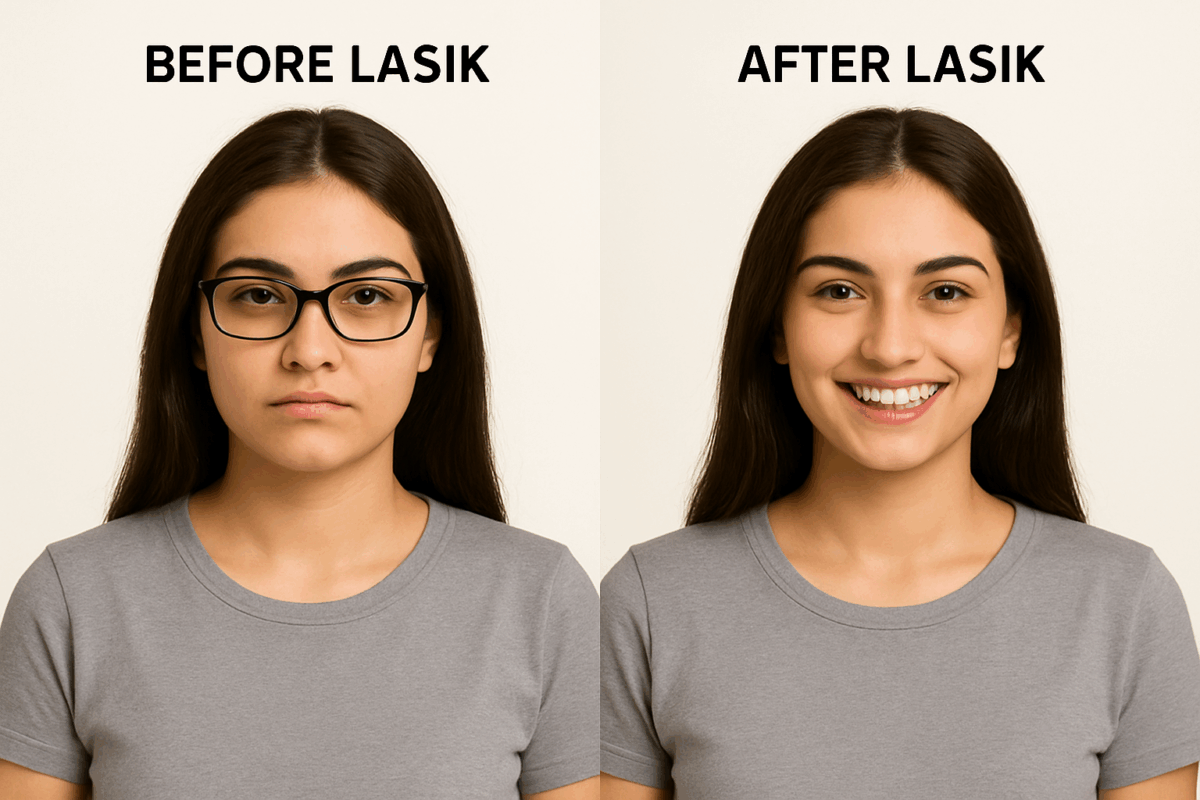
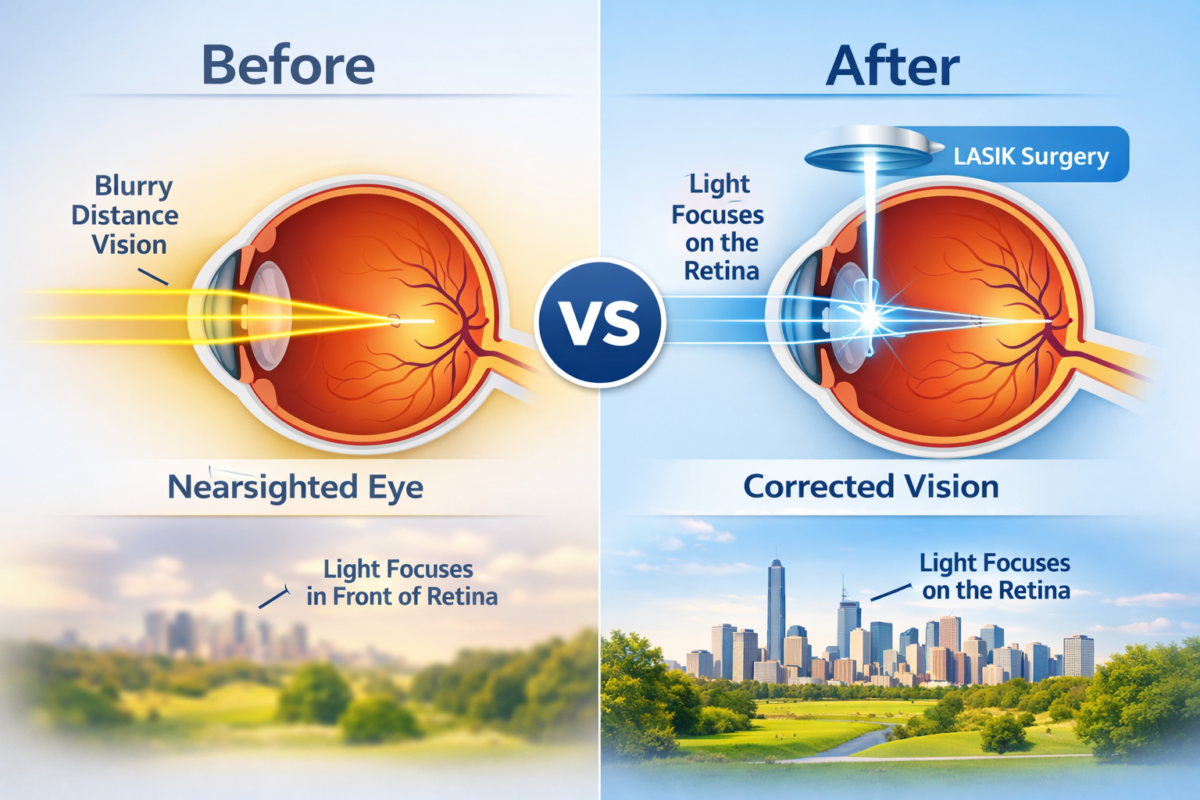
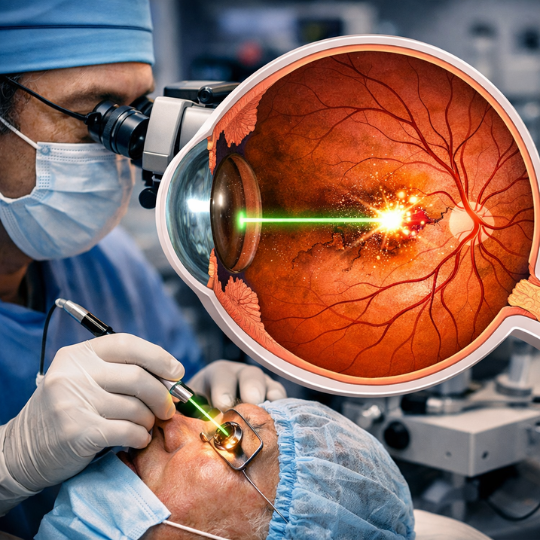
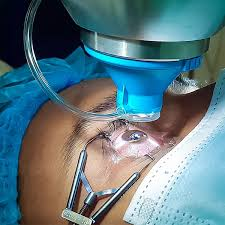
Laser eye surgery uses laser technology to reshape the cornea, correcting refractive errors like nearsightedness, farsightedness, and astigmatism. The most common procedures are LASIK, PRK, and SMILE.
Risks and Side Effects of LASIK and PRK
While generally safe, risks include:
- Dry eyes
- Night vision problems (halos, glare)
- Over- or under-correction
- Rare complications requiring additional surgery
Cost Factors and Accessibility Issues
Laser surgery typically costs $2,000–$3,500 per eye in the U.S., making it inaccessible for many. Insurance rarely covers it since it’s considered elective.

Non-Surgical Alternatives to Laser Eye Surgery
Prescription Glasses: The Classic Choice
The most common alternative to laser eye surgery is glasses. Affordable, widely available, and non-invasive, they remain a safe option. Modern designs offer lightweight, stylish frames with anti-glare and blue-light protection.
Contact Lenses: Modern Designs and Comfort
For those seeking freedom from glasses without surgery, contact lenses are a strong choice.
Daily Wear Contact Lenses
- Convenient, hygienic, and disposable.
- Ideal for active lifestyles.
Extended Wear and Night Lenses
- Can be worn for longer periods.
- Some lenses gently reshape the cornea overnight (part of Ortho-K therapy).
Advanced Non-Surgical Vision Correction Methods
Orthokeratology (Ortho-K) Lenses
Ortho-K lenses are worn overnight to reshape the cornea temporarily. In the morning, users enjoy clear vision without glasses or contacts for the day. It’s popular among children to slow myopia progression.
Implantable Contact Lenses (ICL)
Unlike regular lenses, ICLs are surgically placed inside the eye but are reversible. They’re suitable for people who are not candidates for LASIK.
Phakic Intraocular Lenses
These lenses are placed in front of the natural lens to correct vision, offering crisp clarity without removing the natural eye lens.
Natural and Lifestyle-Based Alternatives
Eye Exercises for Vision Training
Some people practice Bates Method techniques and modern vision therapy to reduce eye strain. While not a cure, it may help improve focusing ability.
Nutritional Support for Eye Health
Foods rich in vitamins A, C, E, lutein, and omega-3 fatty acids support long-term eye health. Supplements may also benefit those with deficiencies.
Blue Light Protection and Digital Eye Strain Solutions
With screen time at an all-time high, protecting the eyes from digital strain is crucial. Blue-light-blocking glasses and regular screen breaks can improve comfort and prevent worsening vision.

Surgical Alternatives Beyond Laser Techniques
Refractive Lens Exchange (RLE)
Similar to cataract surgery, RLE replaces the natural lens with an artificial intraocular lens (IOL). It’s an excellent choice for those with presbyopia or severe refractive errors.
Cataract Surgery as a Dual Solution
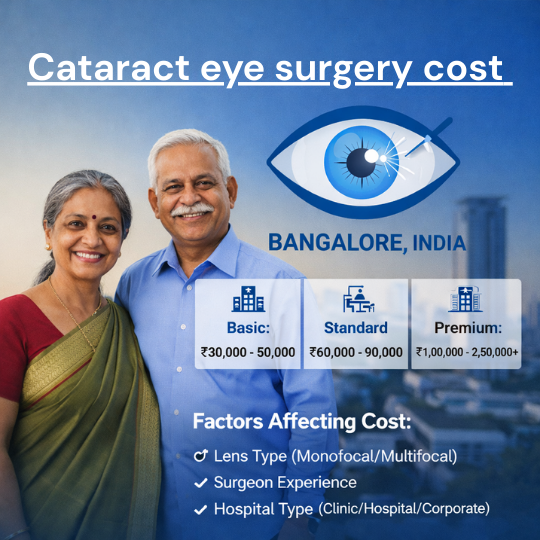
Cataract surgery not only removes cloudy lenses but also corrects refractive errors. Premium IOLs can reduce the need for glasses.
Corneal Inlays and Other Implants
These implants adjust how light enters the eye, improving near or distance vision without reshaping the cornea.
Comparing Alternatives: Pros and Cons
| Method | Pros | Cons |
|---|---|---|
| Glasses | Safe, affordable, stylish | Dependent on frames, fogging issues |
| Contacts | Natural vision, flexible | Infection risk if not cleaned |
| Ortho-K | Non-surgical, reversible | Requires nightly wear |
| ICLs | Permanent correction, reversible | More invasive, costly |
| RLE | Permanent, treats presbyopia | Higher surgical risk |
| Eye Exercises | Natural, free | Limited effectiveness |
How to Choose the Best Alternative for You
Consulting with an Ophthalmologist
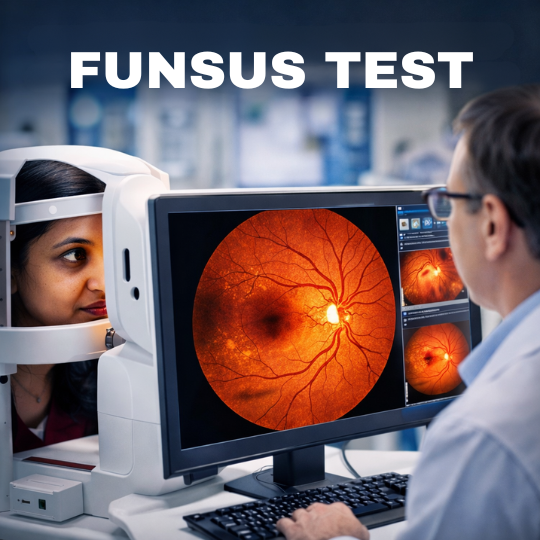
A thorough eye exam will determine which options fit your lifestyle and eye health.
Questions to Ask Before Deciding
- Am I a candidate for non-surgical methods?
- What are the long-term results of this option?
- How much does it cost compared to LASIK?
Conclusion: Finding the Right Path to Clear Vision
The best alternative to laser eye surgery depends on individual needs, age, and lifestyle. While glasses and contact lenses remain popular, advanced methods like Ortho-K, ICLs, and RLE provide more permanent solutions. Consulting an eye specialist ensures you choose a safe, effective option tailored to your vision goals.
FAQs About Alternatives to Laser Eye Surgery
1. Are contact lenses safer than LASIK?
Yes, when used properly, contacts carry fewer long-term risks than surgery.
2. Can eye exercises really improve vision naturally?
They may help reduce eye strain but won’t permanently correct refractive errors.
3. What is the best option for people with thin corneas?
Implantable contact lenses (ICL) or RLE are often recommended.
4. How long does Ortho-K correction last?
Vision improvement typically lasts a day or two, requiring nightly lens wear.
5. Is refractive lens exchange painful?
No, it’s performed under local anesthesia and is relatively painless.
6. Which alternative is most cost-effective long term?
Glasses and Ortho-K tend to be more cost-effective compared to surgery.