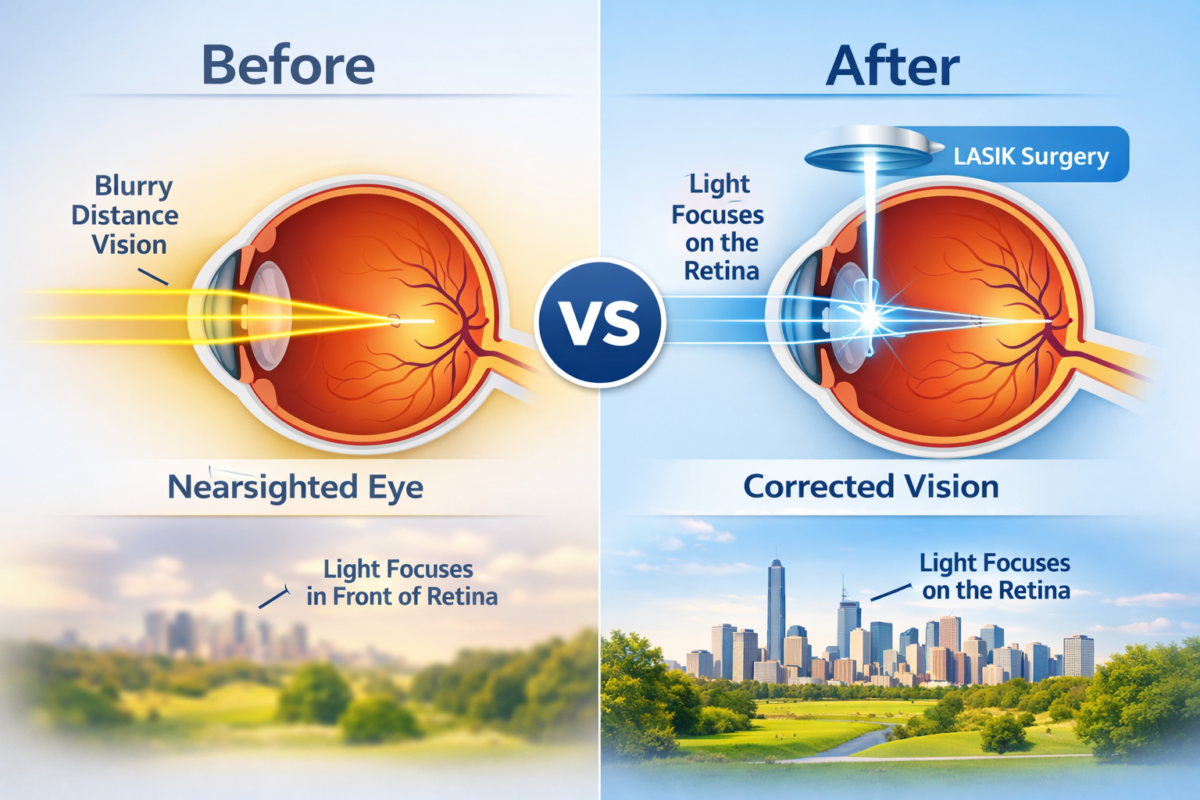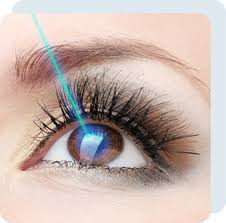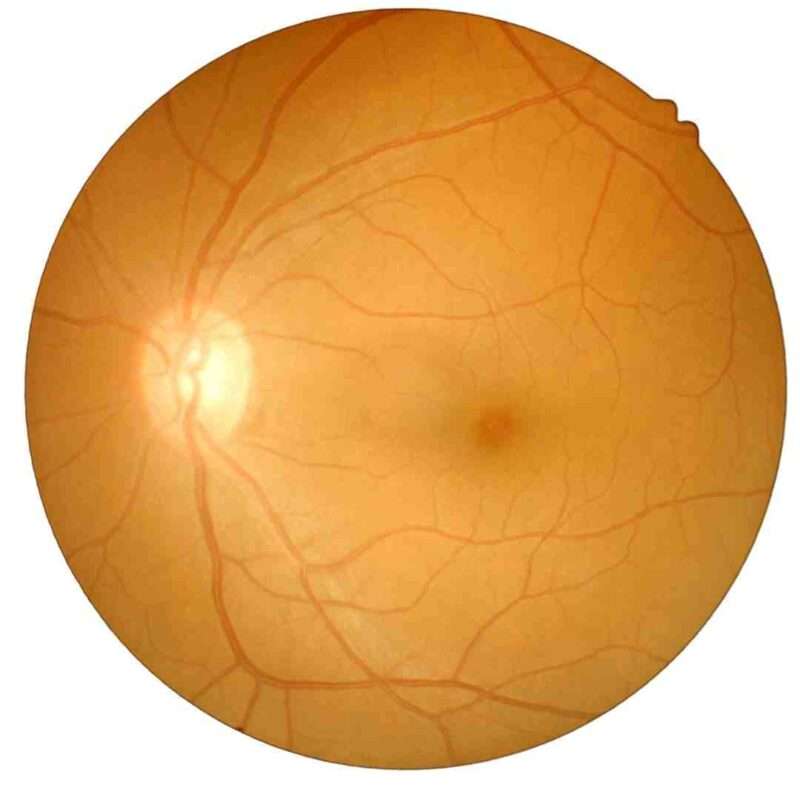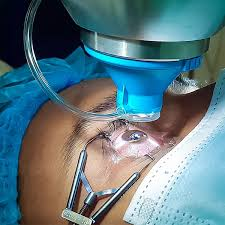

If your child’s eye power (especially minus power or myopia) is increasing quickly, you’re not alone. Many parents today are noticing a similar trend—children needing stronger glasses every few months. Understanding why this happens can help you take the right steps to control it. It’s alarming for any parent to hear that their child’s eye power keeps increasing. But before you worry, it’s important to understand what this actually means. Eye power, or refractive error, describes how light focuses inside the eye. If the eye grows too long or the cornea is curved abnormally, images become blurred—leading to nearsightedness (myopia), farsightedness (hyperopia), or astigmatism.
Children’s eyes grow rapidly during early years, and that natural growth can sometimes cause fluctuations in prescription strength. However, when the increase becomes too frequent or severe, it’s often due to environmental or lifestyle factors that can be modified.
What Does “Increasing Eye Power” Mean?
When we say your child’s “eye power” is increasing, it usually refers to progressive myopia—a condition where the eyeball grows longer than normal, causing distant objects to appear blurry.
Eye power is measured in diopters (D). A negative value indicates myopia (difficulty seeing distant objects), while a positive one signals hyperopia (difficulty focusing on nearby objects). The higher the number, the stronger the corrective lenses needed.
How Vision Changes as Children Grow
Between ages 6 and 16, a child’s vision can change dramatically. The eye continues to elongate until the late teens, making this period critical for visual development. Rapid eye growth often corresponds with increased screen time, lack of outdoor exposure, or poor visual hygiene habits.
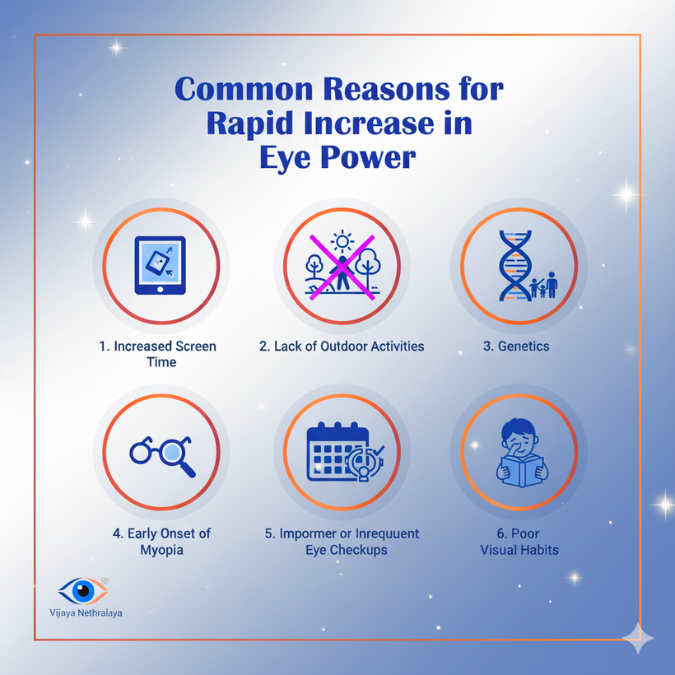
Common Reasons for Rapid Increase in Eye Power
1. Increased Screen Time
Prolonged use of mobiles, tablets, and computers makes the eyes focus closely for long periods, contributing to eye strain and faster progression of myopia.
2. Lack of Outdoor Activities
Scientific studies show that children who spend less than 1–2 hours outdoors daily are more likely to develop and progress in myopia. Natural sunlight helps regulate healthy eye growth.
3. Genetics
If one or both parents are myopic (wear glasses for distance vision), the risk of a child developing early and progressive myopia is higher.
4. Early Onset of Myopia
When myopia starts before the age of 8–9 years, it tends to increase faster because the eyes are still growing.
5. Improper or Infrequent Eye Checkups
Skipping annual eye exams or using the wrong power glasses can cause continuous eye strain, worsening the power faster.
6. Poor Visual Habits
Holding books or screens too close (less than 30 cm), reading in dim light, or studying for long hours without breaks increases stress on the eyes.
The Role of Screen Time in Vision Deterioration
Digital devices are now part of childhood—from online classes to games. However, constant exposure can lead to digital eye strain and accelerate myopia.
How Blue Light Affects Young Eyes
Blue light emitted from screens penetrates deep into the retina, potentially causing damage over time. Although not the sole cause of myopia, it contributes to fatigue and dryness.
Recommended Screen Time for Kids
- Ages 2–5: 1 hour/day (supervised)
- Ages 6–12: Up to 2 hours/day (educational + leisure)
- Teenagers: Limited to 3 hours outside schoolwork
Screen Use Tips
- Follow the 20-20-20 rule (every 20 minutes, look 20 feet away for 20 seconds)
- Ensure proper room lighting
- Maintain at least 18–24 inches distance from screens
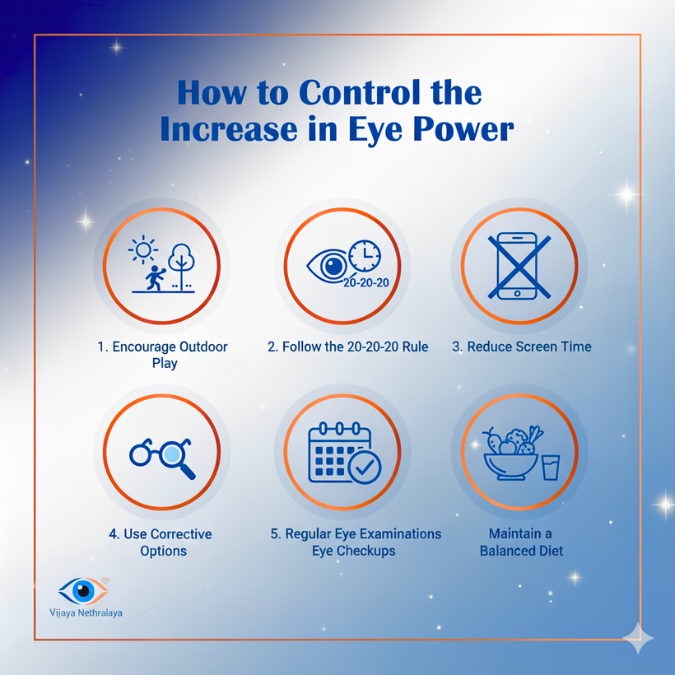
How to Control the Increase in Eye Power
1. Encourage Outdoor Play
At least 2 hours of outdoor activity daily helps reduce the rate of myopia progression.
2. Follow the 20-20-20 Rule
After every 20 minutes of near work, look 20 feet away for 20 seconds. This simple habit relaxes the eye muscles.
3. Reduce Screen Time
Limit recreational screen use to less than 1 hour per day for younger children. Use larger screens instead of mobiles for study purposes.
4. Use Corrective Options
Your eye doctor may recommend:
- Myopia control glasses or contact lenses
- Low-dose atropine eye drops
- Orthokeratology (Ortho-K) lenses—worn overnight to control eye growth
5. Regular Eye Examinations
Schedule an eye checkup every 6 months for children with progressing power.
6. Maintain a Balanced Diet
Foods rich in vitamin A, lutein, and omega-3 fatty acids (like carrots, spinach, and fish) support eye health.
When to See an Eye Specialist Immediately
- If your child’s power increases by more than -0.5 diopters in 6 months
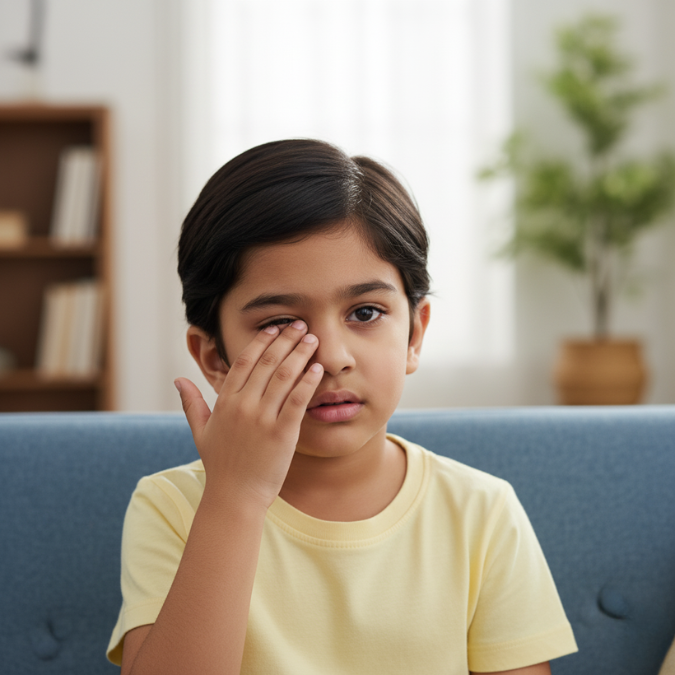
- If they experience frequent headaches, squinting, or eye rubbing
- If there is a family history of high myopia (more than -6.00)
Expert Tip
Modern treatments can slow down the progression of myopia if detected early. Don’t wait for the power to worsen—discuss myopia control therapies with your pediatric ophthalmologist.
FAQs on Increasing Eye Power in Children
1. Can eye power in kids be reduced naturally?
No, once myopia develops, it cannot be reversed naturally—but its progression can be slowed with proper care and guidance.
2. Does watching TV increase myopia?
Watching TV from a safe distance (6–8 feet away) isn’t harmful. The problem lies in excessive close-up screen use, such as mobile phones or tablets.
3. Is laser surgery an option for children?
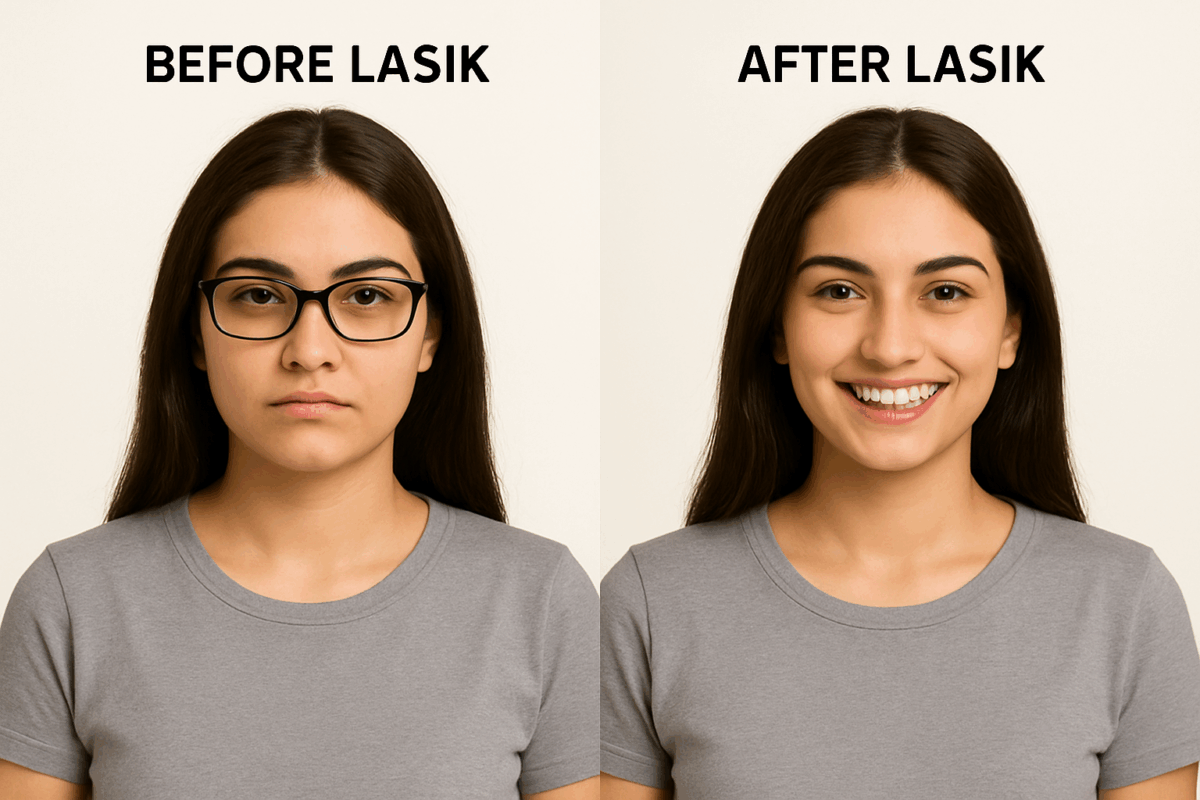
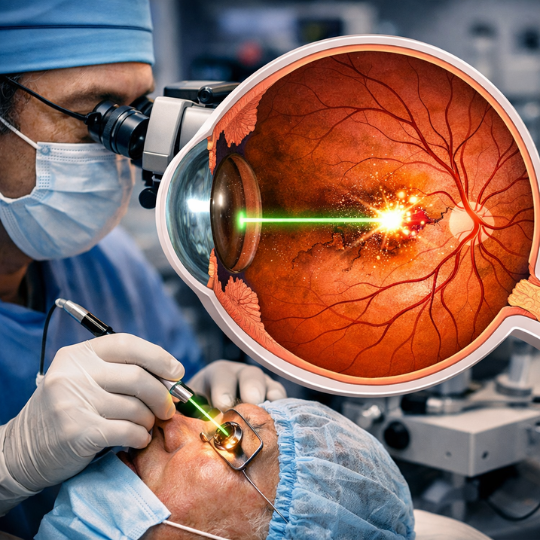
No. Laser vision correction (like LASIK) is done only after the age of 18, when the eye power stabilizes.
4. How often should a child’s eyes be checked?
Every 6 months if they already wear glasses, or yearly if no vision issues are present.
5. What are the latest treatments to control myopia?
Options include low-dose atropine drops, Ortho-K lenses, and special myopia control lenses that slow down eyeball growth.
6. Can vitamins or diet reduce eye power?
A healthy diet supports general eye health but doesn’t reduce power. Still, nutrients like vitamins A, C, and E and omega-3 are essential for long-term vision wellness.
7. Can kids’ eyesight change quickly? Yes, a child’s eyesight can change relatively quickly, especially during periods of rapid growth and early development.
👁️ Pediatric Eye Care at Vijaya Nethralaya, Bangalore
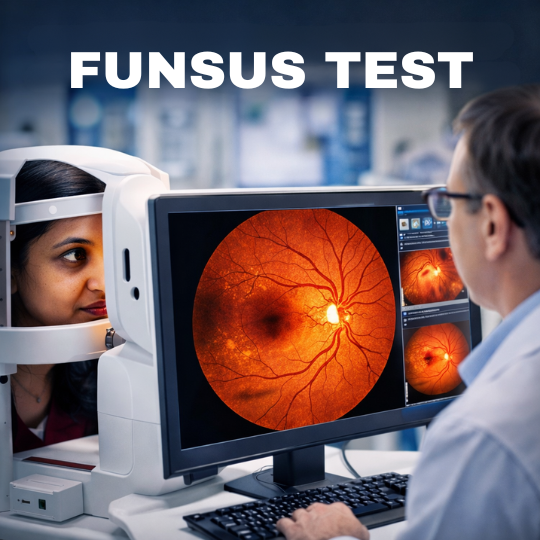
At Vijaya Nethralaya Superspeciality Eye Hospital, our pediatric ophthalmology department specializes in detecting and controlling progressive myopia in children. Our experts use advanced diagnostic tools, myopia control lenses, Ortho-K therapy, and low-dose atropine drops to protect your child’s vision.
We recommend regular eye checkups every 6 months for children with fast-changing power. Early detection and proper guidance can prevent severe vision problems in the future.
📍 Visit us at Vijaya Nethralaya, Nagarbhavi 2nd Stage, Bangalore
📞 Call us for appointments or queries: [7892492098]