

Introduction
Cataracts are like foggy windows—they blur your vision and steal your clarity. Thankfully, cataract surgery can clear things up by replacing the cloudy lens with an artificial one. But here’s the catch—choosing the right lens is everything. It’s not just about seeing again; it’s about how you see.
In this guide, we’re diving deep into the world of intraocular lenses (IOLs). From basic to premium, from budget-friendly to high-tech, we’ll break it all down—in plain English.
Understanding Cataract Surgery and Intraocular Lenses (IOLs)
What Happens During Cataract Surgery?
Cataract surgery is a quick, outpatient procedure where your eye’s cloudy lens is removed and replaced with a clear artificial one. Most patients are in and out the same day—often within a couple of hours.
What Is an Intraocular Lens (IOL)?
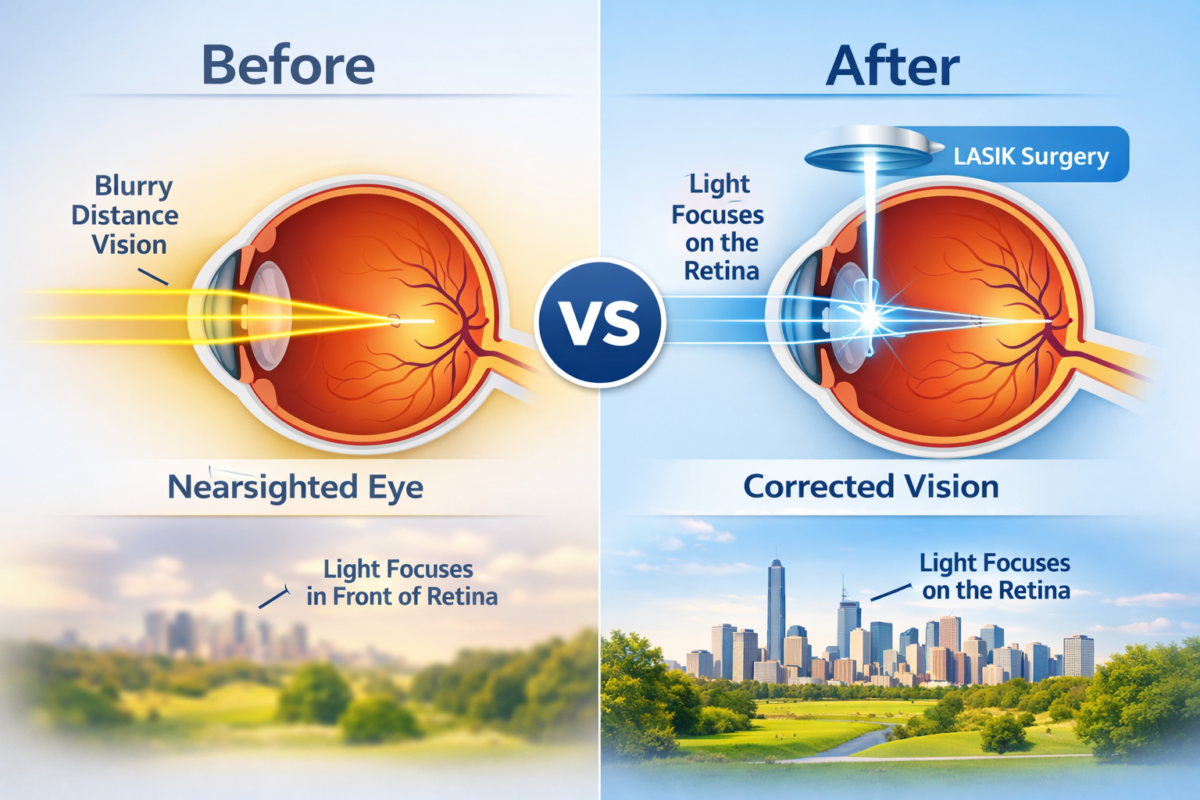
An IOL is an artificial lens implanted in your eye after the cloudy one is removed. It helps focus light properly onto the retina, improving vision significantly.
How IOLs Replace the Natural Lens
IOLs mimic the job of your eye’s natural lens—bending and focusing light. The big difference? You get to choose your vision now.
Types of Intraocular Lenses (IOLs)
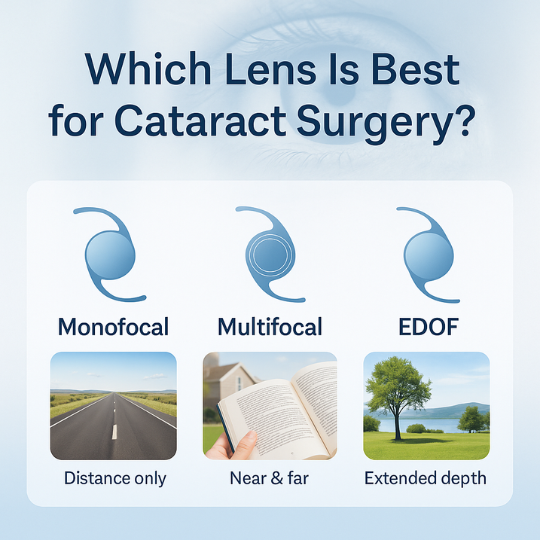
Monofocal IOLs
This is the most common and affordable lens option.
Pros:
- Excellent distance or near vision (but not both)
- Often covered by insurance
Cons:
- You’ll likely need glasses for either near or far vision
Multifocal IOLs
Think of these like bifocal or trifocal glasses—in lens form.
Pros:
- Can reduce or eliminate need for glasses
- Good for both distance and near vision
Cons:
- May cause halos or glare at night
- More expensive
Toric IOLs
Specifically designed for people with astigmatism.
Pros:
- Corrects both cataracts and astigmatism
- Sharp distance vision
Cons:
- Doesn’t help with near vision
- Premium cost
Extended Depth of Focus (EDOF) IOLs
These provide a continuous range of vision from distance to intermediate.
Pros:
- Less glare than multifocal lenses
- Great for computer users and active lifestyles
Cons:
- Reading glasses may still be needed
Light Adjustable Lenses (LALs)
The latest innovation—you can fine-tune your vision after surgery.
Pros:
- Most customizable lens
- High patient satisfaction
Cons:
- Requires multiple office visits
- Premium cost and availability

Factors to Consider When Choosing the Best Lens
Lifestyle Needs
Do you read a lot? Drive at night? Use screens constantly? Your daily habits matter more than you think.
Budget and Insurance
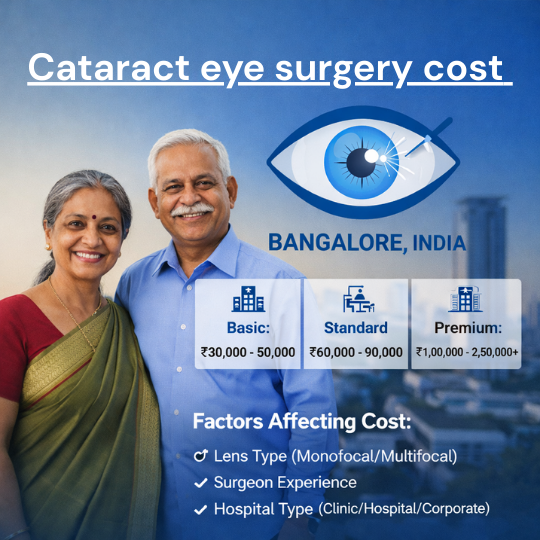
Basic monofocal lenses are covered under most insurance plans. Premium lenses can cost ₹60,000–₹150,000per eye in India, or more globally.
Pre-existing Eye Conditions
Glaucoma, macular degeneration, or corneal issues may rule out some lens types. Your eye surgeon will guide you.
Night Vision and Halos
Some lenses, especially multifocal ones, can cause nighttime halos or glare. If you drive at night a lot, this is worth discussing.
Comparison Table of Popular IOLs
| Lens Type | Vision Range | Astigmatism Correction | Cost (India Estimate) | Glasses Needed? |
|---|---|---|---|---|
| Monofocal | Distance or Near | No | ₹10,000–₹25,000 | Yes (for one range) |
| Multifocal | Distance + Near | No | ₹80,000–₹120,000 | Rarely |
| Toric | Distance | Yes | ₹50,000–₹80,000 | Yes (for near) |
| EDOF | Distance + Intermediate | Some brands do | ₹80,000–₹1,20,000 | Maybe |
| Light Adjustable Lens | Customizable after surgery | Yes (if toric model used) | ₹1.5 lakh+ | Minimal |
Top IOL Brands Recommended by Experts
Alcon AcrySof IQ Series
A widely trusted brand with monofocal, multifocal, toric, and EDOF options.
Johnson & Johnson Tecnis Line
Popular for their multifocal and Symfony (EDOF) lenses. Known for clarity and contrast.
Bausch + Lomb Crystalens
A premium accommodating lens that adjusts like your natural lens—to some extent.
Surgeon’s Role in Recommending the Best IOL
The best lens is not one-size-fits-all. Your surgeon evaluates:
- Corneal measurements
- Retinal health
- Pupil size
- Lifestyle habits
Trust their experience, but don’t be afraid to ask questions.
Which Lens is Best According to Age?
< 50 Years
- EDOF or LAL for long-term flexibility
- Multifocal if near vision is a concern
50–65 Years
- Multifocal or EDOF for active lifestyle
- Toric if astigmatism present
65+ Years
- Monofocal preferred for simplicity
- EDOF or multifocal if budget allows
Which Lens Is Best? A Personalized Answer
There’s no universal “best” lens—only the best lens for you.
- Want zero glasses? → Try Multifocal or EDOF
- Have astigmatism? → Consider Toric
- Want perfect night vision? → Stick to monofocal.
- Want to adjust later? → Go for Light Adjustable Lenses.
Pros and Cons Summary of Each Lens Type
| Lens Type | Pros | Cons |
|---|---|---|
| Monofocal | Reliable, covered by insurance | Needs glasses for some tasks |
| Multifocal | Reduced dependence on glasses | Halos/glare possible |
| Toric | Fixes astigmatism | Doesn’t help near vision |
| EDOF | Great for screens & daily life | Not perfect for reading |
| LAL | Custom vision | Expensive, needs follow-ups |
Conclusion
Choosing the right lens after cataract surgery is a life-changing decision. It’s not just about seeing—it’s about seeing your way. Whether you’re an avid reader, a tech enthusiast, or someone who enjoys stargazing, there’s a lens tailored to your needs.
Talk to your surgeon, think about your lifestyle, and don’t settle for a one-size-fits-all solution. Your eyes—and your quality of life—deserve the best.
Author Details:
Dr. Sushruth Appajigowda holds a prominent position as a cornea, cataract, glaucoma, and LASIK surgeon in Bangalore. He serves as the chief cataract and refractive surgeon at Vijaya Nethralaya Eye Hospital, Nagarbhavi, Bangalore. Renowned as one of the finest LASIK surgeons nationwide, he brings with him over 12+ years of experience across multiple LASIK platforms, including ZEISS, ALCON, SCHWIND, AMO, and Bausch and Lomb. Having successfully conducted over 5000 LASIK procedures, Dr. Sushruth holds the title of a Certified Refractive Surgeon and a Fellow of the All India Collegium of Ophthalmology. Furthermore, he stands as a distinguished speaker at various national and international forums, using his expertise to guide you in selecting the most suitable procedure based on your health requirements.

http://vijayanethralaya.com/link-in-bio/
FAQs
1. Can I choose the lens myself?
Yes, but it should be a joint decision between you and your surgeon based on your vision goals and eye health.
2. Are premium lenses worth the extra cost?
If reducing glasses dependence is important to you, then yes. Many find the added cost worthwhile.
3. Do IOLs last a lifetime?
Yes! Once implanted, IOLs are designed to last forever.
4. What if I have both cataracts and astigmatism?
A toric lens is your best option. It corrects both issues in a single surgery.
5. Can the lens be replaced after surgery?
In rare cases, yes. But it’s complex and usually avoided unless absolutely necessary.