
Introduction to Cataract and Intraocular Lenses (IOLs)
If your vision has gotten blurry, cloudy, or dim as you’ve aged, chances are you’re dealing with cataracts. Cataracts are incredibly common, especially after the age of 50, and thankfully, they’re very treatable with surgery and intraocular lenses (IOLs). But one question patients always ask is, which lens is the best for cataracts?
What is a cataract?
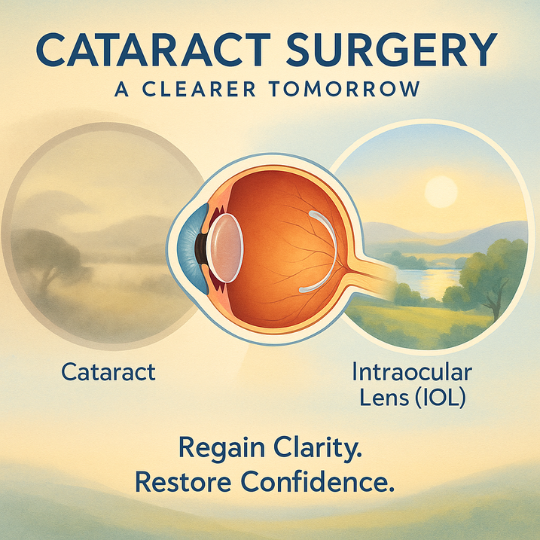
A cataract is when the natural lens in your eye becomes cloudy, making your vision blurry or yellowed. It’s like looking through a foggy window. Cataracts don’t go away on their own, but the good news? Cataract surgery can fix it—permanently.
What is Cataract Surgery?
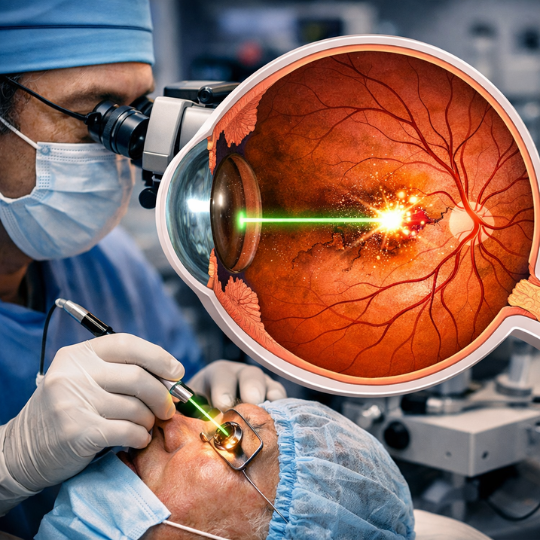
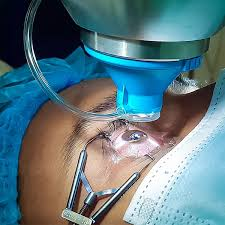
Cataract surgery involves removing your eye’s cloudy natural lens and replacing it with a clear artificial lens—called an intraocular lens or IOL. It’s quick, safe, and life-changing.
Role of Intraocular Lens (IOL)
The lens implanted during surgery becomes a permanent part of your eye. It’s what helps you focus and see clearly again—sometimes even better than before you had cataracts.
Types of Intraocular Lenses (IOLs)
There’s no one-size-fits-all solution. Each lens type offers unique benefits and trade-offs depending on your vision goals and budget.
Monofocal IOLs
The most commonly used IOL, monofocal lenses, are covered by most insurance policies and focus at a single distance—usually for distance vision.
Advantages of Monofocal Lenses
- Clear vision at one set distance (usually far)
- Lower cost
- Covered by most government or insurance plans
Limitations of Monofocal Lenses
- You’ll still need glasses for reading or computer work
Multifocal IOLs
Multifocal lenses offer multiple focus zones—near, intermediate, and distance—meaning you may not need glasses at all after surgery.
How They Work
These lenses split light into different focal points, enabling clear vision across multiple distances.
Pros and Cons
- Pros: Less dependence on glasses, especially for reading
- Cons: May cause halos or glare at night
Trifocal IOLs
Trifocal lenses, like Alcon’s PanOptix, are the next-gen of multifocal lenses. They offer clear vision at near, intermediate (computer), and distance all in one lens.
Benefits of Trifocal Technology
- True full-range vision
- Ideal for active lifestyles
- Widely considered the best for digital device users
Extended Depth of Focus (EDOF) Lenses
EDOF lenses like Tecnis Symfony provide a continuous range of vision instead of distinct focal points.
Ideal Use Cases
- People who use screens frequently
- Those who want reduced halos compared to multifocals
Toric IOLs (for Astigmatism Correction)
If you have astigmatism, toric lenses correct your refractive error while fixing the cataract—saving you from needing glasses.
Light Adjustable Lenses (LALs)
LALs are revolutionary. After surgery, the lens power can be adjusted using UV light to fine-tune your vision.
- Best for perfectionists or complex vision needs
- Not widely available in India (yet)

How to Choose the Right Lens for Cataracts
Choosing the right lens isn’t just about vision—it’s about lifestyle.
Factors That Influence Lens Choice
Age
Younger patients may want more range of vision without glasses, while older patients may prefer simplicity.
Lifestyle
Are you reading books, using phones, or driving a lot at night? Your lens should match your habits.
Visual Needs
If you’re an avid golfer, computer user, or reader, different lenses suit you better.
Budget and Insurance
Premium lenses cost more and may not be fully covered by insurance.
Surgeon Recommendations
Your eye surgeon evaluates your corneal health, pupil size, and retina to suggest the best IOL for you. Trust their input!
Patient Expectations
Be honest with your surgeon about your expectations—whether you’re okay using reading glasses or want complete spectacle independence.
Best IOLs Available in India and Globally
Here’s a quick breakdown of some leading IOLs available in India and around the world:
Alcon
- AcrySof IQ: Monofocal
- PanOptix: Trifocal (Premium)
Johnson & Johnson Vision
- Tecnis Monofocal
- Tecnis Symfony: EDOF
- Tecnis Synergy: Trifocal-EDOF hybrid
Zeiss
- AT LISA: Multifocal
- CT ASPHINA: Monofocal with excellent clarity
RxSight
- Light Adjustable Lens: Fully customizable after surgery
Monofocal vs Multifocal vs EDOF: A Quick Comparison
| Feature | Monofocal | Multifocal | EDOF |
|---|---|---|---|
| Glasses Needed | Yes (near or far) | Usually no | Rarely |
| Visual Range | Single | Multiple | Continuous |
| Night Glare | Low | Moderate | Low |
| Cost | Low | High | Moderate-High |
Common Myths About Cataract Lenses
- Myth 1: Expensive lenses are always better— Not true. It depends on your eye condition.
- Myth 2: All lenses eliminate glasses—some do, some don’t.
- Myth 3: You can change the lens anytime—IOLs are permanent. Choose wisely.
Cost Comparison of Cataract Lenses in India (2025)
| Lens Type | Price Range (INR per eye) |
|---|---|
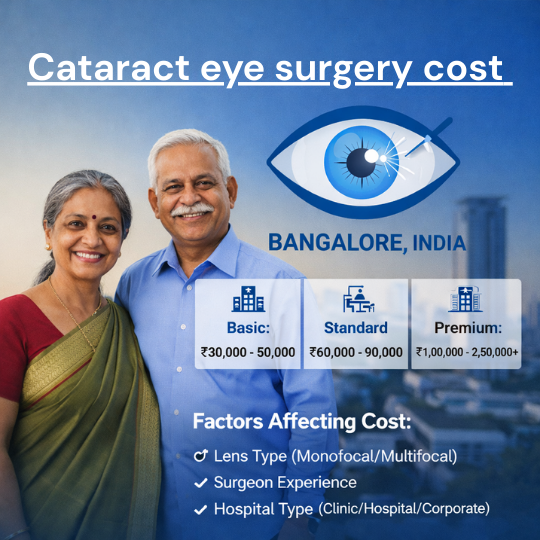
| Monofocal | ₹55,000–₹120,000 |
| Toric Monofocal | ₹25,000 – ₹40,000 |
| Multifocal | ₹35,000 – ₹70,000 |
| Trifocal | ₹50,000–₹110,000 |
| EDOF | ₹150,000+ (if available) |
| LAL (Light Adjustable) | ₹1,50,000+ (if available) |
What to Expect After Getting a Premium Lens
With premium IOLs, patients often report:
- Sharper, brighter vision
- Less dependency on glasses
- Some halos or glare at night (temporary)
- 1-2 weeks of adjustment period
Final Thoughts: Which IOL is Truly the Best?
There is no “one best lens” for cataracts. The best lens is the one customized to your eyes, your life, and your expectations. For many, trifocal or EDOF lenses provide the best balance. But for others, monofocal lenses work perfectly.
Speak openly with your cataract surgeon and let them help you choose your perfect fit.
Conclusion
Cataract surgery is a once-in-a-lifetime opportunity to not only fix your blurry vision but also upgrade it. Whether you go for a basic monofocal or a top-tier trifocal lens, what matters most is aligning your lifestyle with your visual goals. Don’t rush—talk to your eye doctor and choose the lens that helps you see life clearly again.
Author Details:
Dr. Sushruth Appajigowda holds a prominent position as a cornea, cataract, glaucoma, and LASIK surgeon in Bangalore. He serves as the chief cataract and refractive surgeon at Vijaya Nethralaya Eye Hospital, Nagarbhavi, Bangalore. Renowned as one of the finest LASIK surgeons nationwide, he brings with him over 12+ years of experience across multiple LASIK platforms, including ZEISS, ALCON, SCHWIND, AMO, and Bausch and Lomb. Having successfully conducted over 5000 LASIK procedures, Dr. Sushruth holds the title of a Certified Refractive Surgeon and a Fellow of the All India Collegium of Ophthalmology. Furthermore, he stands as a distinguished speaker at various national and international forums, using his expertise to guide you in selecting the most suitable procedure based on your health requirements.

http://vijayanethralaya.com/link-in-bio/
FAQs
1. Is it worth paying extra for a multifocal lens?
Yes, if you want minimal dependence on glasses, especially for reading or computer work. It’s a lifestyle investment.
2. Can I upgrade my IOL later?
Not easily. Unlike glasses, IOLs are permanent. That’s why it’s crucial to choose carefully upfront.
3. Will I still need glasses after cataract surgery?
With monofocal lenses, yes—for either near or distance. With multifocal or trifocal lenses, you may not need them at all.
4. How long do cataract lenses last?
They’re designed to last a lifetime. Most patients never need to replace them.
5. What is the safest IOL for cataracts?
Monofocal lenses have the longest safety track record. But modern multifocal and EDOF lenses are also very safe when chosen appropriately.