
Which Lens Is Best for Cataract Surgery?
Choosing the right lens for cataract surgery can feel a bit like standing in front of a massive restaurant menu—everything sounds good, but what’s actually best for you? Let’s break it down in simple, everyday language so you can walk into your cataract consultation feeling confident, informed, and relaxed.
Understanding Cataract Surgery Basics:
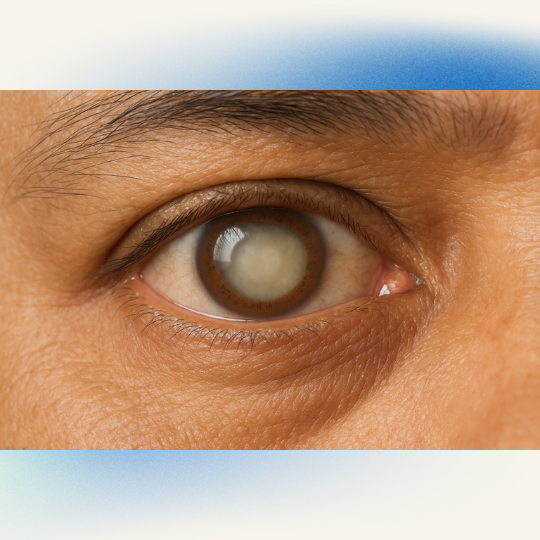
What Is a Cataract?
Imagine looking through a foggy car windshield that just won’t clear, no matter how much you wipe it. That’s what a cataract does to your vision. It’s the clouding of your eye’s natural lens, usually due to aging, diabetes, or prolonged sun exposure.
Why the Natural Lens Needs Replacement
Your natural lens loses its clarity over time. Cataract surgery removes this cloudy lens and replaces it with a clear artificial one, restoring sharp vision.
Role of Intraocular Lenses (IOLs)
This artificial lens is called an Intraocular Lens (IOL), and it stays in your eye for life. That’s why choosing the right one really matters.
What Is an Intraocular Lens (IOL)?
How IOLs Work
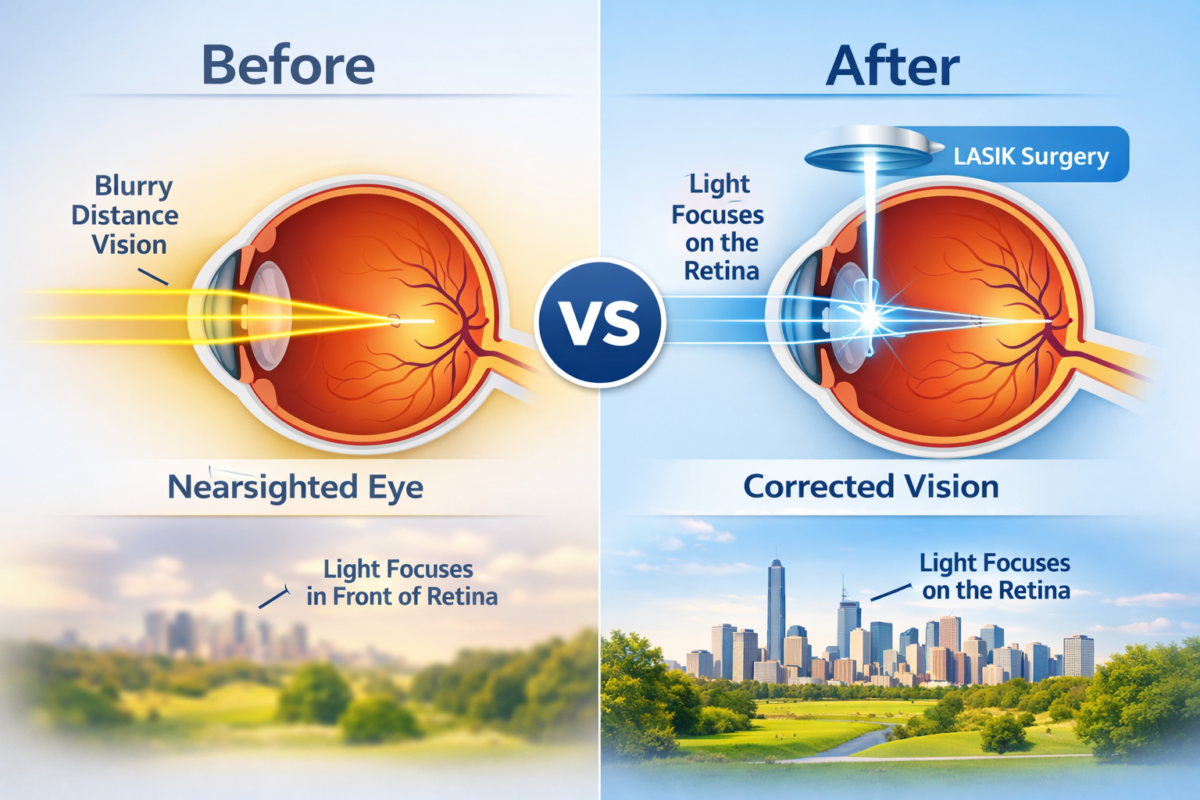
An IOL focuses light onto the retina, just like your natural lens did when it was healthy. Once implanted, you won’t feel it, see it, or need to replace it.
Materials Used in Cataract Lenses
Most modern IOLs are made from acrylic or silicone—safe, durable, and biocompatible.
Lifelong Nature of IOLs
Think of it as a one-time upgrade for your eyes. Choose wisely, because this lens is staying with you forever.
Factors That Decide the Best Lens for Cataract Surgery:
Age and Lifestyle
Do you read a lot? Drive at night? Use a mobile phone all day? Your daily habits strongly influence the best lens choice.
Existing Eye Conditions
Astigmatism, glaucoma, or retinal problems may limit certain premium lens options.
Budget and Expectations
Some lenses reduce dependence on glasses but cost more. Others are affordable and reliable but may still need spectacles.
Doctor’s Recommendation
Your eye surgeon’s advice is crucial. They consider eye health, test results, and visual goals before recommending a lens.
Monofocal Lens – The Most Common Choice
What Is a Monofocal IOL?
A monofocal lens provides clear vision at one distance only—usually far.
Advantages of Monofocal Lenses
- Excellent clarity
- Affordable
- Minimal visual disturbances
Limitations of Monofocal Lenses
- Glasses needed for near work
- No multi-distance correction
Who Should Choose Monofocal Lenses?
Ideal for age above 60 ho are comfortable wearing reading glasses and want a cost-effective solution.
Multifocal Lens—Clear Vision at Multiple Distances
What Is a Multifocal IOL?
Multifocal lenses split light to give vision at near, intermediate, and distance ranges.
Benefits of Multifocal Lenses
- Reduced dependence on glasses
- Good for reading, mobile use, and driving
Possible Side Effects
- Mild glare or halos at night
- Adaptation period needed
Ideal Candidates for Multifocal Lenses
People without retinal problems who want maximum freedom from spectacles.
Trifocal Lens – Advanced Vision Correction
What Makes Trifocal Lenses Different
They provide three clear zones: near, intermediate, and distance—more refined than standard multifocals.
Pros of Trifocal IOLs
- Excellent vision at all distances
- Great for active lifestyles
Cons of Trifocal IOLs
- Higher cost
- Not suitable for all eyes
Lifestyle Suitability
Perfect for professionals, frequent travelers, and tech-savvy users.
Extended Depth of Focus (EDOF) Lenses:
What Are EDOF Lenses?
EDOF lenses stretch the focus range rather than splitting light.
How EDOF Lenses Improve Vision
They offer sharp distance and intermediate vision with fewer halos.
EDOF vs Multifocal Lenses
EDOF lenses have better night vision comfort but may still need reading glasses for small print.
Toric Lens—For Cataracts with Astigmatism:
Understanding Astigmatism
Astigmatism causes blurred or distorted vision due to an irregular cornea.
How Toric Lenses Work
Toric IOLs correct both cataracts and astigmatism simultaneously.
Benefits of Choosing a Toric IOL
- Sharper vision
- Reduced dependence on cylindrical glasses
Aspheric vs Spheric Lenses
Optical Differences Explained
Aspheric lenses mimic the natural curvature of the eye better.
Why Aspheric Lenses Are Preferred
They provide improved contrast sensitivity and sharper night vision.
Blue Light Filtering Lenses
Purpose of Blue Light Filters
They reduce exposure to harmful blue light from digital screens.
Are They Necessary for Everyone?
Helpful for frequent screen users, but not mandatory for all patients.
Premium vs Standard Cataract Lenses
Key Differences
Premium lenses offer spectacle independence; standard lenses focus on affordability and clarity.
Cost vs Visual Comfort
The “best” lens isn’t the most expensive—it’s the one that fits your needs.
Which Cataract Lens Is Best for Different Age Groups?
For Patients Above 60
Monofocal or EDOF lenses are often sufficient.
For Working Professionals
Multifocal or trifocal lenses offer lifestyle convenience.
or others like above 60 age
Toric or EDOF lenses provide balance and clarity.
Doctor’s Role in Choosing the Best Cataract Lens
Pre-Surgery Tests
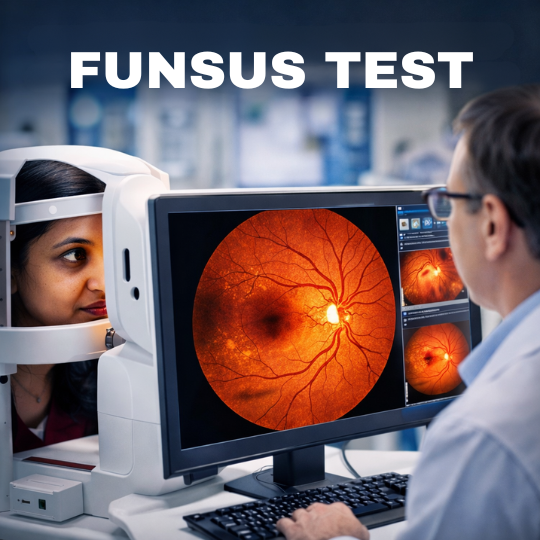
Eye length, corneal curvature, and retinal health—all are evaluated.
Personalized Lens Selection
No two eyes are the same. Customization is key.
Common Myths About Cataract Lenses
Expensive Means Best—True or False?
False. The best lens is the one that suits your eyes.
One Lens Fits All?
Absolutely not.
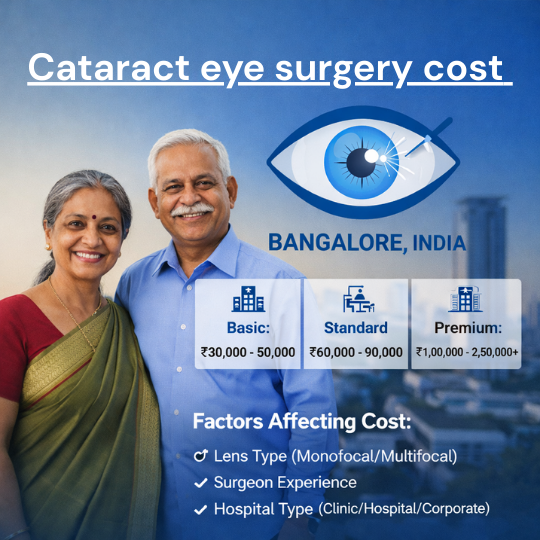
Cost of Different Cataract Lenses in India
Approximate Price Ranges
- Monofocal: ₹15,000–₹25,000
- Toric: ₹35,000–₹60,000
- Multifocal/Trifocal: ₹60,000–₹1,25,000
Value for Money Perspective
Long-term comfort matters more than upfront cost.
Final Checklist Before Choosing a Cataract Lens
Questions to Ask Your Eye Doctor
- Will I need glasses after surgery?
- Is this lens suitable for my eye condition?
Making an Informed Decision
Knowledge plus expert advice equals the best outcome.
Conclusion:
So, which lens is best for cataract surgery? The honest answer is—it depends on you. Your age, lifestyle, eye condition, and expectations all play a role. From simple monofocal lenses to advanced trifocal and EDOF options, modern cataract surgery offers something for everyone. Talk openly with your eye doctor, understand your options, and choose a lens that helps you see the world clearly again—without compromises.
Author Details:
Dr. Sushruth Appajigowda holds a prominent position as a Cornea, Cataract, Glaucoma, and LASIK Surgeon in Bangalore. He serves as the chief Cataract and Refractive surgeon at Vijaya Nethralaya Eye Hospital, Nagarbhavi Bangalore. Renowned as one of the finest LASIK surgeons nationwide, he brings with him over 12+ years of experience across multiple LASIK platforms, including ZEISS, ALCON, SCHWIND, AMO, and Bausch and Lomb. Having successfully conducted over 5000 LASIK procedures, Dr. Sushruth holds the title of a Certified Refractive Surgeon and a Fellow of the All India Collegium Of Ophthalmology. Furthermore, he stands as a distinguished speaker at various National and International Forums, using his expertise to guide you in selecting the most suitable procedure based on your health requirements.

http://vijayanethralaya.com/link-in-bio/
FAQs:
1. Can cataract surgery permanently remove the need for glasses?
Yes, with multifocal, trifocal, or EDOF lenses, many patients reduce or eliminate glasses.
2. Are premium cataract lenses safe?
Absolutely. They are FDA-approved and widely used.
3. Which lens is best for night driving?
Aspheric monofocal or EDOF lenses usually offer better night vision.
4. Can I choose different lenses for each eye?
Yes, in some cases, doctors recommend mix-and-match strategies.
5. How long do cataract lenses last?
A lifetime—no replacement needed.