
Introduction:
A child’s eyes develop rapidly in the first few years of life. Clear vision plays a major role in how children learn, explore, and understand the world. When should a child get their first eye test? If an eye problem goes unnoticed in childhood, it can become a lifelong issue. That’s why parents must know exactly when to schedule the first eye test.
Why Children’s Eye Health Matters
More than 80% of learning is visual—reading, writing, recognizing faces, and even playing. If the vision isn’t clear, a child may struggle silently.
How Early Detection Prevents Lifelong Problems
Conditions like lazy eye (amblyopia) are treatable only in childhood. The earlier the diagnosis, the easier the treatment.
The Ideal Age for a Child’s First Eye Test:
Here’s the recommended timeline for early eye exams:
1. First Eye Check at 6 Months
A basic eye screening is recommended at 6 months to check:
- Eye movements
- Eye alignment
- Response to light
This ensures the eyes are developing normally.
2. Comprehensive Exam at 3 Years
At 3 years, a complete eye exam helps detect:
- Refractive errors (spectacle power)
- Lazy eye
- Squint
This is the age when early learning starts — clear vision is crucial.
3. School Readiness Test at 5–6 Years
Before the child enters school, they must undergo another exam to ensure:
- They can see the board
- They can read without strain
- Their eyes work well together
Why Early Eye Tests Are Important:
Vision Helps 80% of Learning
Children learn shapes, words, colors, and patterns through their eyes.
Detecting Issues Before School
A child may appear “slow” in class when the real issue is blurred vision.
Identifying Silent Conditions
Many eye problems don’t show obvious symptoms. Only an exam can detect them.
Signs Your Child May Need an Eye Exam Sooner:
Physical Symptoms
- Squinting
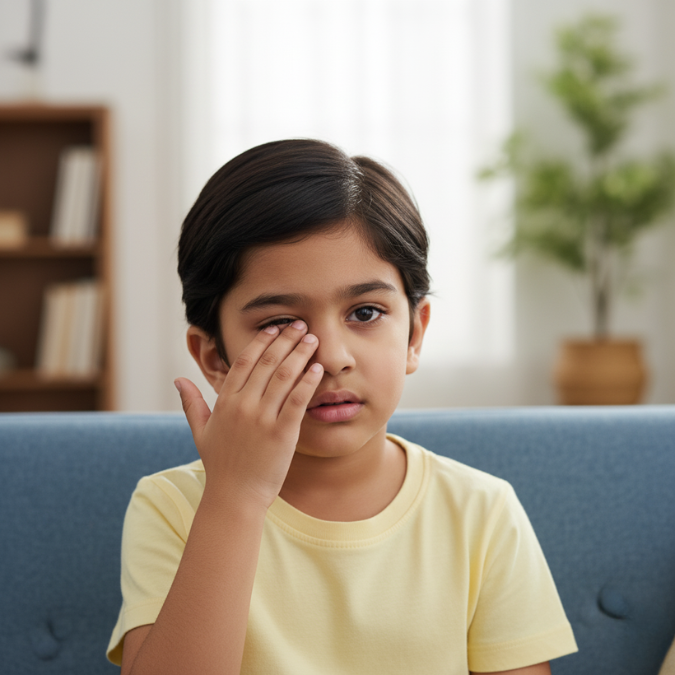
- Frequent eye rubbing
- Red or watery eyes
- Sensitivity to light
Behavioral Symptoms
- Holding books too close
- Sitting very near the TV
- Tilting the head regularly
School Performance-Related Symptoms
- Difficulty reading
- Complaints of headache
- Losing place while reading
If you notice these signs, get an eye test immediately.
Common Childhood Eye Problems:
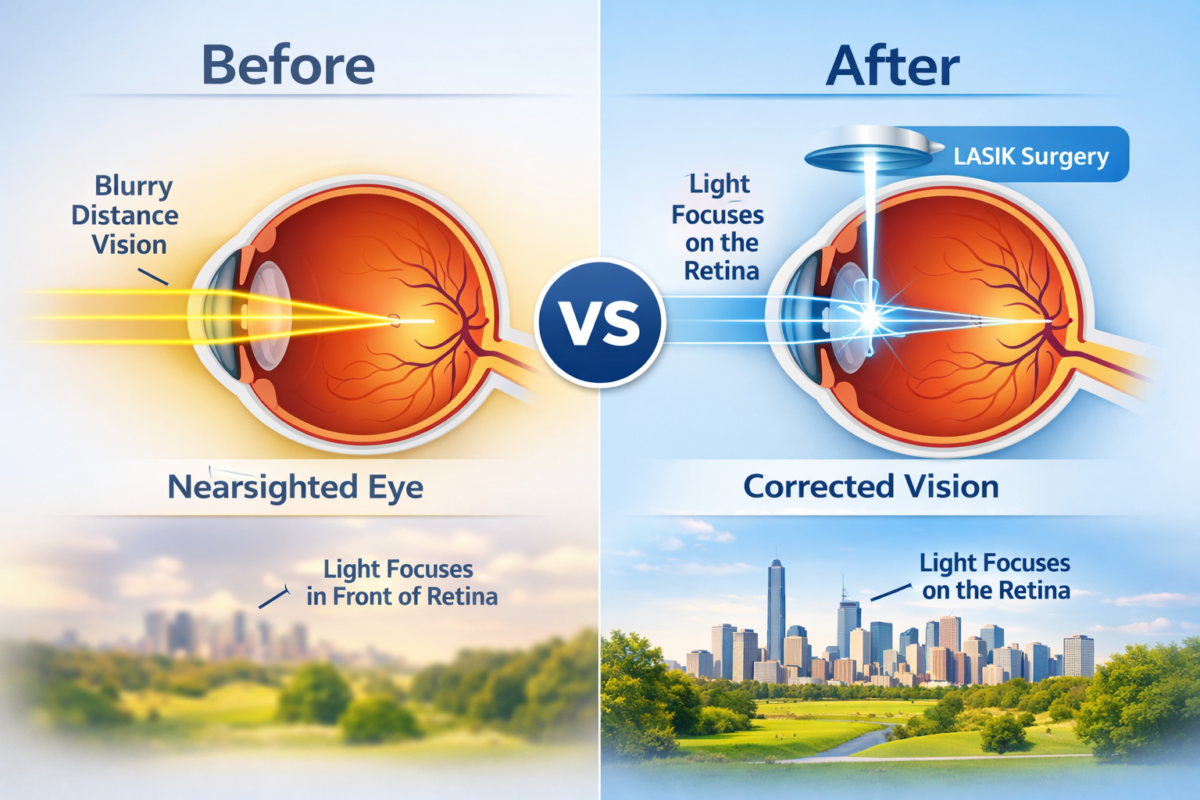
Myopia (Nearsightedness)
Kids can see near objects clearly but distant objects appear blurry.
Lazy Eye (Amblyopia)
One eye becomes weaker—treatable only in early childhood.
Squint (Strabismus)
Eyes don’t align properly. Early treatment prevents permanent vision loss.
Astigmatism
Causes blurred or distorted vision at all distances.
Refractive Errors
Spectacle power issues that affect daily learning and comfort.
What Happens During a Child’s Eye Test?
Vision Check
Using charts, symbols, or pictures.
Eye Alignment & Focusing
To detect squint or lazy eye.
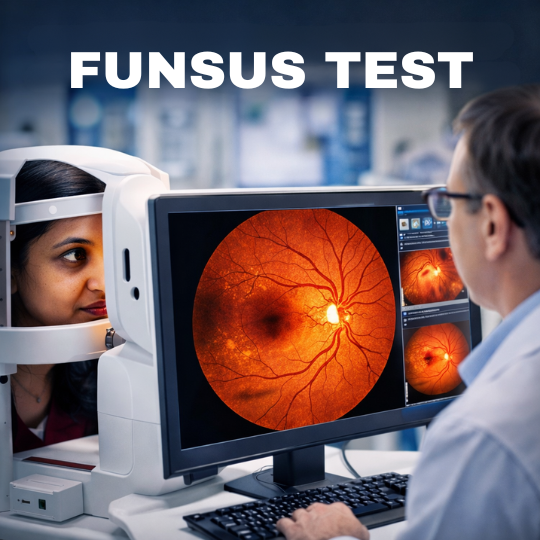
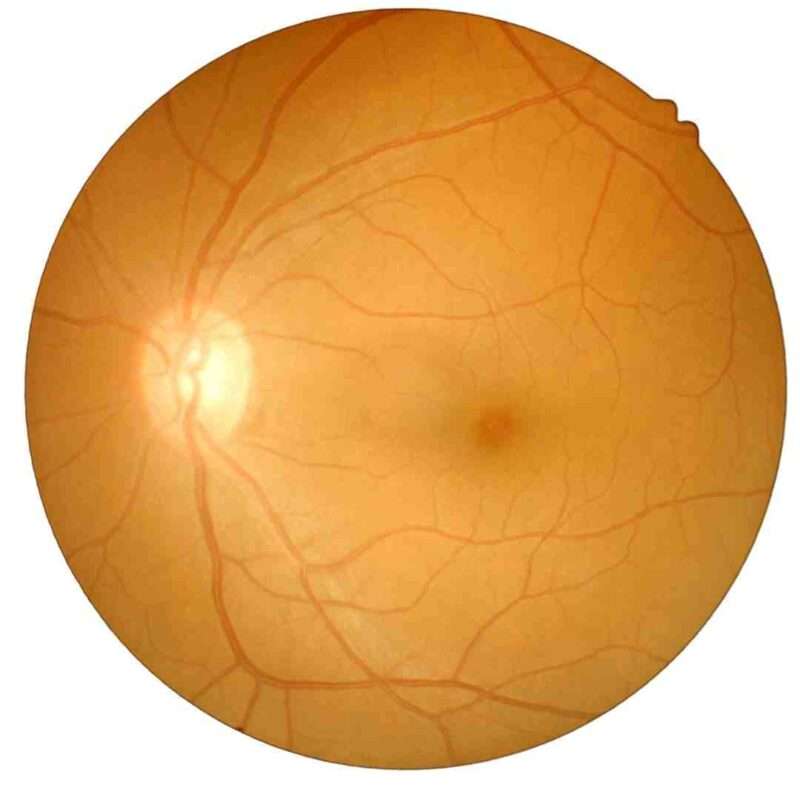
Retina & Optic Nerve Evaluation
To ensure eye health from the inside.
Child-friendly tools make the process painless and fun.
How Often Should Children Get Eye Tests?
Testing Frequency by Age
- 6 months
- 3 years
- 5–6 years
- Every 1–2 years after that
High-Risk Children
More frequent tests are needed if:
- Parents wear high-power glasses
- The child is premature
- There is a family history of eye disease
- Child uses screens excessively
Screens and Eye Health:
Digital Strain in Kids
Too much screen time causes:
- Headaches
- Blurred vision
- Dry eyes
- Early myopia
Safe Screen-Time Guidelines
- Under 2 years: No screens
- 2–5 years: 1 hour/day
- 5–12 years: 2 hours/day
- Follow 20-20-20 rule
Benefits of Early Eye Testing:
Better Academic Performance
Clear vision = better focus, reading, and writing.
Preventing Vision Problems
Early tests help slow or stop conditions like myopia.
How Parents Can Support Eye Health at Home:
Outdoor Time
At least 2 hours/day reduces the risk of myopia.
Nutrition for Strong Eyes
Include:
- Carrots
- Leafy greens
- Eggs
- Nuts
- Fish
Healthy Screen Habits
Ensure regular breaks, good lighting, and correct posture.
When to Visit an Eye Specialist:
Pediatric Ophthalmologist vs Optometrist
A pediatric ophthalmologist specializes in children’s eye diseases.
Emergency Symptoms
Seek immediate care for:
- Sudden vision loss
- Eye injury
- Persistent redness or pain
Conclusion:
A child’s first eye test should ideally happen by 6 months, with follow-up exams at 3 years, 5–6 years, and regularly after that. Early detection is the key to preventing lifelong vision issues. As a parent, staying proactive about eye health gives your child the best chance for strong vision — and strong learning — in the future.
Author Details:
Dr. Sushruth Appajigowda holds a prominent position as a Cornea, Cataract, Glaucoma, and LASIK Surgeon in Bangalore. He serves as the chief Cataract and Refractive surgeon at Vijaya Nethralaya Eye Hospital, Nagarbhavi Bangalore. Renowned as one of the finest LASIK surgeons nationwide, he brings with him over 12+ years of experience across multiple LASIK platforms, including ZEISS, ALCON, SCHWIND, AMO, and Bausch and Lomb. Having successfully conducted over 5000 LASIK procedures, Dr. Sushruth holds the title of a Certified Refractive Surgeon and a Fellow of the All India Collegium Of Ophthalmology. Furthermore, he stands as a distinguished speaker at various National and International Forums, using his expertise to guide you in selecting the most suitable procedure based on your health requirements.

Book Your Appointment Now
http://vijayanethralaya.com/link-in-bio/
FAQs:
1. Can my child get an eye test even if they can’t read?
Yes! Doctors use picture charts and lights for young children.
2. How long does a child’s eye test take?
Usually 15–30 minutes.
3. Is dilating the eyes safe for kids?
Yes, it is safe and necessary for accurate results.
4. Are school eye checkups enough?
No, they only detect major problems. A full exam is still needed.
5. What age is too late for treating lazy eye?
Best results are before 7 years, but treatment can still help later.