

Understanding Myopia: A Clear Medical Overview
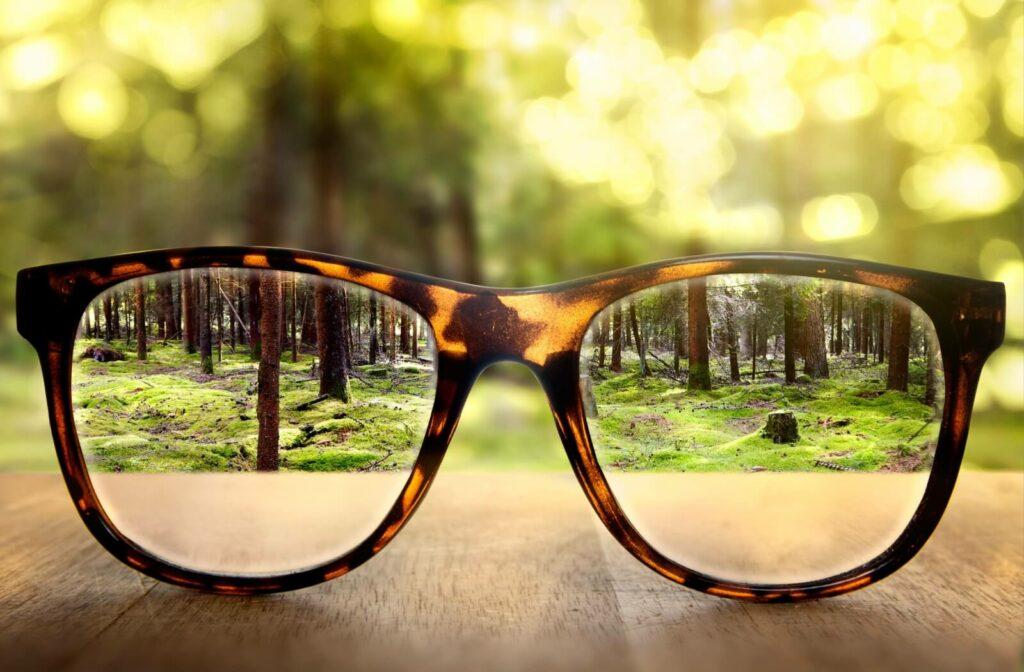
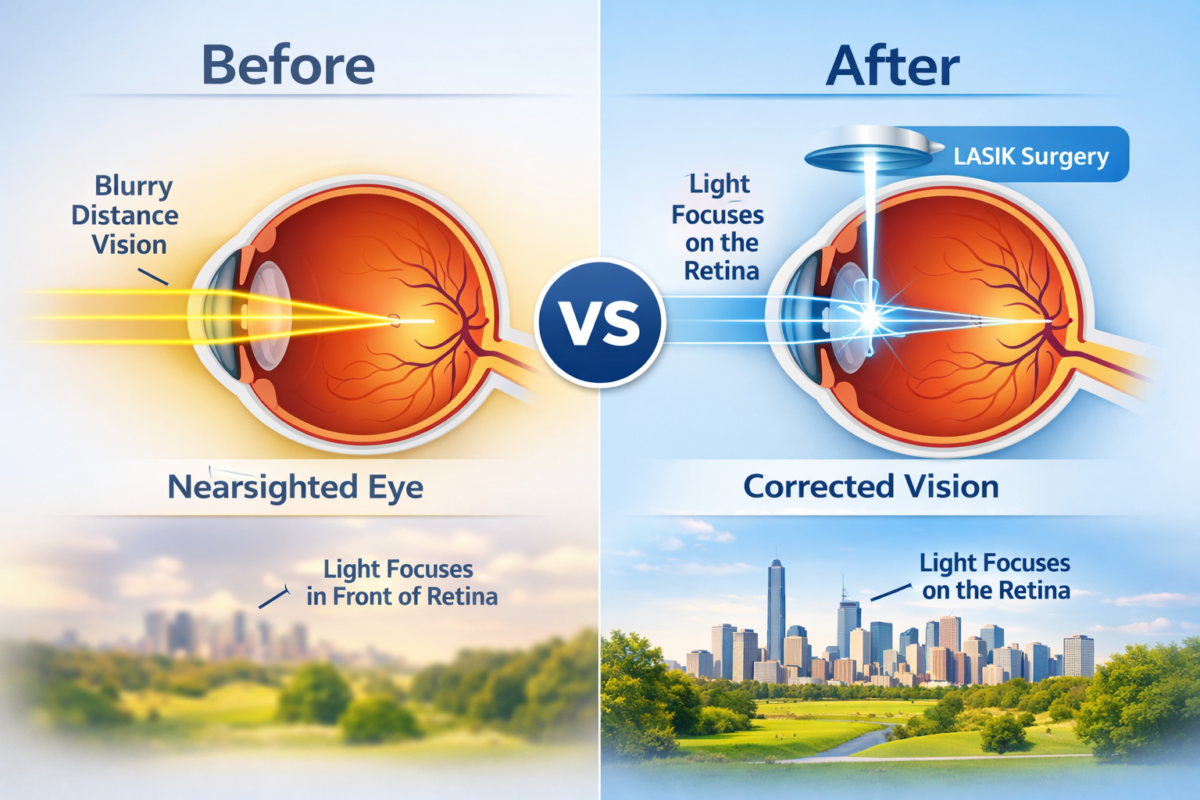
Myopia, commonly called nearsightedness, is a vision condition where close objects appear clear, but distant objects look blurry. This happens when light entering the eye focuses in front of the retina instead of directly on it. It is one of the most common eye conditions worldwide, affecting children and adults alike.
As the condition progresses, the eye becomes longer than normal from front to back. This change in eye shape increases the refractive error, which is measured in diopters (D). The higher the negative diopter value, the stronger the vision correction required. While many people live comfortably with mild nearsightedness, extreme cases can significantly affect eye health and overall quality of life.
Understanding the upper limits of this condition is especially important as global rates of vision impairment continue to rise.
How it Is Measured in Diopters
Diopters are the unit used to measure refractive error. A prescription of -1.00 D indicates mild myopia, while stronger prescriptions such as -10.00 D or more reflect severe visual impairment. The more negative the number, the blurrier distant vision becomes without correction.
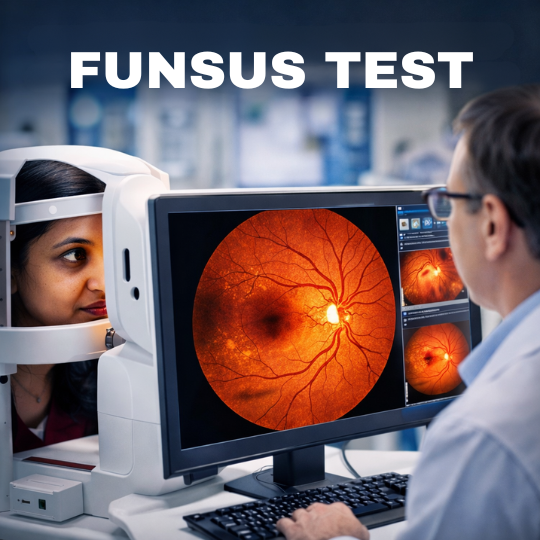
Eye care professionals use refraction tests, retinal imaging, and axial length measurements to determine the severity of myopia accurately.

What Is Considered High Myopia in Medicine?
Low, Moderate, and High Nearsightedness Explained
Medical professionals classify nearsightedness into distinct categories:
- Low nearsightedness: Up to −3.00 D
- Moderate nearsightedness: Between −3.00 D and −6.00 D
- High nearsightedness: Greater than −6.00 D
When nearsightedness exceeds −6.00 diopters, it is considered severe and is associated with a higher risk of eye-related diseases.
Clinical Thresholds Used by Eye Specialists
In many clinical settings, refractive errors above −8.00 D to −10.00 D raise serious concern. At these levels, the eye’s structure is placed under significant stress, making regular monitoring and specialized care critical.
What Is the Highest Myopia Ever Recorded?
The highest levels of myopia documented in medical literature are rare but striking. Some reported cases have exceeded -20.00 diopters, and in exceptional situations, prescriptions have reached -25.00 D to -30.00 D. These cases are often classified as pathological or degenerative myopia.
So, what is the highest myopia? From a medical standpoint, there is no absolute maximum limit. However, anything beyond -20.00 D is considered extremely rare and medically severe.
Can Myopia Exceed -20.00 Diopters?
Yes, but it is uncommon. It usually develops due to genetic disorders or abnormal eye growth and often comes with serious retinal complications.
Causes of Extreme and Pathological Myopia
Genetic Factors
Family history plays a major role. If one or both parents have high myopia, the risk increases significantly. Certain inherited connective tissue disorders can also contribute to extreme eye elongation.
Environmental and Lifestyle Influences
- Excessive near work (reading, screens)
- Limited outdoor exposure during childhood
- Poor visual habits over long periods
These factors do not usually cause extreme myopia alone but can worsen genetic predisposition.
Risks and Complications of Very High Myopia
High and extreme myopia are not just vision problems—they are eye health conditions.
Retinal Detachment
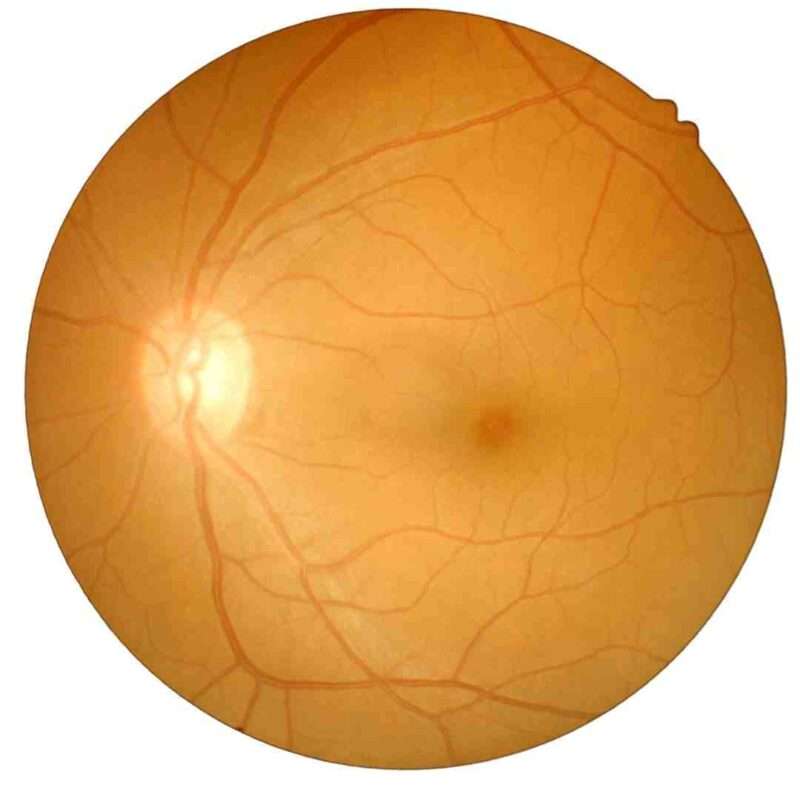
The stretched retina becomes thinner and more fragile, increasing the risk of tears and detachment.
Myopic Macular Degeneration
Damage to the central retina can lead to permanent vision loss.
Glaucoma and Cataracts
Highly myopic eyes are more prone to increased eye pressure and early cataract development.
Diagnosis and Monitoring of Severe Myopia
Regular eye exams are essential. Eye doctors may use:
- Dilated retinal exams
- Optical coherence tomography (OCT)
- Ultrasound or axial length scans
Frequent monitoring helps detect complications early.
Treatment Options for High and Extreme Myopia
Glasses and Contact Lenses
Special high-index lenses reduce thickness and improve comfort. Custom contact lenses may offer better visual clarity.
Surgical and Non-Surgical Interventions
- Implantable contact lenses (ICL)
- Refractive lens exchange
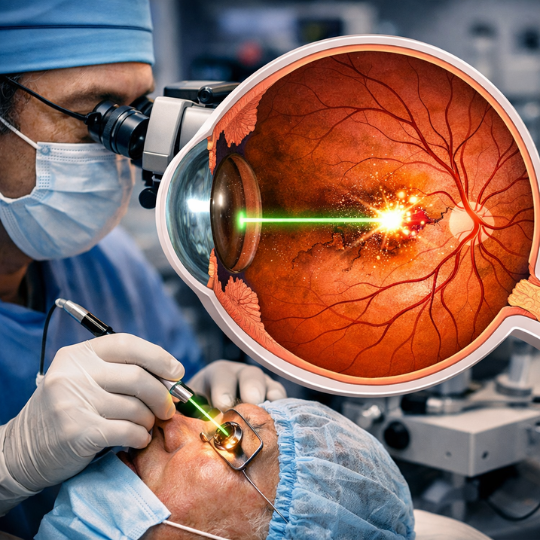
- Laser surgery (limited for extreme cases)
Not all patients qualify, especially at very high diopter levels.
Can High Myopia Be Prevented or Slowed?
It Control in Children
Early intervention is key. Strategies include:
- Increased outdoor time
- Low-dose atropine eye drops
- Orthokeratology (overnight lenses)
These methods aim to slow progression rather than cure myopia.
Living With Extremely High Myopia
People with severe myopia can live full lives with proper care. Protective eyewear, regular eye checkups, and awareness of warning signs like flashes or floaters are crucial. Support from eye care specialists makes long-term management safer and more effective.
Conclusion
Understanding what the highest level of nearsightedness is helps highlight why early detection, prevention, and proper eye care matter so much. While extreme vision conditions can reach astonishing levels, modern eye care offers effective tools to manage risks and protect eyesight. With greater awareness, regular monitoring, and professional guidance, even individuals with severe visual impairment can maintain a good quality of life.
Frequently Asked Questions (FAQs)
1. Is there a maximum limit to myopia?
There is no fixed upper limit, but myopia beyond -20.00 D is considered extremely rare.
2. Is extreme myopia the same as blindness?
No. Vision can often be corrected, but the risk of eye disease is higher.
3. Can LASIK fix very high myopia?
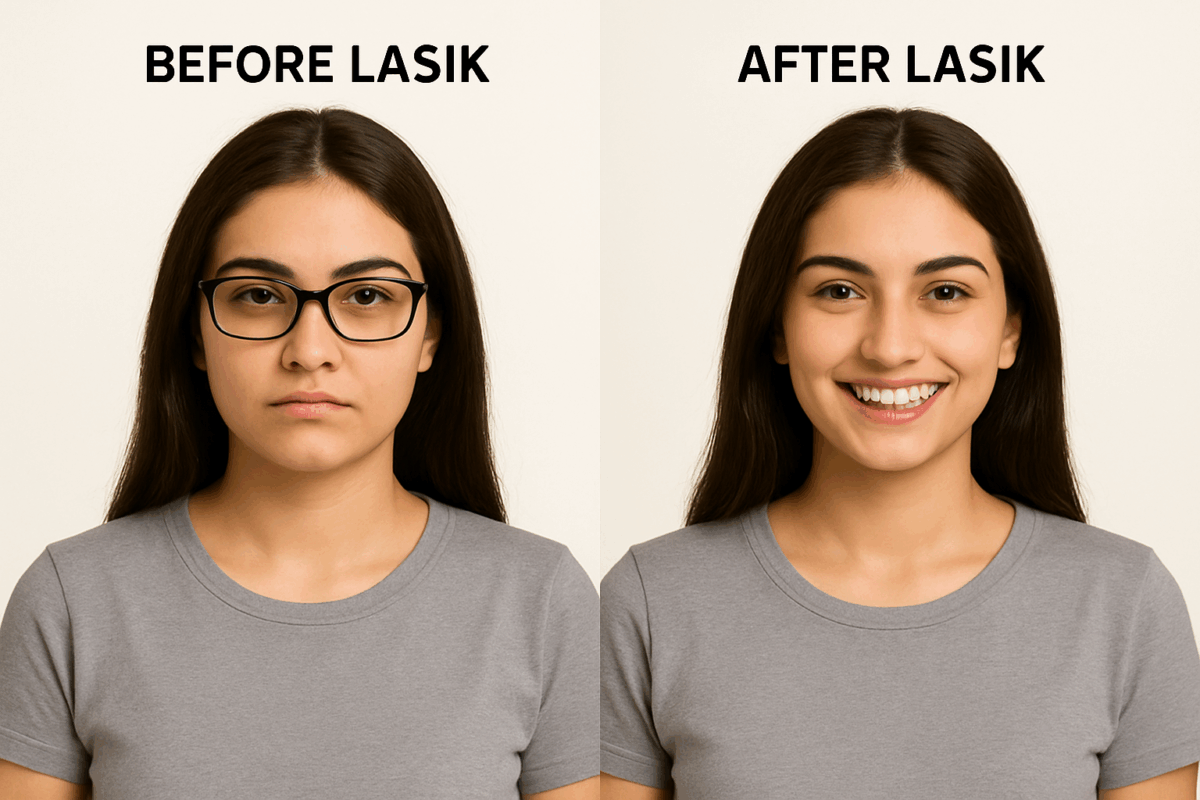
LASIK is usually not recommended for extreme myopia due to safety concerns.
4. Does high myopia always get worse with age?
It often stabilizes in adulthood, but complications can still develop.
5. Is high myopia a disability?
It may qualify as a visual impairment depending on severity and correction limits.