
Introduction
If your doctor diagnosed a retinal condition, they may have recommended Avastin. Doctors originally developed Avastin as a cancer treatment, but now they widely use it off-label to treat various eye diseases. This powerful drug has changed how ophthalmologists manage vision loss in millions of people worldwide.
In this article, we break down everything you need to know—from how Avastin works, the conditions it treats, what to expect during treatment, potential side effects, and how it compares to similar medications.

How Does Avastin Work?
The Science Behind Avastin
Avastin (Bevacizumab) is a monoclonal antibody. Scientists designed a lab-made protein to target and neutralize a specific molecule in the body—vascular endothelial growth factor (VEGF). VEGF is responsible for the formation of new blood vessels, a process called angiogenesis. While angiogenesis is vital in healing and development, in the eye, abnormal VEGF activity can cause harmful blood vessels to grow and leak—leading to vision problems.
Anti-VEGF Properties Explained
Avastin prevents the formation of abnormal blood vessels by inhibiting VEGF, the protein responsible for their growth. This makes it especially effective in:
- Reducing fluid buildup in the retina
- Preventing further vision deterioration
- Stabilizing or even improving visual acuity
The results? Many patients report dramatic improvements in vision, especially when treatment is started early.

What Conditions Are Treated with Avastin?
Wet Age-Related Macular Degeneration (Wet AMD)
Wet AMD is one of the most common uses of Avastin in ophthalmology. This condition causes unusual blood vessels to form beneath the retina, leading to fluid and blood leakage. Avastin helps halt this growth and restore central vision in many cases.
Diabetic Retinopathy and Diabetic Macular Edema
Diabetes can cause damage to blood vessels in the retina. Avastin helps by:
- Reducing swelling in the macula
- Preventing leakage
- Improving retinal thickness
It’s a cost-effective option compared to other anti-VEGF drugs.
Retinal Vein Occlusion
In cases where a retinal vein gets blocked, pressure builds up and causes leakage. Avastin injections can help relieve the pressure, reduce swelling, and restore visual clarity.
What Happens During Avastin Treatment?
Initial Consultation
Your ophthalmologist will perform a comprehensive eye exam, which may include
- Optical coherence tomography (OCT)
- Fluorescein angiography
- Visual acuity tests
Once diagnosed, you’ll receive a treatment plan.
Intravitreal Injection Procedure
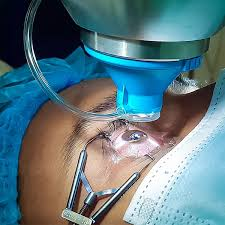
Doctors administer Avastin through an intravitreal injection, using a fine needle to place the medication directly into the eye’s vitreous gel.
Steps include:
- Numbing the eye with anesthetic drops
- Cleaning the area to prevent infection
- Quick injection, usually painless
- Eye patch application (optional)
The entire procedure takes about 10–15 minutes.
Post-Treatment Care
After your injection:
- You might experience mild irritation
- Avoid rubbing your eye
- Attend follow-up visits to monitor progress
Most patients receive monthly injections initially, which taper off depending on response.

What Are the Risks of Avastin Treatment?
Common Side Effects
These are usually mild and temporary:
- Eye redness
- Sensation of a foreign body
- Tearing or dryness
Rare Complications
Though uncommon, serious issues can include:
- Endophthalmitis (infection inside the eye)
- Retinal detachment
- Increased intraocular pressure
Who Should Avoid Avastin?
Consult your doctor if you:
- Have an eye infection
- Are you allergic to bevacizumab?
- Are pregnant or breastfeeding
Avastin vs. Other Anti-VEGF Drugs
| Feature | Avastin | Lucentis | Eylea |
|---|---|---|---|
| FDA-Approved for Eyes | ❌ | ✅ | ✅ |
| Cost per Dose | ₹2,000–₹4,000 | ₹30,000+ | ₹25,000+ |
| Effectiveness | ✅ | ✅ | ✅ |
| Dosing Frequency | Monthly (varies) | Monthly | Every 1–2 months |
Avastin is the go-to for patients looking for a budget-friendly option without sacrificing efficacy.
Cost and Accessibility of Avastin
In India, Avastin costs around ₹2,000 to ₹4,000 per injection, making it the most affordable option among anti-VEGF drugs. It’s available in most major eye hospitals and pharmacies.
when prescribed by a retina specialist.
Conclusion
Avastin may not have been designed for the eye, but it’s saving the sight of millions. With its powerful VEGF-blocking abilities, affordable cost, and proven track record, Avastin has earned its place in modern ophthalmology. Whether you’re battling AMD, diabetic retinopathy, or retinal vein occlusion, this drug offers hope, clarity, and a second chance at vision.
Before starting treatment, consult your retina specialist and weigh all options—but don’t overlook Avastin. It might just be the vision-saving answer you’ve been looking for.
Author Details:
Dr. Sushruth Appajigowda holds a prominent position as a cornea, cataract, glaucoma, and LASIK surgeon in Bangalore. He serves as the chief cataract and refractive surgeon at Vijaya Nethralaya Eye Hospital, Nagarbhavi, Bangalore. Renowned as one of the finest LASIK surgeons nationwide, he brings with him over 12+ years of experience across multiple LASIK platforms, including ZEISS, ALCON, SCHWIND, AMO, and Bausch and Lomb. Having successfully conducted over 5000 LASIK procedures, Dr. Sushruth holds the title of a Certified Refractive Surgeon and a Fellow of the All India Collegium of Ophthalmology. Furthermore, he stands as a distinguished speaker at various national and international forums, using his expertise to guide you in selecting the most suitable procedure based on your health requirements.

http://vijayanethralaya.com/link-in-bio/
FAQs
1. Is Avastin safe for eye use?
Yes, when prepared and administered correctly by a trained specialist, Avastin is considered safe and effective.
2. How often will I need Avastin injections?
Usually once a month initially, then based on your response. Some patients transition to bi-monthly or PRN (as-needed) dosing.
3. Can Avastin cure my eye disease?
Avastin controls and manages the condition but does not provide a permanent cure. Ongoing treatment may be required.
4. Are there alternatives to Avastin?
While Lucentis and Eylea are FDA-approved options, they typically come at a much higher cost than Avastin.
5. Is Avastin painful?
Most patients report minimal to no pain due to numbing drops used before the injection.
6. Where can I get Avastin treatment in India?
Avastin is available at leading eye hospitals across India. Be sure to consult a retina specialist.