

Introduction to Laser Eye Surgery
If you’ve ever fumbled around for your glasses first thing in the morning or struggled with dry contact lenses during a long day, you’ve probably wondered: Is laser eye surgery worth it? And more importantly, how much does it actually cost? The cost of laser eye surgery is often the first—and biggest—question people ask before considering the procedure. It’s not just about numbers; it’s about value, safety, and long-term benefits.
Laser eye surgery has transformed the lives of millions worldwide by reducing or eliminating the need for glasses and contact lenses. In India, it has become increasingly accessible, with advanced technology available in major cities like Delhi, Mumbai, Bangalore, and Chennai. In the United States, it remains a popular elective procedure for vision correction, though pricing varies significantly depending on location and technology.
The price of laser eye surgery can range from ₹20,000 to ₹1,50,000 per eye in India (approximately $240 to $1,800), while in the United States, it typically ranges from $1,000 to $3,500 per eye (approximately ₹83,000 to ₹2,90,000). That’s a wide range, right? So what explains the difference? Is the higher price always better? Or can affordable options still be safe and effective?
In this comprehensive guide, we’ll break down the cost of laser eye surgery in both Indian rupees and US dollars, explore what factors influence the price, and help you decide whether the investment makes sense for you.
What Is Laser Eye Surgery and How Does It Work?
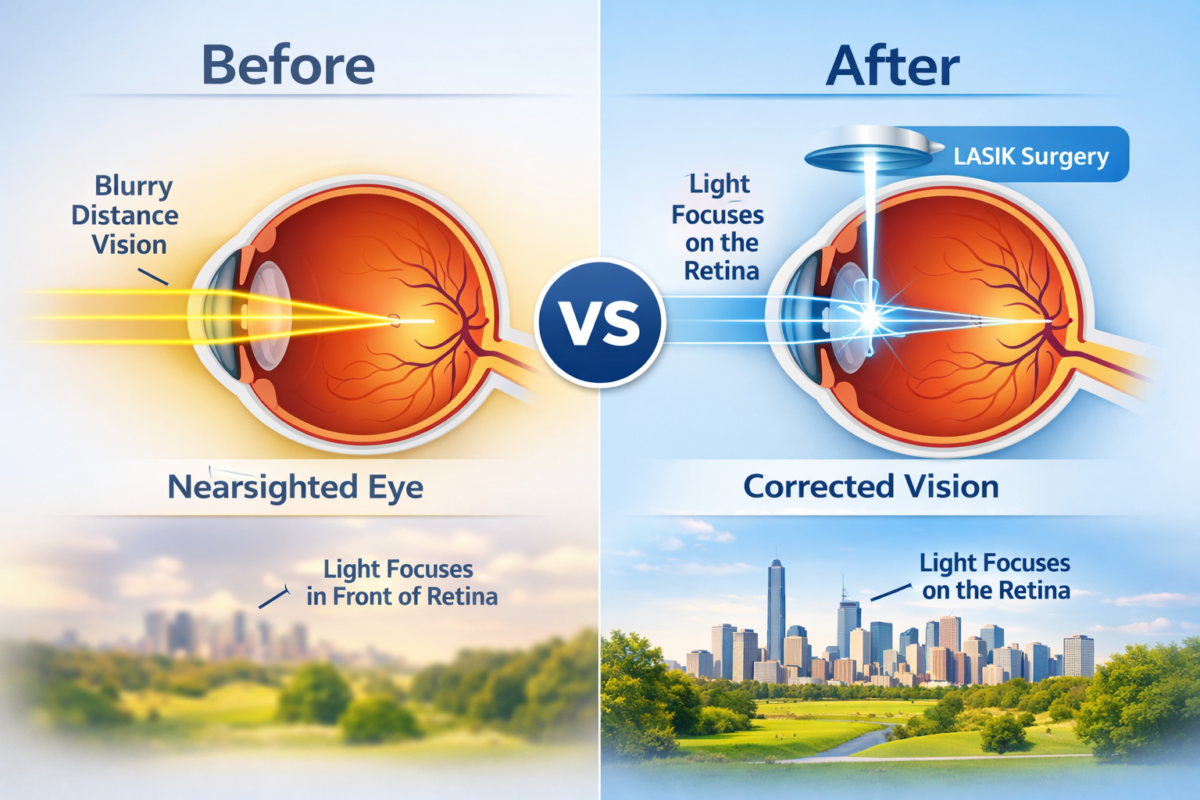
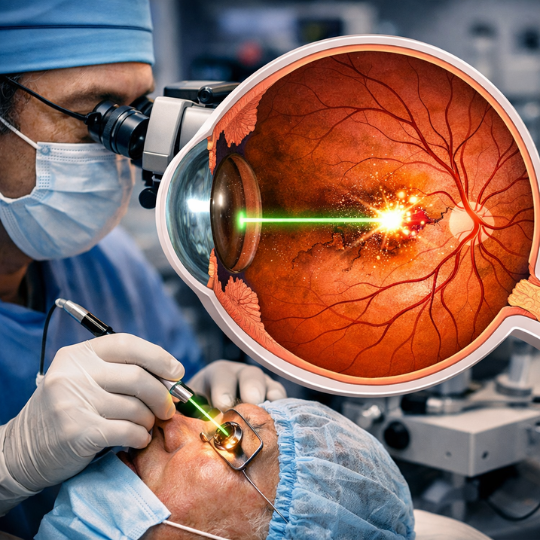
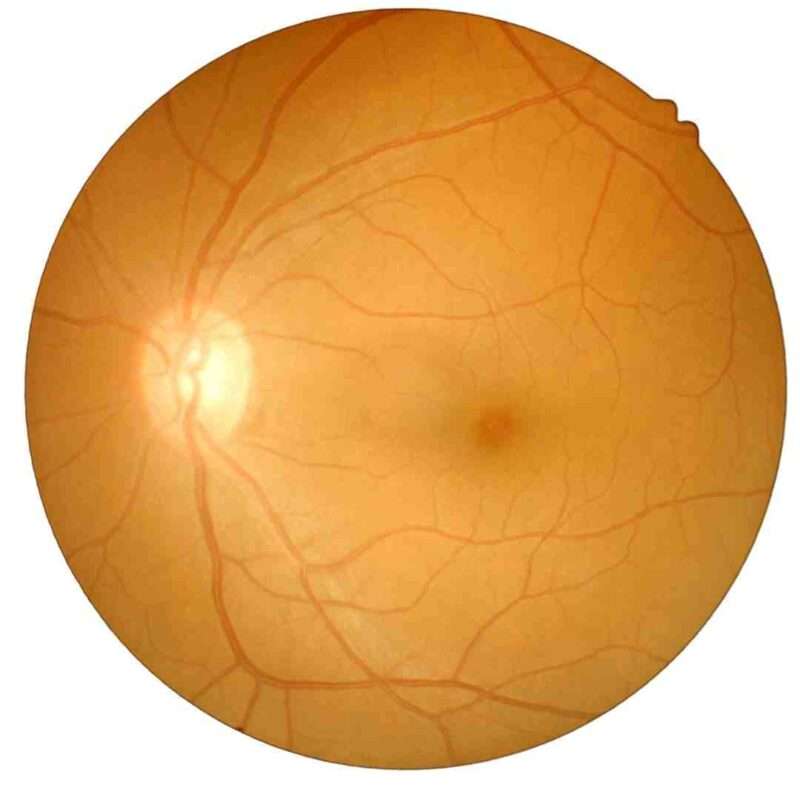
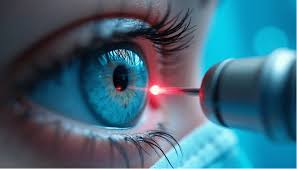
Before diving deeper into pricing, let’s quickly understand what you’re actually paying for. Laser eye surgery is a medical procedure that reshapes the cornea—the clear front part of your eye—to correct refractive errors like myopia (nearsightedness), hyperopia (farsightedness), and astigmatism. Think of your cornea like a camera lens. If it’s not shaped properly, your vision appears blurry. Laser surgery fine-tunes that lens so light focuses correctly on the retina.
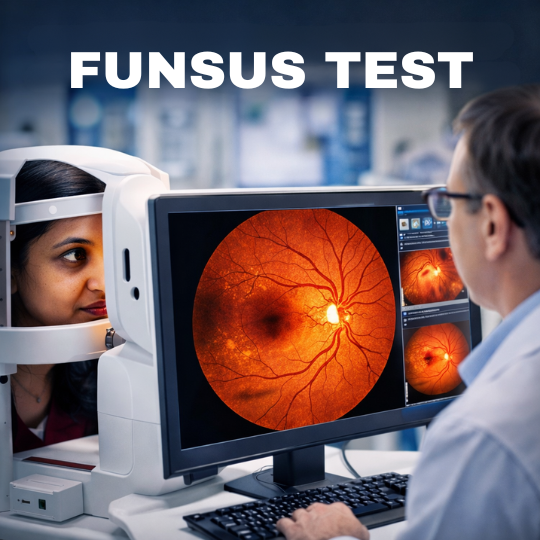
The procedure typically takes about 10 to 15 minutes for both eyes. Most patients notice improved vision within 24 to 48 hours. It’s fast, relatively painless, and highly effective. But behind that quick procedure lies sophisticated technology, trained surgeons, diagnostic tests, and post-operative care—all of which influence the final cost.
Different procedures use different technologies. Some involve creating a corneal flap (like LASIK), while others reshape the cornea’s surface (like PRK). Newer techniques like SMILE use minimally invasive methods. Each method has its own pricing structure because the equipment, training, and consumables differ.
So when you see a clinic advertising laser eye surgery for ₹25,000 ($300), and another quoting ₹1,20,000 ($1,450), the difference isn’t random. It often reflects technology, surgeon experience, and aftercare services.
Understanding these basics will help you evaluate whether the price you’re quoted is reasonable—or suspiciously low.
Types of Laser Eye Surgery
LASIK
LASIK (Laser-Assisted In Situ Keratomileusis) is the most well-known and commonly performed type of laser eye surgery. It involves creating a thin flap in the cornea, reshaping the underlying tissue with a laser, and then repositioning the flap. The recovery time is quick, and most patients return to normal activities within a couple of days.
In India, LASIK typically costs between ₹30,000 and ₹80,000 for both eyes (approximately $360 to $960). In the United States, it ranges from $2,000 to $3,000 for both eyes (₹1,65,000 to ₹2,50,000).
Why the price difference? In India, operational costs and medical fees are generally lower. However, premium LASIK using femtosecond lasers or bladeless technology can push prices higher—sometimes up to ₹1,20,000 ($1,450).
LASIK is ideal for people with stable vision and sufficient corneal thickness. It offers quick visual recovery and minimal discomfort. However, it may not be suitable for patients with thin corneas or severe dry eye.
When considering LASIK cost, ask what’s included. Does the price cover pre-surgery tests? Post-operative checkups? Enhancement procedures if needed? A lower upfront cost may not always mean better value.
PRK (Photorefractive Keratectomy)
PRK is one of the earliest forms of laser eye surgery and is still widely performed today. Instead of creating a flap, the surgeon removes the outer layer of the cornea and reshapes the underlying tissue. The epithelium then regenerates naturally over a few days.
PRK is often slightly less expensive than LASIK. In India, PRK costs range from ₹20,000 to ₹60,000 for both eyes ($240 to $720). In the United States, it typically ranges from $1,800 to $2,500 (₹1,50,000 to ₹2,10,000).
Although PRK has a longer recovery period compared to LASIK, it is sometimes recommended for patients with thin corneas or those involved in contact sports. The absence of a flap eliminates flap-related complications.
The lower price of PRK doesn’t mean it’s inferior. In fact, long-term results are comparable to LASIK. However, because recovery can take a week or more, some patients prefer LASIK despite the slightly higher cost.
When budgeting for PRK, consider additional expenses such as medicated eye drops and follow-up visits, which may or may not be included in the initial quote.
SMILE (Small Incision Lenticule Extraction)
SMILE is a newer, minimally invasive procedure that uses advanced femtosecond laser technology. Instead of creating a flap, a small incision is made to remove a tiny piece of corneal tissue (lenticule), reshaping the eye.
Because it uses cutting-edge technology, SMILE is generally more expensive. In India, SMILE surgery costs between ₹80,000 and ₹1,50,000 for both eyes ($960 to $1,800). In the United States, it can range from $3,000 to $4,000 (₹2,50,000 to ₹3,30,000).
SMILE is known for reduced dry eye symptoms and faster recovery in certain patients. It’s particularly effective for myopia and astigmatism.
The higher cost reflects the expensive laser equipment and specialized training required. Not all clinics offer SMILE, which can also affect pricing due to limited availability.
If you’re comparing LASIK and SMILE, think of it like comparing a standard car to a premium electric vehicle. Both get you to the same destination—clear vision—but the technology and comfort level differ.
Contoura Vision / Bladeless LASIK
If you’ve heard clinics advertise “zero-power vision” or “HD vision correction,” they’re usually referring to Contoura Vision or bladeless LASIK. This is an advanced, topography-guided LASIK procedure that maps thousands of unique points on your cornea before reshaping it. Think of it as customizing a suit instead of buying one off the rack. The laser correction is tailored precisely to your eye’s unique imperfections—not just your spectacle number.
Because it uses highly advanced mapping systems and femtosecond lasers, Contoura Vision is more expensive than traditional LASIK. In India, the cost typically ranges from ₹90,000 to ₹1,60,000 for both eyes (approximately $1,080 to $1,920). In the United States, it can range between $3,000 and $4,500 (₹2,50,000 to ₹3,75,000).
Why the premium price? The equipment itself is costly, and the procedure requires specialized expertise. Many patients report sharper night vision and reduced glare compared to standard LASIK. For professionals who depend heavily on precise vision—pilots, designers, athletes—this can make a meaningful difference.
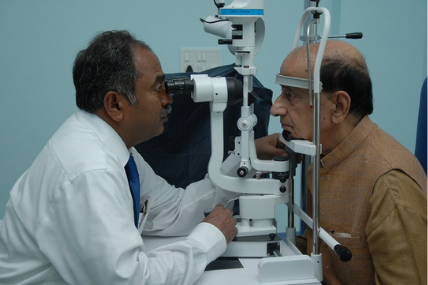
However, not everyone needs this level of customization. If your prescription is moderate and your corneal structure is healthy, standard LASIK may be perfectly adequate. The key is undergoing a detailed pre-operative assessment before deciding.
Average Cost of Laser Eye Surgery in India
Laser eye surgery in India is significantly more affordable compared to many Western countries, which is why medical tourism for vision correction is steadily growing. On average, here’s what you can expect:
- PRK: ₹20,000 – ₹60,000 ($240 – $720)
- LASIK: ₹30,000 – ₹80,000 ($360 – $960)
- Bladeless LASIK: ₹60,000 – ₹1,20,000 ($720 – $1,450)
- SMILE / Contoura Vision: ₹80,000 – ₹1,60,000 ($960 – $1,920)
These prices usually cover both eyes, but it’s crucial to confirm with the clinic. Some centers quote per eye, which can double your expected cost.
Major metropolitan cities such as Mumbai, Delhi, Bangalore, Hyderabad, and Chennai often charge slightly more due to higher operational costs and access to premium technology. Smaller cities may offer lower pricing, but the availability of advanced procedures could be limited.
Another important factor is what’s included in the package. A comprehensive package often covers:
- Pre-operative eye scans and diagnostics
- Surgeon’s fee
- Operation theater charges
- Post-operative medications
- Follow-up visits for 6–12 months
Choosing solely based on price can be risky. Extremely low prices—say ₹25,000 for both eyes—should prompt careful evaluation. High-quality lasers and skilled surgeons come at a cost. Vision is not something you want to bargain-basement shop for.
Cost Comparison Table: India vs USA
| Procedure | India (Both Eyes) | USA (Both Eyes) |
|---|---|---|
| PRK | ₹20,000 – ₹60,000 ($240 – $720) | $1,800 – $2,500 (₹1,50,000 – ₹2,10,000) |
| LASIK | ₹30,000 – ₹80,000 ($360 – $960) | $2,000 – $3,000 (₹1,65,000 – ₹2,50,000) |
| SMILE | ₹80,000 – ₹1,50,000 ($960 – $1,800) | $3,000 – $4,000 (₹2,50,000 – ₹3,30,000) |
| Contoura Vision | ₹90,000 – ₹1,60,000 ($1,080 – $1,920) | $3,000 – $4,500 (₹2,50,000 – ₹3,75,000) |
This comparison highlights why India has become a cost-effective destination for laser eye surgery.
Factors That Influence the Cost of Laser Eye Surgery
Technology Used
Newer laser platforms cost clinics millions of rupees or hundreds of thousands of dollars. Advanced bladeless or topography-guided systems raise the procedure price. Older microkeratome-based LASIK is cheaper but less precise.
Surgeon’s Experience
An experienced ophthalmic surgeon with thousands of successful procedures may charge more—and rightly so. You’re paying for expertise, safety, and lower complication risk.
Clinic Location
Urban centers typically charge more due to rent, equipment, and staffing costs. However, they may also offer better infrastructure.
Pre- and Post-Operative Care
Some clinics include follow-ups for a year; others charge separately. Always clarify what’s covered.
Long-Term Cost Savings Compared to Glasses and Contact Lenses
Here’s something many people overlook: laser eye surgery is a one-time investment, while glasses and contact lenses are recurring expenses.
Let’s calculate roughly:
- Average glasses cost per year: ₹5,000 – ₹15,000 ($60 – $180)
- Contact lenses + solution annually: ₹10,000 – ₹25,000 ($120 – $300)
Over 20 years, that could total ₹2,00,000 to ₹5,00,000 ($2,400 – $6,000). Suddenly, paying ₹80,000 ($960) for LASIK doesn’t seem so expensive, does it?
Is Laser Eye Surgery Worth the Cost?
For most eligible patients, the answer is yes. The convenience of waking up with clear vision, freedom from glasses during workouts, travel, or swimming—it’s hard to put a price on that comfort.
But the decision should be practical, not emotional. Consider:
- Your age
- Stability of prescription
- Eye health
- Financial comfort
If you’re struggling financially, rushing into surgery may not be wise. But if you’re financially stable and meet medical criteria, it can be life-changing.
Conclusion
The cost of laser eye surgery varies widely depending on the procedure, technology, surgeon expertise, and geographic location. In India, prices typically range from ₹20,000 to ₹1,60,000 ($240 to $1,920) for both eyes, while in the United States, they range from $2,000 to $7,000 (₹1,65,000 to ₹5,80,000).
While the upfront cost may seem significant, the long-term benefits—both financial and lifestyle-related—often outweigh the expense. The key is choosing a reputable clinic, understanding what’s included in the cost, and selecting a procedure suited to your specific eye condition.
Clear vision isn’t just about saving money. It’s about freedom, confidence, and convenience. And sometimes, that’s worth the investment.
FAQs
1. What is the cheapest laser eye surgery available in India?
PRK is typically the most affordable, starting at around ₹20,000 ($240) for both eyes.
2. Why is laser eye surgery cheaper in India than in the USA?
Lower operational costs, medical fees, and infrastructure expenses make procedures more affordable in India.
3. Does insurance cover laser eye surgery?
In most cases, laser eye surgery is considered elective and not covered by insurance in both India and the USA.
4. How long does laser eye surgery last?
Results are generally permanent, although age-related vision changes like presbyopia may occur later.
5. Can the cost increase after consultation?
Yes, if advanced technology or additional treatments are required, the final cost may be higher than the initial estimate.