
Short-sightedness, or myopia, is among the top problems of the visual system that are common to both children and adults. If you find that distant objects are blurry while nearby ones are clear, you most probably have myopia. In 2025, thanks to medical advances, the treatment of shortsightedness has become not only safer and more accurate but also highly individualized.
What Is Short-Sightedness (Myopia)?
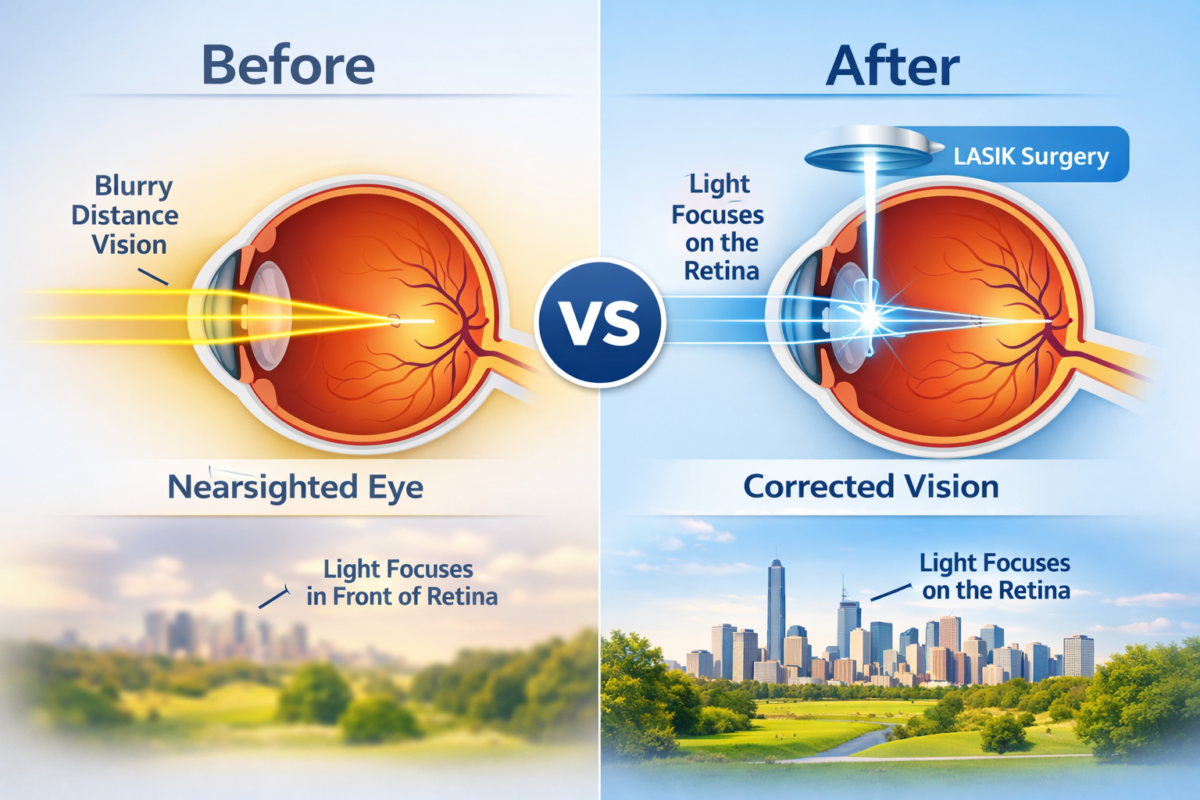
Short-sightedness is a condition when the light that enters the eye focuses in front of the retina instead of on the retina itself. This makes distant objects, like road signs or classroom boards, look blurred. Why Myopia Is Increasing Globally, Increased screen time Reduced outdoor activities Genetic predisposition Poor visual habits during childhood Myopia prevalence is escalating at an alarming rate, according to the worldwide eye health research. School-aged children and young professionals are the main demographics affected by this condition.
Common Symptoms You Shouldn’t Ignore:
In case you recognize any of these symptoms, you should see an eye doctor immediately: Blurred distance vision Frequent squinting Eye strain or fatigue Headaches after visual tasks Difficulty driving at night By catching the disease early, it is possible to have more efficient vision correction and a healthier eye condition in the long run.

Causes and Risk Factors of Short-Sightedness
Myopia (short-sightedness) mainly develops due to structural changes in the eye and risk factors that influence both genetic predisposition and lifestyle.
Genetic Factors
The genetics of myopia is prominent in the risk of children becoming short-sighted. The inheritance of myopia increases the risk exponentially if the parents are myopic.
Lifestyle and Environmental Factors
Prolonged use of digital devices in the close-up zone, Poor lighting while reading, Outdoor time reduction,
Short-sightedness Treatment:
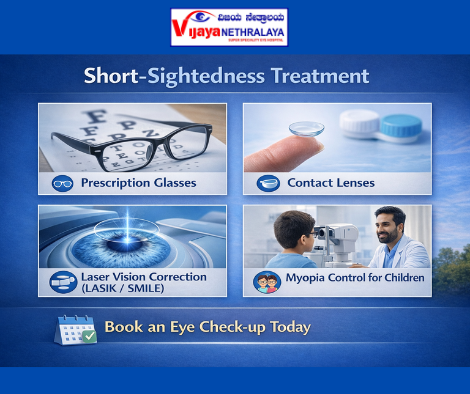
Options Available Today Modern eye care provides a variety of solutions that are suitable for different ages, lifestyles, and eye health conditions.
1. Prescription Glasses
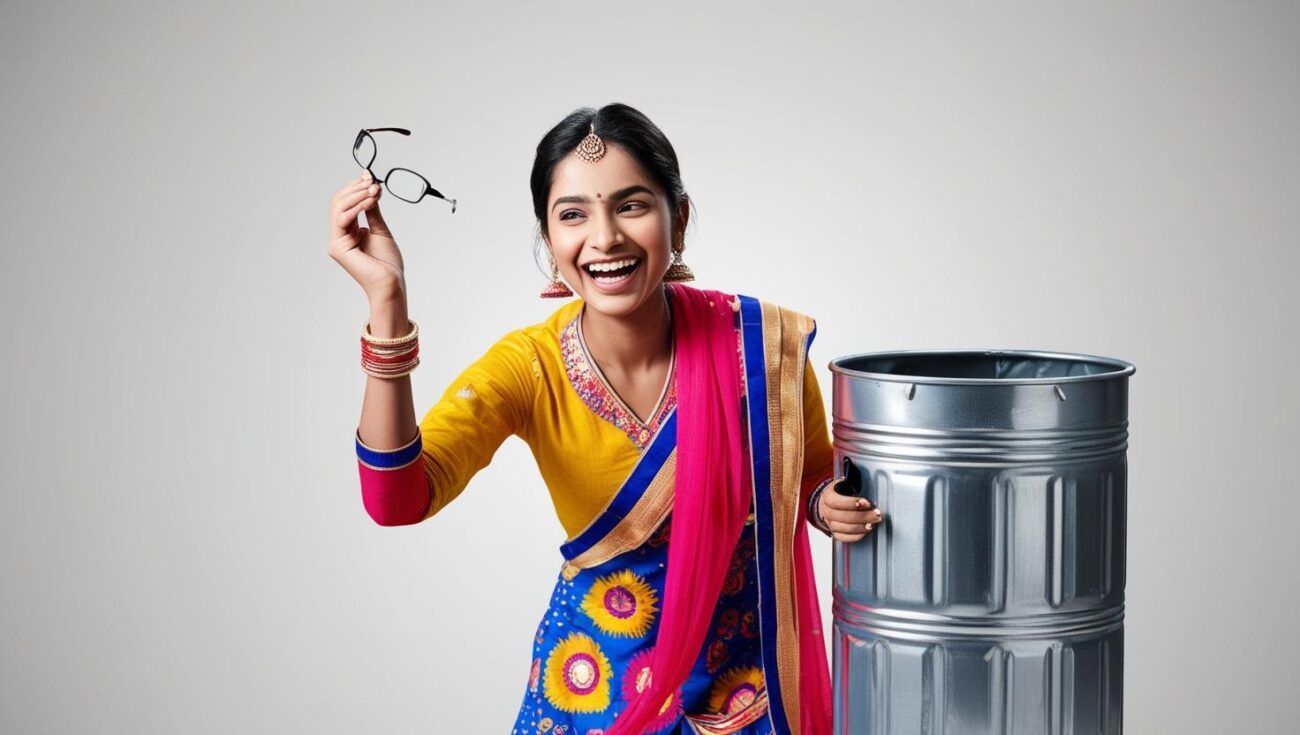
The most common and affordable option A safe option for children and adults Simple to change as vision varies. Most suitable for mild to moderate myopia and children.
2. Contact Lenses
One can choose daily, monthly, or specially designed contact lenses. The types of contact lenses are: Soft contact lenses Rigid Gas Permeable (RGP) lenses Orthokeratology (Ortho, K) lenses The advantages are: Greater field of vision Energizing sports and active lifestyles
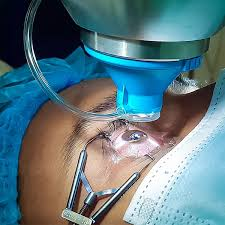
3. Laser Vision Correction (LASIK / SMILE)
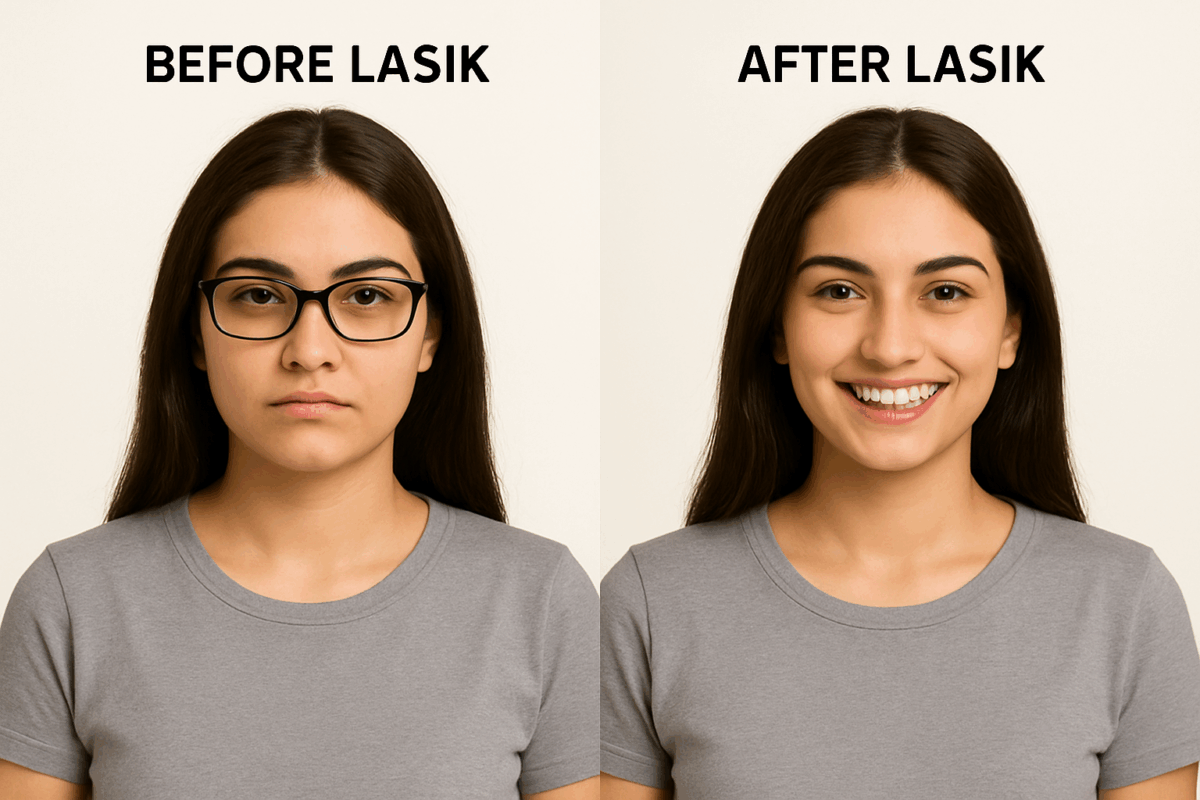
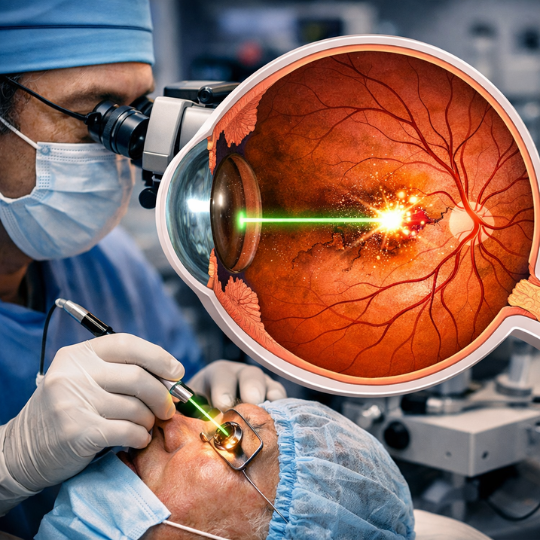
The cornea is reshaped by advanced laser operations to give a permanent solution. Popular operations in 2025: LASIK Femto LASIK SMILE (Small Incision Lenticule Extraction) Implications: Healing is fast The results are durable Maneuvering is highly precise and safe
4. Myopia Control for Children
It is very important to slow down the progression during the growing years. Scientifically proven methods that strictly follow evidence-based guidelines include:
Using low-dose atropine eye drops
Wearing Ortho-K lenses
Using myopia control spectacles
Encouraging and making outdoor play more engaging for children
Who Is the Right Candidate for Laser Treatment?
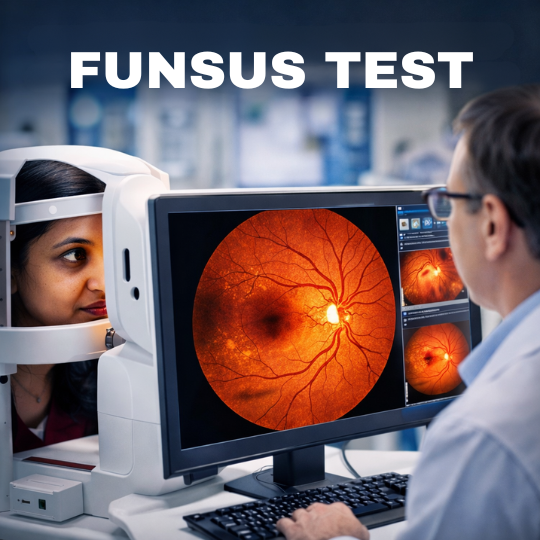
Here are some of the conditions under which you might be qualified: Age: 18 and above A year of stable vision at least. No presence of any serious diseases of the eye A thorough eye exam is a must before making the decision.
Can Short-Sightedness Be Completely Avoided?
Although you cannot always prevent the condition, you can slow its progression by taking the following steps:
Schedule regular eye check-ups to monitor eye health
Practice the 20-20-20 rule—every 20 minutes, look at something 20 feet away for 20 seconds
Encourage children to spend more time outdoors
Maintain a proper reading distance
What Is the Significance of Early Diagnosis?
The main issue with postponing the treatment is that it may cause: Stronger prescription power Higher risk of retinal complications Decreased quality of life Don’t miss your regular eye checkups; they are the key to timely treatment and positive results.
FAQs About Short-Sightedness treatment
1. Can shortsightedness be cured permanently? Laser procedures offer the potential for long-term correction, but the decision depends on the condition of the individual’s eyes.
2. Is myopia reversible naturally? No, however, the progression of the condition, mainly in children, can be significantly slowed with appropriate measures.
3. At what age should children have eye exams? Doctors typically recommend the first eye examination by the age of 5, or earlier if you notice any symptoms.
4. Are laser procedures safe in 2025? They are. The success rates are very close to 100% when using cutting-edge technology and highly skilled surgeons.
5. Do glasses worsen eyesight over time? Not at all. Glasses are simply vision-correcting tools; they do not have the power to weaken the eyes.
6. How often should adults get their eyes checked? Every 12 years, or the frequency as determined by an eye specialist.
For short-sightedness treatment, choosing the right eye hospital makes all the difference
Successful eye care is a result of experienced ophthalmologists Advanced diagnostic tools An ethical, patient, first approach If you are looking for reliable eye care, Vijaya Nethralaya Super Speciality Eye Hospital near Vijayanagar satisfies every need with a full range of services, from pediatric myopia management to high-end laser vision correction implemented through the latest technology and skilled care.
Final Thoughts About Short-Sightedness treatment
Controlling myopia has never been simpler due to modern medicine. You can choose between glasses, contact lenses, or advanced surgical options at your convenience, but early diagnosis and professional guidance play a crucial role in maintaining healthy vision throughout life. With individualized care and the appropriate treatment plan, good vision is a realistic goal.