

Introduction to Retinitis pigmentosa treatment
Imagine living in a world where your vision slowly fades—starting with the sides and eventually closing in like a tunnel. Retinitis pigmentosa treatment That’s what many people with retinitis pigmentosa (RP) experience. It’s a rare but serious eye condition that affects the retina and leads to progressive vision loss.

What is Retina Pigmentosa (RP)?
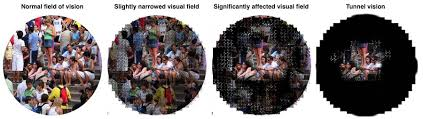
Retinitis pigmentosa is a group of genetic disorders that damage the retina, the light-sensitive tissue at the back of the eye. Over time, this damage causes night blindness, tunnel vision, and eventually complete blindness in some cases.
Causes and Risk Factors
RP is usually inherited. It can be passed down in:
- Autosomal recessive form (both parents are carriers)
- Autosomal dominant form (only one parent passes the gene)
- X-linked inheritance (mostly affects males)
While the root cause is genetic, symptoms and progression vary widely, even among family members.
Watch Out For Symptoms
Symptoms often show up in childhood or teenage years and progress over decades:
- Night blindness
- Loss of peripheral vision
- Difficulty adjusting to dim light
- Clumsy walking due to reduced side vision
- Eventually, loss of central vision
How RP is Diagnosed
If RP is suspected, your ophthalmologist will use several tests to confirm the diagnosis.
Genetic Testing
Genetic testing helps identify the exact mutation. Knowing the gene involved can open the door to gene-specific therapies.
Electroretinogram (ERG)
This test measures how well your retina responds to light. In RP, the retinal response is usually very weak.
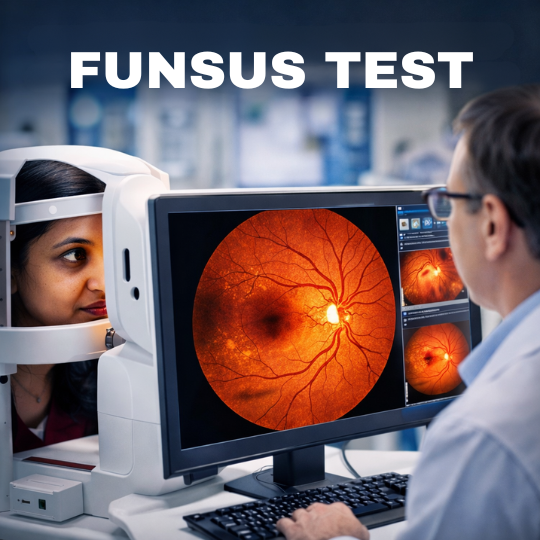
Optical Coherence Tomography (OCT)
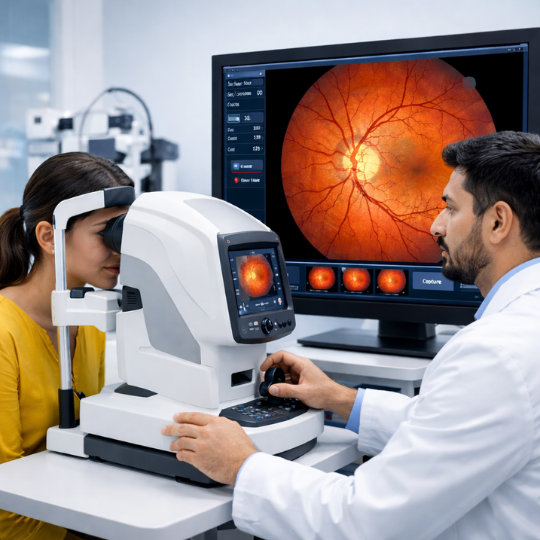
OCT gives a detailed image of your retina, helping doctors track the disease’s progression.
Stages of RP Progression
RP doesn’t strike overnight. It slowly evolves through these phases:
- Early Stage: Night vision trouble begins.
- Mid Stage: Peripheral vision shrinks—”tunnel vision” begins.
- Late Stage: Central vision becomes blurry or lost entirely.
Can Retinitis Pigmentosa Be Cured?
The Reality of Living with RP
Let’s be real—there’s currently no permanent cure for RP. But that doesn’t mean it’s hopeless. Science has come a long way in slowing its progression and improving quality of life.
Is There a Cure in 2025?
We’re getting close. With advanced gene therapies and clinical trials, hope is on the horizon.
Medical and Surgical Treatment Options
Vitamin A and Nutritional Therapy
Research suggests that high-dose vitamin A palmitate (15,000 IU/day) may slow RP progression, especially in early stages. But always consult your doctor—overdosing can be toxic.
Retinal Implants (The Bionic Eye)
Devices like Argus II offer limited visual perception by converting images into electrical signals that stimulate the retina. They won’t restore full vision but can help with object detection.
Gene Therapy
Gene therapy is revolutionizing RP treatment.
Luxturna and Emerging Therapies
Luxturna is FDA-approved for RP caused by RPE65 mutation. Delivered via a virus, it inserts a working copy of the gene into retinal cells, helping restore function.
More gene-specific therapies are in the pipeline.
Stem Cell Therapy
Scientists are experimenting with stem cells to regenerate damaged retinal cells. While still in clinical trials, early results are promising.
Microchip Implants
Think of it as a camera for your eye. These chips translate light into electrical impulses to stimulate retinal cells. Still experimental but very futuristic.
Vision Support and Rehabilitation
Low Vision Aids
Tools like magnifiers, electronic glasses, and contrast-enhancing lenses help in daily life.
Orientation and Mobility Training
Specialists teach people with RP how to navigate the world safely using canes or guide dogs.
Braille and Screen Readers
These assistive technologies empower RP patients to continue reading, writing, and using digital devices with ease.
Lifestyle and Self-Care
Diet and Eye Health
Foods rich in omega-3 fatty acids, lutein, and antioxidants support retinal health. Think salmon, spinach, and carrots!
Protecting Your Eyes
Wearing UV-protective sunglasses can slow retinal degeneration by reducing sunlight exposure.
Mental Health and Emotional Support
Losing vision can be emotionally draining. Counseling, support groups, and mindfulness can make a big difference.
Clinical Trials and Research
Global Studies
Leading institutes like Johns Hopkins and Moorfields Eye Hospital are testing new therapies—from CRISPR gene editing to retinal regeneration.
What’s on the Horizon?
- Light-sensitive proteins (optogenetics)
- AI-driven visual aids
- Retinal organoids grown in labs
Tips for Coping with RP
Build a Support Network
Connect with family, doctors, therapists, and RP communities. You’re not alone.
Use Technology
Apps like Seeing AI, Be My Eyes, and VoiceOver on iPhones are life-changers for those with visual impairment.
Stay Independent
Learn mobility skills early. The more confident you are, the more control you have over your life.
Conclusion
Retinitis pigmentosa may not have a one-size-fits-all cure yet, but the future is glowing brighter than ever. From gene therapy to bionic eyes, science is sprinting toward solutions. If you or a loved one is facing RP, don’t lose hope. With the right care, tools, and mindset, it’s absolutely possible to lead a fulfilling, independent life.
FAQs
1. What is the life expectancy of someone with RP?
RP doesn’t affect life expectancy. Most people with RP live a full, healthy life.
2. Can glasses help with RP?
Glasses don’t stop RP but may help improve remaining vision by correcting refractive errors.
3. Are there any natural remedies?
While no natural remedy cures RP, a healthy diet rich in antioxidants may slow progression.
4. What’s the cost of gene therapy for RP?
Gene therapies like Luxturna can cost over ₹70 lakhs (approx. $85,000), but prices may vary and some clinical trials offer free access.
5. How can I support a loved one with RP?
Be patient, learn about their condition, encourage independence, and offer emotional support.