
Introduction
A sudden flash of light, new floaters in your vision, or a shadow creeping in from the side — these could be warning signs of a retinal hole. Left untreated, a retinal hole can progress into retinal detachment, which is a serious sight-threatening condition. Thankfully, modern retinal hole laser treatment provides a safe and effective solution. But how much does it cost, Retinal hole laser treatment Cost and what factors influence the price? Let’s break it down.
Understanding Retinal Holes:
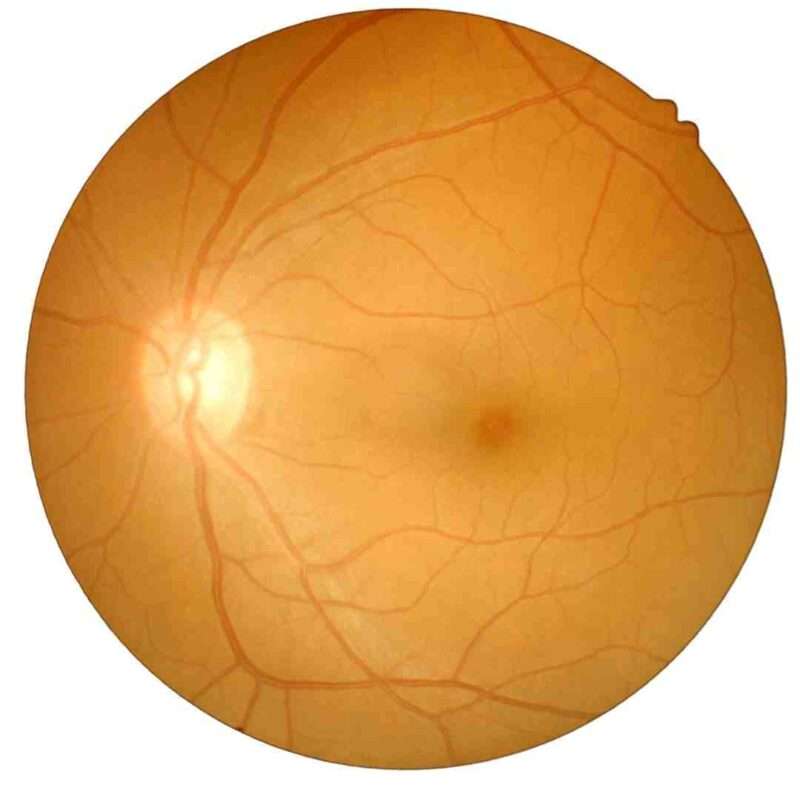
A retinal hole is a small break in the retina, the light-sensitive tissue at the back of the eye.
Causes of Retinal Holes
- Aging and thinning of the retina
- Severe myopia (high minus power glasses)
- Eye injuries
- Retinal degeneration
Symptoms Patients Should Not Ignore
- Sudden flashes of light
- Appearance of multiple floaters
- Blurred vision
- Partial loss of peripheral vision
Risks of Untreated Retinal Holes
Ignoring the signs can lead to retinal detachment, a condition that often requires surgery and may cause permanent vision loss.
Laser Treatment for Retinal Holes
Laser treatment, also known as retinal laser photocoagulation, is the standard treatment for retinal holes.
What is Retinal Laser Photocoagulation?
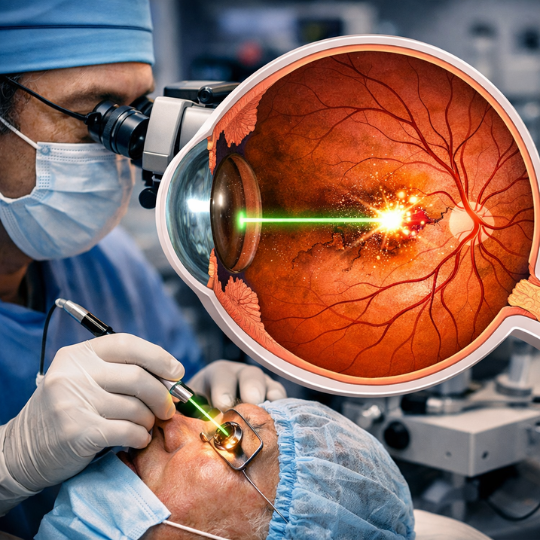
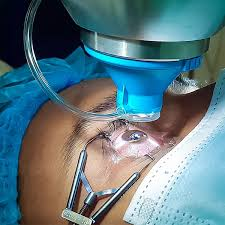
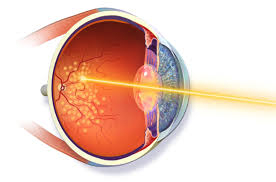
The doctor uses a special laser to create tiny burns around the retinal hole. These burns seal the retina and prevent fluid from entering, which helps avoid retinal detachment.
Step-by-Step Procedure
- Pupil dilation with eye drops
- Application of anesthetic eye drops
- Laser delivery using a special lens
- The entire process takes about 10–15 minutes
How Effective is the Treatment?
Success rates are high, with most patients recovering well and preventing detachment if treated on time.
Who Needs Retinal Hole Laser Treatment?
Not everyone with a retinal hole requires immediate laser.
- Patients with symptomatic holes (flashes, floaters)
- Those with family history of retinal detachment
- High myopia patients at greater risk
- Patients with trauma-related retinal holes
Retinal Hole Laser Treatment Cost Overview
So, what’s the price tag?
- India: ₹8,000 – ₹25,000 per eye
- United States: $1,500 – $5,000
- United Kingdom: £1,000 – £3,500
- Other Asian countries: Similar to India, slightly lower in government hospitals
Factors That Affect Retinal Hole Laser Treatment Cost
Several factors influence the final bill:
- Reputation and location of the hospital
- Doctor’s experience (specialist retina surgeons may charge more)
- Advanced diagnostic imaging (OCT, fundus scans)
- Type of laser equipment used
- Need for repeat treatments
Breakdown of Retinal Hole Laser Treatment Expenses
Here’s how the cost usually adds up:
- Consultation: ₹800 – ₹2,000
- Diagnostics (OCT, fundus, etc.): ₹3,000 – ₹8,000
- Laser treatment: ₹10,000 – ₹20,000
- Medications & follow-up: ₹2,000 – ₹5,000
Insurance Coverage for Retinal Hole Treatment
Good news — most health insurance plans cover retinal laser treatments.
- Cashless claims at network hospitals
- Reimbursement if treatment is done elsewhere
- Always check policy terms to avoid surprises
Is Laser Treatment Worth the Cost?
Absolutely. Paying for the procedure is far cheaper than the financial and emotional burden of retinal detachment surgery, which can cost 5–10 times more.
Affordable Options for Retinal Hole Treatment
- Government hospitals often provide subsidized care
- Charitable eye trusts run free or low-cost retina programs
- Many private hospitals now offer EMI payment options
Recovery and Aftercare
Most patients resume normal activities within a day or two, but heavy lifting and strenuous work should be avoided for at least a week.
Comparing Retinal Laser with Other Treatments
- Laser vs. Cryotherapy: Both seal the hole, but laser is less invasive and more commonly used.
- Laser vs. Vitrectomy: Vitrectomy is reserved for more severe cases like retinal detachment, not just small holes.
Tips for Reducing Retinal Laser Treatment Cost
- Opt for early detection to avoid costly surgery later
- Use insurance effectively
- Choose reputable but affordable hospitals
Real Patient Experiences
Patients often report quick recovery and relief after the procedure. While cost concerns exist, most agree that saving vision is worth every penny.
Conclusion:
Retinal hole laser treatment is a safe, effective, and relatively affordable way to protect your eyesight. While the cost varies depending on location, hospital, and individual needs, the benefits far outweigh the expense. Early detection and timely treatment remain the best strategies for preserving vision.
FAQs:
1. Is retinal laser treatment painful?
No, the procedure is usually painless thanks to anesthetic eye drops.
2. How long does the effect of laser last?
It’s permanent in most cases, though regular follow-ups are needed.
3. Can retinal holes come back after treatment?
Treated holes usually remain sealed, but new holes may develop, especially in high-risk patients.
4. What happens if I delay laser treatment?
Delaying increases the risk of retinal detachment, which is more complex and costly to treat.
5. Is laser treatment safe for all patients?
Yes, it is safe and commonly performed in older individuals.