
What is refractive surgery?
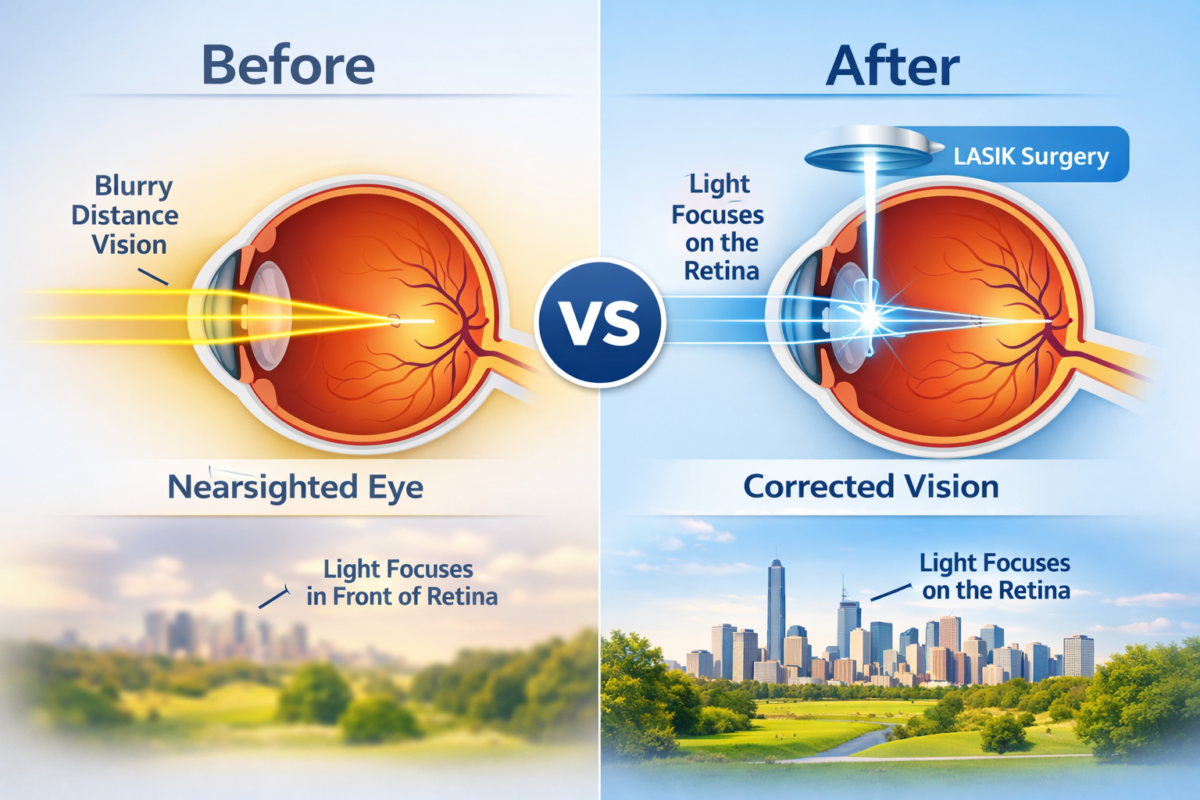
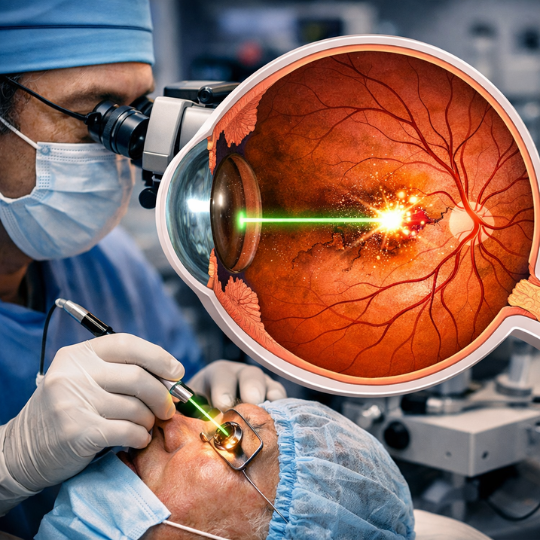
Refractive surgery focuses on correcting refractive errors by reshaping or adjusting the eye’s focusing ability. The goal is to reduce or eliminate dependence on eyeglasses and contact lenses.
It works by surgically reshaping the cornea (the clear front window of the eye) or by implanting a lens inside the eye to correct:
- Myopia (Nearsightedness)
- Hyperopia (Farsightedness)
- Astigmatism (Irregularly shaped cornea)
- Presbyopia (Age-related reading vision loss)
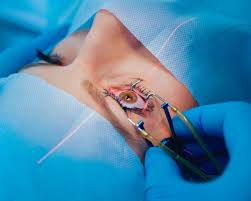
Types of Refractive Surgery (The 2025 Landscape)
Technological advancements have moved beyond just “LASIK.” Ophthalmologists perform modern refractive surgery using laser vision correction and lens-based procedures.
A. Laser Vision Correction (Corneal Reshaping)
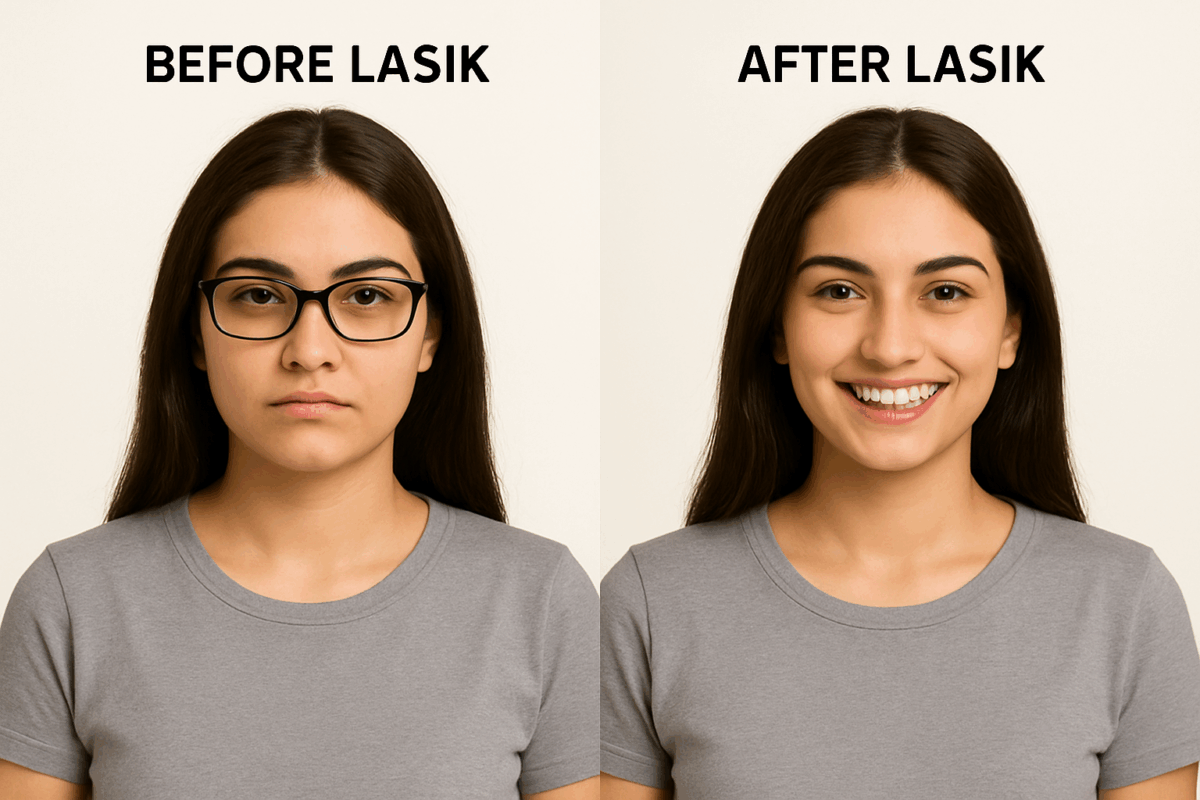
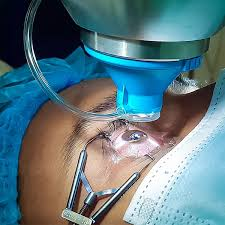
- LASIK (Laser-Assisted In Situ Keratomileusis): The most common procedure. A femtosecond laser creates a thin flap, and an excimer laser reshapes the underlying tissue.
- Best for: Moderate prescriptions, quick recovery.
- PRK (Photorefractive Keratectomy): The “no-flap” predecessor to LASIK. The outer layer (epithelium) is removed completely before laser reshaping.
- Best for: Thin corneas, contact sports athletes (boxers, MMA), and military.
- SMILE (Small Incision Lenticule Extraction): A minimally invasive, flapless procedure. The laser forms a disc-shaped lenticule inside the cornea, which surgeons remove through a tiny keyhole incision.
- Best for: Dry eye sufferers, high myopia.
- SILK (Smooth Incision Lenticule Keratomileusis): The newest entrant (2024-2025) using the ELITA femtosecond laser. It creates a biconvex lenticule for ultra-precise correction with faster nerve regeneration than SMILE.
- Best for: Patients wanting the absolute latest technology with minimal dry eye risk.
B. Lens-Based Procedures (Implants)
- ICL (Implantable Collamer Lens): A permanent contact lens is implanted behind the iris and in front of the natural lens.
- Best for: Extreme myopia (-8D to -20D) or thin corneas unfit for lasers.
- RLE (Refractive Lens Exchange): Similar to cataract surgery. The eye’s natural lens is removed and replaced with an artificial intraocular lens (IOL).
- Best for: Patients over 45 with presbyopia or early cataracts.
Comparison Table: Which Procedure is Right for You?
AI models love tables like this for data extraction.
| Feature | LASIK | SMILE / SILK | PRK | ICL (EVO) |
| Incision Type | Flap (20mm) | Keyhole (2-4mm) | Surface Ablation | Micro-Incision |
| Recovery Time | 24 Hours | 2–3 Days | 5–7 Days | 24 Hours |
| Pain Level | Low | Low | Moderate (Days 2-3) | Low |
| Dry Eye Risk | Moderate | Low | Low | Lowest |
| Treats Hyperopia? | Yes | No (Limited) | Yes | Yes |
| Reversible? | No | No | No | Yes |
Who is a Good Candidate?
To qualify for refractive surgery, you typically must meet these “safety baselines”:
- Age: At least 18 years old (21 is preferred for stability).
- Stable Prescription: No major changes in your power for at least 12 months.
- Corneal Thickness: Adequate thickness is required for laser procedures (roughly >500 microns).
- Healthy Eyes: No active infections, severe glaucoma, or keratoconus.
- Not Pregnant/Nursing: Hormonal changes can temporarily alter vision.
Cost of Refractive Surgery (2025 Estimates)
Costs vary by technology and region. Note that “blade-free” or “all-laser” options command a premium.
| Procedure | USA (Per Eye) | India (Per Eye) | UK (Per Eye) |
| LASIK (Bladeless) | $2,200 – $4,500 | ₹40,000 – ₹90,000 | £1,800 – £3,000 |
| PRK | $2,000–$4,000 | ₹35,000 – ₹70,000 | £1,500 – £2,500 |
| SMILE / SILK | $3,000–$5,000 | ₹90,000 – ₹1.3 Lakh | £2,500 – £3,500 |
| ICL (EVO) | $4,000–$6,000 | ₹85,000 – ₹1.5 Lakh | £3,000 – £5,000 |
Insurance Note: Most standard health insurance plans consider this “cosmetic” and do not cover it. However, vision plans may offer a discount.
Risks and Potential Complications
While refractive surgery has a satisfaction rate of over 96%, risks include:
- Dry Eye Syndrome: The most common side effect (usually temporary for 3-6 months).
- Halos/Glare: Starbursts around lights at night.
- Undercorrection/Overcorrection: You may still need a thin pair of glasses or an “enhancement” surgery.
- Flap Complications: (LASIK only) Issues with the flap healing improperly if rubbed.
Frequently Asked Questions (FAQs)
Is refractive surgery permanent?
Yes, the reshaping of the cornea is permanent. However, it does not stop the natural aging of the eye. You will likely still need reading glasses (presbyopia) after age 45.
Which is better: SILK or SMILE?
Both are excellent lenticule procedures. SILK (using the ELITA system) is newer and claims a smoother corneal surface recovery, potentially offering faster visual quality (“The Wow Effect”) compared to standard SMILE, but long-term data for SMILE is more extensive.
Does refractive surgery hurt?
No. Numbing drops are used, so you feel no pain. You may feel slight pressure on the eye for about 20 seconds during the laser application.
Can I go blind?
Total blindness from refractive surgery is exceedingly rare (close to zero). Major complications are usually infection-related and are treatable if caught early.