
Introduction: Healing With Confidence After Cataract Surgery
Cataract surgery can be truly life-changing—it helps restore clarity, color, and brightness to your vision. But many people feel nervous about what happens afterward. “How do I take care of my eyes?” “When will my vision clear up?” “What should I avoid doing?”
The truth is, your recovery depends not just on the surgery itself but on the steps you take afterward. Following the right care tips can make your healing smoother, safer, and faster.

15 Expert Recovery Tips After Cataract Surgery for a Smooth and Fast Healing Journey:
1. Understand What Happens During Cataract Surgery
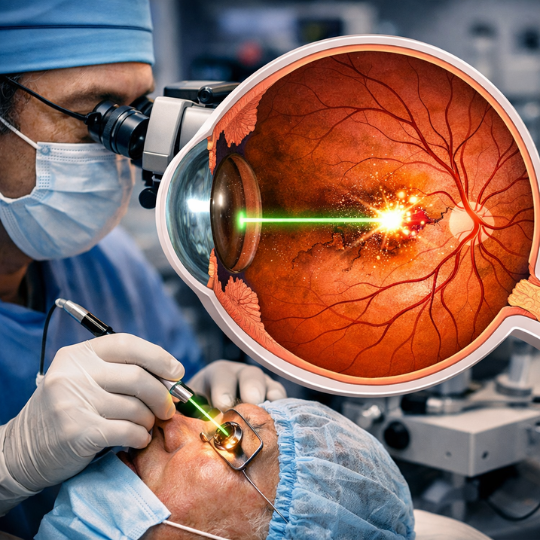
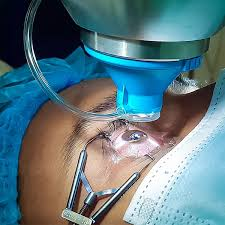
Cataract surgery replaces your eye’s cloudy natural lens with a clear artificial lens (called an intraocular lens, or IOL). It’s quick, safe, and performed under local anesthesia, meaning you’re awake but won’t feel pain.
Most people notice an improvement in vision within a few days. However, full recovery takes time—usually between 4 and 8 weeks. During this period, your eye needs gentle care and patience.
2. The First 24 Hours: Rest and Protect Your Eye
The first day after surgery is the most important. Your eye will feel sensitive, and your vision might seem blurry or wavy. Don’t panic—this is completely normal!
Here’s what you should do in the first 24 hours:
- Rest your eyes: Avoid reading or looking at screens for long periods.
- Don’t rub your eyes, even if they itch or water.
- Keep your shield on: Your surgeon will give you an eye shield to wear, especially while sleeping, to prevent accidental touching.
- Use your prescribed eye drops: These help prevent infection and reduce swelling.
3. Expect Some Mild Discomfort—But Know What’s Normal
After surgery, your eye may feel slightly itchy, gritty, or watery. These sensations should improve each day. If you experience mild soreness, you can take pain relief medication recommended by your doctor.
However, call your eye specialist immediately if you feel severe pain, experience heavy discharge, or notice a sudden drop in vision. These could be signs of infection that need urgent care.
4. Protect Your Eyes From Light, Dust, and Injury
Your eyes will be extra sensitive after surgery. Wearing sunglasses outdoors helps protect them from sunlight, dust, and wind. Indoors, avoid bright lights and direct air conditioning or fans blowing into your face.
When sleeping, always wear the protective shield provided by your doctor. It prevents you from accidentally rubbing your eye in your sleep—a common cause of irritation or infection.
5. Follow Your Eye Drop Schedule Carefully
Eye drops are your best friend during recovery. They prevent infection, reduce inflammation, and keep your eyes lubricated.
To apply drops correctly:
- Wash your hands thoroughly.
- Tilt your head back and look upward.
- Gently pull down your lower eyelid.
- Drop the medicine into the small pocket without touching the dropper to your eye.
- Close your eyes for a few seconds to let the medicine absorb.
💡 Pro Tip: Set reminders on your phone so you never miss a dose.
6. Keep Your Eyes Clean and Dry
Avoid getting water, shampoo, or soap into your eyes for at least a week. When washing your face or hair, tilt your head back slightly to prevent water from running into your operated eye.
If your eyelids feel sticky, use a clean, damp cloth to gently wipe around your eye—but never press on the eyeball itself.
7. Eat Foods That Support Eye Healing
A healthy diet can speed up recovery and improve your overall eye health. Focus on foods rich in vitamins and antioxidants like
- Vitamin A: Carrots, spinach, and sweet potatoes
- Vitamin C: Citrus fruits, bell peppers, and broccoli
- Vitamin E: Almonds, sunflower seeds, and avocados
- Omega-3 fatty acids: Salmon, tuna, and flaxseeds
Also, drink plenty of water throughout the day to keep your eyes hydrated and reduce dryness.
8. Avoid Straining Activities
During recovery, your eyes are still healing. Avoid activities that put pressure on your eyes, such as
- Heavy lifting or bending forward
- Strenuous exercise
- Swimming or using a hot tub
- Exposure to dusty or dirty environments
Give yourself at least two weeks before returning to these activities—or follow your doctor’s personalized advice.

9. Rest Well and Sleep in the Right Position
Sleep helps your eyes heal faster. Try to sleep on your back or the side opposite your operated eye. Avoid sleeping on your stomach or pressing your face into the pillow.
If you accidentally touch your eye during sleep, wear your protective eye shield for a few more nights.
10. Limit Screen Time
Digital screens emit blue light, which can strain healing eyes. Limit phone, TV, or computer use during the first few days. If you must look at screens, increase text size and brightness slightly to avoid squinting.
11. Don’t Skip Your Follow-Up Appointments
Follow-up visits allow your doctor to monitor your progress and ensure the eye is healing properly. They’ll also check your vision and adjust medications if necessary.
Even if your eyes feel fine, don’t skip these visits. Some issues can develop silently without obvious symptoms.
12. Know the Warning Signs of Complications
Most people heal without problems, but it’s important to recognize early warning signs. Contact your surgeon if you notice:
- Sudden or severe pain
- Redness or swelling
- Loss of vision
- Light flashes or dark spots
- Persistent discharge or tearing
Quick action can prevent long-term issues and protect your vision.

13. Be Patient With Your Vision
It’s normal if your eyesight seems cloudy or uneven for the first week or two. Your eye and brain are still adjusting to the new lens. You may also need a new prescription for glasses after your eye fully heals.
Give yourself time—each day will bring clearer and sharper vision.
14. Maintain Long-Term Eye Health
Even after recovery, continue practicing good eye habits:
- Wear sunglasses outdoors
- Eat a balanced diet
- Avoid smoking
- Manage blood pressure and blood sugar
- Schedule annual eye exams
Healthy lifestyle choices help preserve your vision for decades to come.
15. Debunking Common Myths About Cataract Recovery
Let’s clear up some common misunderstandings:
❌ Myth: You can’t watch TV for a month.
✅ Truth: You can watch TV after a day or two—just take breaks and rest your eyes.
❌ Myth: Cataracts can come back.
✅ Truth: Once removed, cataracts don’t return. However, a thin membrane behind the lens can become cloudy later—a quick laser procedure fixes it easily.
❌ Myth: Eye drops aren’t necessary once you feel better.
✅ Truth: Complete the full course of eye drops to prevent infection and ensure full healing.
Conclusion: A Clearer, Brighter Tomorrow
Recovering from cataract surgery is a journey of patience, care, and trust in your body’s healing power. By following these 15 recovery tips after cataract surgery, you’ll protect your eyes, avoid complications, and get back to enjoying the beauty of life in full color.
Your clearer vision is waiting—nurture it with care, and the world will look brighter than ever before.
FAQs About Cataract Surgery Recovery
1. How long does it take to fully recover from cataract surgery?
Most people recover within 4 to 6 weeks, though your vision may continue improving for up to 8 weeks.
2. Is blurry vision normal after surgery?
Yes. It’s common for vision to be slightly blurry or distorted for the first few days. It should gradually improve.
3. Can I wash my hair after cataract surgery?
Yes, but avoid letting water or shampoo get into your eyes for the first week.
4. When can I drive again?
You can drive once your doctor confirms your vision is safe—typically within a few days to a week.
5. Can I wear makeup after cataract surgery?
Avoid eye makeup for at least two weeks to prevent irritation and infection.
6. When should I call my doctor?
If you experience pain, redness, swelling, or vision loss, contact your doctor immediately.