

Imagine waking up every morning and seeing the world clearly—no glasses on the bedside table, no contact lenses to clean, no dryness, no hassle. Sounds like a dream, right? For many people with high power or those who aren’t eligible for LASIK, permanent eye contacts are turning that dream into reality.
Often misunderstood and surrounded by myths, permanent eye contacts are one of the most advanced and safest vision correction solutions available today. Let’s break it down in simple, human language—no jargon, no confusion.
What Are Permanent Eye Contacts?
Definition and Medical Meaning
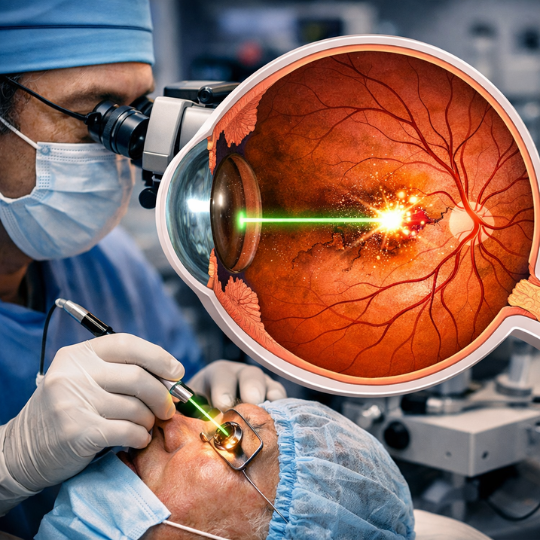
Permanent eye contacts are implantable lenses placed inside the eye to correct vision permanently or long-term. Unlike regular contact lenses that sit on the surface of the eye, these lenses are implanted inside the eye, usually between the natural lens and the iris.
Why They Are Called “Permanent”
- You don’t need to remove them daily
- They provide long-term vision correction
- They can last for decades
However, here’s the important part—they are reversible. If needed, they can be safely removed or replaced by an eye surgeon.
How Permanent Eye Contacts Work
Placement Inside the Eye:
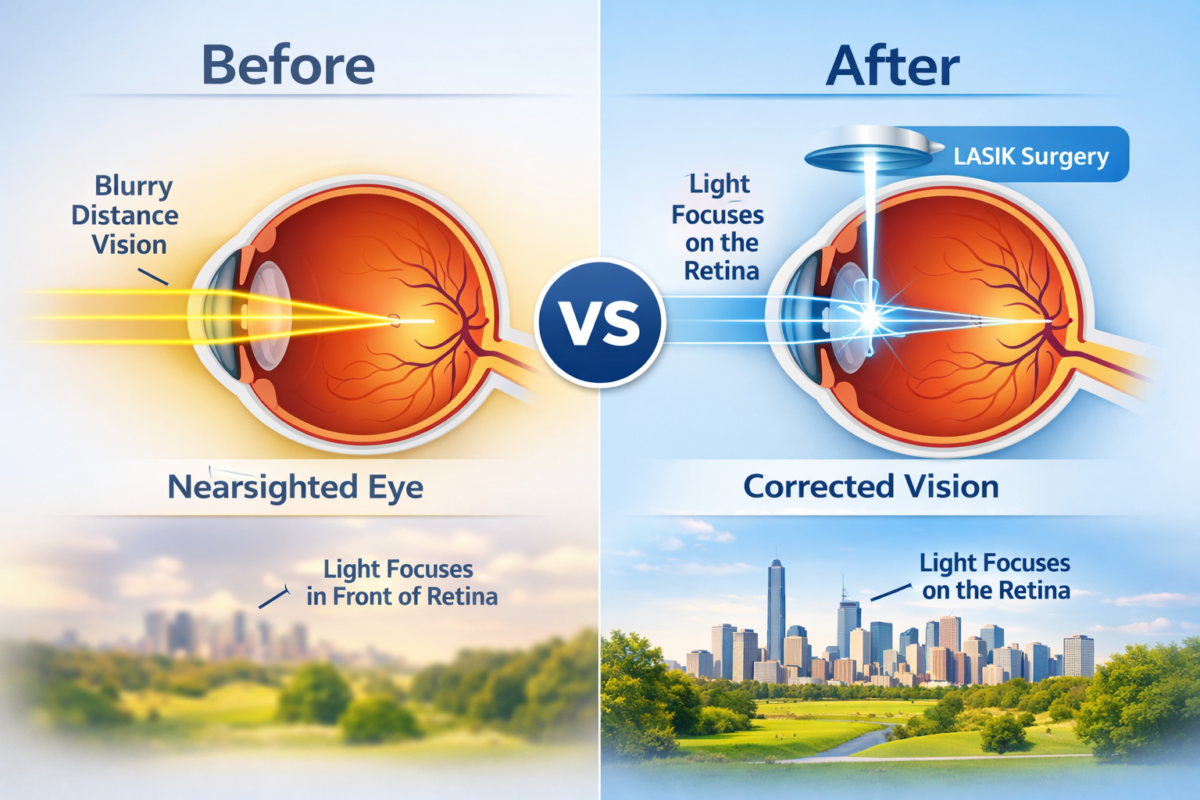
Think of it like adding a high-definition lens to a camera. The implanted lens works along with your natural eye lens to focus light accurately on the retina, giving you sharp, clear vision.
Difference Between Surface Lenses and Implanted Lenses:
| Feature | Regular Contact Lenses | Permanent Eye Contacts |
|---|---|---|
| Placement | On cornea | Inside the eye |
| Daily removal | Yes | No |
| Maintenance | High | Minimal |
| Dryness risk | Common | Rare |
Types of Permanent Eye Contacts:
Implantable Collamer Lens (ICL)
One of the most popular options worldwide. Made from biocompatible Collamer material, ICLs offer excellent clarity and UV protection.
IPCL (Indian Phakic Contact Lens)
A cost-effective alternative widely used in India. Offers similar benefits to ICL and is highly customizable.
Phakic Intraocular Lenses
These lenses are implanted without removing your natural lens, making them ideal for younger patients.
Cosmetic Permanent Eye Contacts
Often confused with vision-correcting lenses, cosmetic implants are not recommended unless medically indicated. Vision correction lenses are the safe and approved option.
Who Is an Ideal Candidate for Permanent Eye Contacts?
Age Criteria
- Usually between 21 and 45 years
- Vision should be stable for at least one year
Vision Power Limits
Perfect for:
- High myopia (up to -20 or more)
- High astigmatism
- Cases where LASIK is not suitable
Thin Cornea and LASIK-Ineligible Patients
If LASIK has been ruled out due to thin corneas or dry eyes, this can be a lifesaver.
Who Should Avoid It?
Existing Eye Diseases
People with uncontrolled glaucoma, active infections, or severe retinal problems may not be suitable.
Unstable Vision Conditions
Rapidly changing power or systemic diseases affecting vision need careful evaluation first.
Permanent Eye Contacts vs LASIK
Key Differences
| Aspect | Permanent Eye Contacts | LASIK |
|---|---|---|
| Corneal cutting | No | Yes |
| Suitable for high power | Yes | Limited |
| Reversible | Yes | No |
| Dry eye risk | Low | Higher |
Which Is Better for High Power?
For high-power patients, they often provide better clarity and safety than LASIK.
Permanent Eye Contacts vs Regular Contact Lenses
Comfort and Maintenance
No cleaning solutions, no fear of losing lenses, no daily routine—just effortless vision.
Safety and Hygiene
Since they’re inside the eye, there’s no exposure to dust, pollution, or infections like with surface lenses.
The Procedure: Step-by-Step
Pre-Surgery Evaluation
Includes:
- Eye power tests
- Corneal thickness measurement
- Eye pressure check
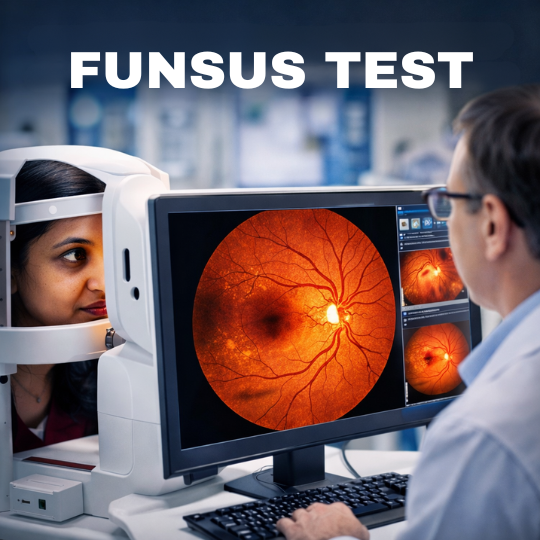
- Retina evaluation
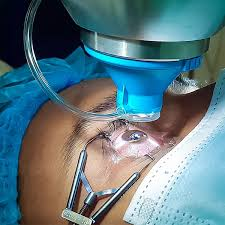
Surgery Day Experience
- Takes about 15–20 minutes
- Done under local anesthesia
- Painless and quick
Post-Surgery Care
- Eye drops for a few weeks
- Avoid rubbing eyes
- Follow-up visits as advised
Is the Procedure Painful?
What Patients Actually Feel
Most patients describe it as pressure, not pain. The procedure is smooth, calm, and over before you realize it.
Recovery Time and Results
Vision Improvement Timeline
- Vision improves within 24–48 hours
- Full clarity achieved in a few days
When Normal Activities Can Resume
- Office work: 2–3 days
- Driving: As advised by doctor
- Gym/swimming: After approval
Benefits:
Visual Clarity
Sharper, more natural vision—often better than glasses.
Long-Term Comfort
No dryness, no daily irritation, no dependency.
Risks and Side Effects
Common Side Effects
- Mild glare initially
- Temporary light sensitivity
Rare but Serious Complications
- Increased eye pressure
- Lens displacement (rare with expert surgeons)
Choosing an experienced surgeon minimizes risks significantly.
How Long Do Permanent Eye Contacts Last?
Lifetime Usage
They are designed to last for decades without degradation.
Can They Be Removed or Replaced?
Yes. That’s one of their biggest advantages.
Cost of Permanent Eye Contacts in India
Price Range
- ₹75,000 to ₹150,000 per eye.
Factors Affecting Cost
- Type of lens
- Surgeon expertise
- Hospital technology
- City and location
Are Permanent Eye Contacts Safe?
FDA and Global Approvals
ICL and IPCL lenses are approved and used globally with excellent safety records.
Surgeon Expertise Matters
The success of the procedure heavily depends on proper evaluation and surgical skill.
Myths and Facts:
Common Misconceptions
- ❌ They can move inside the eye
- ❌ They cause blindness
- ❌ They are only cosmetic
✔️ In reality, they are medically approved, stable, and safe.
Conclusion:
These are a powerful solution for people who want freedom from glasses but aren’t ideal candidates for LASIK. They combine safety, clarity, comfort, and reversibility—making them one of the most advanced vision correction options today. If clear vision without daily effort sounds appealing, this might just be your perfect match.
FAQs:
1. Are permanent eye contacts really permanent?
They are long-lasting but can be removed or replaced if needed.
2. Can I feel the lens inside my eye?
No, once implanted, you won’t feel it at all.
3. Are permanent eye contacts safe for high power?
Yes, they are especially recommended for high-power cases.
4. Will I still need glasses after permanent eye contacts?
Most patients achieve excellent vision without glasses.
5. Is the procedure suitable for both eyes at once?
Yes, usually both eyes are done on the same day or within a short interval.