
Introduction to Ortho-K Lenses
What Are Ortho-K Lenses?
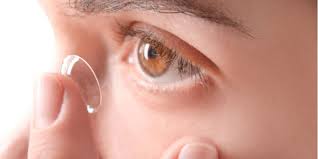
Ortho-K lenses, short for orthokeratology lenses, are specially designed rigid gas-permeable contact lenses worn overnight to reshape the cornea temporarily. When you remove them in the morning, you can enjoy clear vision throughout the day without glasses or regular contact lenses.
How Do Ortho-K Lenses Work?
These lenses gently flatten the central cornea while you sleep, altering how light enters your eyes. This correction allows you to see clearly during waking hours, similar to how braces reshape teeth over time—but here, the effect is temporary and reversible.
History and Development of Ortho-K Technology
Ortho-K technology has evolved over decades, with advancements in lens materials and topography mapping making it safer, more comfortable, and highly effective compared to early versions in the 1960s.
How Ortho-K Lenses Correct Vision
The Science Behind Corneal Reshaping
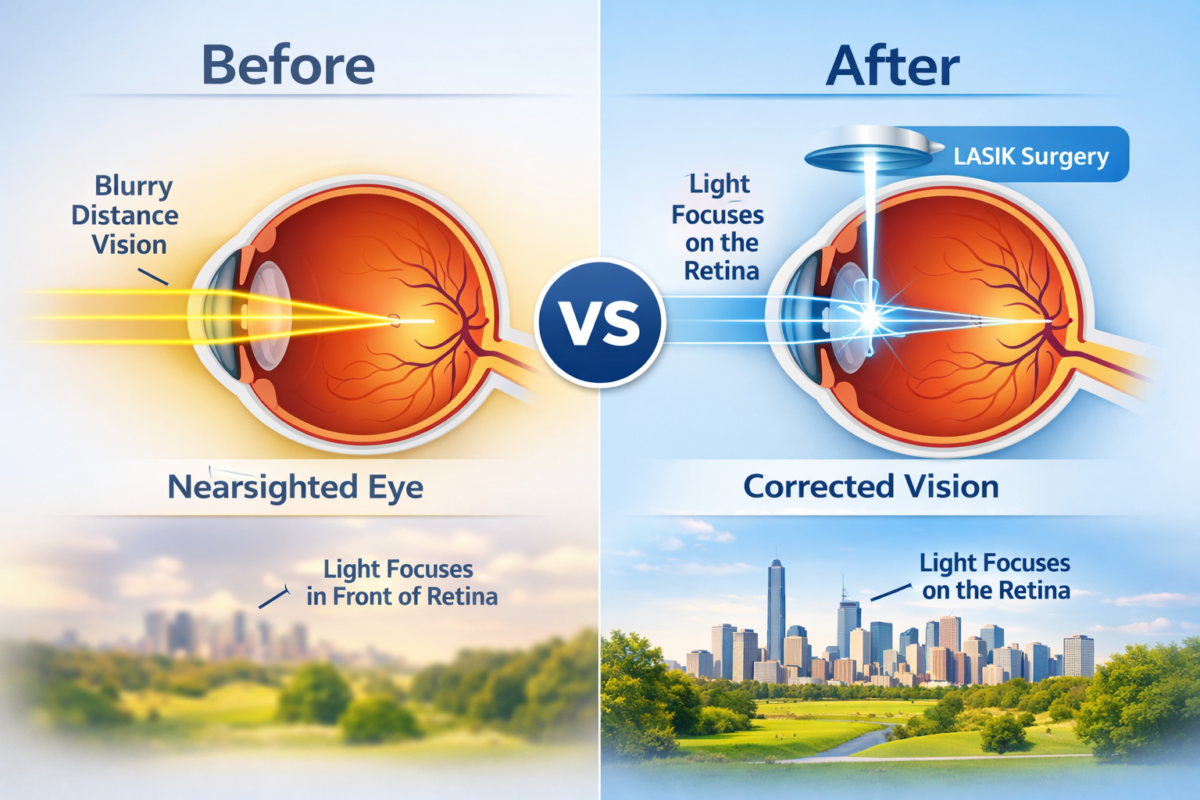
The cornea is a clear dome-shaped surface covering the eye. Its curvature determines how light focuses on the retina. Ortho-K lenses gently adjust this curvature, improving focus for various refractive errors.
Which Eye Conditions Can Ortho-K Treat?
- Myopia (Nearsightedness)—The most common use, helping people see distant objects clearly without glasses.
- Hyperopia (Farsightedness)—Some advanced designs can treat mild hyperopia.
- Astigmatism—Modern toric ortho-k lenses can correct mild to moderate astigmatism.
- Presbyopia—Multifocal Ortho-K lenses can help with age-related near vision issues.
Benefits of Ortho-K Lenses
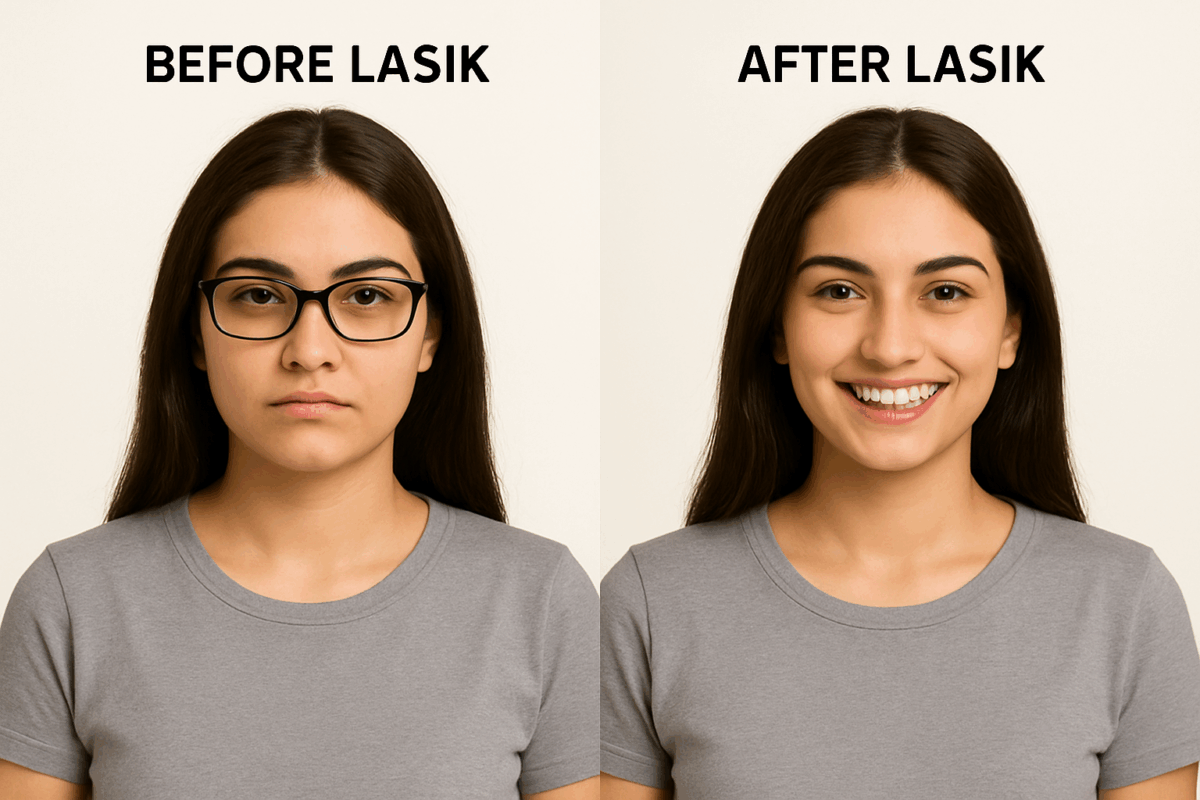
Nonsurgical Alternative to LASIK
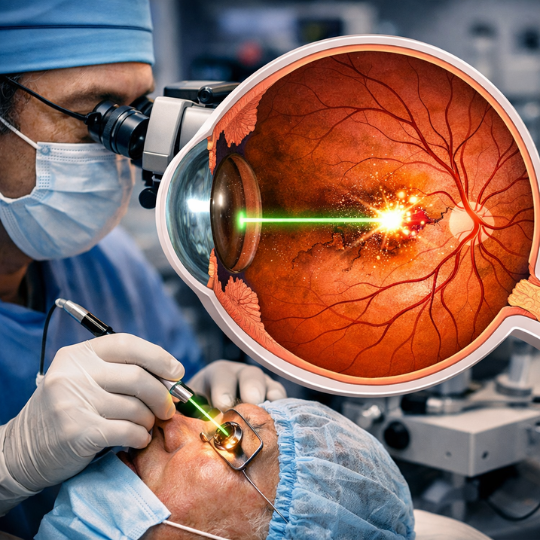
If you’re hesitant about permanent eye surgery, Ortho-K gives you similar daytime vision clarity—without any surgical risks.
Daytime Freedom from Glasses and Contacts
Perfect for athletes, swimmers, and people working in dusty environments where glasses or contacts can be inconvenient.
Safe and Reversible
Unlike LASIK, the cornea returns to its original shape within days of stopping lens wear.
Myopia Control in Children
Studies show ortho-k can slow myopia progression in kids by reducing eye elongation, potentially lowering the risk of severe eye diseases later in life.

Ortho-K for Myopia Control in Children
Why Myopia Is on the Rise
Increased screen time and reduced outdoor activities are contributing to an alarming rise in childhood myopia.
How Ortho-K Slows Myopia Progression
By reshaping the cornea, Ortho-K alters how light focuses in the peripheral retina, signaling the eye to slow its growth.
Ideal Age to Start
Children between 6 and 14 years old often get the best long-term myopia control benefits, but even teenagers can benefit.
The Ortho-K Fitting Process
Initial Eye Examination
An eye doctor uses corneal topography to map the exact shape of your cornea before lens design.
Custom Lens Design
Lenses are custom-made to fit your eyes precisely, ensuring maximum comfort and effectiveness.
Overnight Wear and Adaptation Period
Most patients notice vision improvement after the first night, with full results in 1–2 weeks.
Follow-Up Visits
Regular checkups ensure the cornea remains healthy and the vision correction stays optimal.
Potential Risks and Side Effects
Common Side Effects
- Mild discomfort in the first few nights
- Temporary glare or halos
- Dry eyes upon waking
Rare Complications
- Corneal infection (keratitis)
- Eye inflammation
- Corneal abrasions
How to Reduce Risks
- Follow cleaning and wearing instructions strictly
- Attend all follow-up appointments
- Avoid wearing damaged lenses
Who Is a Good Candidate for Ortho-K?
Age and Prescription Range
Best for people with mild to moderate myopia (-1.00D to -6.00D) and low astigmatism.
Lifestyle Considerations
Ideal for active individuals, athletes, and those who work in dusty or dry environments.
Eye Health Requirements
Healthy corneas and no history of severe eye infections are essential.
Cost of Ortho-K Lenses
Average Price Range
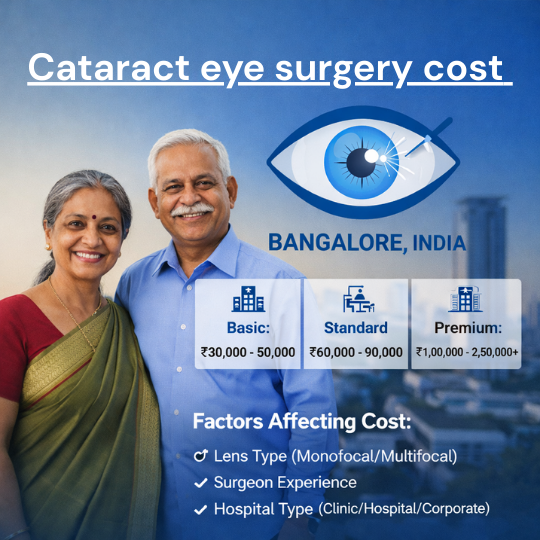
In India, prices range between ₹25,000 and ₹45,000 per pair, including initial fittings.
Factors Affecting Cost
- Practitioner’s experience
- Lens material and design complexity
- Follow-up care and warranty
Cost vs. LASIK vs. Regular Contacts
While initial costs are higher than regular contacts, Ortho-K is more affordable than LASIK and offers reversibility.
Maintenance and Care
Cleaning and Disinfecting
Use doctor-recommended cleaning solutions daily to prevent infections.
Storage Guidelines
Store in clean cases with fresh solution each time.
When to Replace Lenses
Typically replaced every 1–2 years, depending on wear and tear.
Ortho-K vs. Other Vision Correction Options
Ortho-K vs. LASIK
LASIK is permanent, while Ortho-K is reversible and suitable for younger patients.
Ortho-K vs. Daily Contact Lenses
This offers daytime freedom; daily lenses still require wear during the day.
Glasses vs Ortho-K
Glasses are noninvasive but can be inconvenient for active lifestyles.
Latest Advances in Ortho-K Technology
Improved Lens Materials
Modern high oxygen-permeable lenses enhance comfort and eye health.
Advanced Topography Mapping
Allows for more precise customization and better results.
AI in Lens Design
Artificial intelligence helps design lenses that perfectly match corneal shapes.
Myths and Misconceptions
“Ortho-K Is Permanent”
It’s not—stop wearing the lenses, and your vision will return to its original state.
“Only for Kids”
Adults can also benefit from ortho-k for both vision correction and convenience.
“It’s Painful to Wear”
Most users adapt within a few nights, and discomfort is minimal.
Tips for First-Time Users
Adapting to Nightwear
Start on weekends to give your eyes time to adjust.
Managing Discomfort
Use lubricating drops before insertion to enhance comfort.
Building a Care Routine
Clean lenses immediately after removal to keep them safe and hygienic.
Conclusion
Ortho-K lenses are a game-changer for people seeking clear vision without daytime glasses or contacts. They’re safe, reversible, and highly effective for both adults and children—especially for slowing myopia in young eyes. If you value visual freedom and want a non-surgical solution, Ortho-K might just be your perfect match.
FAQs
1. How long does it take for Ortho-K lenses to work?
Most people see improvement after the first night, with full results in 1–2 weeks.
2. Can I wear Ortho-K lenses every night?
Yes, wearing them nightly maintains optimal vision correction.
3. Is Ortho-K safe for children under 8?
It can be, but it depends on the child’s maturity and hygiene habits.
4. Can Ortho-K correct high myopia?
It works best for mild to moderate myopia; higher prescriptions may see partial improvement.
5. Will I still need glasses sometimes?
Some people may need glasses for very fine vision tasks, especially in low light.