

Introduction:
Vision is something most of us take for granted—until it starts slipping away. One day you’re reading street signs effortlessly, and the next, they look like watercolor paintings from a distance. That frustrating experience is often the first sign of nearsightedness, also known as myopia. It’s one of the most common vision conditions in the world, affecting children, teenagers, and adults alike. In fact, myopia is increasing at an alarming rate globally, especially in today’s screen-heavy lifestyle.
Nearsightedness doesn’t mean your vision is “bad” in a dramatic sense. It simply means your eyes are excellent at seeing things up close but struggle with objects far away. Sounds manageable, right? And it is—but only when properly understood and managed. Left unaddressed, nearsightedness can interfere with learning, work productivity, driving safety, and overall quality of life.
In this guide, we’ll break down everything you need to know about nearsightedness in plain, human language. No medical jargon overload. No robotic explanations. Just clear, practical insights that help you understand what’s happening inside your eyes, why it’s happening, and what you can do about it.
What Is Nearsightedness?
Nearsightedness, or myopia, is a common refractive error of the eye where close objects appear clear, but distant objects look blurry. Think of it like having a camera that focuses perfectly on nearby subjects but struggles to capture distant landscapes. You can read a book comfortably, yet road signs, whiteboards, or TV subtitles appear fuzzy unless you squint.
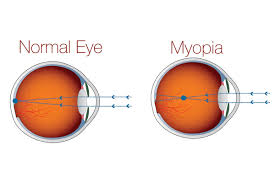
This condition occurs when the eye doesn’t bend light correctly. Instead of light rays focusing directly on the retina (the light-sensitive layer at the back of the eye), they focus slightly in front of it. The result? A blurred image when viewing things far away.
Myopia isn’t a disease—it’s a structural variation of the eye. And while it’s incredibly common, it’s not something to ignore. With the right diagnosis and treatment, nearsightedness can be managed effectively, allowing you to live a perfectly normal, visually rich life.
How the Human Eye Normally Works
To really understand nearsightedness, it helps to know how a healthy eye functions. Picture your eye as a high-tech camera. Light enters through the cornea, passes through the pupil, and gets fine-tuned by the lens. This focused light then lands on the retina, which converts it into signals sent to your brain.
When everything is perfectly aligned, images appear sharp at all distances. The cornea and lens work together to bend light just enough so it lands precisely on the retina. This delicate balance is what gives us clear vision.
What Goes Wrong in Myopia
In a nearsighted eye, that balance is slightly off. Most commonly, the eyeball is longer than normal, or the cornea is too curved. This causes light to focus in front of the retina instead of directly on it. The farther away an object is, the blurrier it becomes.
It’s not something you can feel happening, and it doesn’t hurt. But over time, especially during childhood and teenage years, the condition can progress if not managed properly.
Types of Nearsightedness
Not all myopia is the same. Understanding the different types can help determine the best treatment and long-term care strategy.
Simple Myopia
This is the most common form. It usually develops during childhood or adolescence and stabilizes in adulthood. Vision correction with glasses or contact lenses works very well for this type.
High Myopia
High myopia is more severe and typically defined by a prescription of -6.00 diopters or more. It increases the risk of serious eye conditions later in life, such as retinal detachment or glaucoma.
Degenerative or Pathological Myopia
This is a rare but serious form that continues to worsen into adulthood and can lead to permanent vision damage. It requires close monitoring by an eye care professional.
Progressive vs. Stable Myopia
Some people notice their prescription changing frequently, especially during growth years. This is called progressive myopia. Others reach a point where their vision stabilizes and stops changing significantly, known as stable myopia. Identifying which category you fall into helps guide treatment decisions.
Common Symptoms of Nearsightedness
Nearsightedness often creeps in quietly. You might not notice it right away, especially if the progression is slow. Common symptoms include:
- Blurry vision when looking at distant objects
- Squinting to see clearly
- Eye strain or fatigue
- Headaches, especially after focusing on distant tasks
- Difficulty driving at night
Subtle Signs People Often Ignore
Some symptoms are easy to overlook. Sitting closer to the TV, holding books very close, or avoiding activities that require distance vision can all be red flags. Children, in particular, may not realize their vision is different from normal, making regular eye exams crucial.
What Causes Nearsightedness?
Nearsightedness doesn’t have a single cause—it’s usually a combination of genetics and environment.
If one or both parents are nearsighted, the chances of developing myopia increase significantly. But genetics alone don’t tell the whole story. Environmental factors play a huge role, especially in modern society.
The Role of Screen Time
Spending long hours staring at phones, tablets, and computers forces the eyes to focus at close distances for extended periods. This constant “near work” is strongly linked to the rise in myopia, especially among children and teens.
Lack of Outdoor Exposure
Studies show that children who spend more time outdoors are less likely to develop myopia. Natural light and looking at distant objects help regulate eye growth. In simple terms, your eyes need variety—close, far, bright, dim—to develop properly.
Nearsightedness in Children
Childhood myopia is becoming more common every year. Early signs include difficulty seeing the board at school, frequent squinting, or complaints of headaches.
Undiagnosed myopia can affect academic performance, confidence, and even behavior. Kids may appear inattentive or disinterested when the real issue is that they simply can’t see clearly.
School Performance and Myopia
Clear vision is essential for learning. When a child struggles to see, reading comprehension drops, participation declines, and frustration builds. Early detection and correction can make a world of difference—not just academically, but emotionally too.
Nearsightedness in Adults
Adults aren’t immune to developing myopia. Lifestyle factors such as prolonged computer use, poor lighting, and lack of visual breaks can contribute to adult-onset nearsightedness.
Certain professions—like programmers, designers, and writers—are at higher risk due to prolonged close-up work. The good news? Adult myopia usually progresses more slowly and is easier to manage.
How Nearsightedness Is Diagnosed
Diagnosing nearsightedness is straightforward and painless. A comprehensive eye exam includes:
- Visual acuity tests
- Refraction tests
- Eye health evaluation
An optometrist or ophthalmologist determines how light enters your eyes and prescribes the appropriate correction.
Understanding Eye Prescription Numbers
Those negative numbers on your prescription can look intimidating. Simply put, the higher the number after the minus sign, the stronger the nearsightedness. For example:
| Prescription | Severity |
|---|---|
| -0.50 to -3.00 | Mild |
| -3.00 to -6.00 | Moderate |
| -6.00 and above | High |
Treatment Options for Nearsightedness
The most common treatments are glasses and contact lenses. Both correct vision by refocusing light directly onto the retina.
Pros and Cons of Eyeglasses
Glasses are easy to use, affordable, and low maintenance. However, they can be inconvenient during sports, fog up, or feel restrictive for some people.
Contact Lenses Explained
Contact lenses offer a wider field of vision and more freedom. Options include soft lenses, rigid gas permeable lenses, and daily disposables. They require proper hygiene but can be life-changing for many users.
Advanced Treatments for Nearsightedness
For those seeking a more permanent solution, refractive surgeries like LASIK, PRK, and SMILE reshape the cornea to correct vision.
Who Is a Good Candidate for Eye Surgery
Ideal candidates are typically over 18, have stable prescriptions, and healthy eyes. A thorough evaluation is essential before considering surgery.
Managing Progressive Myopia
Slowing myopia progression is especially important in children. Modern strategies include:
- Low-dose atropine eye drops
- Orthokeratology (overnight corrective lenses)
- Specialized myopia control lenses
Lifestyle Changes to Slow Myopia Progression
Simple habits can make a big difference:
- Follow the 20-20-20 rule
- Increase outdoor time
- Maintain good lighting
- Reduce unnecessary screen use
Complications of High Nearsightedness
Severe myopia increases the risk of serious eye problems, including retinal detachment, macular degeneration, and glaucoma. Regular eye exams are critical for early detection.
Myths and Facts About Nearsightedness
Myth: Eye exercises can cure myopia
Fact: They may reduce strain but won’t fix structural issues
Myth: Reading in dim light causes myopia
Fact: Poor lighting causes fatigue, not myopia
Living Confidently With Nearsightedness
Nearsightedness doesn’t define you. With proper correction and care, you can live fully and confidently. Millions of people around the world thrive with myopia—it’s simply part of modern life.
Future Research and Innovations
From smart contact lenses to advanced myopia control therapies, the future looks promising. Researchers are continuously exploring ways to prevent and even reverse myopia progression.
Author Details:
Dr. Sushruth Appajigowda holds a prominent position as a Cornea, Cataract, Glaucoma, and LASIK Surgeon in Bangalore. He serves as the chief Cataract and Refractive surgeon at Vijaya Nethralaya Eye Hospital, Nagarbhavi Bangalore. Renowned as one of the finest LASIK surgeons nationwide, he brings with him over 12+ years of experience across multiple LASIK platforms, including ZEISS, ALCON, SCHWIND, AMO, and Bausch and Lomb. Having successfully conducted over 5000 LASIK procedures, Dr. Sushruth holds the title of a Certified Refractive Surgeon and a Fellow of the All India Collegium Of Ophthalmology. Furthermore, he stands as a distinguished speaker at various National and International Forums, using his expertise to guide you in selecting the most suitable procedure based on your health requirements.

Conclusion:
Nearsightedness is incredibly common, but it’s also incredibly manageable. Understanding its causes, recognizing early signs, and choosing the right treatment can protect your vision for years to come. Whether you’re a parent, student, or working professional, taking eye health seriously is one of the smartest decisions you can make.
FAQs:
1. Can nearsightedness be cured permanently?
Currently, it can be corrected but not cured without surgery.
2. Does nearsightedness always get worse?
Not always. Many cases stabilize in adulthood.
3. Is nearsightedness hereditary?
Yes, genetics play a major role.
4. Can lifestyle changes really help?
Absolutely, especially in slowing progression.
5. How often should I get my eyes checked?
Once a year, or as recommended by your eye care professional.