
What Is Nearsightedness?
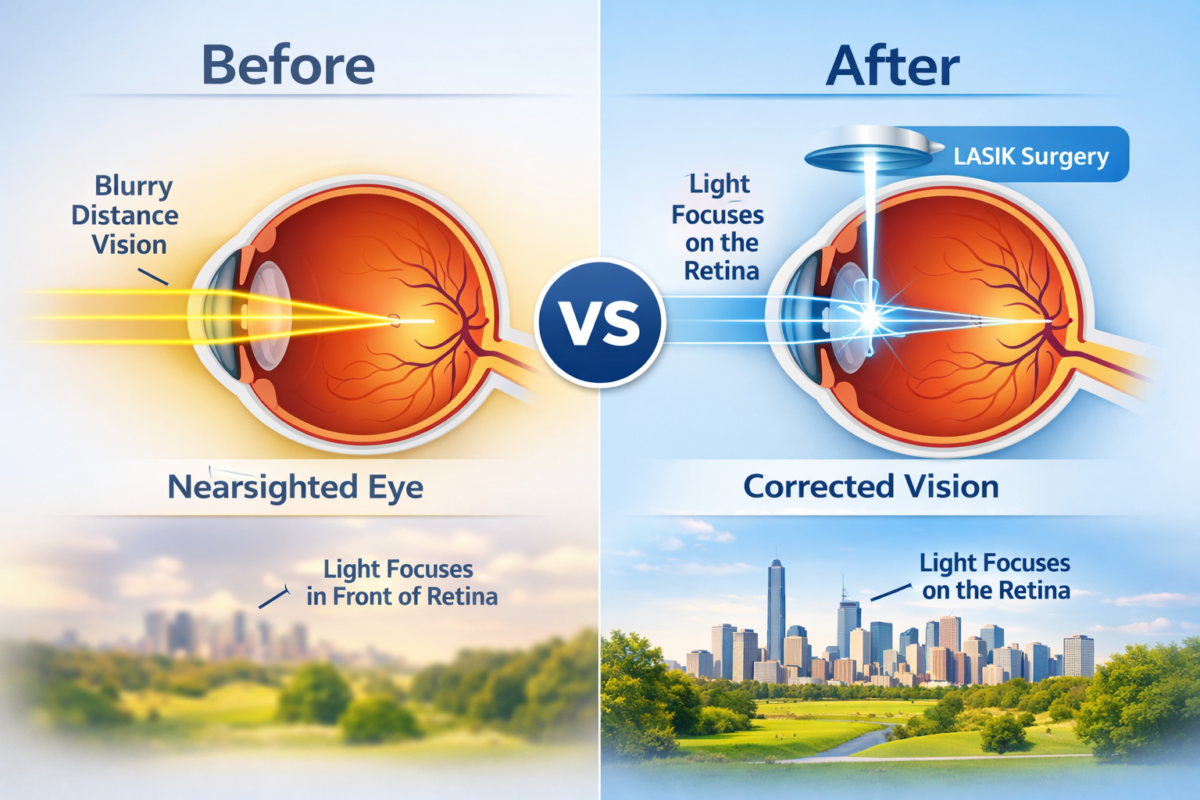
Nearsightedness, also called myopia, is a common vision condition where nearby objects appear clear, but distant objects look blurry. This happens when the eyeball is slightly longer than normal or the cornea is too curved. As a result, light rays converge before reaching the retina rather than focusing directly on it.
Myopia often starts in childhood and may progress through the teenage years. Today, it is becoming more common worldwide, especially among children and young adults.
Common Causes of Nearsightedness
Genetic Factors
If one or both parents are nearsighted, the risk of developing myopia increases significantly. Genetics plays a strong role, especially in early childhood cases.
Environmental & Lifestyle Causes
Excessive screen time, prolonged near work, poor lighting, and limited outdoor activity can worsen myopia progression, particularly in children and teenagers.

(Myopia)
Signs and Symptoms of Myopia
- Blurred distance vision
- Squinting to see far objects
- Frequent headaches
- Eye strain or fatigue
- Difficulty driving at night
Recognizing these symptoms early allows timely nearsightedness treatment and prevents further deterioration.
How Nearsightedness Is Diagnosed
Eye Exams and Vision Tests
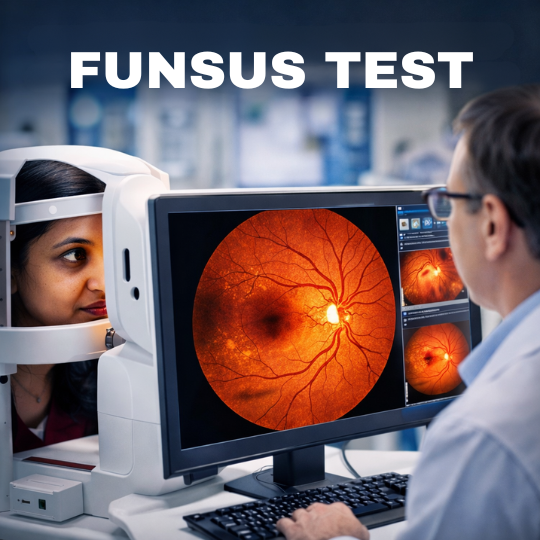
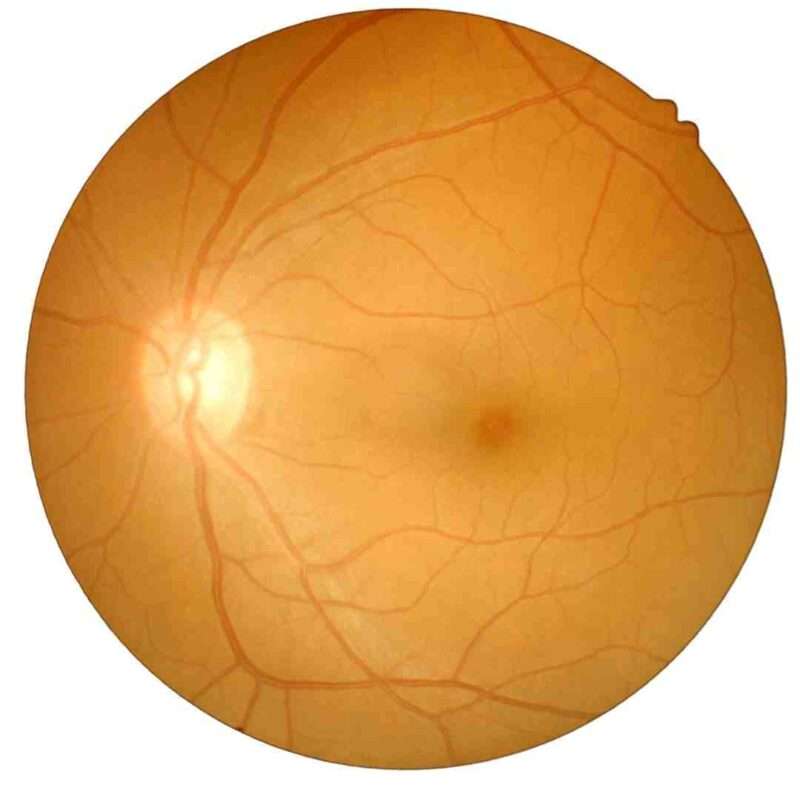
A comprehensive eye examination includes visual acuity tests, refraction assessment, and retinal evaluation. Advanced diagnostic tools at Vijaya Nethralaya Super Speciality Eye Hospital ensure precise detection and monitoring.
Why Early Nearsightedness Treatment Matters
Early intervention slows progression, especially in children. Untreated myopia can increase the risk of serious eye conditions such as retinal detachment, glaucoma, and macular degeneration later in life.
Non-Surgical Nearsightedness treatment: Options
Prescription Glasses
Eyeglasses are the most common and safest correction method. They instantly improve vision and can be customized to meet individual lifestyle needs.
Contact Lenses
Contact lenses offer a wider field of view and cosmetic convenience. Specialized lenses may also help control myopia progression in children.
Orthokeratology (Ortho-K)
Ortho-K lenses gently reshape the cornea overnight, allowing patients to see clearly during the day without glasses. This is an effective temporary nearsightedness treatment option.
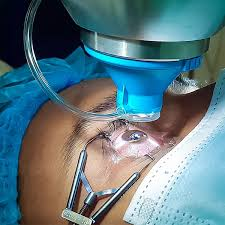
Advanced Surgical Nearsightedness Treatment:
LASIK Eye Surgery
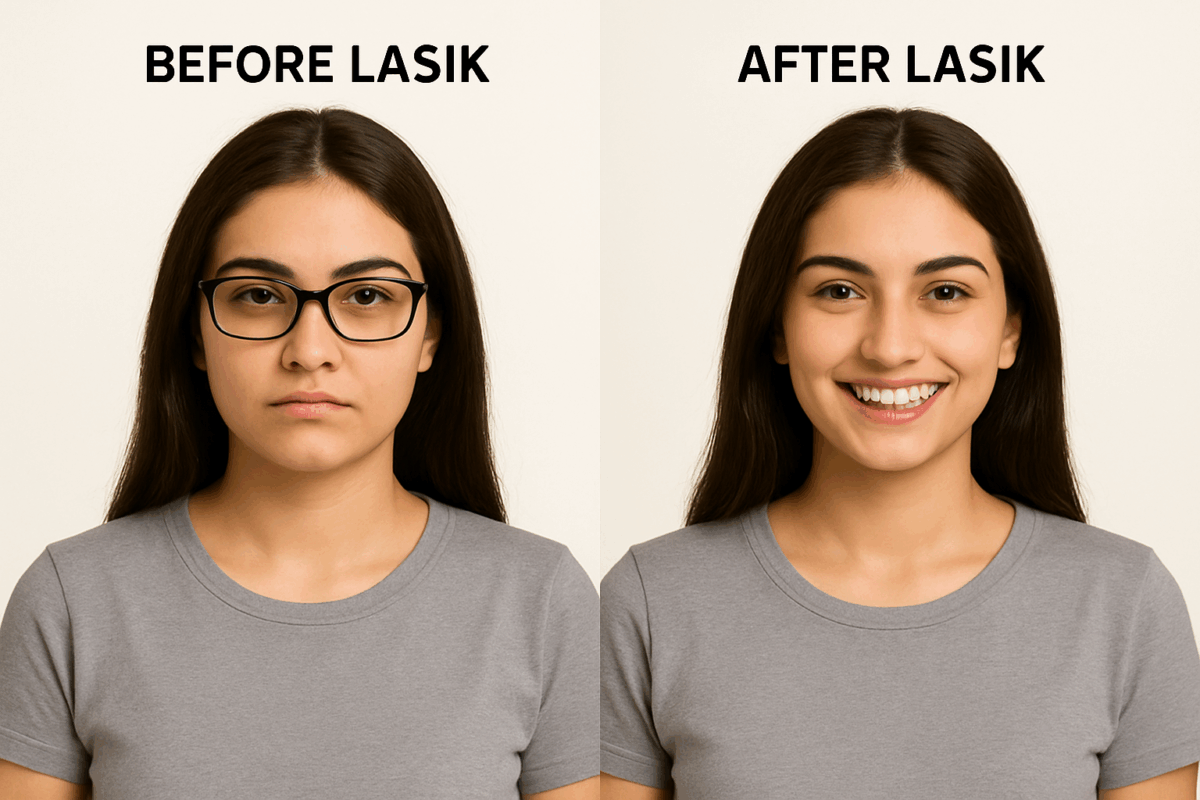
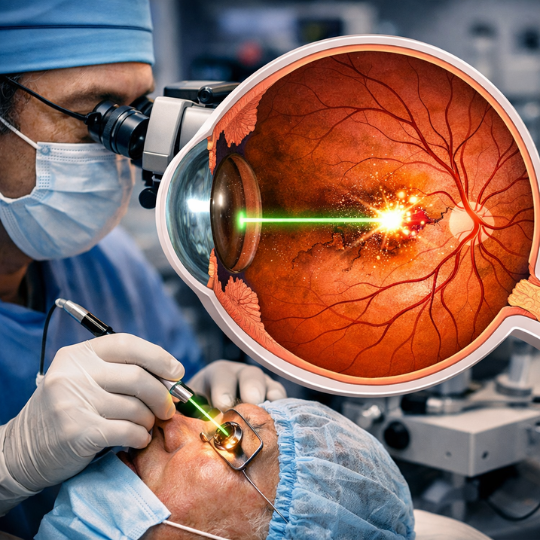
LASIK reshapes the cornea using laser technology and offers quick recovery with long-lasting results.
PRK
PRK is suitable for patients with thin corneas. Though recovery takes longer than LASIK, outcomes are equally effective.
SMILE Procedure
SMILE is a minimally invasive laser surgery with faster healing and reduced dryness, making it a modern alternative.
The surgical team at Vijaya Nethralaya Super Speciality Eye Hospital follows strict safety protocols for every procedure.
Pediatric Nearsightedness Management
Children require specialized care. Myopia control strategies include low-dose atropine drops, Ortho-K lenses, and regular monitoring to reduce rapid progression.
Role of Lifestyle Changes in Vision Control
- Increase outdoor activity
- Limit screen time
- Maintain proper reading distance
- Follow the 20-20-20 rule
Treatment and lifestyle adjustments support medical nearsightedness treatment and improve eye health.
Why Choose Vijaya Nethralaya Super Speciality Eye Hospital
- Highly experienced ophthalmologists
- Advanced diagnostic and laser technology
- Personalized treatment plans
- Strong focus on patient safety and outcomes
The hospital is recognized for excellence in comprehensive eye care.
Conclusion and Key Takeaways
Managing myopia is easier today than ever before. With early diagnosis, regular eye care, and the right correction method, people can enjoy clear and comfortable vision at any age. A balanced lifestyle, professional guidance, and modern options make nearsightedness treatment both effective and accessible.
Frequently Asked Questions (FAQs)
1. Can myopia be cured permanently?
Currently, myopia cannot be cured, but it can be effectively managed and corrected.
2. Is surgery safe for everyone?
No. Eligibility depends on age, eye health, and prescription stability.
3. Do glasses make eyesight worse?
No. Glasses correct vision and do not weaken the eyes.
4. Can children outgrow nearsightedness?
Some may stabilize, but most need ongoing management.
5. Are contact lenses better than glasses?
Neither is better universally; it depends on personal needs.
6. How often should prescriptions be updated?
Usually every 1–2 years or when vision changes are noticed.