
Introduction to Refractive Errors:
What Are Refractive Errors?
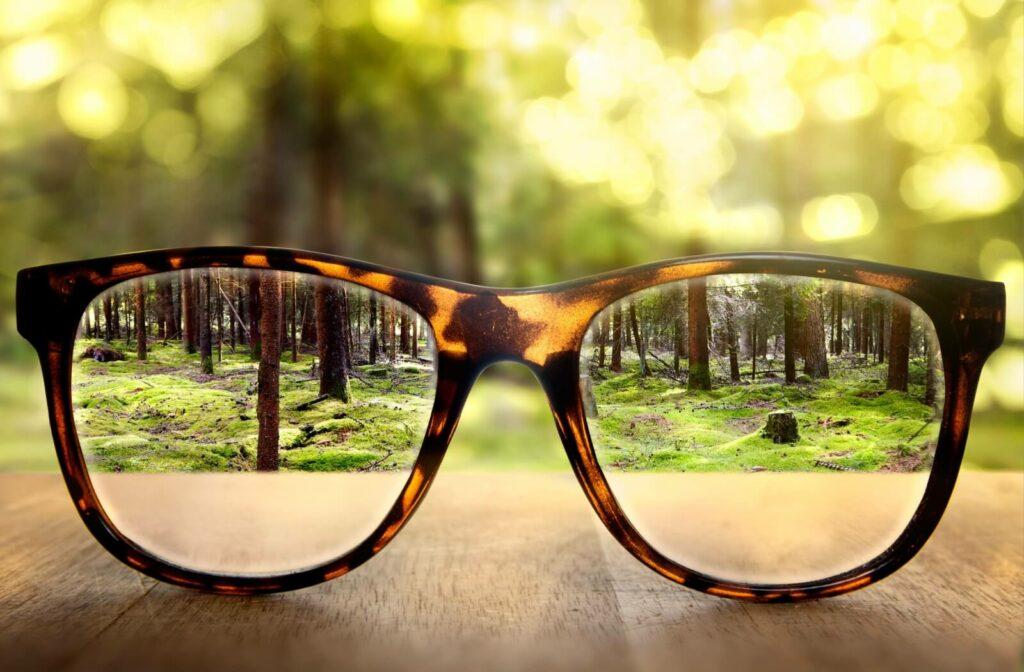
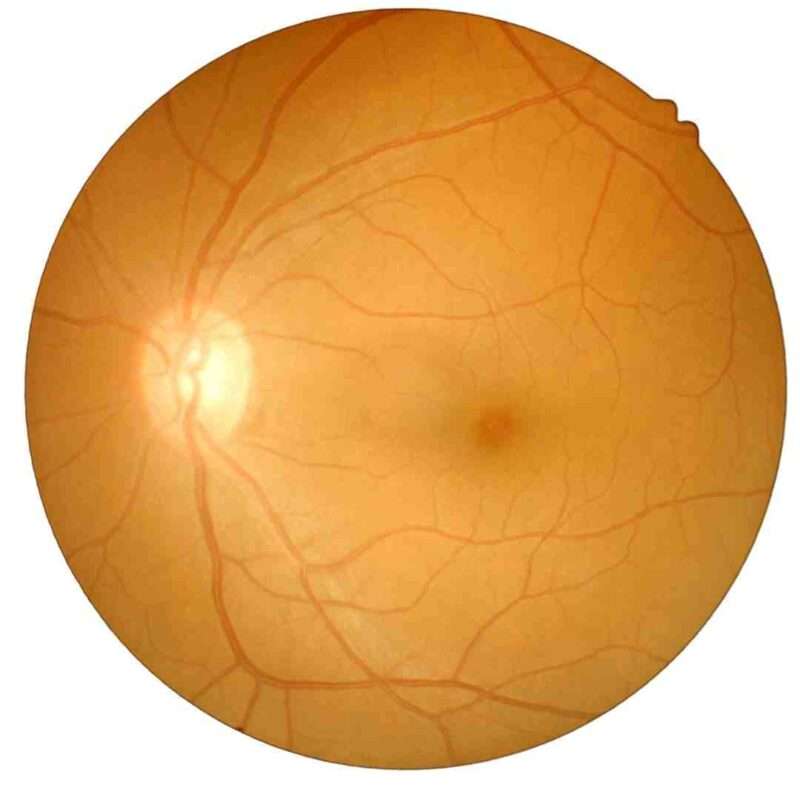
Think of your eye like a camera. When everything works perfectly, the image focuses sharply on the retina. But when the focus goes slightly off, things appear blurry. This focusing problem is called a refractive error, and the two most common ones are myopia and hypermetropia.
Why Clear Vision Depends on Refraction
Refraction is simply how light bends when it enters your eye. If light doesn’t land exactly on the retina, clarity suffers. Small changes in eye length or lens shape can make a big difference in how clearly you see the world.
Understanding Myopia (Nearsightedness):
What Is Myopia?
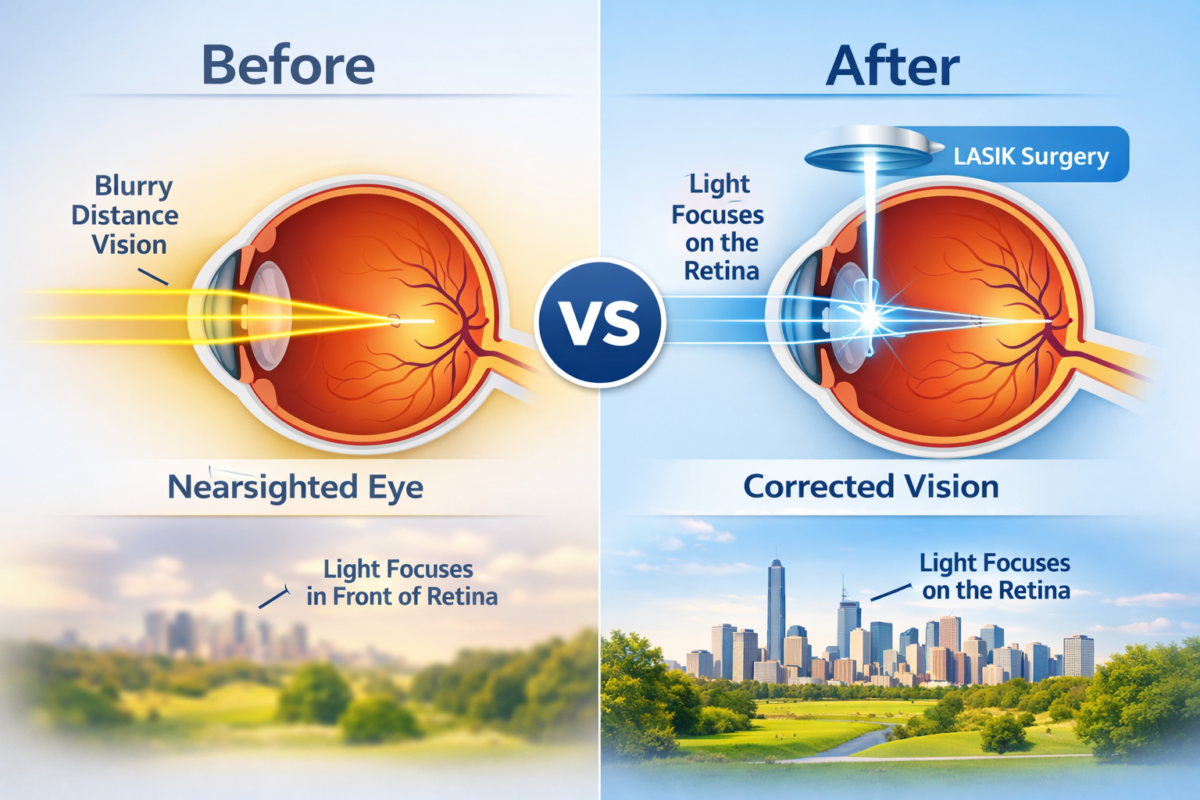
Myopia, also known as nearsightedness, is a condition where nearby objects appear clear, but distant objects look blurred. Road signs, classroom boards, or TV screens often become hard to see.
How Myopia Affects Vision
In myopia, light rays focus in front of the retina instead of directly on it. This usually happens because the eyeball is slightly longer than normal.
Common Symptoms of Myopia:
- Difficulty seeing distant objects
- Squinting to see clearly
- Eye strain and headaches
- Sitting too close to screens
Causes and Risk Factors of Myopia
Genetics
If one or both parents have myopia, the chances increase significantly.
Excessive Screen Time
Long hours on mobile phones, laptops, and tablets force the eyes to work harder at close distances.
Lack of Outdoor Activities
Studies show children who spend less time outdoors have a higher risk of developing myopia.
Understanding Hypermetropia (Farsightedness):
What Is Hypermetropia?
Hypermetropia, or farsightedness, is the opposite of myopia. Distant objects may be seen clearly, but nearby objects appear blurred—especially during reading or mobile use.
How Hypermetropia Affects Vision
Here, light rays focus behind the retina, often because the eyeball is shorter or the eye lens has less focusing power.
Common Symptoms of Hypermetropia:
- Difficulty with near work
- Eye strain after reading
- Headaches
- Tired or burning eyes
Causes and Risk Factors of Hypermetropia:
Shorter Eyeball Length
A naturally shorter eye affects how light is focused.
Family History
Hypermetropia can also run in families.
Key Differences Between Myopia and Hypermetropia:
Vision Comparison
- Myopia: Clear near vision, blurred distance
- Hypermetropia: Clear distance vision, blurred near vision
Age of Onset
- Myopia usually starts in childhood or teenage years
- Hypermetropia may be present from birth but noticed later
Progression Over Time
Myopia often progresses during growing years, while hypermetropia may reduce slightly as children grow.
Diagnosis of Myopia and Hypermetropia:
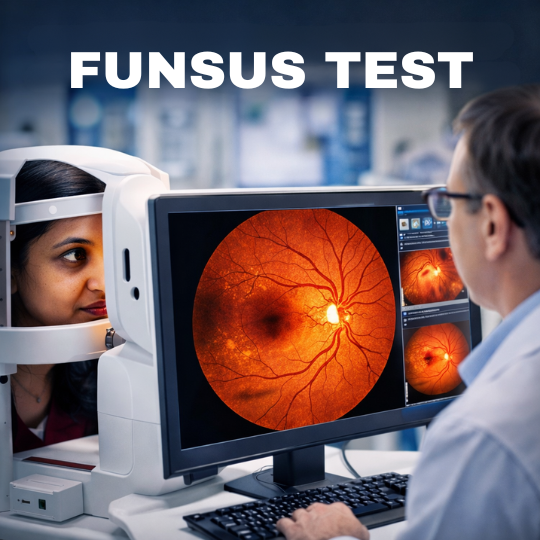
Eye Power Test
A simple refraction test helps measure eye power accurately.
Cycloplegic Refraction
Especially important for children, this test relaxes eye muscles to reveal true power.
Role of Regular Eye Checkups
Routine eye exams help detect changes early and prevent complications.
Treatment Options for Myopia:
Eyeglasses and Contact Lenses
The most common and safest correction method.
Myopia Control Lenses
Special lenses slow down myopia progression in children.
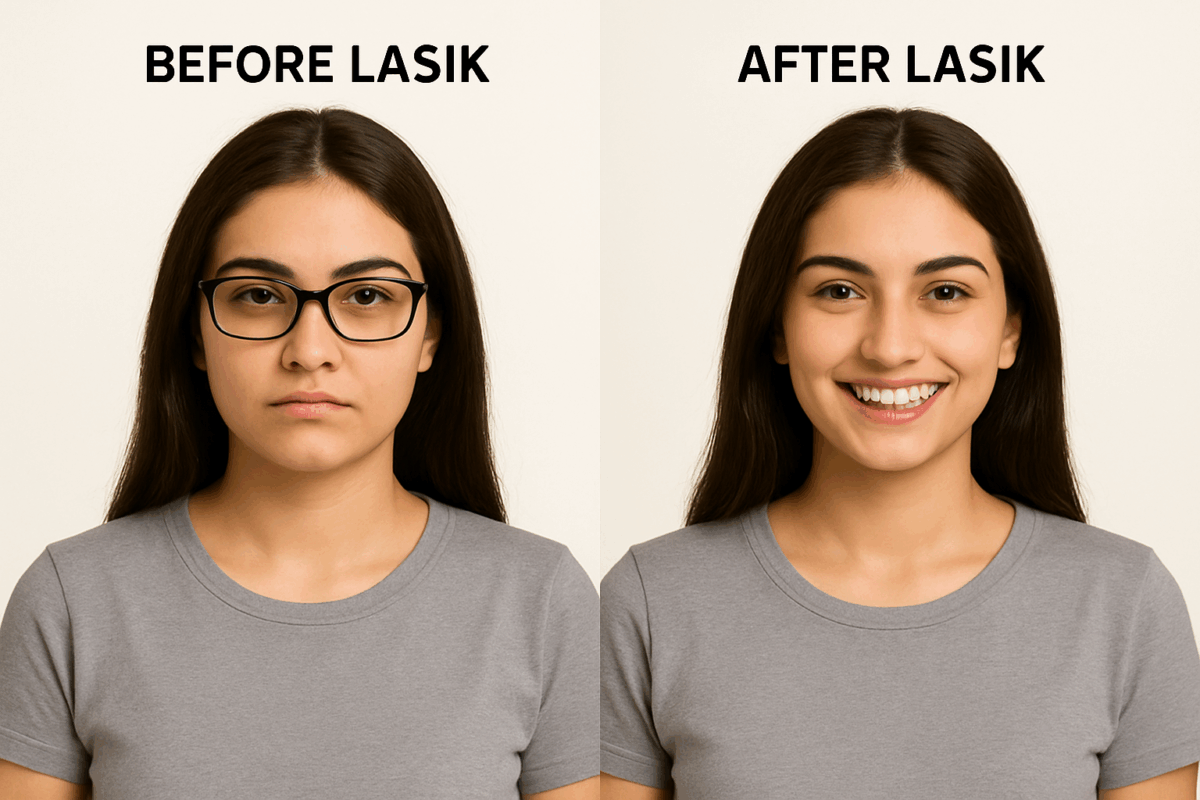
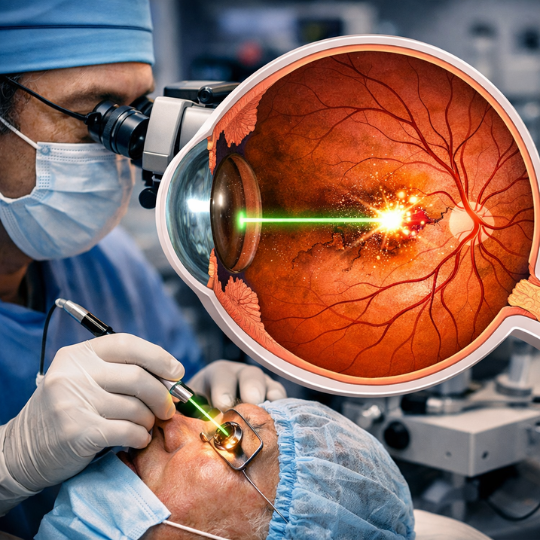
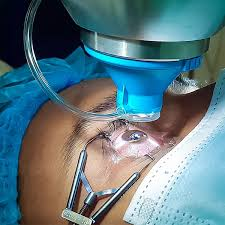
LASIK and Laser Vision Correction
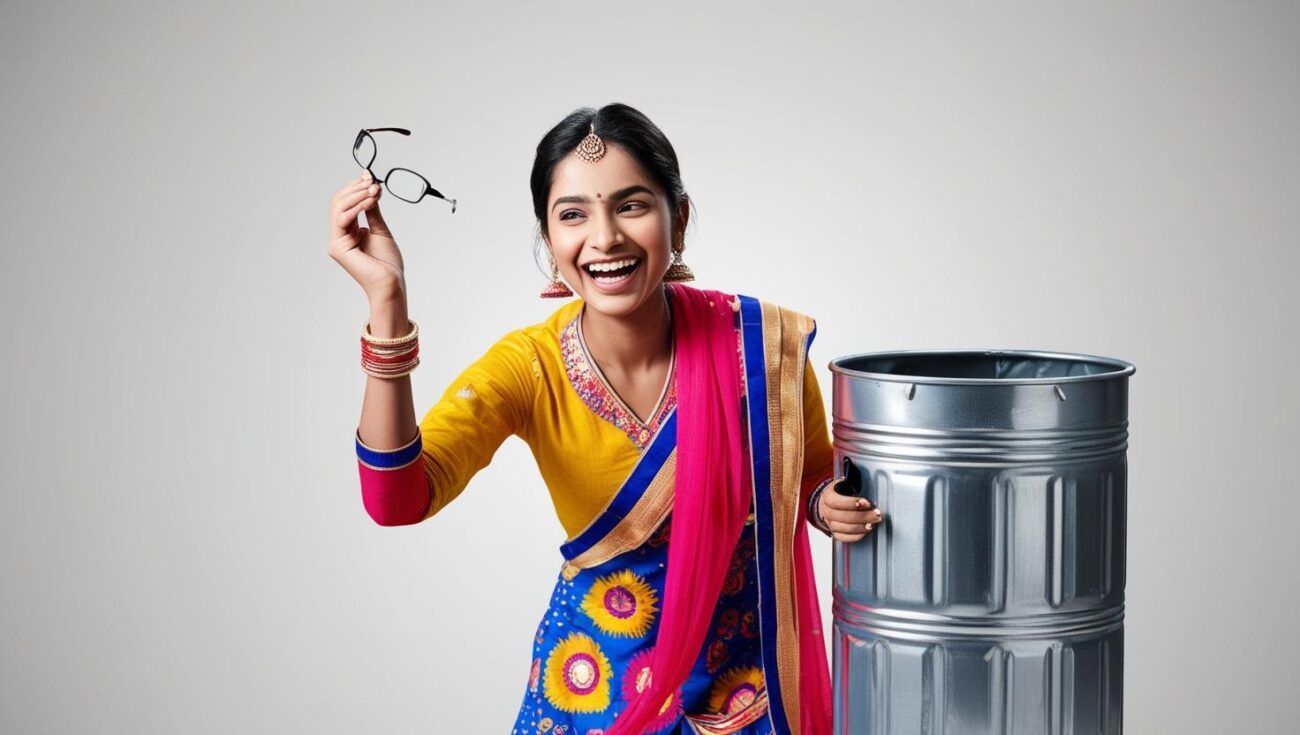
A permanent solution for eligible adults looking to remove glasses.
ICL Surgery for High Myopia
Ideal for patients with very high power or thin corneas.
Treatment Options for Hypermetropia:
Spectacles and Contact Lenses
Convex lenses help focus light correctly onto the retina.
Laser Eye Surgery
Corrects farsightedness by reshaping the cornea.
Lens-Based Surgical Options
Used in higher powers or age-related cases.
Myopia and Hypermetropia in Children:
Early Signs Parents Should Watch
- Sitting too close to TV
- Frequent headaches
- Avoiding reading
Importance of Timely Treatment
Early correction prevents lazy eye and learning difficulties.
Long-Term Impact if Untreated
Severe myopia can increase the risk of retinal problems later in life.
Lifestyle Tips to Protect Your Vision:
Screen Time Management
Follow the 20-20-20 rule: every 20 minutes, look 20 feet away for 20 seconds.
Outdoor Activities
At least 1–2 hours of outdoor play daily helps eye development.
Nutrition for Eye Health
Foods rich in Vitamin A, Omega-3, and antioxidants support good vision.
Myths and Facts About Eye Power
Does Wearing Glasses Increase Power?
No. Glasses correct vision; they don’t worsen eye power.
Can Exercises Cure Myopia or Hypermetropia?
Exercises may reduce eye strain but cannot permanently remove power.
Choosing the Right Eye Treatment:
Factors to Consider
Age, eye power, corneal thickness, and lifestyle.
Importance of Expert Consultation
An experienced eye specialist ensures safe and effective treatment.
Future of Vision Correction:
Advancements in Laser Technology
Modern lasers offer bladeless, highly precise procedures.
AI and Personalized Eye Care
AI-based diagnostics are making treatments more accurate and customized.
Conclusion:
Myopia and hypermetropia are common vision problems, but the good news is—they are highly manageable. With early diagnosis, proper correction, and modern treatment options, clear vision is well within reach. Whether it’s glasses, contact lenses, or advanced laser surgery, today’s eye care solutions are safer and more effective than ever. Your eyes deserve attention—don’t ignore the signs.
Frequently Asked Questions (FAQs):
1. Can myopia be permanently cured?
Myopia can be permanently corrected with laser surgery in eligible adults.
2. Is hypermetropia serious?
Mild cases are common, but higher power needs proper correction to avoid strain.
3. At what age can LASIK be done?
Usually after 18 years, once eye power stabilizes.
4. Can children wear contact lenses?
Yes, under proper guidance and hygiene.
5. How often should I check my eyes?
Once a year, or more frequently if advised by your eye doctor.