
Vision is one of those things we take for granted—until it starts slipping away. Multifocal cataract lenses, cost One day you’re reading road signs with ease, and the next, everything looks cloudy, dull, and frustrating. That’s often how cataracts sneak into your life. And when your eye doctor starts talking about surgery, the conversation quickly shifts to lenses—especially multifocal cataract lenses and their cost.
So, how much do multifocal cataract lenses really cost? Why are they more expensive than standard lenses? And most importantly, are they worth the investment? If these questions are swirling in your head, you’re in the right place. This guide breaks everything down in plain English—no medical jargon, no sales talk, just honest, practical insight.
Multifocal cataract lenses are often marketed as a “premium” option, promising clear vision at near, intermediate, and far distances. Sounds great, right? But that premium vision comes with a premium price tag, and for many people, the cost can feel overwhelming. The truth is, the price isn’t just about the lens itself—it reflects technology, surgical expertise, testing, and long-term lifestyle benefits.
In this article, we’ll walk through every angle of multifocal cataract lens cost, from average prices to hidden fees, insurance coverage, and long-term value. Think of this as a friendly conversation with someone who’s already done the homework for you. By the end, you’ll have a crystal-clear understanding of whether multifocal lenses fit your vision needs, lifestyle, and budget.
Understanding Cataracts and Vision Loss
Cataracts don’t usually show up overnight like a sudden storm. They creep in slowly, like fog rolling across a clear road. At first, you might just notice glare from headlights at night or need brighter light to read. Over time, colors fade, details blur, and even simple tasks become tiring. Cataracts happen when the natural lens of your eye becomes cloudy, often due to aging, though diabetes, smoking, UV exposure, and genetics can speed things up.
What makes cataracts particularly frustrating is how they chip away at independence. Driving becomes stressful, reading menus turns into guesswork, and recognizing faces from a distance feels awkward. Glasses can help only up to a point. Eventually, no prescription can cut through that cloudy lens. That’s when cataract surgery enters the picture as the only effective solution.
Emotionally, vision loss can feel isolating. People often avoid social activities or hobbies they once loved. Imagine loving books but struggling to read a single page, or enjoying travel but feeling anxious behind the wheel. Cataract surgery isn’t just about clearer sight—it’s about restoring confidence, comfort, and quality of life.
Understanding cataracts is important because it frames the value of your lens choice. When you realize how much vision affects daily happiness, the conversation about multifocal cataract lens cost becomes less about numbers and more about long-term living. You’re not just paying for a lens; you’re investing in how you see the world every single day.
Cataract Surgery Explained in Simple Terms
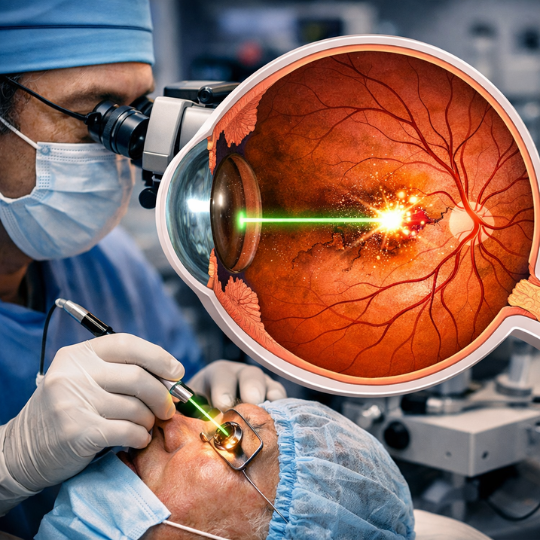
Cataract surgery might sound intimidating, but in reality, it’s one of the safest and most commonly performed procedures in the world. The surgery typically takes less than 30 minutes, and most patients go home the same day. During the procedure, the surgeon removes the cloudy natural lens and replaces it with an artificial intraocular lens, or IOL.
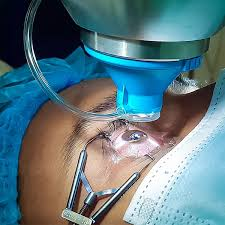
There are different techniques, but modern cataract surgery often uses ultrasound (phacoemulsification) or laser-assisted methods. Both are highly precise. The real game-changer, however, isn’t the surgery itself—it’s the type of lens implanted. This is where costs begin to vary significantly.
Standard monofocal lenses correct vision at one distance, usually far. That means you’ll still need glasses for reading or computer work. Multifocal lenses, on the other hand, are designed to provide vision at multiple distances. Think of them as built-in progressive glasses inside your eye.
Because multifocal lenses require more detailed measurements, advanced planning, and surgical precision, the overall procedure becomes more complex. This complexity directly affects the cost. When clinics quote multifocal cataract lens costs, they’re factoring in advanced diagnostics, premium technology, and surgeon expertise—not just the lens itself.
Understanding this helps explain why prices can vary so widely. It’s not a one-size-fits-all surgery, and the lens choice plays a massive role in both your visual outcome and your final bill.
What Are Multifocal Cataract Lenses?
Multifocal cataract lenses are artificial lenses designed to replace your eye’s natural lens after cataract removal. Unlike monofocal lenses, which focus light at a single distance, multifocal lenses split incoming light into multiple focal points. This allows you to see clearly at near, intermediate, and far distances—often without glasses.
In everyday terms, multifocal lenses aim to give you freedom. Freedom from constantly switching between reading glasses and distance glasses. Freedom to check your phone, work on a computer, and drive—all with minimal visual aids. That convenience is a big reason people consider paying the higher multifocal cataract lens cost.
There are different types of multifocal lenses, including diffractive and refractive designs. Some newer lenses also fall under the “extended depth of focus” category, offering smoother transitions between distances. Each design has its own strengths, limitations, and price range.
However, multifocal lenses aren’t magic. Because they split light, some patients notice halos, glare, or reduced contrast—especially at night. That’s why proper patient selection and realistic expectations are crucial. When chosen wisely, these lenses can be life-changing. When chosen poorly, they can be frustrating.
The cost reflects not just the lens but also the research, engineering, and years of development behind it. You’re paying for sophisticated optics designed to mimic the natural focusing ability of a young, healthy eye—something no standard lens can do.
How Multifocal Cataract Lenses Work
To understand why the cost of multifocal cataract lenses is higher, it helps to know how they actually work. These lenses use advanced optical zones or rings that bend light in different ways. Each zone is responsible for a specific focal distance—near, intermediate, or far. Your brain then learns to select the sharpest image depending on what you’re looking at.
This process, known as neuroadaptation, doesn’t happen instantly. For the first few weeks or even months, your brain is essentially retraining itself. Some people adapt quickly; others take longer. During this period, you might notice halos around lights or slight blurriness in certain situations. For most patients, these effects fade as the brain adjusts.
The technology required to create these lenses is incredibly precise. Microscopic imperfections can affect vision quality, which is why manufacturing standards are so high—and expensive. Add to that the need for exact measurements of your eye’s shape, size, and visual behavior, and you start to see where the cost comes from.
Multifocal lenses are like high-end cameras compared to disposable ones. Both take pictures, but one delivers detail, depth, and flexibility; the other simply can’t. That’s the essence of what you’re paying for when you consider multifocal cataract lens cost.
Multifocal Cataract Lens Cost: The Big Picture
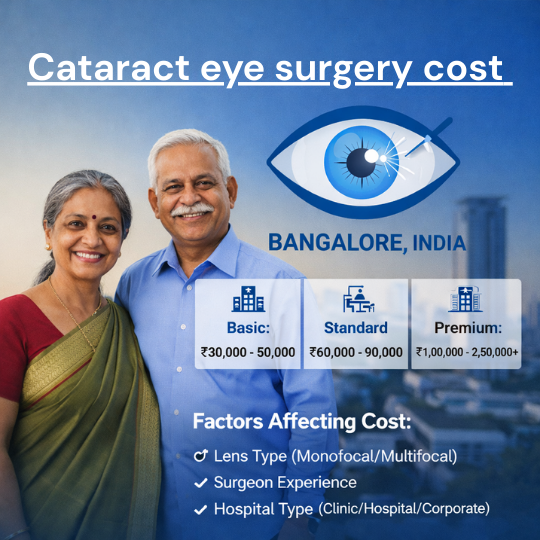
Now let’s talk numbers—because this is what most people are really here for. On average, the cost of multifocal cataract lenses ranges from $2,000 to $4,000 per eye, on top of standard cataract surgery fees. In some regions or premium clinics, the price can go even higher.

This cost usually includes:
- The multifocal lens itself
- Advanced pre-operative testing
- Surgical implantation
- Post-operative follow-ups
However, it’s important to ask for a detailed breakdown. Some clinics bundle everything together, while others itemize each service. Prices can also vary depending on the brand of lens, the surgeon’s experience, and the technology used during surgery.
Internationally, costs differ dramatically. In countries with private healthcare systems, prices tend to be higher. In medical tourism destinations, multifocal cataract lens costs may be lower—but that comes with its own risks and considerations.
Multifocal lenses are a significant financial investment, but they’re also a long-term one. Unlike glasses or contacts, this is typically a one-time decision that affects your vision for the rest of your life.