
Introduction:
What is a cataract?
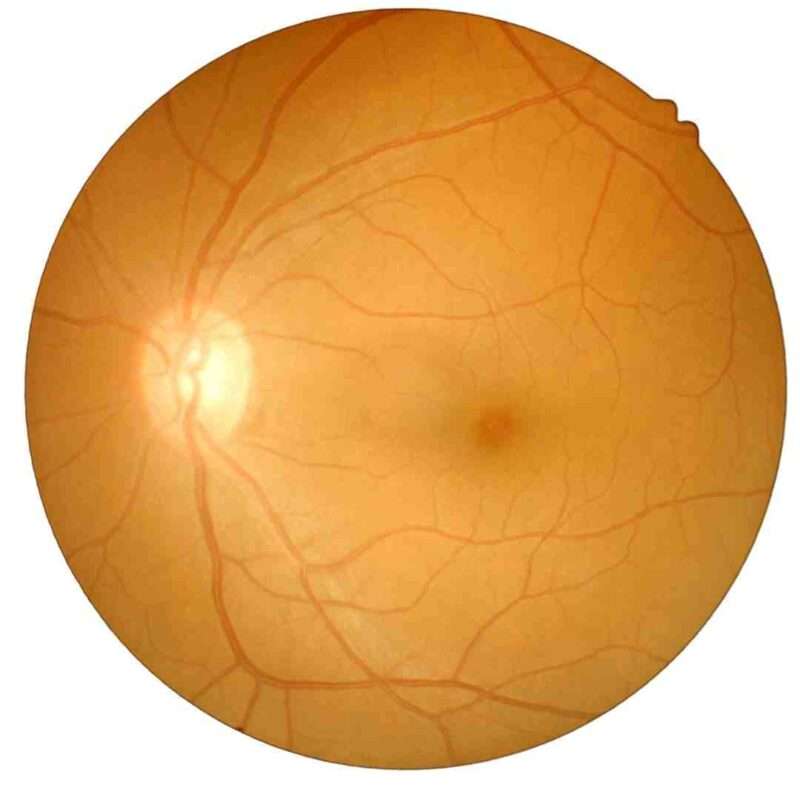
Imagine looking through a foggy window that just won’t clear, no matter how much you wipe it. That’s exactly how a cataract feels. A cataract occurs when the natural lens of your eye becomes cloudy, blocking light from passing through clearly—and this is where micro-incision cataract surgery plays a crucial role in restoring clear vision. Over time, this cloudiness worsens, making everyday activities like reading, driving, or recognizing faces increasingly difficult, until micro-incision cataract surgery becomes the most effective treatment option.
Why Cataracts Are So Common After 50
Cataracts are largely age-related. As we grow older, the proteins in our eye lens start breaking down and clumping together. This natural aging process is why cataracts are most commonly seen after the age of 50. Factors like diabetes, prolonged sunlight exposure, smoking, and steroid use can speed things up.
What Is Micro-Incision Cataract Surgery (MICS)?
Definition of MICS
Micro-Incision Cataract Surgery, commonly called MICS, is an advanced cataract surgery technique where the surgeon removes the cataract through an extremely small incision—usually less than 2 mm. The smaller the cut, the gentler the surgery.
How It Is Different from Traditional Cataract Surgery
Traditional cataract surgery involves larger incisions, which require stitches and longer healing time. MICS, on the other hand, uses ultra-small, self-sealing incisions. Think of it like the difference between repairing a wall by breaking it open versus fixing it through a tiny access point.
Evolution of Cataract Surgery
From Large Incisions to Micro-Incisions
Cataract surgery has come a long way. Earlier, surgeons had to make large cuts to remove the cloudy lens. Over the decades, technology refined the process—smaller tools, better microscopes, and advanced machines paved the way for micro-incisions.
Why Smaller Incisions Changed Everything
Smaller incisions mean less trauma to the eye. This results in faster healing, minimal inflammation, reduced infection risk, and quicker visual recovery. In short, smaller incisions made cataract surgery safer and more comfortable.
How Micro-Incision Cataract Surgery Works
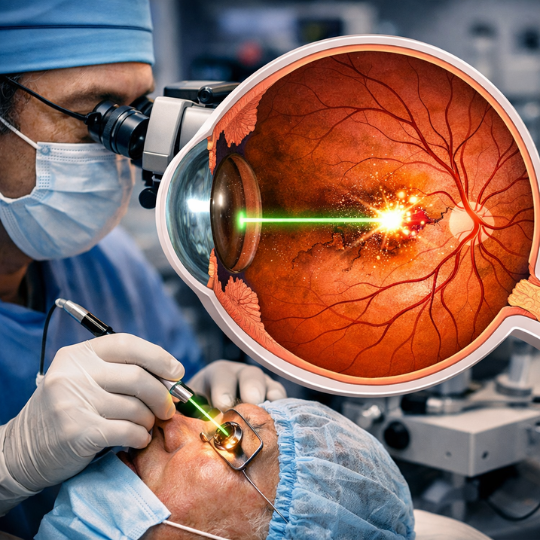
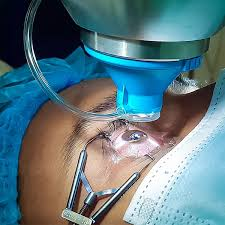
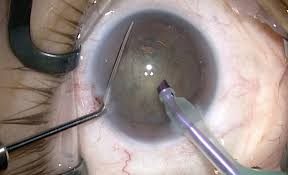
First, the eye is numbed using local anesthesia. A micro-incision is then made at the edge of the cornea. Using ultrasound energy, the cataract is broken into tiny pieces and gently removed. Once the cloudy lens is out, a foldable artificial lens is inserted through the same small incision.
Role of Phacoemulsification
Phacoemulsification is the heart of MICS. It uses controlled ultrasound waves to emulsify the cataract. This precision allows surgeons to work efficiently through tiny incisions without damaging surrounding eye structures.
Size Matters: Understanding the Micro-Incision
How Small Is the Incision?
In MICS, the incision size typically ranges from 1.8 mm to 2.2 mm. That’s smaller than the tip of a ballpoint pen! Despite its size, it’s large enough to safely remove the cataract and implant the new lens.
Why Smaller Incisions Heal Faster
Smaller wounds naturally heal quicker. They seal on their own, often without stitches. This means less irritation, less redness, and a faster return to normal life.
Types of Lenses Used in MICS:
Monofocal Intraocular Lenses
These lenses provide clear vision at one distance, usually far. Glasses may still be needed for reading.
Multifocal and Trifocal Lenses
These advanced lenses allow you to see at near, intermediate, and far distances. They are ideal for people who want freedom from glasses.
for Astigmatism
If you have astigmatism, toric lenses correct both cataracts and corneal irregularity in one go.
Who Is an Ideal Candidate for Micro-Incision Cataract Surgery?
Age and Vision Criteria
Most people diagnosed with cataracts are eligible for MICS. It is especially beneficial for those who want faster recovery and minimal discomfort.
When MICS May Not Be Suitable
In very advanced or complicated cataracts, the surgeon may choose an alternative approach. A thorough eye evaluation determines suitability.
Benefits of Micro-Incision Cataract Surgery
Faster Recovery
Many patients notice improved vision within 24–48 hours.
Minimal Pain and Discomfort
Thanks to the tiny incision, pain is minimal and often described as mild irritation.
Reduced Risk of Complications
Smaller incisions mean fewer chances of infection or wound leakage.
Better Visual Outcomes
Accurate lens placement and stable incisions lead to sharper vision.
Micro-Incision Cataract Surgery vs Conventional Cataract Surgery
Incision Size Comparison
Conventional surgery uses larger incisions, while MICS uses micro-incisions under 2 mm.
Healing Time and Vision Recovery
MICS patients recover significantly faster, often resuming daily activities within days.
Safety and Accuracy
MICS offers superior precision, making it one of the safest cataract procedures today.
Is Micro-Incision Cataract Surgery Safe?
Success Rates
MICS has an extremely high success rate when performed by experienced surgeons using modern technology.
Possible Risks and How They Are Managed
Like any surgery, minor risks exist, but they are rare and manageable with timely care.
Recovery After Micro-Incision Cataract Surgery
What to Expect in the First 24 Hours
Mild watering, light sensitivity, or blurred vision may occur temporarily.
Vision Improvement Timeline
Vision typically stabilizes within a few days to a week.
Do’s and Don’ts After Surgery
Avoid rubbing your eyes, follow medication instructions, and attend follow-up visits.
Cost of Micro-Incision Cataract Surgery
Factors Affecting Cost
Lens type, technology used, surgeon expertise, and hospital facilities influence cost.
Is It Worth the Investment?
Considering faster recovery, safety, and comfort, MICS offers excellent value.
Micro-Incision Cataract Surgery in India
Why India Is a Preferred Destination
India offers world-class eye care with advanced technology at affordable costs.
Availability of Advanced Technology
Most leading eye hospitals are equipped with state-of-the-art phaco machines and premium lenses.
Choosing the Right Eye Hospital and Surgeon
Importance of Surgeon Experience
An experienced surgeon ensures precision and optimal outcomes.
Technology and Infrastructure
Modern equipment plays a key role in successful MICS.
Common Myths About Micro-Incision Cataract Surgery:
“It’s Too New to Be Safe”
MICS is well-established and backed by years of clinical success.
“Recovery Takes a Long Time”
In reality, recovery is quicker than with traditional methods.
Author Details:
Dr. Sushruth Appajigowda holds a prominent position as a Cornea, Cataract, Glaucoma, and LASIK Surgeon in Bangalore. He serves as the chief Cataract and Refractive surgeon at Vijaya Nethralaya Eye Hospital, Nagarbhavi Bangalore. Renowned as one of the finest LASIK surgeons nationwide, he brings with him over 12+ years of experience across multiple LASIK platforms, including ZEISS, ALCON, SCHWIND, AMO, and Bausch and Lomb. Having successfully conducted over 5000 LASIK procedures, Dr. Sushruth holds the title of a Certified Refractive Surgeon and a Fellow of the All India Collegium of Ophthalmology. Furthermore, he stands as a distinguished speaker at various National and International Forums, using his expertise to guide you in selecting the most suitable procedure based on your health requirements.

http://vijayanethralaya.com/link-in-bio/
Conclusion:
Micro-incision cataract surgery has transformed the way cataracts are treated. With tiny incisions, faster healing, minimal discomfort, and excellent visual outcomes, it represents the gold standard of modern cataract care. If you’re looking for a safe, effective, and patient-friendly solution to cataracts, MICS is truly a clear choice.
FAQs:
Is micro-incision cataract surgery painful?
No, it is usually painless, with only mild discomfort after surgery.
How long does the surgery take?
The procedure typically takes 10–15 minutes per eye.
When can I resume daily activities?
Most patients return to normal activities within a few days.
Will I need glasses after MICS?
It depends on the type of lens chosen.
Is micro-incision cataract surgery permanent?
Yes, cataracts do not return once removed.