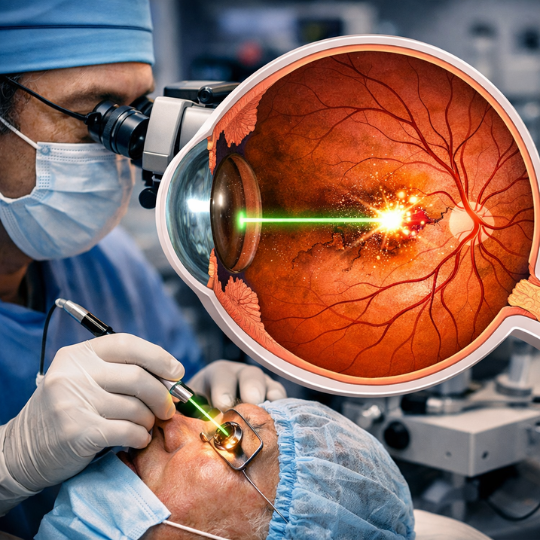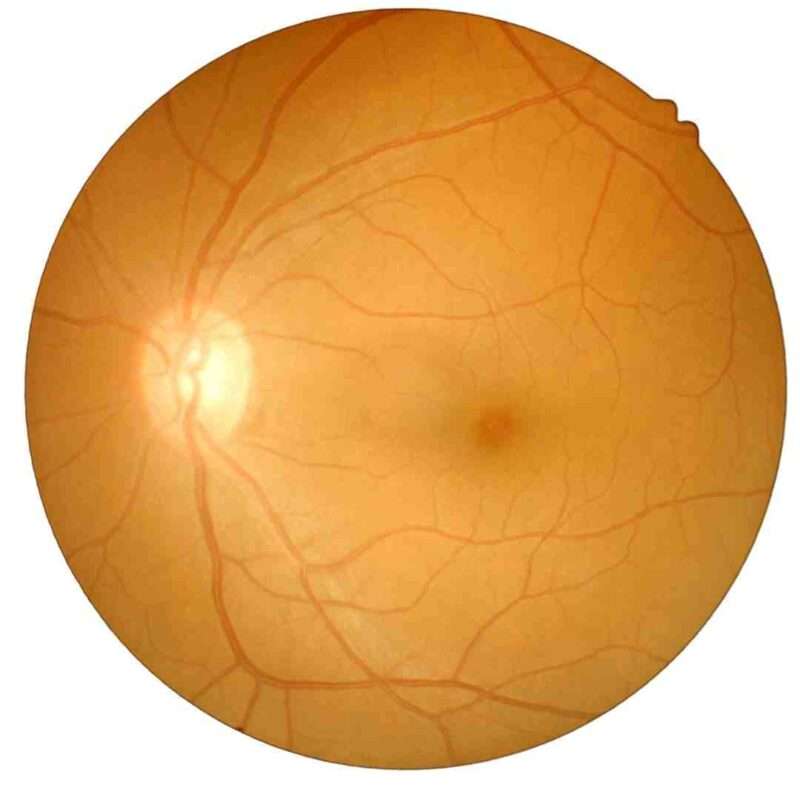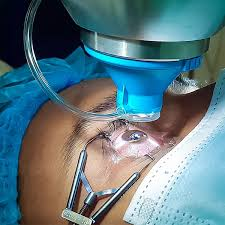

A lens for nearsightedness is a contemporary medical solution that aims to fix myopia by altering the way light gets into and focuses in the eye. Unlike glasses or contact lenses, surgeons insert these corrective lenses inside the eye to provide permanent and stable vision correction. This method is particularly beneficial for patients with high power, thin corneas, or those who are not good candidates for laser eye surgery. Lens-based correction delivers clearer vision, improved contrast, and less glare, which makes it one of the most trustworthy myopia management options in the long run. Specialized facilities like Vijaya Nethralaya Super Specialty Eye Hospital use state-of-the-art diagnostic instruments and perform lens surgeries with high precision, ensuring both patient safety and exceptional surgical accuracy.
Understanding Nearsightedness (Myopia)
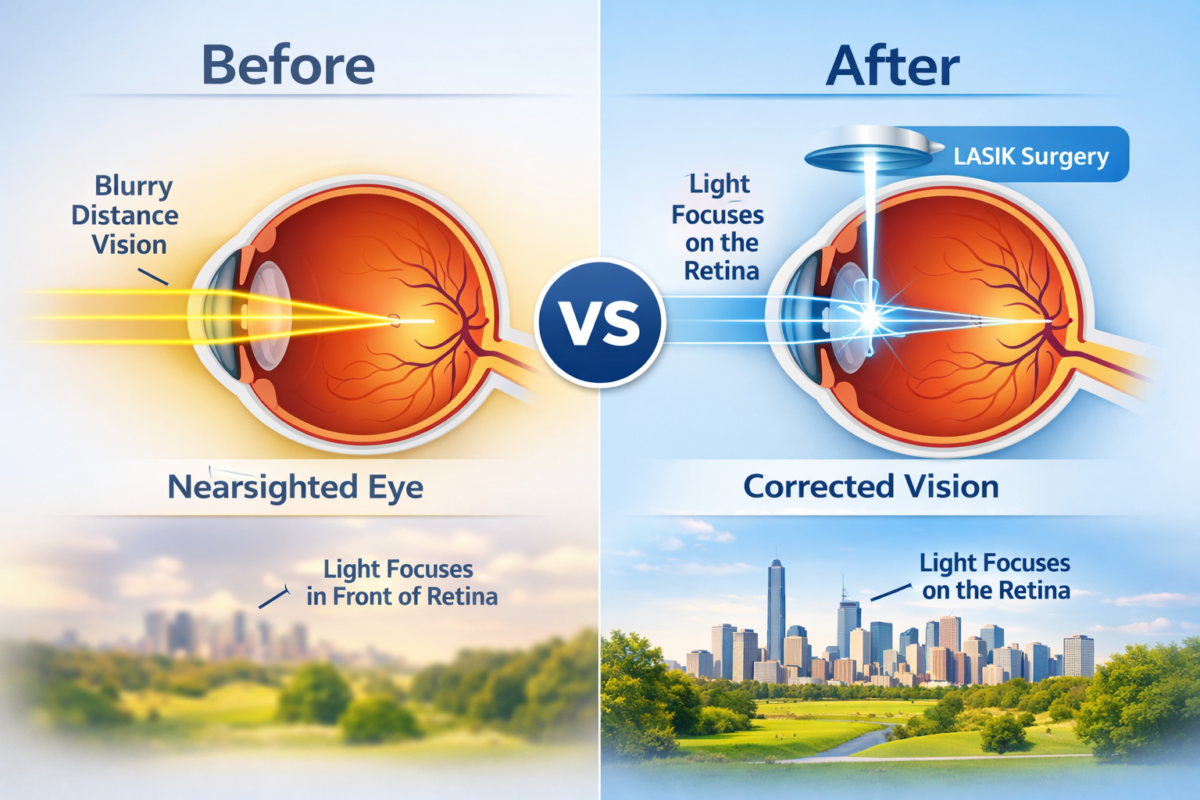
Nearsightedness is a condition in which the light that enters the eye focuses in front of the retina instead of directly on it. It is usually caused by:
- The eyeball is too long
- The cornea is overly curved
- The eyes’ focusing power is too strong
As a result, distant objects look out of focus. Myopia may be initiated in childhood and is likely to increase during teenage years. If ignored, it can become a significant obstacle to carrying out activities such as driving, studying, or sports.

Different Types of Lenses for Nearsightedness
Doctors choose different lens types to correct myopia based on the patient’s age, eye condition, and severity of the prescription.
Implantable Contact Lens (ICL): Surgeons place this lens between the iris and the natural lens without removing any eye tissue. It is the best option for young adults who have severe myopia and gives them very clear vision. Besides, ICL is a reversible procedure, which makes it a very comfortable choice.
Refractive Lens Exchange (RLE): Surgeons replace the eye’s natural lens with an artificial intraocular lens during this procedure. Most of the time, it is the doctors’ recommendation for the older people or the patients having the beginning stages of the lens changes. Besides correcting nearsightedness, RLE is a preventative measure against the development of cataracts.
These two methods are ranked as the most efficient ones under the lens for nearsightedness.
How a Lens for Nearsightedness Works Inside the Eye
A lens for nearsightedness operates by adjusting the light focus so that images come directly onto the retina instead of in front of it. The lens becomes a natural part of the eye after implantation, thus offering clear vision at a distance without any need for daily maintenance. Surgeons complete the operation in less than half an hour, use only local anesthesia, and ensure a quick recovery period. Most of the patients report a very significant enhancement in their eyesight within 24 hours; therefore, lens-based surgery has become a widely chosen mode of treatment at Vijaya Nethralaya Super Specialty Eye Hospital.
Benefits of Choosing Lens-Based Surgery for Nearsightedness
A bias-based correction is a choice that brings numerous long-term advantages:
- Permanent and stable vision correction
- Compatibility with high-power prescriptions
- No corneal cutting or reshaping
- Low risk of dry eyes
- High success and satisfaction rates
These benefits have been instrumental in the decision-making process of many ophthalmologists, who in turn advocate a lens for nearsightedness as one of the safest and most effective surgical options in present times.
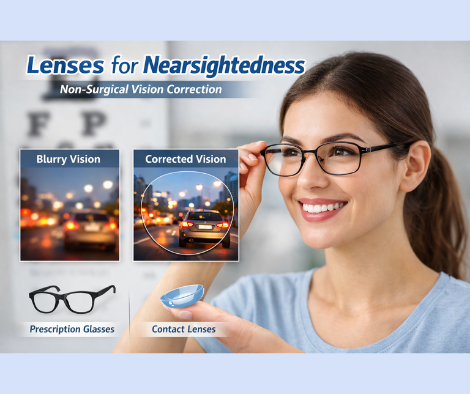
Lens for Nearsightedness: Non-Surgical Vision Correction
Without a doubt, the majority of patients first look into lens solutions for nearsightedness before they make the decision to undergo surgery.
Eyeglasses
Eyeglasses are the most straightforward and secure alternative. Concave lenses work by redirecting light to the retina; thus, distance vision is improved. They are quite cheap and efficient but might be somewhat uncomfortable for people with a very active lifestyle.
Contact Lenses
Contact lenses are placed directly on the eye and, thus, give a greater field of vision. The choices are:
- Soft contact lenses
- Rigid gas permeable lenses
- Toric lenses for astigmatism
Strict hygiene prevents infections, making contact lenses a safe and effective vision correction method.
When Is Surgery Considered for Nearsightedness?
Surgical correction becomes an option when:
- The myopia has been stable for at least one year
- The patients’ age is above 18 years
- There is no eye disease in activity
- The cornea or lens is of the suitable structure
At this point, a lot of people decide to have the best eye surgery for nearsightedness to lessen their dependence on glasses or contacts.
How Doctors Decide the Best Eye Surgery for Nearsightedness
The factors that determine the correct procedure include
- Age and lifestyle
- Degree of myopia
- Corneal thickness
- General eye health
A detailed eye check-up is a prerequisite for safety and the best outcome. Skilled surgeons work out the treatment methods that are best suited to each patient’s requirements.
Benefits of Modern Eye Surgery for Myopia
Modern procedures offer several advantages:
- Long-term vision correction
- Reduced dependence on glasses
- Improved confidence and convenience
- Quick recovery times
Many patients find that choosing the best eye surgery for nearsightedness drastically improves their quality of life.
Risks and Considerations
Eye surgeries are safe in most cases, but a few possible risks are:
- Glare or halos at night
- Temporary discomfort
- Rare complications
Choosing a reputable center like Vijaya Nethralaya Super Speciality Eye Hospital significantly reduces these risks, as expert specialists provide advanced care and ensure patient safety through regular follow-ups.
Recovery and Aftercare
The healing process will be different for each of the procedures:
- PRK: Recovery may take a few weeks
- Lens-based surgeries: Vision becomes stable over a few weeks
It is very important to take care of the eye and follow the doctor’s instructions after the surgery in order to achieve the best results.
Advanced Technology at Vijaya Nethralaya Super Speciality Eye Hospital
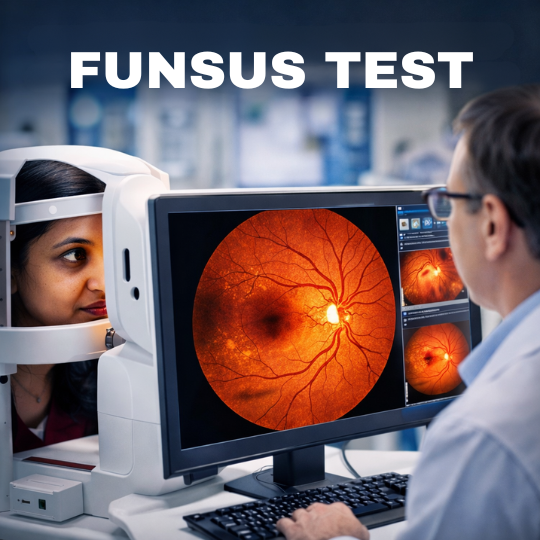
Vijaya Nethralaya Super Speciality Eye Hospital has become well known for its cutting-edge surgical technology and advanced diagnostic tools. The hospital offers complete pre-surgical eye mapping to ensure accurate diagnosis and planning. It develops individualized treatment plans tailored to each patient’s vision needs. Qualified and highly skilled ophthalmic surgeons perform all procedures, ensuring precision and safety. The hospital strictly implements advanced safety and hygiene measures at every stage of treatment.
Patients can choose from multiple surgical and lens-based methods to correct nearsightedness, all available under one roof, making the treatment process convenient and efficient.
FAQs: Lens for Nearsightedness
- Is eye surgery permanent for nearsightedness? Most surgical corrections give results that last for a long time; however, natural aging changes may still occur.
- Can everyone undergo laser eye surgery? No. In some cases, doctors advise patients to choose lens-based options when the cornea is too thin or the level of myopia is too high.
- Is lens implantation safe? Yes, an experienced surgeon can safely and effectively correct nearsightedness through lens implantation.
- How do I know which surgery is right for me? Only a comprehensive eye examination and consultation can determine the most suitable eye surgery for nearsightedness in your case.
- Does surgery hurt? Almost all surgeries are painless and are performed
Conclusion
Myopia should not be a barrier to how you live your life. Technology has evolved to such an extent that we now have safe and effective means to regain a clear vision, be it through advanced lenses for nearsightedness or through state-of-the-art surgeries. Choosing the right eye surgery for nearsightedness would therefore need the judgment of a specialist, the intervention of modern equipment, and the care tailored to the individual.