
Latest Laser Eye Surgery: Breakthroughs, Benefits & Complete Guide
Introduction to Laser Eye Surgery
Vision is one of our most valuable senses, and for millions of people worldwide, poor eyesight means a daily struggle with glasses or contact lenses. Over the last three decades, laser eye surgery has transformed the way we correct vision problems like nearsightedness, farsightedness, and astigmatism. Today, thanks to remarkable technological advancements, the latest laser eye surgery techniques offer unprecedented precision, safety, and long-term results.
This article explores the latest procedures in laser vision correction, their benefits, risks, costs, and future innovations, giving you a complete guide to making an informed decision.\
Evolution of Laser Eye Surgery
What is Laser Eye Surgery?
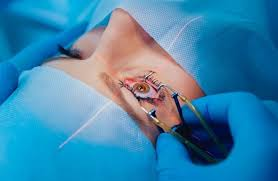
Laser eye surgery is a medical procedure that reshapes the cornea using highly focused laser beams. By correcting how light enters the eye, it improves focus on the retina, resulting in clearer vision without reliance on glasses or lenses.
A Brief History of Vision Correction Procedures
The journey began in the 1980s with PRK (photorefractive keratectomy), followed by the widespread popularity of LASIK in the 1990s. Over time, techniques became more precise, minimally invasive, and patient-friendly. Now, we’re entering an era of bladeless, AI-assisted, and highly personalized treatments.
Types of Latest Laser Eye Surgery in 2025
LASIK (Laser-Assisted In Situ Keratomileusis)
Still one of the most popular procedures, LASIK involves creating a flap in the cornea and reshaping it with a laser. It offers fast recovery and excellent results, especially for patients with mild to moderate refractive errors.
PRK (Photorefractive Keratectomy)
An older but still relevant technique, PRK removes the outer corneal layer before reshaping. It’s best suited for patients with thin corneas, although recovery is longer compared to LASIK.
SMILE (Small Incision Lenticule Extraction)
One of the latest breakthroughs, SMILE is minimally invasive, requiring only a tiny incision. It preserves corneal strength, reduces the risk of dry eyes, and has become a preferred choice for many surgeons.
Contoura Vision (Topography-Guided LASIK)
This advanced method uses detailed corneal maps for personalized correction, enhancing night vision and overall clarity beyond what standard LASIK offers.
Femto-LASIK (Blade-Free Technology)
Replacing blades with femtosecond lasers, this bladeless version of LASIK increases safety and precision, offering patients peace of mind during the procedure.
Benefits of the Latest Laser Eye Surgery
Improved Accuracy and Customization
The newest methods, such as Contoura Vision, tailor the surgery to each individual’s corneal structure, making results more predictable and effective.
Faster Recovery Times
Modern surgeries are less invasive, meaning most patients return to work and daily life within 24 to 48 hours.
Reduced Risk of Complications
Bladeless technology and AI guidance have minimized risks of infection, flap dislocation, or incorrect corrections.
Long-Term Vision Stability
Unlike older methods, new procedures provide vision stability that lasts decades, often eliminating the need for enhancements.
Ideal Candidates for Laser Eye Surgery
Eligibility Criteria
Not everyone qualifies for laser vision correction. Generally, the best candidates are:
- Adults aged 18 years or older with stable vision for at least one year.
- People with mild to moderate myopia, hyperopia, or astigmatism.
- Individuals with healthy corneas and no major eye diseases.
A comprehensive eye exam helps surgeons determine whether you’re a good fit.
Who Should Avoid the Procedure?
Laser eye surgery may not be recommended if you:
- Have severe dry eye syndrome.
- Suffer from progressive eye conditions like keratoconus.
- Are pregnant or nursing (due to hormonal vision changes).
- Have certain systemic diseases like uncontrolled diabetes or autoimmune disorders.
The Procedure: Step-by-Step Process
Pre-Surgery Evaluation
Your journey begins with a detailed eye exam, including corneal mapping, pupil size measurement, and tear production tests. Doctors also review your medical history and expectations.
What Happens During Surgery
- Numbing drops are applied to ensure comfort.
- The surgeon uses a laser to reshape the cornea according to your prescription.
- The entire procedure usually takes 10–15 minutes per eye.
Post-Surgery Recovery Timeline
- First 24 hours: Slight discomfort, sensitivity to light.
- 1 week: Most vision improves significantly.
- 1 month: Stable, sharp vision in most cases.
- 3–6 months: Full healing, with final results visible.
Risks and Possible Side Effects
While the latest technology has reduced complications, risks still exist.
Dry Eyes and Glare
Some patients experience dryness, halos, or glare at night. Artificial tears usually resolve these issues.
Under-Correction or Over-Correction
Rarely, vision may remain slightly blurry, requiring enhancement surgery.
Rare Complications
Though uncommon, risks include corneal infections or flap complications in LASIK. Choosing an experienced surgeon significantly reduces these chances.
Cost of the Latest Laser Eye Surgery
Average Prices Around the World
Laser eye surgery costs vary depending on technology and location:
- USA: $2,000 – $3,500 per eye
- UK: £1,500 – £3,000 per eye
- India: ₹40,000 – ₹1,00,000 per eye
- Australia: AUD $2,000 – $3,000 per eye
Insurance Coverage and Financing Options
Most insurance plans don’t cover laser surgery since it’s considered elective. However, many clinics offer financing options or accept health savings accounts (HSAs).
Comparing Laser Eye Surgery With Alternatives
Contact Lenses vs. Laser Eye Surgery
- Contacts: Non-surgical, but require daily maintenance and replacement.
- Surgery: One-time procedure with long-lasting results.
Glasses vs. Laser Eye Surgery
- Glasses: Easy and safe, but can be inconvenient during sports or outdoor activities.
- Surgery: Permanent vision correction without external aids.
Success Rates and Patient Satisfaction
Clinical Research Findings
Recent studies show over 96% of patients achieve 20/20 vision or better with modern procedures like SMILE and Contoura Vision.
Real-Life Testimonials
Patients report increased confidence, freedom from glasses, and improved quality of life after surgery.
Latest Innovations and Future of Laser Eye Surgery
AI-Guided Laser Treatments
Artificial intelligence now assists surgeons by analyzing eye data in real time for hyper-precise corrections.
Robotics and Precision Enhancements
Robotic arms may soon assist with ultra-delicate surgical steps, further reducing human error.
Personalized Eye Mapping Technology
Advanced mapping ensures tailored treatments that match each individual’s unique corneal pattern.
Preparing for Your Surgery
What to Do Before Surgery
- Stop wearing contact lenses at least 1–2 weeks before evaluation.
- Avoid eye makeup and lotions on the day of surgery.
- Arrange transportation, as you won’t be able to drive immediately after.
Lifestyle Adjustments
- Take time off work for at least 1–2 days.
- Stock up on artificial tears and prescribed medications.
Recovery and Aftercare
Medications and Eye Drops
Post-surgery care includes antibiotic and anti-inflammatory eye drops to prevent infection and promote healing.
Lifestyle Do’s and Don’ts After Surgery
- Do: Wear protective glasses outdoors.
- Don’t: Swim, rub your eyes, or expose them to dust for at least 2 weeks.
- Do: Attend all follow-up appointments to monitor progress.
FAQs About Latest Laser Eye Surgery
Q1. Is laser eye surgery painful?
No, the procedure is painless due to numbing drops. Some patients feel mild discomfort for a few hours afterward.
Q2. How long does the surgery last?
The procedure typically takes 10–15 minutes per eye.
Q3. How soon can I return to work after surgery?
Most patients return to work within 24–48 hours, depending on their healing speed.
Q4. Will I need glasses after laser surgery?
Many patients achieve 20/20 vision or better, though some may need reading glasses later in life due to natural aging (presbyopia).
Q5. Is the surgery permanent?
Yes, results are usually permanent, but vision changes related to aging can still occur.
Q6. What is the safest type of laser eye surgery?
Procedures like SMILE and Contoura Vision are considered among the safest and most advanced options today.
Conclusion
The latest laser eye surgery techniques are revolutionizing vision correction with higher precision, faster recovery, and long-lasting results. From traditional LASIK to cutting-edge SMILE and AI-guided treatments, options today are safer and more effective than ever before.
If you’re considering the procedure, consult with a qualified ophthalmologist, weigh the risks and benefits, and choose the method that aligns with your lifestyle. For many, it’s not just about clearer vision—it’s about freedom, confidence, and a better quality of life.