

Understanding Astigmatism
What is Astigmatism?
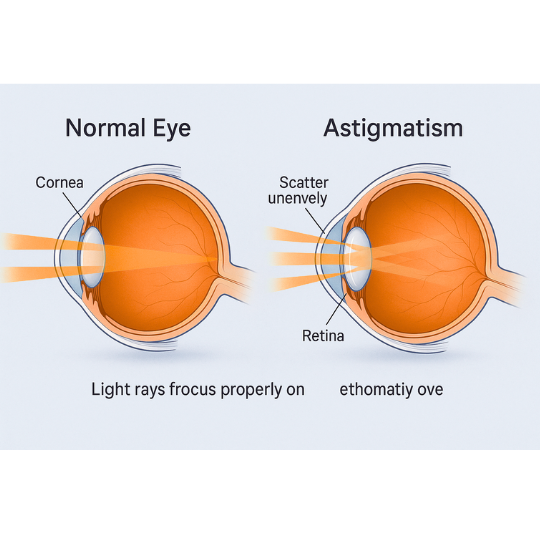
Astigmatism is a common vision condition caused by an irregular curvature of the cornea or lens. Instead of being perfectly round, the cornea takes an oval shape, resulting in blurred or distorted vision at all distances.
Causes of Astigmatism
Genetics plays a big role—most people are born with it. It can also develop after eye injuries, surgeries, or diseases like keratoconus.
Common Symptoms
- Blurred vision
- Eye strain or headaches
- Difficulty seeing at night
- Squinting to focus
What is LASIK surgery?
How LASIK Works
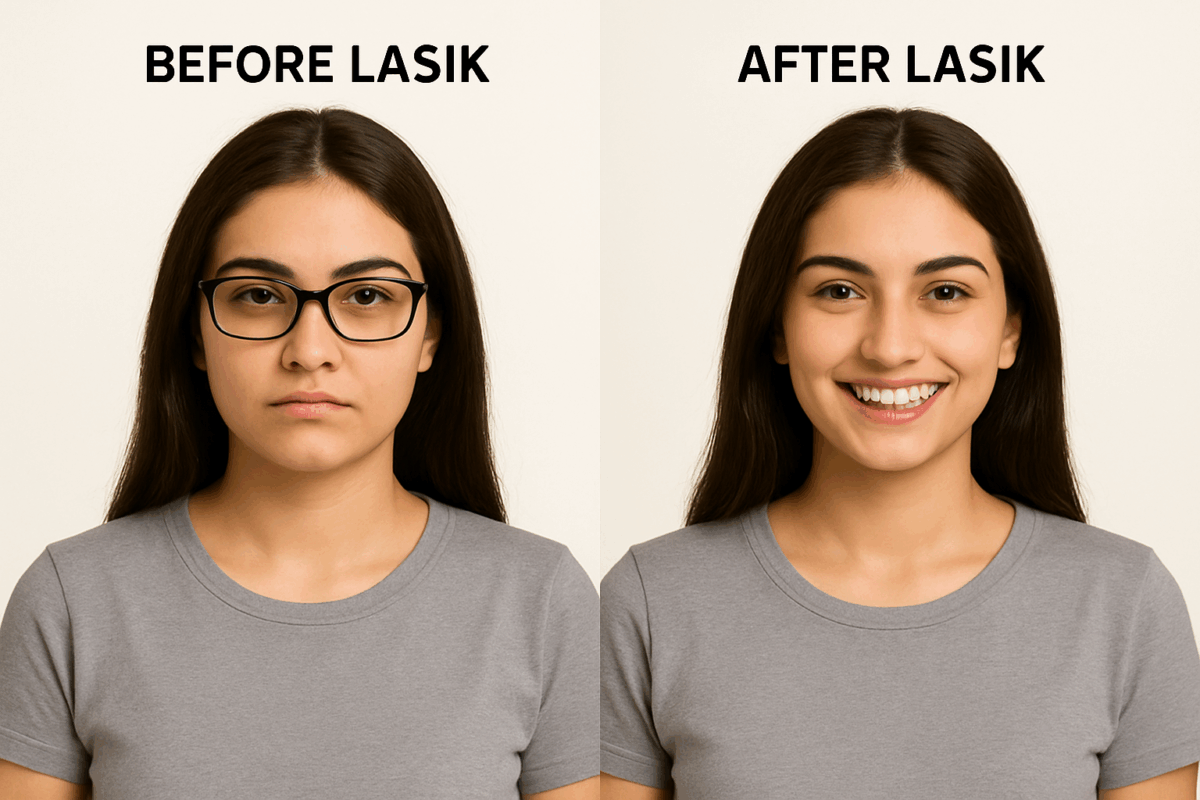
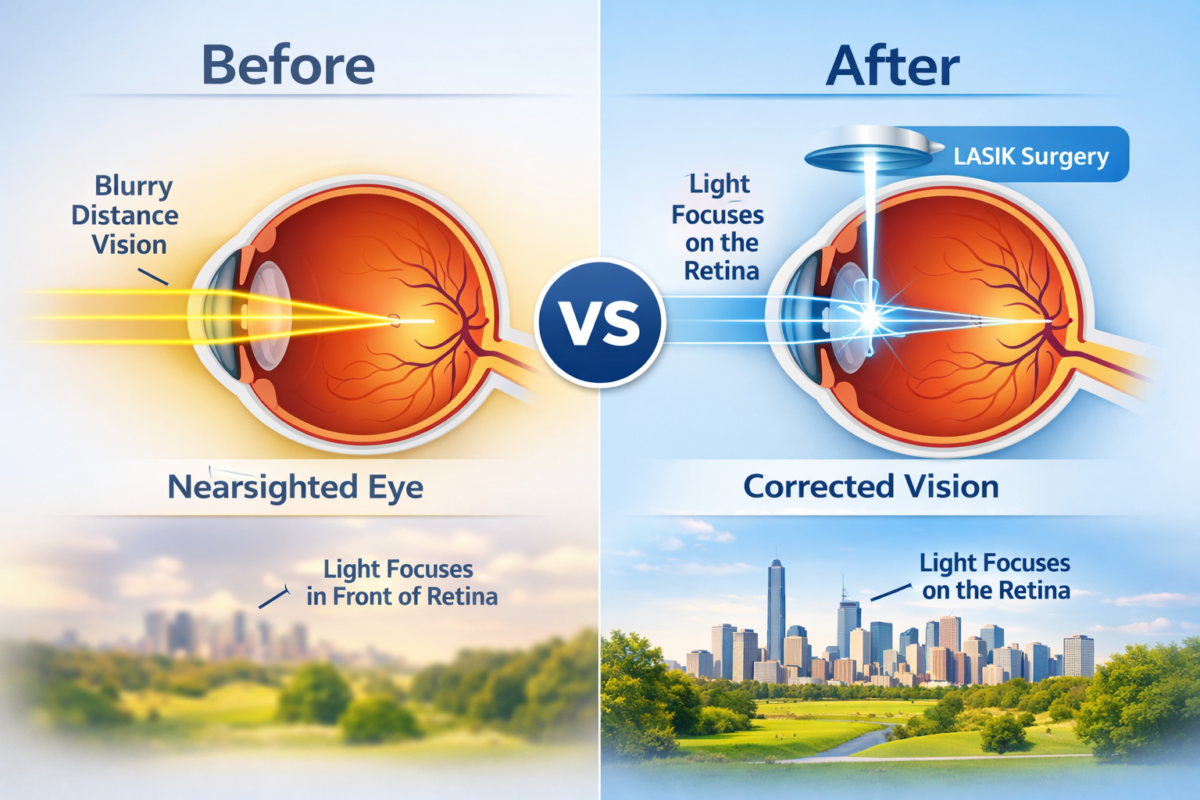
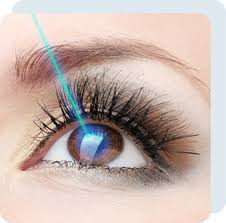
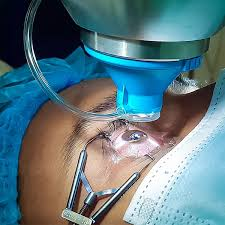
LASIK (Laser-Assisted In Situ Keratomileusis) uses a precise laser to reshape the cornea, allowing light to focus correctly on the retina for clear vision.
Why LASIK is Popular for Vision Correction
It’s quick (around 10 minutes per eye), painless, and offers instant vision improvement for most patients.
Can LASIK Correct Astigmatism?
How LASIK Fixes Irregular Cornea Shape
LASIK smooths out the uneven curvature of the cornea, creating a rounder shape that improves focus and reduces visual distortion.
Ideal Candidates for LASIK with Astigmatism
- Adults over 18
- Stable prescription for at least a year
- Healthy corneas
Who Should Avoid LASIK?
People with thin corneas, severe dry eyes, or progressive eye diseases may not be ideal candidates.
The LASIK Procedure for Astigmatism
Pre-Surgery Evaluation
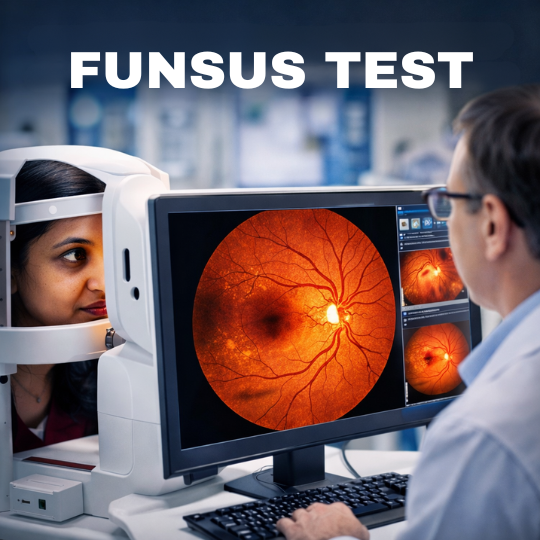
Your surgeon will perform detailed eye mapping using corneal topography and other tests.
Step-by-Step LASIK Process
- Numbing eye drops are applied.
- A flap is created on the cornea.
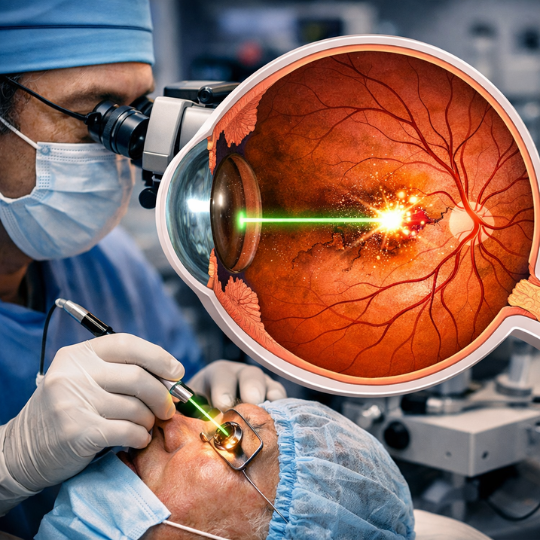
- The laser reshapes the cornea.
- The flap is repositioned for natural healing.
Recovery Timeline
Most patients see improved vision within 24 hours, but complete stabilization can take 3–6 months.

Benefits of LASIK for Astigmatism
Long-Term Vision Improvement
LASIK can permanently correct astigmatism in most cases.
Quick Recovery and Minimal Pain
Discomfort is usually mild, and patients can return to normal activities within 2–3 days.
Risks and Side Effects of LASIK
Common Side Effects
- Dry eyes
- Glare or halos at night
Rare Complications
Flap-related issues or undercorrection, but these are very rare when performed by skilled surgeons.
Alternatives to LASIK for Astigmatism
PRK (Photorefractive Keratectomy)
A surface-based laser treatment, ideal for patients with thin corneas.
Toric Contact Lenses
A non-surgical way to correct astigmatism.
ICL (Implantable Contact Lens) Surgery
Preferred for patients with high prescriptions or unsuitable corneal thickness.
Cost of LASIK for Astigmatism
The cost varies widely based on the type of LASIK technology in India:
- Standard (blade) LASIK: ₹25,000–₹40,000 per eye
- Wavefront-Guided (custom): ₹40,000–₹70,000 per eye
- Femtosecond (bladeless) LASIK: ₹50,000–₹80,000 per eye
- Contoura Vision LASIK (topography‑guided): ₹80,000–₹120,000 per eye
So for both eyes, you’d typically spend from about ₹60,000 up to ₹240,000 depending on the procedure.
Bengaluru-Specific Pricing
In Bangalore, costs tend to align with national averages:
- Basic LASIK: ₹45,000–₹65,000 per eye
- Contoura Vision: ₹45,000–₹65,000 per eye (Bangalore clinics list slightly lower than national average)
- Femto LASIK: ₹85,000–₹140,000 for both eyes; per-eye ₹42,500–₹70,000
Local clinic data also report:
- Conventional LASIK: ₹70,000–₹85,000 per eye
- Femtosecond LASIK: ₹80,000–₹120,000 per eye
- Contoura LASIK: ₹95,000–₹135,000 per eye
- SMILE: ₹120,000–₹160,000 per eye
Factors Affecting Cost
Location, the surgeon’s experience, and technology used can influence the price.
Is LASIK Covered by Insurance?
Generally, it’s considered elective and not covered by insurance, but financing options are available.
Preparing for LASIK Surgery
What to Do Before Surgery
Avoid contact lenses for a few weeks before the procedure and follow pre-op instructions carefully.
Lifestyle Adjustments
Plan for a few days of rest and arrange transportation post-surgery.
Post-LASIK Care for Astigmatism
Eye Care Tips During Recovery
Use prescribed eye drops, avoid rubbing eyes, and wear protective eyewear.
When to See Your Surgeon
Regular follow-up visits ensure proper healing and vision stability.
Success Rate of LASIK for Astigmatism
What Studies Show
LASIK has over a 99% success rate in correcting astigmatism.
Real Patient Experiences
Most patients report clear, stable vision for years after surgery.
How Long Does LASIK Last?
Results are long-lasting, though natural aging (presbyopia) may require reading glasses later in life.
Myths and Facts about LASIK for Astigmatism
- Myth: LASIK doesn’t work for astigmatism.
Fact: It’s one of the most effective treatments.
How to Choose the Right LASIK Surgeon
Experience and Credentials
Look for a surgeon with extensive experience and board certification.
Technology and Equipment
Modern, advanced lasers offer better precision and faster recovery.
Final Thoughts on LASIK for Astigmatism
LASIK is a safe and effective way to correct astigmatism when done by a skilled surgeon using advanced technology.
Conclusion
LASIK for astigmatism is a life-changing procedure that offers freedom from glasses and contact lenses. If you’re tired of struggling with blurry or distorted vision, LASIK could be your ticket to crystal-clear sight. Always consult an experienced ophthalmologist to determine your suitability and discuss all possible risks and alternatives.
FAQs
1. Can LASIK completely cure astigmatism?
Yes, most cases of astigmatism can be fully corrected with LASIK.
2. How long does LASIK surgery take?
The actual laser treatment takes less than 10 minutes per eye.
3. Is LASIK painful?
No, numbing drops ensure a painless experience.
4. How soon can I return to work after LASIK?
Most people return within 2–3 days.
5. Can astigmatism come back after LASIK?
Recurrence is rare, but natural changes in the eye can cause vision fluctuations over time.