

Introduction:
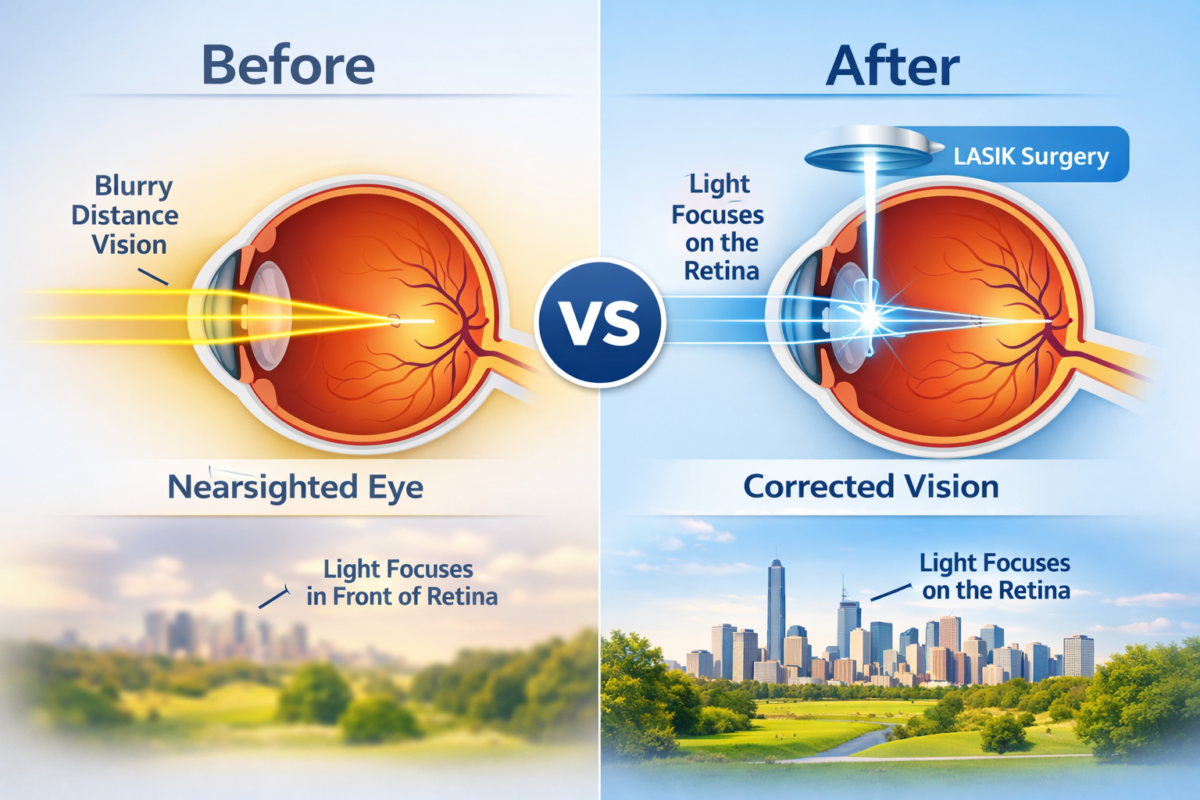
In 2026, the cost of LASIK eye surgery is no longer a “one-size-fits-all” figure. Whether you are searching for the most affordable option or the most advanced technology available, understanding the price points and the value behind them is crucial.
This guide breaks down the LASIK eye surgery price for 2025, covering everything from global averages to hidden costs and insurance coverage.
1. Average LASIK Eye Surgery Cost in 2025
The price of LASIK varies significantly based on your geographical location and the specific technology used.
| Region | Average Cost (Per Eye) | Full Procedure (Both Eyes) |
| United States | $1,500–$3,500 | $3,000 – $7,000 |
| United Kingdom | £1,200 – £2,500 | £2,400 – £5,000 |
| India | ₹25,000 – ₹60,000 | ₹50,000 – ₹120,000 |
| Turkey/Thailand | $800–$1,500 | $1,600–$3,000 |
Note: Prices are estimates and can vary based on clinic reputation and surgeon expertise.
2. Price Breakdown by Technology
Not all “laser eye surgeries” are the same. The “LASIK price” usually reflects the generation of technology being used on your eyes.
- Standard/Conventional LASIK: Uses a manual blade (microkeratome) to create the corneal flap. This is the most budget-friendly option.
- Price Range: $1,000–$1,800 per eye.
- Bladeless (Femto) LASIK: Replaces the blade with a high-precision laser. It is safer and offers faster healing.
- Price Range: $2,000–$2,800 per eye.
- Contoura Vision (Topography-Guided): The “Gold Standard” in 2025. It maps 22,000 unique points on your cornea for a highly customized result, often resulting in vision better than 20/20.
- Price Range: $2,500 – $3,500 per eye.
- SMILE / SILK Surgery: A “flapless” minimally invasive procedure. It is ideal for patients with dry eyes or active lifestyles.
- Price Range: $2,500 – $4,000 per eye.
4. Is LASIK Covered by Insurance?
In 2025, most insurance providers still classify LASIK as an elective or cosmetic procedure, meaning they do not cover it by default.
However, there are exceptions:
- High Power: Some plans in India and Europe cover the cost if your refractive error is above a certain threshold (e.g., ±7.5 diopters).
- Vision Insurance: Providers like VSP or EyeMed often offer 15% to 35% discounts at network LASIK centers.
- FSA/HSA: In the US, you can use pre-tax dollars from Flexible Spending Accounts (FSA) or Health Savings Accounts (HSA) to pay for the surgery, effectively saving you up to 30% in tax value.
5. Frequently Asked Questions (Google FAQ Style)
Why is there such a huge difference in LASIK prices?
The price difference usually stems from technology (Blade vs. Bladeless) and the “all-inclusive” nature of the package. Lower prices often exclude pre-op scans or post-op medications.
Is cheap LASIK safe?
“Cheap” is relative. However, avoid “bargain” centers that use outdated technology. Your eyes are irreplaceable; prioritize a clinic’s success rate and technology over the lowest price.
Does LASIK last forever?
For most people, yes. However, LASIK cannot prevent presbyopia (age-related reading vision loss), which typically starts after age 45.
What are the hidden costs of LASIK?
Always ask if the quote includes:
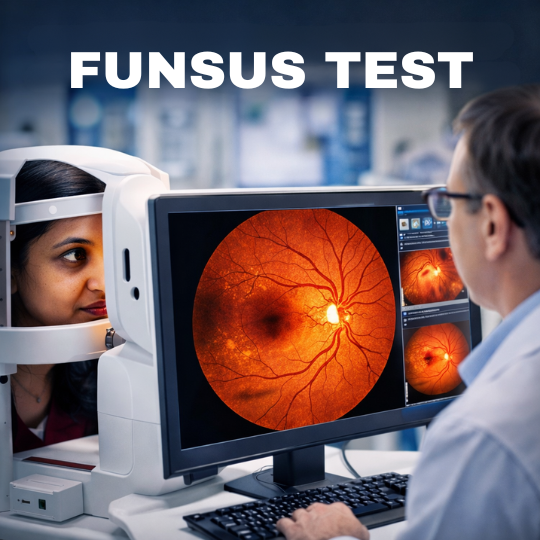
- Pre-surgery diagnostic scans (e.g., corneal topography).
- Post-operative eye drops and medications.
- Enhancement or “touch-up” surgery if the first one doesn’t hit 20/20.
6. Conclusion: Is It Worth the Investment?
If you spend $200 a year on contacts and $300 every two years on glasses, LASIK pays for itself in roughly 6 to 8 years. Beyond the math, the “lifestyle ROI”—waking up and seeing the clock, swimming without goggles, and the freedom from fogged-up glasses—is why millions choose it every year.