
LASIK Eye Surgery for Astigmatism: Complete Guide:
Astigmatism can feel like trying to watch a movie through a scratched lens—everything looks stretched, blurry, or slightly tilted. Glasses and contact lenses help, sure. But wouldn’t it be nice to wake up and see the world clearly without reaching for specs? That’s exactly where LASIK eye surgery for astigmatism steps in. Let’s break it down in a simple, honest, and human way—no medical jargon overload, just clarity.
What Is Astigmatism?
Astigmatism is a common refractive error where the eye doesn’t focus light evenly on the retina. Instead of being perfectly round like a football, the cornea, or lens, is shaped more like a rugby ball.
How Astigmatism Affects Vision:
This uneven shape causes light to scatter, leading to:
- Blurred or distorted vision
- Eye strain
- Headaches
- Difficulty with night driving
Ever noticed lights stretching or staring at night? That’s astigmatism waving at you.
Common Causes of Astigmatism:
Astigmatism is usually:
- Present from birth
- Genetic
- Sometimes caused by eye injury or surgery
Understanding LASIK Eye Surgery:
LASIK is not sci-fi. It’s precision science with a human touch.
What Does LASIK Stand For?
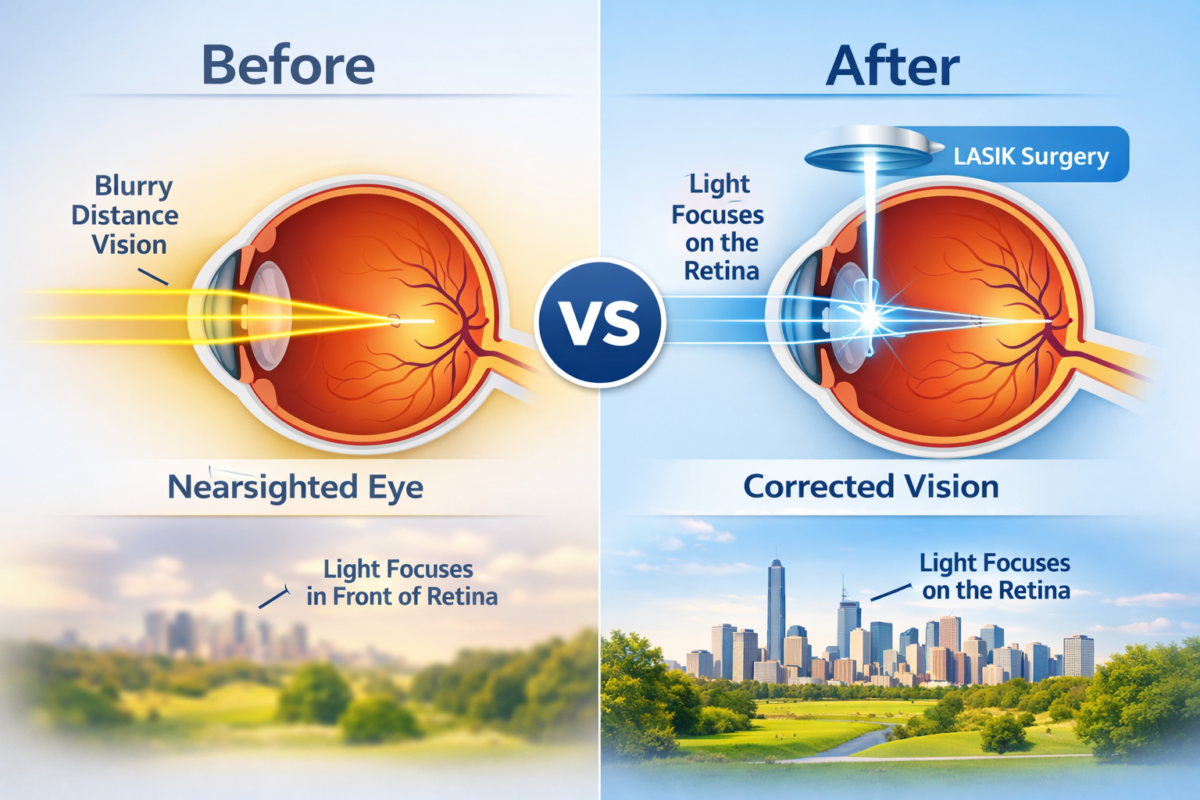
LASIK stands for Laser-Assisted In Situ Keratomileusis. Sounds complex, but the goal is simple—reshape the cornea so light focuses correctly.
How LASIK Works Step by Step
Think of it like fine-tuning a camera lens:
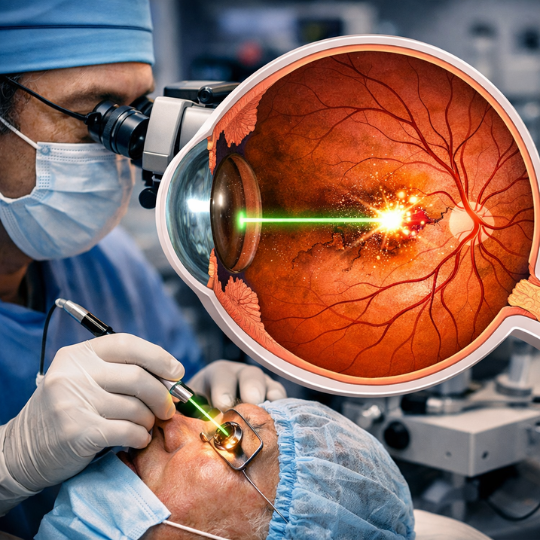
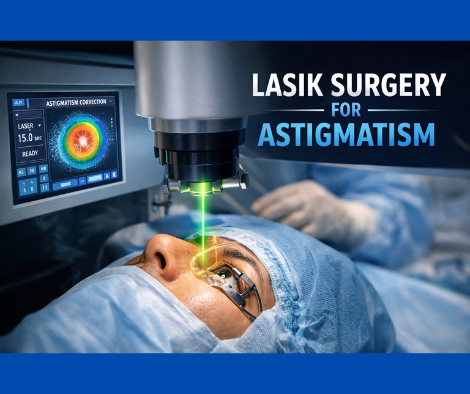
- A thin flap is created on the cornea
- A laser reshapes the underlying corneal tissue
- The flap is repositioned naturally
No stitches. No hospital stay.
Can LASIK Correct Astigmatism?
Yes—LASIK is highly effective for astigmatism, especially mild to moderate cases.
Types of Astigmatism Treatable With LASIK:
- Myopic astigmatism
- Hyperopic astigmatism
- Mixed astigmatism
How Laser Reshaping Fixes Irregular Corneas:
The laser smoothens the uneven curvature, allowing light rays to focus sharply on the retina. Simple geometry, powerful results.
Types of LASIK for Astigmatism
Not all LASIK is the same. Technology matters.
Standard LASIK
Traditional and effective, but less customized.
Femto LASIK (Blade-Free LASIK)
Uses a femtosecond laser instead of a blade—more precision, more safety.
Contoura Vision LASIK
Topography-guided and ultra-customized. It maps 22,000+ points on your cornea. Ideal for astigmatism.
SMILE vs LASIK for Astigmatism
SMILE works for certain cases, but LASIK offers better customization for astigmatism correction.
Who Is an Ideal Candidate for LASIK?
Not everyone is a fit—and that’s a good thing.
Age and Vision Stability
- Age 18+
- Stable power for at least 1 year
Corneal Thickness and Eye Health
Healthy corneas and no active eye diseases are key.
Who Should Avoid LASIK for Astigmatism?
LASIK isn’t for everyone.
Thin Corneas and Keratoconus
These patients may need alternatives like ICL.
Pregnancy and Autoimmune Conditions
Hormonal changes can affect vision stability.
Pre-LASIK Evaluation and Tests
This is where precision begins.
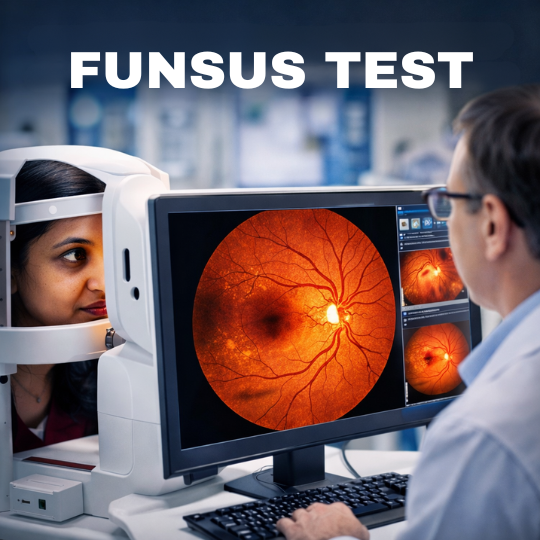
Corneal Mapping and Topography
Creates a 3D map of your cornea.
Wavefront Analysis
Measures higher-order aberrations—tiny imperfections glasses can’t fix.
LASIK Procedure: What to Expect:
No drama. No pain.
Before the Surgery
- Numbing eye drops
- Calm environment
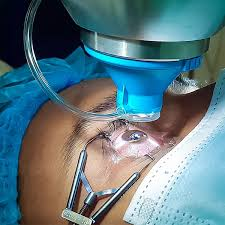
During the Surgery
- Takes 10–15 minutes
- Laser time: seconds
After the Surgery
- Vision improves within hours
- Mild watering or light sensitivity
Recovery After LASIK for Astigmatism:
Healing is fast—almost magical.
First 24 Hours
- Rest your eyes
- Avoid screens
Vision Stabilization Timeline
Most patients see clearly within 24–48 hours. Final clarity settles over weeks.
Benefits of LASIK for Astigmatism:
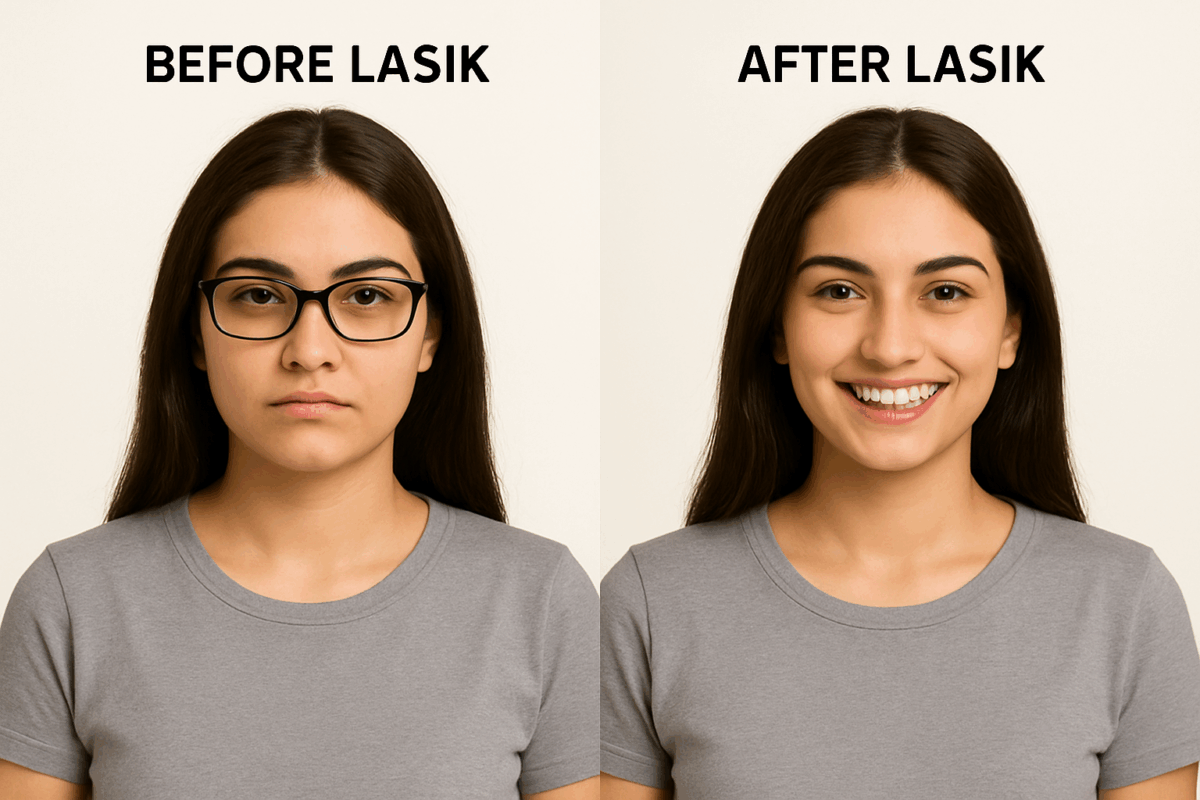
Clearer Vision Without Glasses
Freedom feels good, doesn’t it?
Long-Term Cost Benefits
No recurring lens costs. One-time investment.
Risks and Side Effects
Every surgery has risks—but they’re rare.
Dry Eyes and Glare
Usually temporary and manageable.
Under-correction or Over-correction
Enhancements can fine-tune results if needed.
LASIK Success Rate for Astigmatism:
Clinical Outcomes
Over 95% satisfaction rate worldwide.
Patient Satisfaction
Most say, “I wish I did this earlier.”
Cost of LASIK Eye Surgery for Astigmatism in India:
Price Range
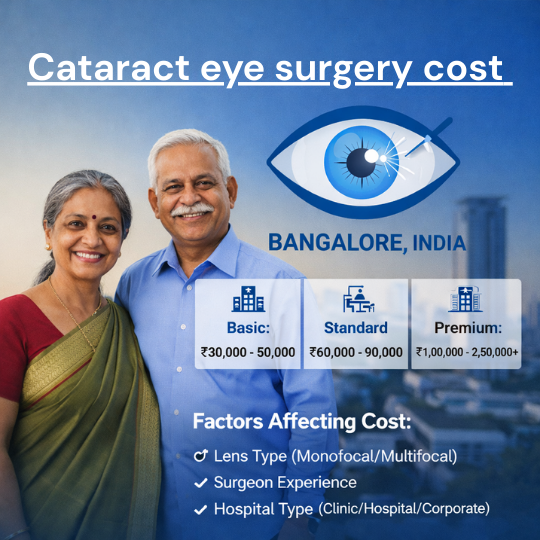
₹80,000 to ₹1,50,000 (both eyes)
Factors Affecting Cost
- Technology used
- Surgeon expertise
- Hospital infrastructure
LASIK vs Glasses and Contact Lenses:
Lifestyle Comparison
LASIK = freedom
Glasses = dependency
Long-Term Perspective
LASIK saves time, money, and hassle.
Choosing the Right Eye Hospital and Surgeon:
Technology Matters
Advanced lasers = better outcomes.
Surgeon Experience
Experience isn’t optional—it’s essential.
Conclusion:
LASIK eye surgery for astigmatism isn’t just about better vision—it’s about better living. If you’re tired of blurred lines, constant adjustments, and visual fatigue, LASIK could be your reset button. With modern technology, expert surgeons, and proper evaluation, clear vision is no longer a dream—it’s a decision.
FAQs:
1. Is LASIK safe for high astigmatism?
Yes, up to certain limits, depending on corneal thickness and eye health.
2. Does astigmatism come back after LASIK?
Rarely. Most results are permanent.
3. Is LASIK painful?
No. The procedure is painless with numbing drops.
4. How long does LASIK last for astigmatism?
Usually lifelong, barring age-related changes.
5. Can both eyes be treated on the same day?
Yes, both eyes are typically treated in one session.