

Introduction:
Have you ever typed “laser eye surgery video” into YouTube or Google before booking a consultation? You’re not alone. Millions of people watch these videos every year to calm their nerves, learn more, or simply satisfy curiosity. After all, when it comes to your eyes, it’s only natural to want to see what’s going on before taking the leap.
What is Laser Eye Surgery?
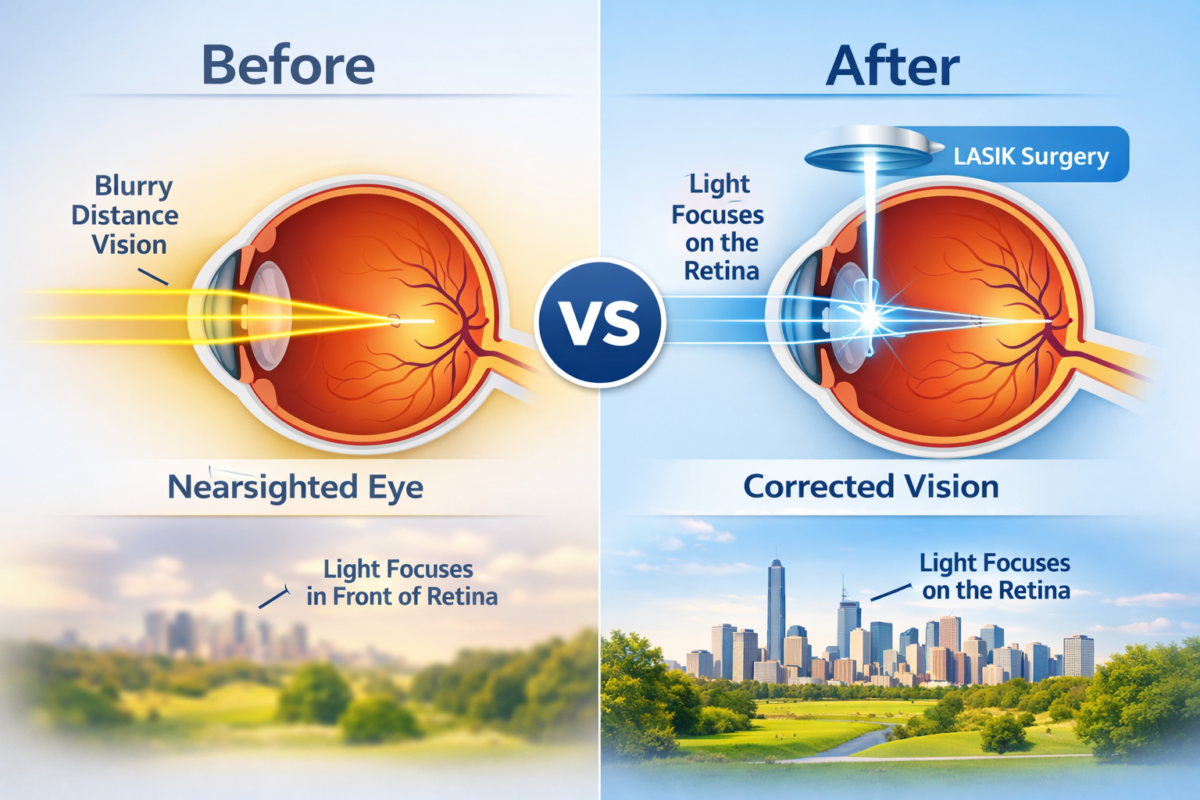
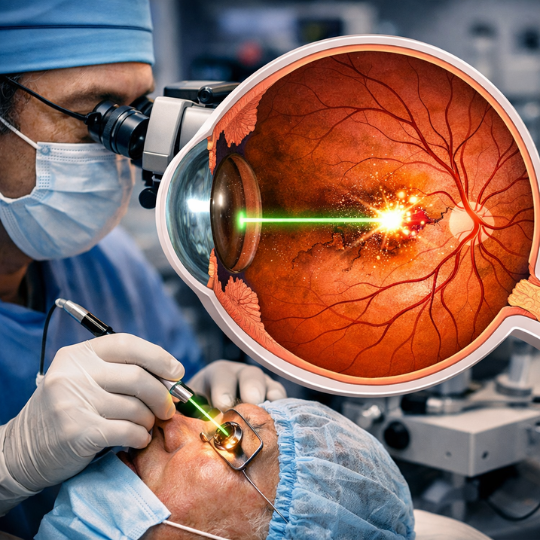
Laser eye surgery is a medical procedure that uses advanced lasers to correct vision problems like nearsightedness, farsightedness, and astigmatism. The goal is simple: reduce or eliminate the need for glasses or contact lenses.
Why Watch a Laser Eye Surgery Video Before the Procedure?
For most people, the word “surgery” brings nervousness. Watching a video can reduce anxiety, show how quick and painless it really is, and prepare you mentally for the experience.
Types of Laser Eye Surgery Explained in Videos
- LASIK: The most popular method where a flap is created in the cornea, and a laser reshapes it.
- PRK: No flap, surface reshaping. Recovery is slower but ideal for thin corneas.
Step-by-Step Breakdown of What You See in a Laser Eye Surgery Video
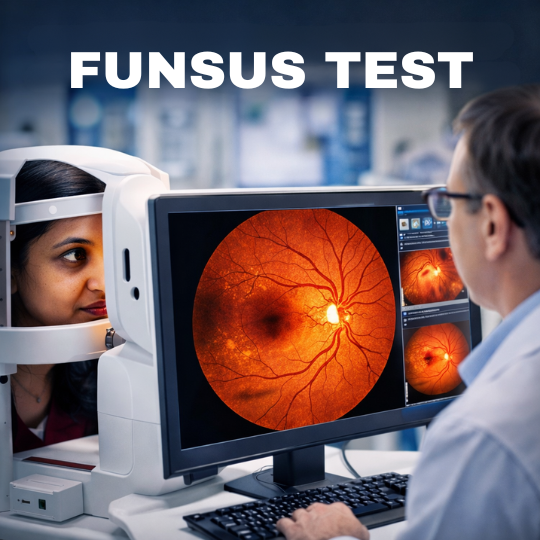
- Consultation – Eye tests and eligibility check.
- Preparation – Numbing drops and sterilization.
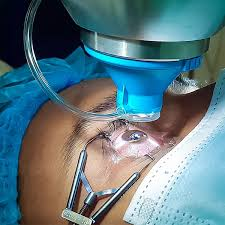
- Laser Work – Quick, precise reshaping of the cornea.
- Post-care – Protective shield and recovery guidance.
How Do Laser Eye Surgery Videos Help Patients?
These videos:
- Build trust by showing transparency.
- Explain risks and benefits visually.
- Share real recovery experiences from other patients.
The Role of Technology in Modern Laser Eye Surgery
Modern videos showcase high-tech machines like femtosecond lasers, wavefront mapping, and AI-guided precision—all designed to make the surgery safer and more effective.
Patient Testimonials in Video Format
Hearing someone say, “I woke up the next day and could see perfectly without glasses” is far more reassuring than reading a brochure.
Educational Value of Surgery Videos
Not just for patients—medical students and upcoming ophthalmologists rely on these videos to learn techniques, making them a valuable resource for training.
Addressing Common Myths Through Videos
Videos bust myths like:
- “Laser eye surgery is painful” → It’s virtually painless.
- “It can make you blind” → Extremely rare when done by professionals.
- “Results don’t last” → Most patients enjoy long-term clear vision.
Are Laser Eye Surgery Videos Safe to Watch?
Yes, but with a caution—some videos can be graphic. If you’re squeamish, animated versions may be a better choice.
Where to Find Reliable Laser Eye Surgery Videos
- YouTube (trusted doctors & hospitals)
- Official hospital websites
- Medical learning platforms
How to Choose the Right Video for Learning
Ask yourself:
- Is it from a certified surgeon or hospital?
- Does it use animations or live surgery?
- Does it explain risks and benefits clearly?
Things to Keep in Mind After Watching
Videos are informative but not a substitute for a doctor’s consultation. Every eye is different—what worked for one patient may not be suitable for you.
Conclusion:
Laser eye surgery videos are powerful tools to prepare, educate, and reassure people considering the procedure. They build trust, answer questions, and provide real insight into what happens inside the operating room. Still, remember—videos are guides, not guarantees. Always consult with a certified eye specialist before making decisions.
FAQs
1. Is it safe to watch real surgery videos online?
Yes, but make sure they come from credible medical sources to avoid misleading content.
2. Can videos prepare me for laser eye surgery pain?
Absolutely. They show that the surgery is virtually painless, which helps reduce fear.
3. Which is better: animated or real-time surgery videos?
Animated videos are easier to watch for sensitive viewers, while real-time surgeries offer authentic insights.
4. Do doctors recommend watching such videos before surgery?
Many do, as it helps patients understand the process and feel more confident.
5. How do I know if a video is reliable or misleading?
Look for certified surgeons, hospital branding, and clear explanations rather than flashy claims.