
Introduction to Laser Eye Surgery
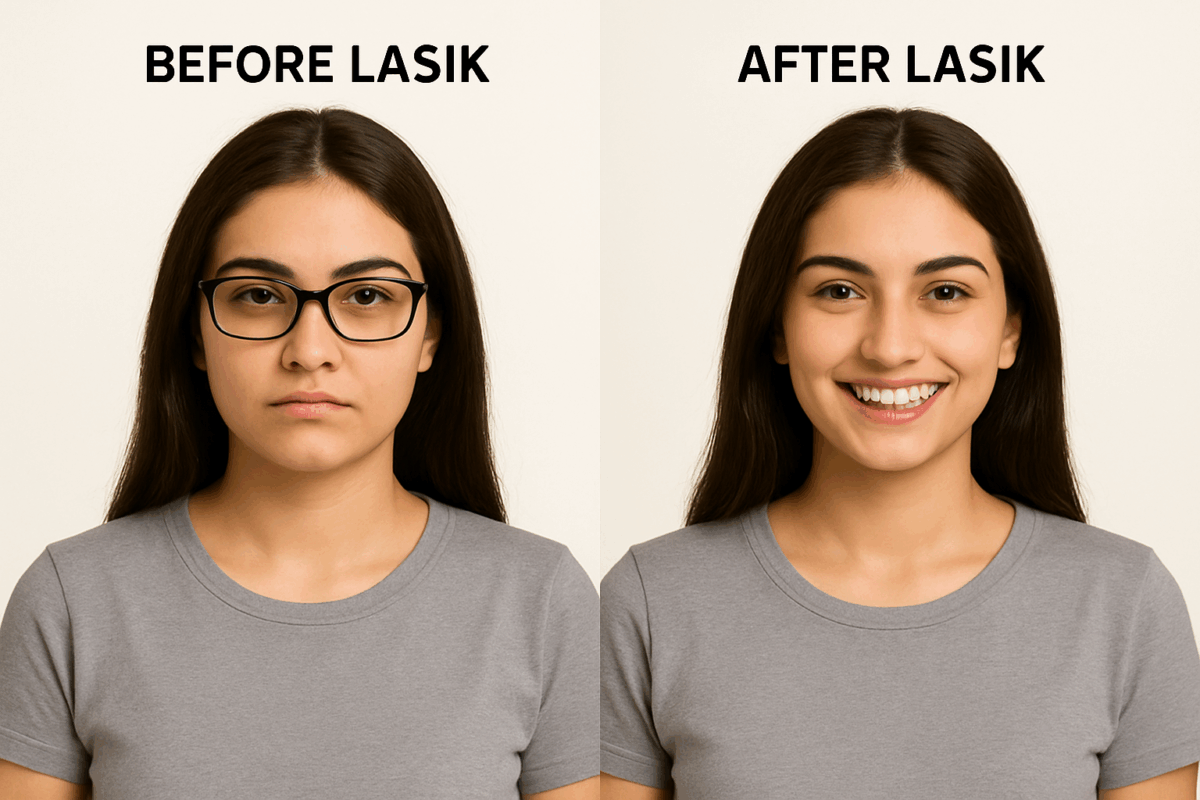
Laser eye surgery has transformed millions of lives. Imagine waking up in the morning and seeing clearly without reaching for your glasses. No more foggy lenses in winter. No more contact lenses drying out your eyes after a long day. Sounds liberating, right? That’s exactly why procedures like LASIK and PRK have become incredibly popular over the last two decades.
But here’s the thing—every medical procedure, no matter how advanced, comes with potential risks. Laser eye surgery is no exception. While it boasts high success rates and impressive patient satisfaction, it’s not a magic wand. Some people experience temporary discomfort. Others may notice visual changes that linger longer than expected. And in rare cases, complications can occur.
This doesn’t mean laser eye surgery is unsafe. It simply means it’s important to go in informed. Think of it like buying a car—you wouldn’t just look at the shiny exterior. You’d check under the hood, ask about maintenance, and consider long-term reliability. Your eyes deserve the same careful consideration.
In this article, we’ll break down the possible side effects of laser eye surgery in a clear, professional, and human way. No scare tactics. No sugarcoating. Just honest information to help you make a confident decision. Whether you’re seriously considering surgery or just curious, understanding the full picture is the smartest first step.
How Laser Eye Surgery Works
Before diving into side effects, it helps to understand what actually happens during laser eye surgery. After all, knowing the mechanics makes the risks easier to grasp.
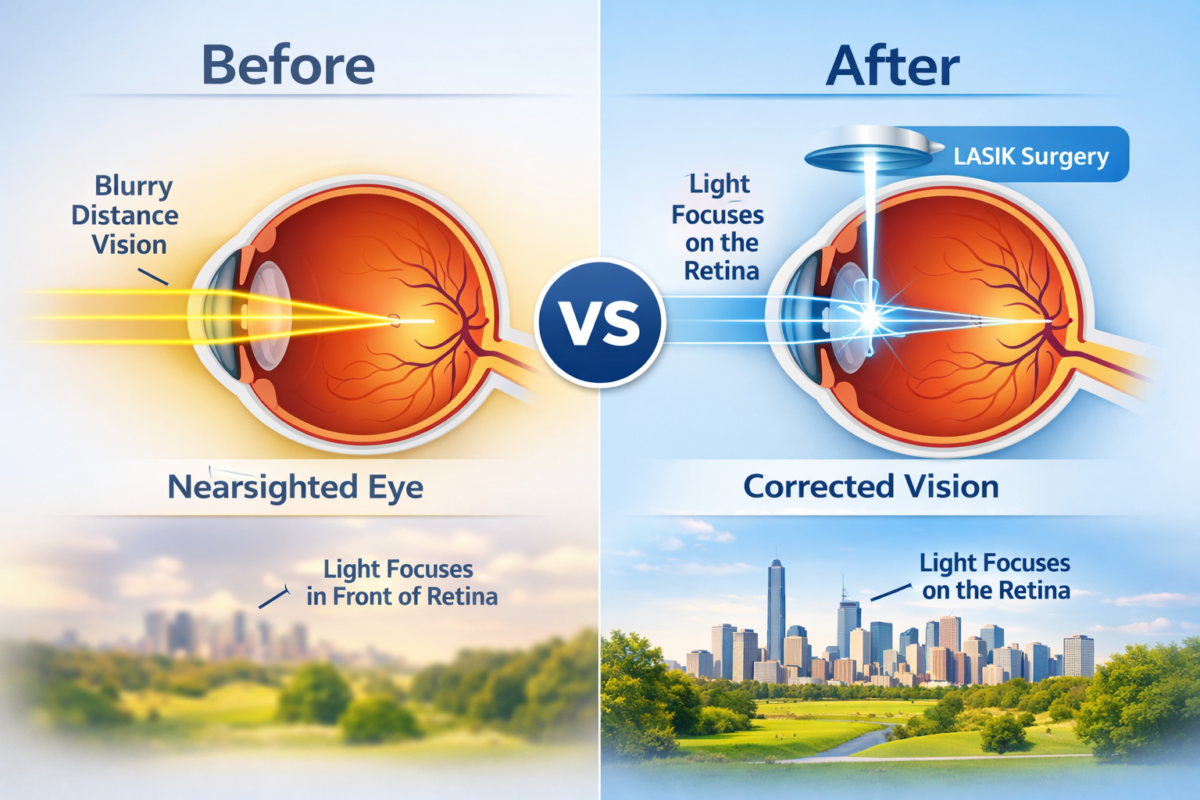
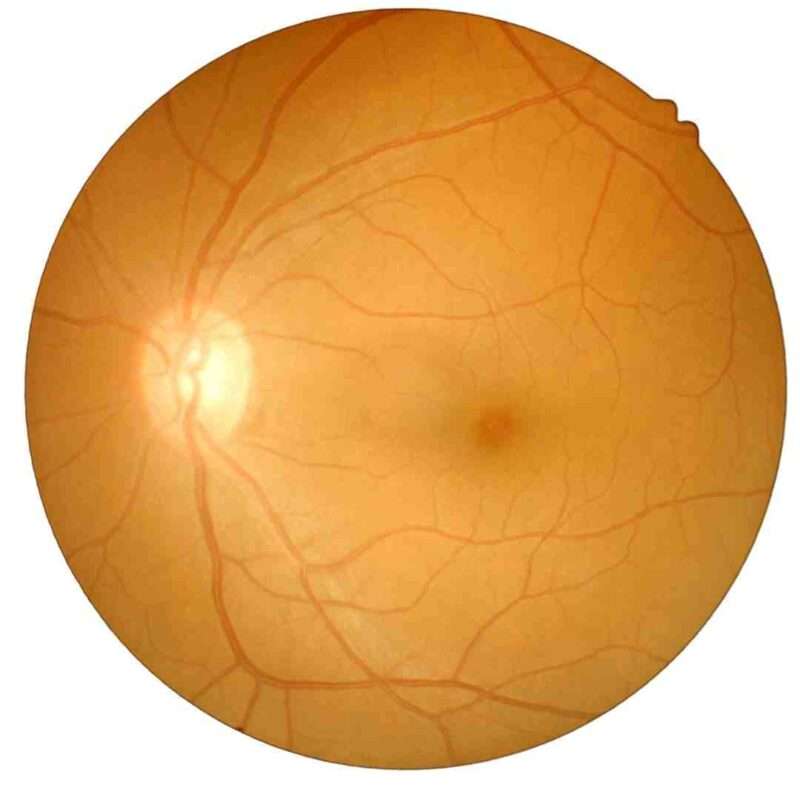
Laser eye surgery reshapes the cornea—the clear front surface of your eye. The cornea plays a major role in focusing light onto the retina. If its shape isn’t ideal, you experience refractive errors like nearsightedness (myopia), farsightedness (hyperopia), or astigmatism. Glasses and contact lenses correct these issues externally. Laser surgery corrects them directly at the source.
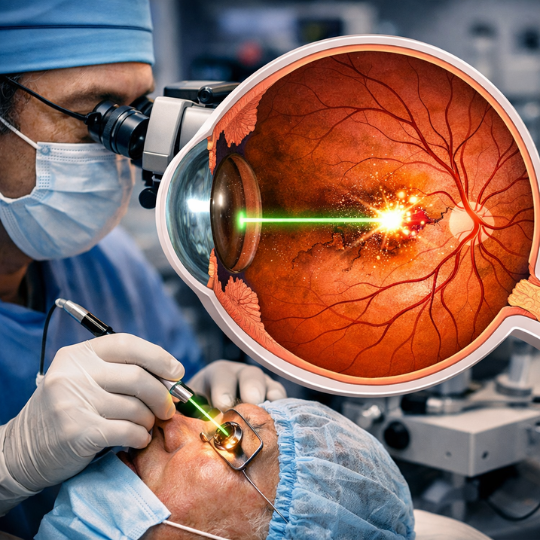
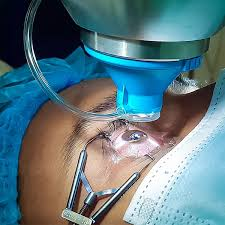
During procedures like LASIK, a thin flap is created on the cornea. A laser then reshapes the underlying tissue with microscopic precision. The flap is repositioned, acting like a natural bandage. In PRK, no flap is created; instead, the outer layer of the cornea is removed before reshaping. SMILE, a newer technique, involves creating a small incision to remove corneal tissue.
The entire process usually takes less than 30 minutes for both eyes. Most patients notice improved vision within 24 hours. It sounds simple—and in many cases, it is. But remember, we’re talking about altering living tissue. Even small changes can temporarily affect how your eyes feel and function.
That’s where side effects enter the conversation. They’re often a natural part of the healing process. The key is knowing which ones are normal, which are temporary, and which require medical attention.
Types of Laser Eye Surgery (LASIK, PRK, SMILE)
Not all laser eye surgeries are created equal. The type you choose can influence both your recovery experience and the side effects you might encounter.
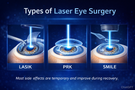
LASIK (Laser-Assisted In Situ Keratomileusis) is the most well-known option. It offers quick recovery and minimal discomfort for most patients. However, because it involves creating a corneal flap, there’s a small risk of flap-related complications.
PRK (Photorefractive Keratectomy) was developed before LASIK and remains a trusted option, especially for people with thinner corneas. Since no flap is created, there’s no flap complication risk—but recovery tends to be slower and more uncomfortable in the first few days.
SMILE (Small Incision Lenticule Extraction) is a newer procedure that uses a tiny incision instead of a flap. It may reduce the risk of dry eye in some patients, but it’s not suitable for all prescriptions.
Each procedure has its own side effect profile. For example:
- LASIK patients may experience flap-related dryness.
- PRK patients may have longer light sensitivity.
- SMILE patients may have slower visual stabilization.
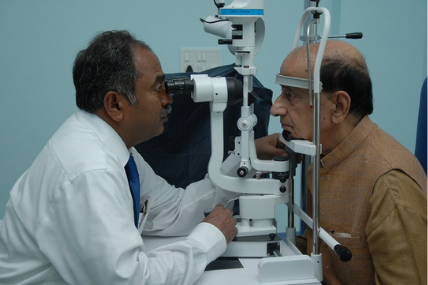
Choosing the right procedure isn’t about picking the most popular one. It’s about matching your eye anatomy, prescription, and lifestyle to the safest option. A thorough evaluation with an experienced surgeon is critical.
When patients experience unexpected side effects, it’s often because the procedure wasn’t ideally suited for them. That’s why personalized assessment matters more than trends.
Why Understanding Laser Eye Surgery Side Effects Matters
Let’s be honest—most people focus on the benefits of laser eye surgery. Clear vision. Freedom. Convenience. But very few spend time researching what could go wrong. That’s human nature. We’re drawn to positive outcomes.
However, understanding side effects isn’t about fear—it’s about preparation. When you know what’s normal, you won’t panic over temporary dryness. When you understand recovery timelines, you won’t feel disappointed if your vision fluctuates for a few weeks.
Knowledge also protects you from unrealistic expectations. Some people assume laser surgery guarantees “perfect” vision forever. In reality, aging still happens. You may still need reading glasses later in life. Surgery corrects refractive errors, not time itself.
Being informed also helps you recognize red flags. Mild discomfort? Normal. Severe pain or sudden vision loss? Not normal. Knowing the difference ensures you seek help quickly if needed.
Think of side effects as road signs. They don’t mean you’re on the wrong path—they simply guide you through the journey safely. When patients understand this, satisfaction rates are significantly higher.
Laser eye surgery can be life-changing. But the best outcomes happen when patients walk into the operating room educated, realistic, and confident—not blindly optimistic.
Common Short-Term Side Effects
Short-term side effects are the most common experiences after laser eye surgery. The good news? Most are temporary and resolve within days or weeks.
Immediately after the procedure, your eyes may feel gritty, like there’s sand trapped inside. This sensation is completely normal. Your cornea has just been reshaped—it needs time to heal. Some people describe mild burning or tearing during the first 24 hours.
Blurry vision is also common in the early recovery period. While many patients see clearly within a day, others experience fluctuating clarity for several weeks. Your eyes are adjusting to their new shape. Healing isn’t instant, even if the laser work is.
You might also notice increased sensitivity to light. Bright rooms, sunlight, or screens may feel overwhelming at first. Wearing sunglasses and limiting screen time can help during this phase.
Other temporary effects include:
- Red spots on the white of the eye (harmless and fade naturally)
- Mild swelling
- Eye fatigue
These symptoms typically improve as your eyes stabilize. Following post-operative instructions—using prescribed drops, avoiding rubbing your eyes, and attending follow-up visits—greatly reduces discomfort.
Short-term side effects are part of the healing journey. They’re expected. What matters is how your body responds over time—and for most patients, recovery progresses smoothly.
Dry Eyes After Laser Eye Surgery
If there’s one side effect that shows up in almost every discussion about laser eye surgery, it’s dry eyes. And for good reason. Dryness is the most common complaint after procedures like LASIK, PRK, and even SMILE.
But why does it happen?
During laser surgery—especially LASIK—tiny corneal nerves are temporarily disrupted. These nerves play a role in signaling your brain to produce tears. When they’re healing, tear production can decrease. The result? Your eyes may feel dry, scratchy, or irritated.
Some people describe it as a mild annoyance. Others compare it to staring at a computer screen for 12 hours straight. You might notice:
- A burning sensation
- Redness
- Blurred vision that improves after blinking
- A feeling like something is in your eye
For most patients, dry eye symptoms peak within the first few weeks and gradually improve over three to six months as nerves regenerate. Artificial tears, lubricating gels, and prescription drops are commonly recommended to support healing.
However, in rare cases, dryness can persist longer. Patients who already had mild dry eye before surgery are more likely to experience prolonged symptoms. That’s why pre-surgical screening is so important. A responsible surgeon will evaluate tear quality and quantity before approving you for surgery.
The good news? Severe, permanent dry eye is uncommon when patients are carefully selected and follow post-operative care instructions.
If you’re someone who already struggles with dryness from contact lenses or long screen hours, this is a topic worth discussing in detail with your doctor before making a decision.
Glare, Halos, and Night Vision Problems
Have you ever looked at headlights at night and noticed rings around them? After laser eye surgery, especially in the early weeks, this can become more noticeable.
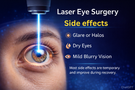
Glare and halos are temporary visual disturbances that many patients report. Streetlights may appear to have starbursts. Car headlights might seem brighter than usual. Night driving can feel slightly uncomfortable at first.
Why does this happen?
When your cornea is reshaped, it takes time for the surface to smooth out completely. Minor swelling and healing changes can temporarily affect how light enters your eye. Your pupils also expand in low light, which can reveal subtle imperfections during the healing phase.
For most people, these symptoms improve within a few weeks to a few months. As your brain adapts and the cornea stabilizes, night vision typically becomes clearer.
However, certain factors may increase the risk of persistent night vision issues:
- Large pupil size
- High prescription before surgery
- Older laser technology
Modern lasers are far more precise than early-generation systems, significantly reducing long-term night vision problems.
It’s important to set realistic expectations. Immediately after surgery, your vision may not feel “perfect” in every lighting condition. Healing is a process. The majority of patients report significant improvement and satisfaction once recovery is complete.
Still, if night driving is essential to your profession or lifestyle, this is a topic worth exploring in detail during consultation.
Undercorrection, Overcorrection, and Vision Regression
Laser eye surgery is incredibly precise—but it’s still biological. And biology doesn’t always follow a mathematical formula perfectly.
Sometimes, the laser removes slightly less tissue than needed. That’s called undercorrection. Other times, slightly more tissue is removed, resulting in overcorrection. In both cases, vision may not be exactly as sharp as expected.
Additionally, some patients experience regression. This means their vision gradually shifts back toward their original prescription over time. It’s more common in individuals with very high prescriptions before surgery.
Does this mean surgery failed? Not necessarily.
In many cases, a simple enhancement procedure can fine-tune the result once the eye has fully healed. Enhancements are typically considered after several months, once vision stabilizes.
It’s also important to remember that laser surgery doesn’t stop natural aging. Around your 40s, presbyopia (age-related difficulty focusing on close objects) develops in nearly everyone—whether you had surgery or not. Reading glasses may still become necessary later in life.
The key takeaway? Laser eye surgery dramatically reduces dependence on glasses or contacts for most people. But expecting lifelong, flawless vision under every condition may lead to disappointment.
Clear communication with your surgeon about expectations makes all the difference.
Rare but Serious Complications
Serious complications are rare—but they deserve attention. Understanding them doesn’t mean assuming they will happen. It simply means being informed.
Infection and Inflammation
Any surgical procedure carries a small risk of infection. With laser eye surgery, this risk is very low due to sterile environments and post-operative antibiotic drops. However, if infection occurs, it requires immediate treatment to prevent vision damage.
Symptoms might include severe pain, worsening redness, discharge, or sudden vision decline.
Corneal Ectasia
Corneal ectasia is a rare condition where the cornea becomes weakened and begins to bulge forward. It can lead to distorted vision. Careful pre-operative screening greatly reduces this risk by identifying patients with thin or irregular corneas.
Flap Complications (LASIK Only)
Because LASIK involves creating a corneal flap, complications related to flap healing can occur. These may include displacement or wrinkles in the flap. Fortunately, such issues are uncommon and often correctable if addressed quickly.
When performed by experienced surgeons using modern technology, serious complications occur in a very small percentage of cases.
Psychological and Emotional Effects
Vision is deeply personal. It’s tied to how we experience the world. So when outcomes don’t perfectly match expectations, emotional reactions can follow.
Some patients feel temporary anxiety during the healing period—especially if vision fluctuates. Others may feel regret if they weren’t fully prepared for side effects like dryness or glare.
This is why expectation management is critical. Patients who understand that healing takes time are generally more satisfied than those expecting instant perfection.
Confidence in your surgeon, clear communication, and realistic goals significantly reduce emotional stress.
Factors That Increase the Risk of Side Effects
Certain factors can increase your likelihood of experiencing side effects:
- Pre-existing dry eye syndrome
- Thin corneas
- Autoimmune diseases
- Large pupils
- Very high prescriptions
- Poor post-operative care compliance
This is why thorough screening is non-negotiable. A reputable surgeon will sometimes advise against surgery if risk factors are too high. That’s not a rejection—it’s responsible medicine.
Comparing Risks vs. Benefits
Laser eye surgery has one of the highest satisfaction rates in elective procedures. Millions of people achieve 20/20 vision or better.
When weighing risks versus benefits, consider:
Benefits:
- Reduced dependence on glasses or contacts
- Long-term cost savings
- Improved convenience and lifestyle
Risks:
- Temporary discomfort
- Possible need for enhancement
- Rare complications
For most healthy candidates, benefits outweigh risks. But the decision should always be personal and informed.
Conclusion
Laser eye surgery side effects range from mild and temporary to rare but serious. The majority of patients experience short-term dryness, light sensitivity, or visual fluctuations that improve with time. Serious complications are uncommon, especially with modern technology and proper screening.
The key is preparation. Ask questions. Understand your candidacy. Follow aftercare instructions carefully. When approached thoughtfully, laser eye surgery can be a safe, life-changing investment in your vision.
Clear sight is powerful—but informed decisions are even more powerful.
FAQs About Laser Eye Surgery Side Effects
1. How long do dry eyes last after LASIK?
Most patients notice improvement within three to six months as corneal nerves heal.
2. Are halos after laser eye surgery permanent?
In most cases, halos improve within weeks or months. Persistent halos are uncommon.
3. Can laser eye surgery cause blindness?
Permanent blindness is extremely rare. Serious complications are uncommon when performed by experienced surgeons.
4. Is laser eye surgery painful?
The procedure itself is typically painless due to numbing drops. Mild discomfort may occur during recovery.
5. Can vision worsen years after surgery?
Natural aging can change vision over time. This is not necessarily a failure of the surgery.