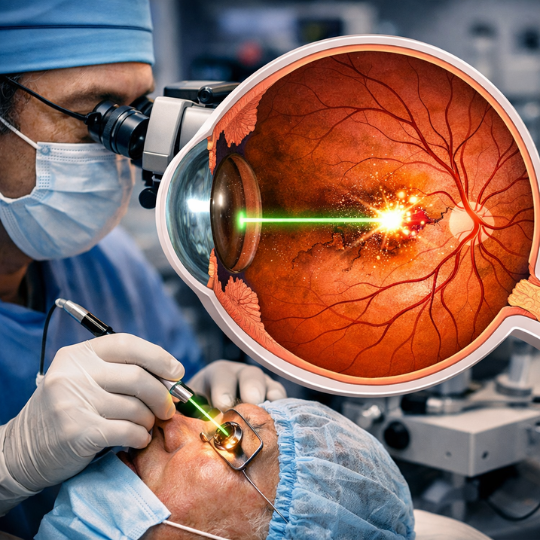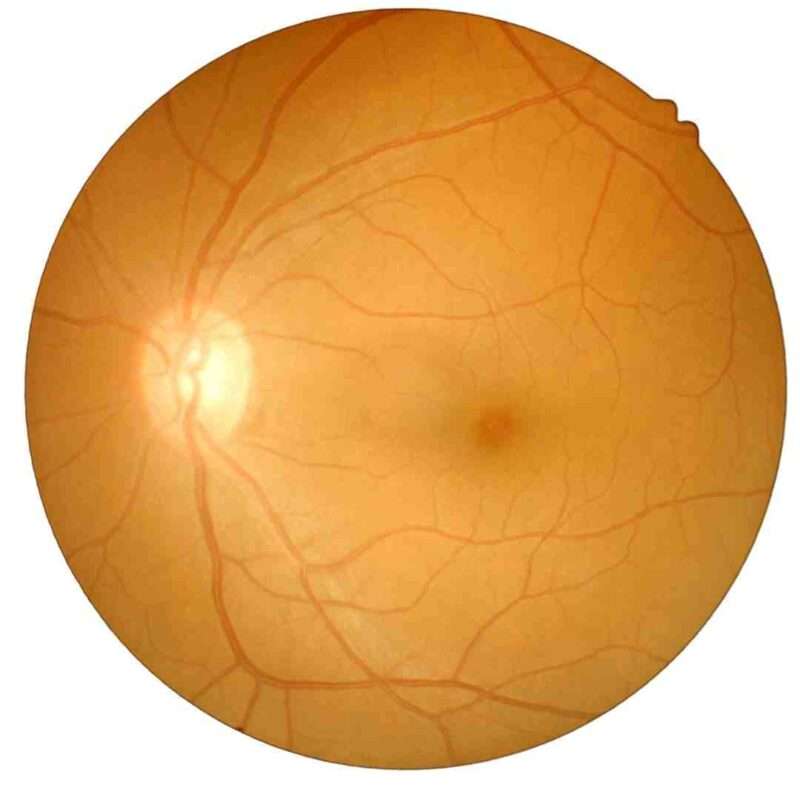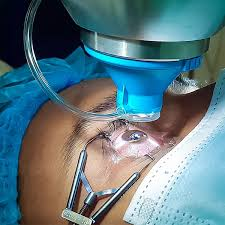


Introduction: Understanding Your Laser Eye Surgery Recovery time
Embarking on the journey toward clearer vision through laser eye surgery is an exciting prospect. For many, it represents a life-changing opportunity to reduce or eliminate reliance on glasses and contact lenses. However, alongside the anticipation of improved sight, a common and crucial question arises: “What can I expect regarding laser eye surgery recovery time?” We understand that the prospect of undergoing any medical procedure can bring a mix of excitement and apprehension, and being well-informed about the recovery process is key to a smooth experience.
In this comprehensive guide, we will walk you through every stage of your recovery, from the immediate hours following your procedure to the long-term stabilization of your vision. Our goal is to demystify the healing process, provide essential tips, and address common concerns, ensuring you feel prepared and confident every step of the way. Understanding the nuances of laser eye surgery recovery time is not just about knowing how long it takes; it’s about appreciating the journey your eyes undertake to achieve their full potential.
The Immediate Recovery Phase: First 24-48 Hours Post-Surgery
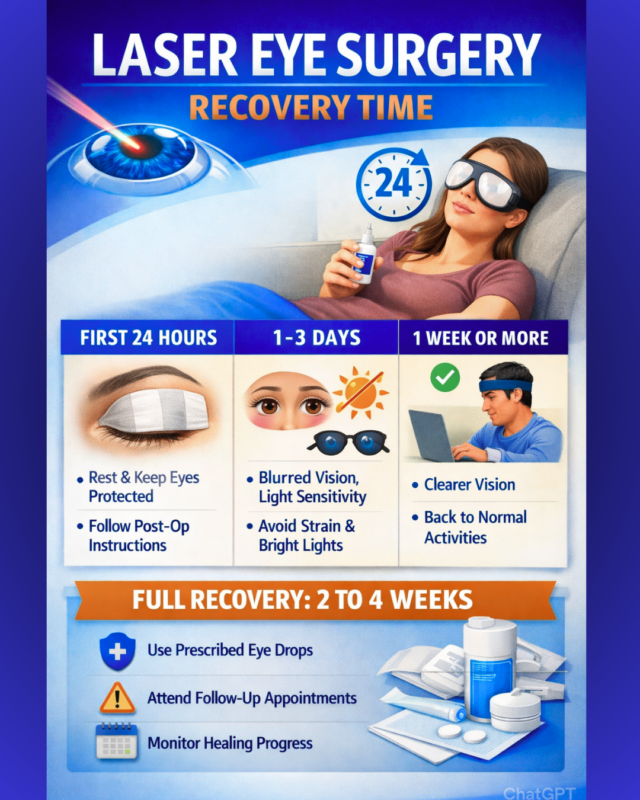
The initial 24 to 48 hours after your laser eye surgery are perhaps the most critical for setting the stage for a successful recovery. While the specific experience can vary slightly depending on the type of surgery (e.g., LASIK, PRK, SMILE), there are common sensations and care instructions that apply broadly.
What to Expect Immediately After the Procedure
- Temporary Discomfort: It’s normal to experience some level of discomfort immediately after surgery. This can range from a gritty, sandy sensation in your eyes to mild burning, itching, or a foreign body sensation. For LASIK patients, this discomfort typically subsides within a few hours. PRK patients often experience more prolonged discomfort, sometimes lasting several days, as the surface layer of the cornea heals.
- Blurred Vision: Your vision will be significantly blurry right after the procedure. This is a normal part of the healing process and should not be a cause for alarm. The clarity will gradually improve over the next day or two.
- Light Sensitivity: Many individuals experience increased sensitivity to light (photophobia). Wearing sunglasses, even indoors, can help alleviate this.
- Watering Eyes: Your eyes may water excessively as they begin to heal.
- Protective Eyewear: You will likely be given protective shields or goggles to wear, especially while sleeping, to prevent accidental rubbing or pressure on your eyes.
Essential Care Instructions for the First 24-48 Hours
Your surgeon will provide specific post-operative instructions, and adhering to them meticulously is paramount for optimal laser eye surgery recovery time.
- Rest, Rest, Rest: This is perhaps the most important instruction. Your eyes need to heal, and resting them by keeping them closed as much as possible helps immensely. Many surgeons recommend going home and sleeping for several hours immediately after the procedure.
- Avoid Touching Your Eyes: Resist the urge to rub, touch, or press on your eyes, even if they feel itchy or uncomfortable. This can dislodge the corneal flap (in LASIK) or interfere with the healing process (in PRK/SMILE).
- Use Prescribed Eye Drops: You will be given a regimen of medicated eye drops, typically antibiotics to prevent infection and anti-inflammatory drops to reduce swelling and discomfort. Administer these exactly as directed. Lubricating eye drops may also be prescribed to combat dryness.
- Avoid Water Exposure: Keep water out of your eyes. This means no showering, swimming, hot tubs, or washing your face directly for at least 24-48 hours, or as advised by your surgeon.
- Limit Screen Time: Avoid activities that strain your eyes, such as reading, watching TV, or using computers and smartphones.
- Follow-Up Appointment: Your first follow-up appointment is typically scheduled within 24-48 hours. This is crucial for your surgeon to assess your healing progress and ensure everything is on track.
Long-Term Healing and Vision Stabilization
While the immediate discomfort subsides quickly, the journey to fully stabilized vision is a gradual process that unfolds over weeks and even months. Understanding this timeline helps manage expectations regarding your laser eye surgery recovery time.
Week 1: Significant Improvement
- Vision Clarity: Most LASIK patients experience a dramatic improvement in vision within the first few days, often achieving near 20/20 vision by their one-week check-up. PRK patients will see more gradual improvement as the epithelial layer heals, typically noticing significant clarity around days 5-7 once the bandage contact lens is removed.
- Reduced Discomfort: Any lingering irritation, grittiness, or light sensitivity should substantially decrease.
- Resuming Activities: You can typically resume most light, non-strenuous activities, including returning to work (if not physically demanding) and light exercise, as advised by your surgeon. However, avoid swimming and contact sports.
Weeks 2-4: Continued Healing and Minor Fluctuations
- Vision Stabilization: Your vision will continue to stabilize, though you might notice minor fluctuations throughout the day. This is normal as your eyes adjust and heal.
- Dry Eyes: Dryness is a common side effect and may persist for several weeks or months. Continue using lubricating eye drops as recommended by your doctor.
- Night Vision: Some individuals may experience temporary halos, glare, or starbursts around lights, particularly at night. These effects usually diminish over time.
- Gradual Return to Normal: Most daily activities can be fully resumed, but continue to protect your eyes from impact and prolonged water exposure.
Months 1-6: Final Vision Outcomes
- Full Stabilization: For the vast majority of patients, vision stabilizes completely within 3 to 6 months. This is when the final results of your laser eye surgery are typically assessed.
- Resolution of Side Effects: Dryness, halos, and glare usually resolve or significantly improve during this period. A small percentage of patients may experience persistent mild symptoms.
- Follow-Up Appointments: You’ll have several follow-up appointments during this period (e.g., at 1 month, 3 months, 6 months) to monitor your progress and ensure long-term eye health.
Long-Term Considerations
While the bulk of laser eye surgery recovery time is within the first few months, it’s important to remember that your eyes continue to age. Regular eye exams remain crucial for maintaining optimal eye health and detecting any age-related vision changes.
Factors Influencing Your Recovery & Essential Tips for Success
Several factors can influence the duration and smoothness of your laser eye surgery recovery time. Understanding these can help you better prepare and optimize your healing process.
Key Factors Affecting Recovery
- Type of Laser Eye Surgery:
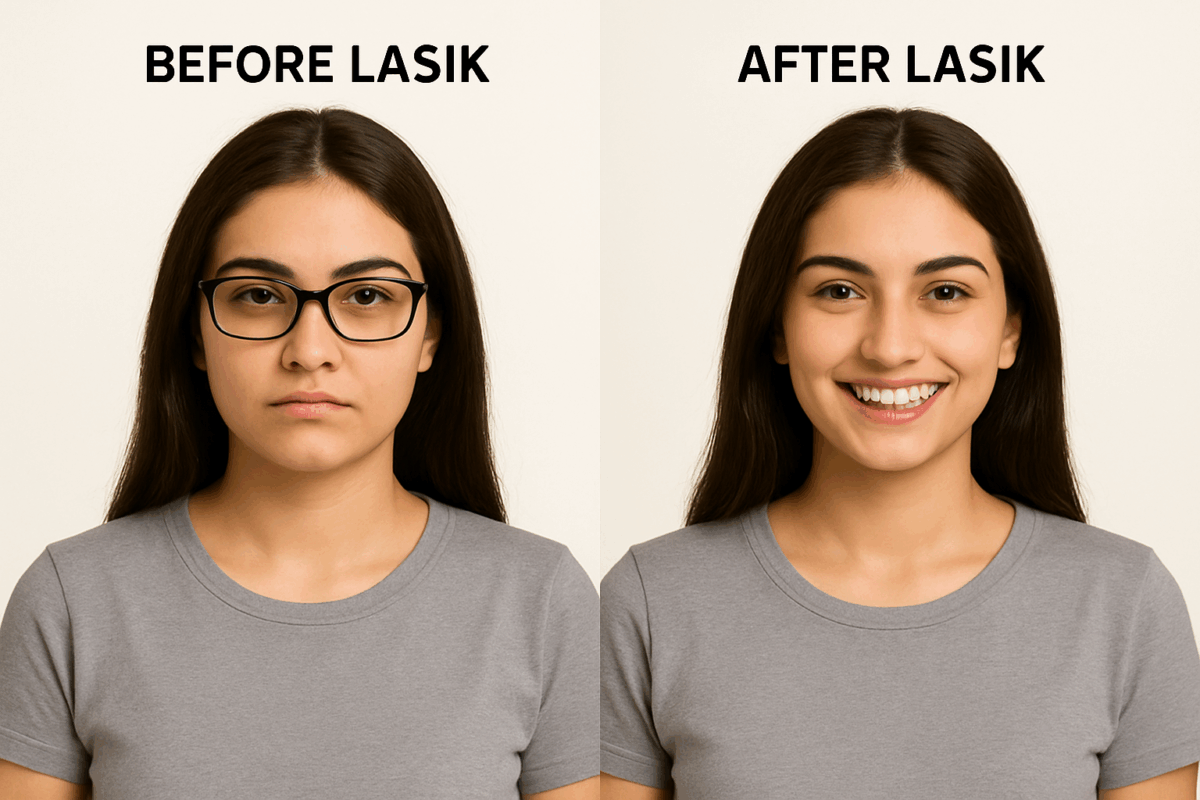
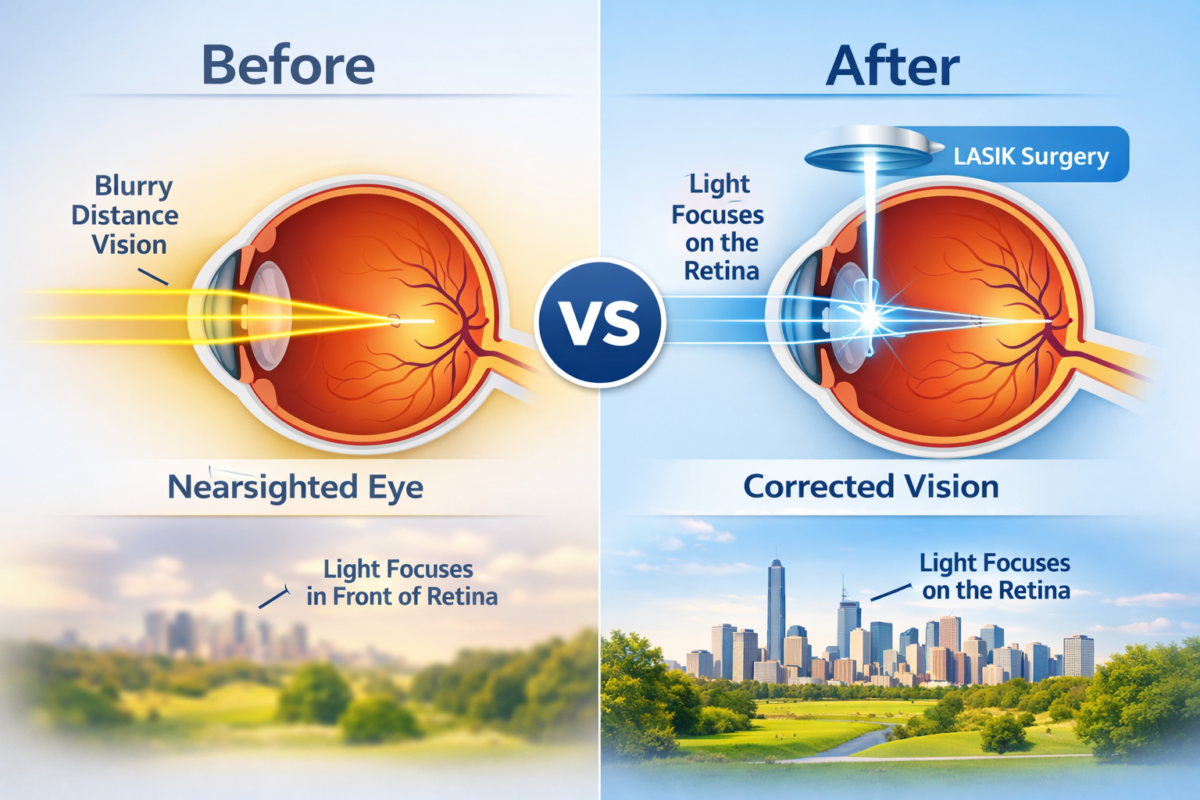
- LASIK (Laser-Assisted In Situ Keratomileusis): Known for its rapid visual recovery. Most patients see well within 24-48 hours. Discomfort is minimal and short-lived.
- PRK (Photorefractive Keratectomy): Involves removing the outermost layer of the cornea, leading to a longer initial laser eye surgery recovery time. Vision improvement is gradual, and discomfort can last several days, as the surface cells regenerate.
- SMILE (Small Incision Lenticule Extraction): Offers a recovery profile similar to LASIK, with rapid visual improvement and minimal discomfort, as it involves a very small incision.
- Individual Healing Ability: Everyone heals at their own pace. Factors like age, overall health, and genetic predisposition can influence how quickly your eyes recover.
- Pre-existing Eye Conditions: Conditions like severe dry eyes, certain autoimmune diseases, or very high prescriptions might necessitate a slightly longer or more managed recovery period.
- Adherence to Post-Operative Instructions: This is perhaps the most significant controllable factor. Diligently following your surgeon’s advice regarding eye drops, activity restrictions, and protective measures directly impacts your recovery outcome.
Essential Tips for a Smooth Recovery
To ensure the best possible laser eye surgery recovery time and outcome, we strongly recommend adhering to these guidelines:
- Prioritize Rest: Give your eyes ample rest, especially in the first few days. Avoid strenuous activities and prolonged screen time.
- Stay Hydrated & Use Eye Drops: Keep your body hydrated, and consistently use all prescribed eye drops – antibiotics, anti-inflammatories, and lubricating drops – as directed. Don’t skip doses, even if your eyes feel fine.
- Protect Your Eyes:
- Wear provided eye shields while sleeping for at least the first week.
- Wear sunglasses outdoors for several weeks to protect against UV rays and reduce light sensitivity.
- Avoid rubbing or touching your eyes.
- Avoid Irritants:
- Stay away from dusty, smoky, or windy environments.
- Avoid swimming pools, hot tubs, and saunas for at least 2-4 weeks.
- Refrain from wearing eye makeup for at least 1-2 weeks.
- Attend All Follow-Up Appointments: These appointments are crucial for your surgeon to monitor your healing progress and address any concerns.
- Communicate with Your Surgeon: If you experience severe pain, sudden vision loss, or any unusual symptoms, contact your surgeon immediately.
Conclusion: Patience and Proper Care for Optimal Results
Navigating your laser eye surgery recovery time is a journey that requires both patience and diligent adherence to post-operative care instructions. While the initial days demand the most attention, understanding the full timeline of healing – from the immediate recovery to long-term vision stabilization – empowers you to manage your expectations and actively participate in your own successful outcome.
Remember, every individual’s healing process is unique, but by prioritizing rest, consistently using your prescribed eye drops, protecting your eyes from irritants, and attending all follow-up appointments, you are setting yourself up for the best possible results. The temporary discomfort and discipline required during recovery are a small investment for the lasting gift of clearer, sharper vision. Trust the process, communicate openly with your surgical team, and look forward to enjoying a world seen with newfound clarity.
Author Details:
Dr. Sushruth Appajigowda holds a prominent position as a Cornea, Cataract, Glaucoma, and LASIK Surgeon in Bangalore. He serves as the chief Cataract and Refractive surgeon at Vijaya Nethralaya Eye Hospital, Nagarbhavi Bangalore. Renowned as one of the finest LASIK surgeons nationwide, he brings with him over 12+ years of experience across multiple LASIK platforms, including ZEISS, ALCON, SCHWIND, AMO, and Bausch and Lomb. Having successfully conducted over 5000 LASIK procedures, Dr. Sushruth holds the title of a Certified Refractive Surgeon and a Fellow of the All India Collegium Of Ophthalmology. Furthermore, he stands as a distinguished speaker at various National and International Forums, using his expertise to guide you in selecting the most suitable procedure based on your health requirements.

http://vijayanethralaya.com/link-in-bio/
Frequently Asked Questions (FAQ)
We’ve compiled answers to some of the most common questions about laser eye surgery recovery time to help you feel more informed.
Q1: When can I drive after laser eye surgery?
A: Most LASIK patients can safely drive within 1-2 days, once their vision meets the legal driving standard and they feel comfortable. PRK patients may need to wait 3-7 days or longer, depending on their visual acuity. Always confirm with your surgeon.
Q2: When can I return to work?
A: For most office-based jobs, LASIK patients can return within 1-3 days. PRK patients might need a full week off. If your job involves physical exertion, dusty environments, or significant screen time, you may need a longer break.
Q3: When can I exercise?
A: Light exercise (walking, stationary cycling) can usually be resumed within 2-3 days for LASIK. Avoid strenuous activities, heavy lifting, and contact sports for at least 2-4 weeks to prevent eye injury or irritation. Swimming should be avoided for at least 2-4 weeks.
Q4: Can I wear eye makeup after laser eye surgery?
A: It’s generally recommended to avoid eye makeup (mascara, eyeliner, eyeshadow) for at least 1-2 weeks to prevent irritation or infection. When you do resume, use new products to minimize bacterial risk.
Q5: Is it normal to have dry eyes after surgery?
A: Yes, dry eyes are a very common side effect and can last for several weeks or even months. Using lubricating eye drops as directed by your surgeon is crucial for managing this.
Q6: How long until my vision is completely stable?
A: While significant improvement is rapid, full vision stabilization typically takes 3 to 6 months. Minor fluctuations in vision are normal during this period.