
Understanding Laser Eye Surgery
What is Laser Eye Surgery?
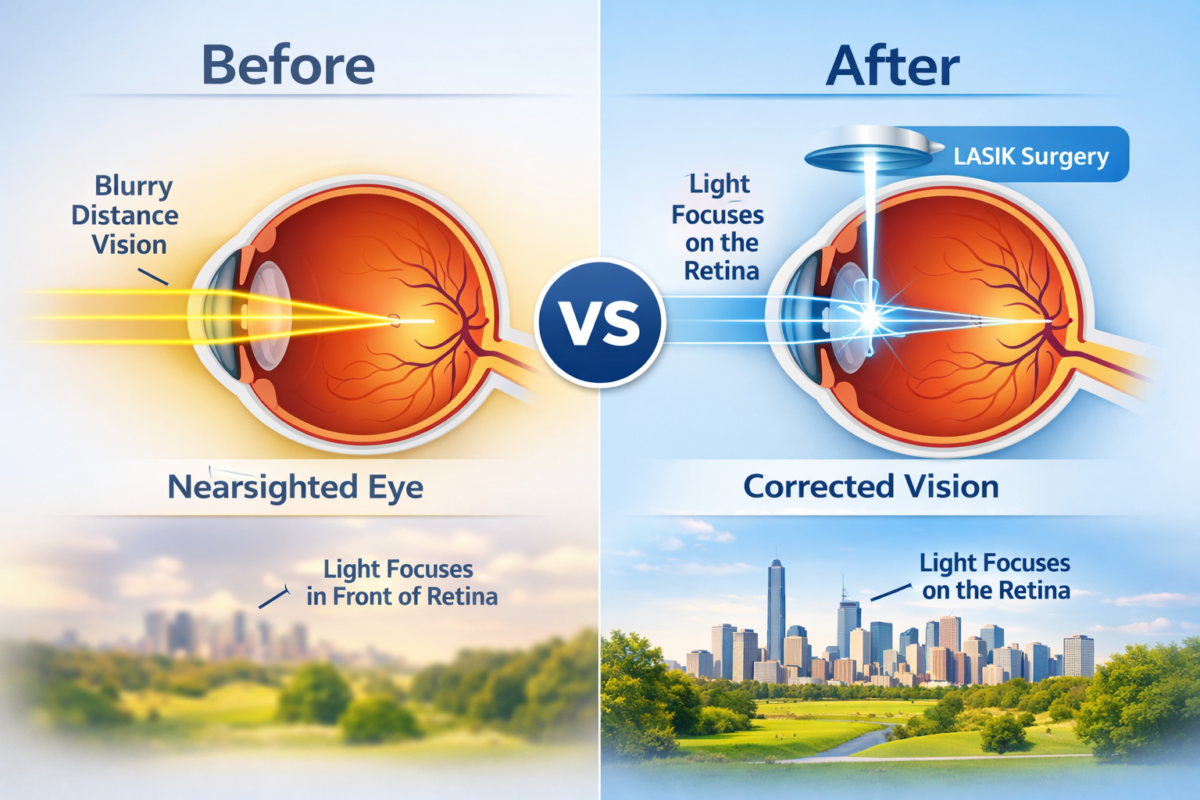
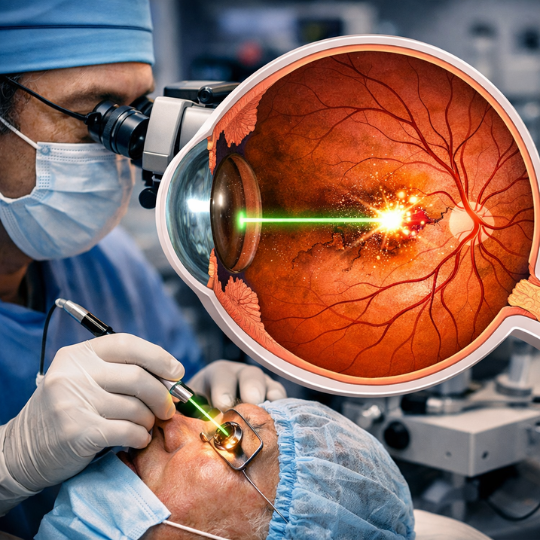
Laser eye surgery is a medical procedure that reshapes the cornea — the clear front part of the eye — to improve how light focuses on the retina. This corrects common vision problems such as nearsightedness, farsightedness, and astigmatism.
Different Types of Laser Eye Surgery (LASIK, PRK, LASEK, SMILE)
- LASIK (Laser-Assisted In Situ Keratomileusis): The most popular procedure with quick recovery.
- PRK (Photorefractive Keratectomy): An older method with longer healing time, often used for thinner corneas.
- LASEK (Laser Epithelial Keratomileusis): A hybrid technique combining PRK and LASIK benefits.
- SMILE (Small Incision Lenticule Extraction): A newer, minimally invasive technique with promising results.
How Laser Eye Surgery Works on the Eye
Each method involves reshaping the cornea with a laser so light entering the eye focuses correctly on the retina. Once reshaped, the cornea stays in its new form permanently, but other factors can affect long-term vision.

The Longevity of Laser Eye Surgery Results
Average Duration of Results
Most patients enjoy permanent improvements in vision. Studies show that over 90% of LASIK patients maintain 20/25 vision or better 10 years post-surgery. For many, the results last a lifetime.
Factors That Affect How Long It Lasts
- Age at the time of surgery
- Prescription strength before surgery
- Natural changes in the eye with aging
- Lifestyle factors (eye strain, health conditions, UV exposure)
Does Laser Eye Surgery Wear Off Over Time?
The procedure itself doesn’t “wear off.” Instead, natural aging processes like presbyopia (age-related reading vision decline) or cataracts can change vision later in life.
How Age Influences Laser Eye Surgery Longevity
Surgery in Your 20s and 30s
Younger patients often experience stable results because their prescriptions are typically steady.
Surgery in Your 40s and Beyond
Patients in their 40s or older may still need reading glasses due to presbyopia, regardless of successful laser correction.
Presbyopia and Reading Glasses After Surgery
Laser surgery doesn’t prevent presbyopia, which usually begins in the early 40s. Even after LASIK, many will eventually need reading glasses.
Success Rates and Long-Term Effectiveness
What Clinical Studies Reveal
Research shows that LASIK success rates remain above 96% even 20 years later.
Vision Regression: How Common Is It?
A small percentage of patients experience slight regression, where vision blurs again over time. This can often be corrected with an enhancement procedure.
Enhancements and Touch-Up Procedures
Touch-ups are safe and effective, especially for patients with significant regression.
Benefits of Laser Eye Surgery Beyond Longevity
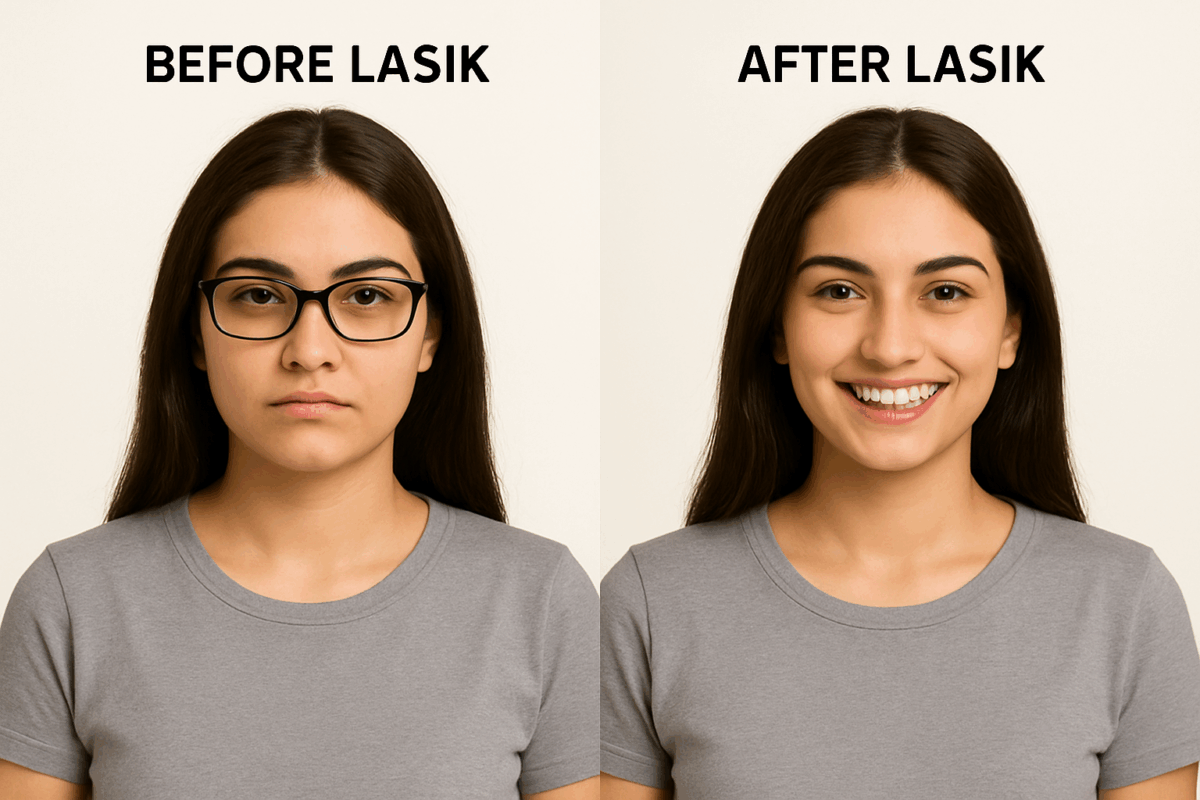
- Freedom from glasses and contact lenses
- More active lifestyle (sports, swimming, travel)
- Increased self-confidence
- Cost savings from reduced reliance on eyewear
Risks and Limitations of Laser Eye Surgery
Common Side Effects
While laser eye surgery is generally safe, some patients may experience temporary side effects such as:
- Dry eyes
- Glare or halos around lights
- Fluctuating vision during recovery
- Sensitivity to bright light
Most of these resolve within weeks or months, but in rare cases, they can be long-lasting.
Who Might Not Be a Good Candidate
Not everyone is suitable for laser eye surgery. Doctors may advise against it if you:
- Have very thin corneas
- Suffer from severe dry eye syndrome
- Have unstable vision prescriptions
- Are pregnant or breastfeeding
- Have certain eye conditions like keratoconus or glaucoma
How to Maximize Long-Lasting Results
Post-Surgery Care Tips
Following your doctor’s aftercare instructions is crucial. These may include:
- Using prescribed eye drops to reduce dryness
- Avoiding rubbing your eyes
- Protecting eyes from dust, smoke, and water exposure during healing
Lifestyle Choices That Protect Eye Health
- Wearing UV-protective sunglasses outdoors
- Limiting screen time or using blue light filters
- Eating a balanced diet rich in omega-3 fatty acids and vitamins A, C, and E
When to Consider a Touch-Up
If vision regression occurs, a follow-up enhancement may be recommended. These are typically safe and effective when performed years after the original surgery.
Alternatives If Laser Eye Surgery Doesn’t Last Forever
Implantable Lenses (ICL)
ICL involves placing a thin lens inside the eye without removing the natural lens. It’s reversible and ideal for people with very high prescriptions.
Lens Replacement Surgery (RLE)
In RLE, the natural lens is replaced with an artificial intraocular lens (similar to cataract surgery). This eliminates the risk of cataracts in the future.
New Advancements in Vision Correction
Innovations like wavefront-guided LASIK and topography-guided treatments are improving precision and outcomes. Future options may make results last even longer.
Conclusion: Is Laser Eye Surgery Worth It in the Long Run?
So, laser eye surgery – how long does it last? For most people, the answer is: a lifetime of improved vision. While natural aging may still bring changes like presbyopia or cataracts, the corneal reshaping from LASIK or other procedures does not fade away.
The procedure is safe, effective, and life-changing, offering freedom from glasses and contact lenses for decades. Even if vision regression occurs, enhancement options are available. With proper care and realistic expectations, laser eye surgery is a powerful investment in your vision and overall quality of life.
FAQs About Laser Eye Surgery Duration
Q1: Does laser eye surgery permanently fix vision?
Yes, the corneal reshaping is permanent. However, age-related changes such as presbyopia or cataracts can still affect vision later.
Q2: How long do LASIK results last on average?
For most patients, LASIK results last a lifetime, though some may need reading glasses in their 40s or 50s.
Q3: Can laser eye surgery be repeated if vision changes?
Yes, enhancement procedures are available if vision regresses, provided you’re a suitable candidate.
Q4: Will I still need glasses after laser eye surgery?
Most patients don’t need glasses for distance vision, but many will need reading glasses as they age.
Q5: Is laser eye surgery worth it long-term?
Absolutely. The majority of patients enjoy decades of clear vision and freedom from eyewear.
Q6: How do I know if I’m a good candidate for long-lasting results?
A comprehensive eye exam by a qualified ophthalmologist can determine whether your corneal thickness, prescription stability, and eye health make you a strong candidate.