
Introduction
Laser eye surgery for nearsightedness, or myopia, is one of the most common vision problems in the world. If you’re nearsighted, objects up close look sharp, but distant things—like road signs or a classroom board—appear blurry. Glasses and contact lenses correct the issue temporarily, but they don’t fix the underlying problem.
That’s where laser eye surgery comes in. It’s a modern solution that reshapes the cornea so light focuses correctly on the retina, giving you clearer vision without lenses. Millions have already taken the leap and said goodbye to glasses. But is it right for you? Let’s break it down.
What is nearsightedness (myopia)?
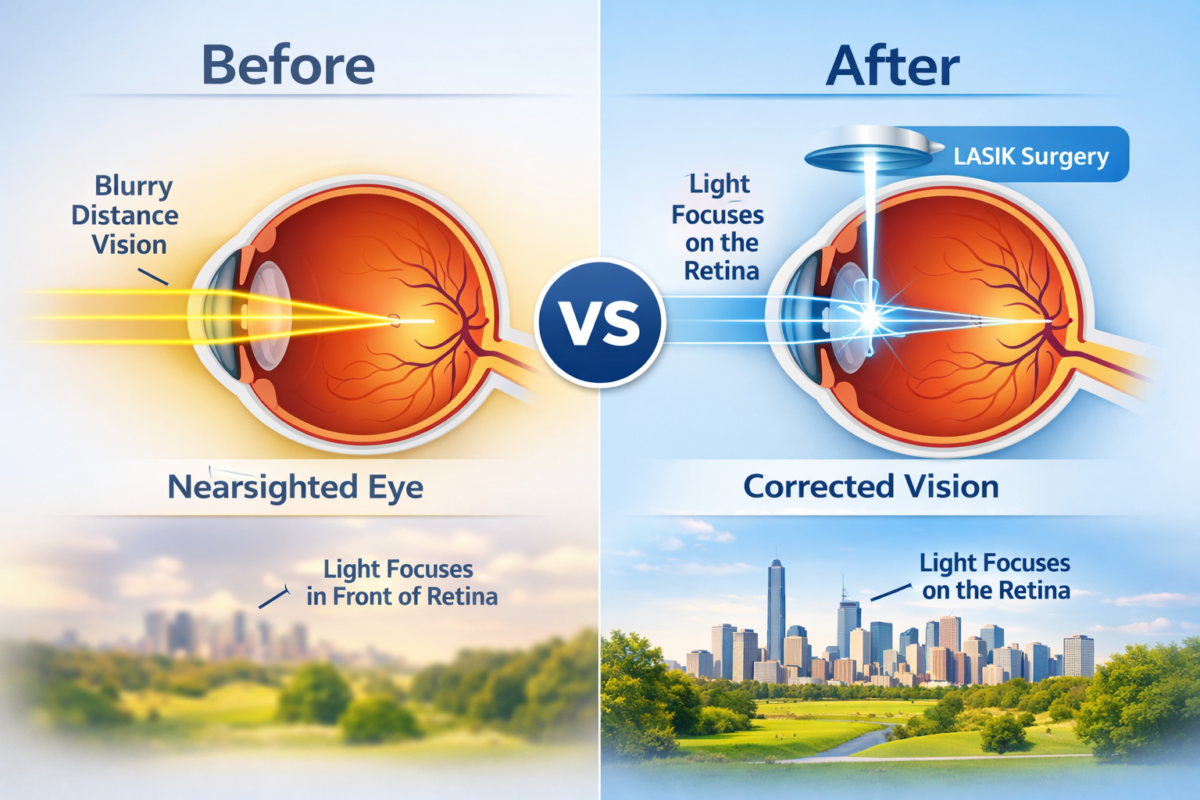
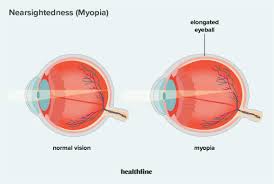
Laser eye surgery for nearsightedness happens when the eye is too long or the cornea is too steep, causing light to focus in front of the retina. The result: distant vision looks blurry.
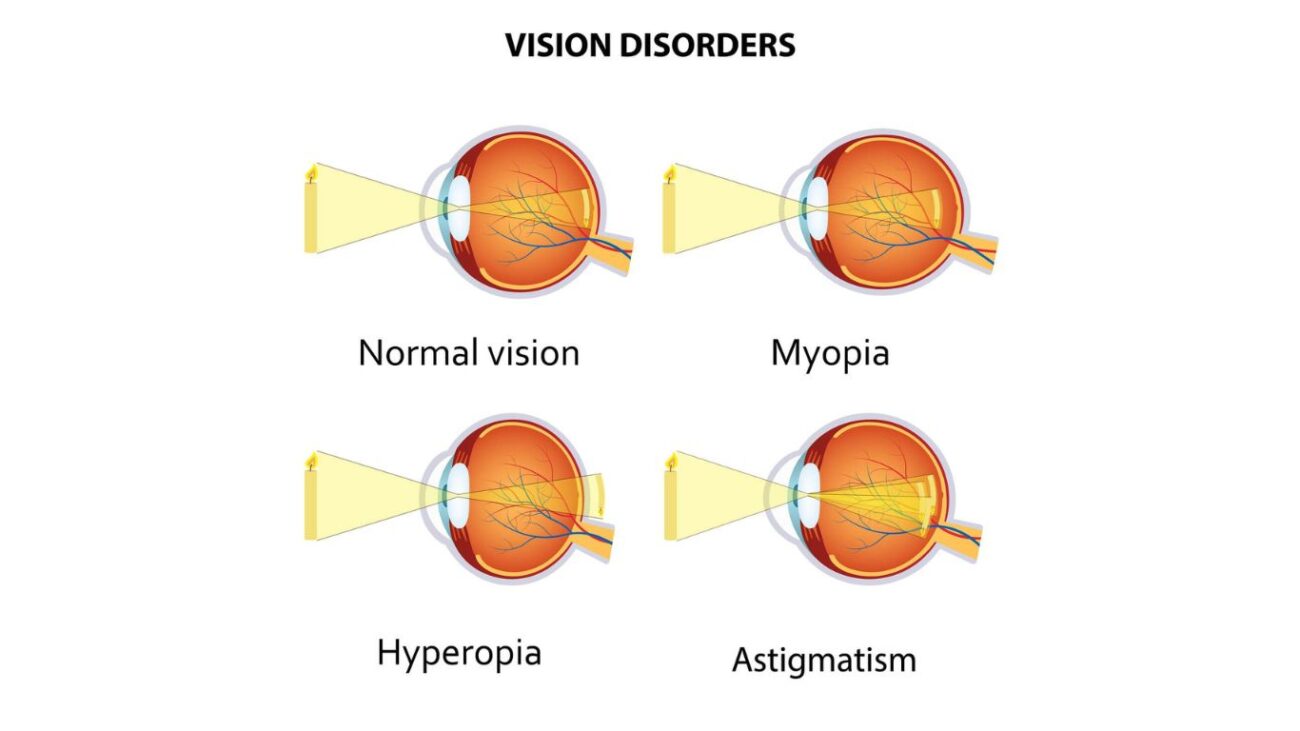
Common symptoms include:
- Trouble seeing faraway objects clearly
- Headaches from constant squinting
- Night driving difficulties
- Eye strain after long periods of reading or screen use
Globally, more than 30% of people are affected, and in some countries, especially in Asia, up to 80% of young adults are nearsighted. Lifestyle factors—like long screen hours and less time outdoors—are fueling the surge. Left uncorrected, severe myopia can increase risks of retinal detachment, glaucoma, and cataracts later in life.
Understanding Laser Eye Surgery
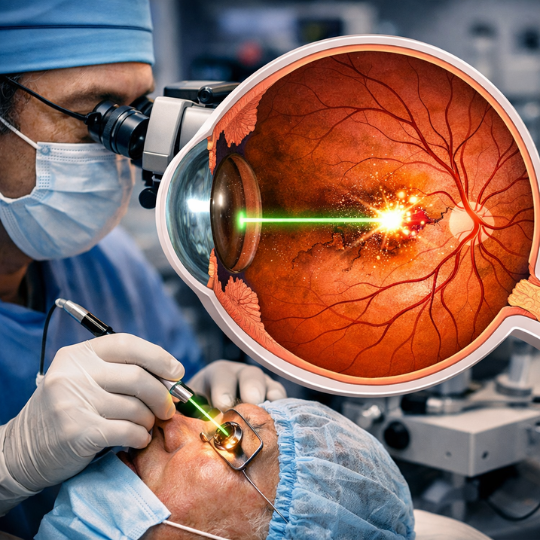
Laser eye surgery reshapes the cornea, which works like the eye’s camera lens. If the lens is the wrong shape, the picture (your vision) comes out blurry. The laser carefully adjusts it so light focuses perfectly on the retina.
There are three main types:
- LASIK – A flap is created in the cornea, tissue is reshaped, and the flap is replaced. Fast recovery, minimal pain.
- PRK – No flap; instead, the outer corneal layer is removed before reshaping. Longer recovery but good for thin corneas.
- SMILE – A small incision removes a tiny piece of tissue, reshaping the cornea with less disturbance. Minimal discomfort and reduced risk of dry eyes.
All three methods aim for the same outcome: clearer vision without glasses.
Who Can Get Laser Eye Surgery?
Not everyone is a candidate. The best patients are:
- 18–40 years old with stable prescriptions for at least a year
- Free from major eye diseases like glaucoma or severe dry eyes
- Generally healthy, without conditions that affect healing (such as uncontrolled diabetes)
You may be disqualified if you have very thin corneas, rapidly changing prescriptions, or eye conditions like keratoconus. In such cases, alternatives like implantable contact lenses (ICL) may be recommended.
The Procedure: What to Expect
Many imagine surgery as long and painful—but that’s far from the truth. The actual procedure takes 10–15 minutes per eye, with the laser work itself lasting under a minute.
Here’s the typical process:
- Numbing drops are applied—no needles, no general anesthesia.
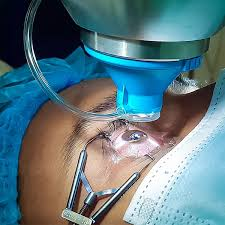
- The eye is gently held open.
- The surgeon uses the laser to reshape the cornea.
- The flap (if created) is replaced, or the incision heals naturally.
Most patients report no pain, just slight pressure. Some notice clearer vision almost immediately; for others, it sharpens within a few days.
Recovery and Healing
Recovery depends on the procedure:
- LASIK – Clear vision in 24–48 hours
- SMILE – A few days
- PRK – Several weeks for full clarity
Common short-term effects include dry eyes, glare, or halos at night. These usually fade within weeks or months. Doctors prescribe lubricating drops and follow-up visits to ensure healing is on track.
After surgery, you’ll need to avoid rubbing your eyes, swimming, or using eye makeup for at least a week. Most patients are back at work within a couple of days.
Benefits of Laser Eye Surgery
Why do so many people choose it? The advantages are clear:
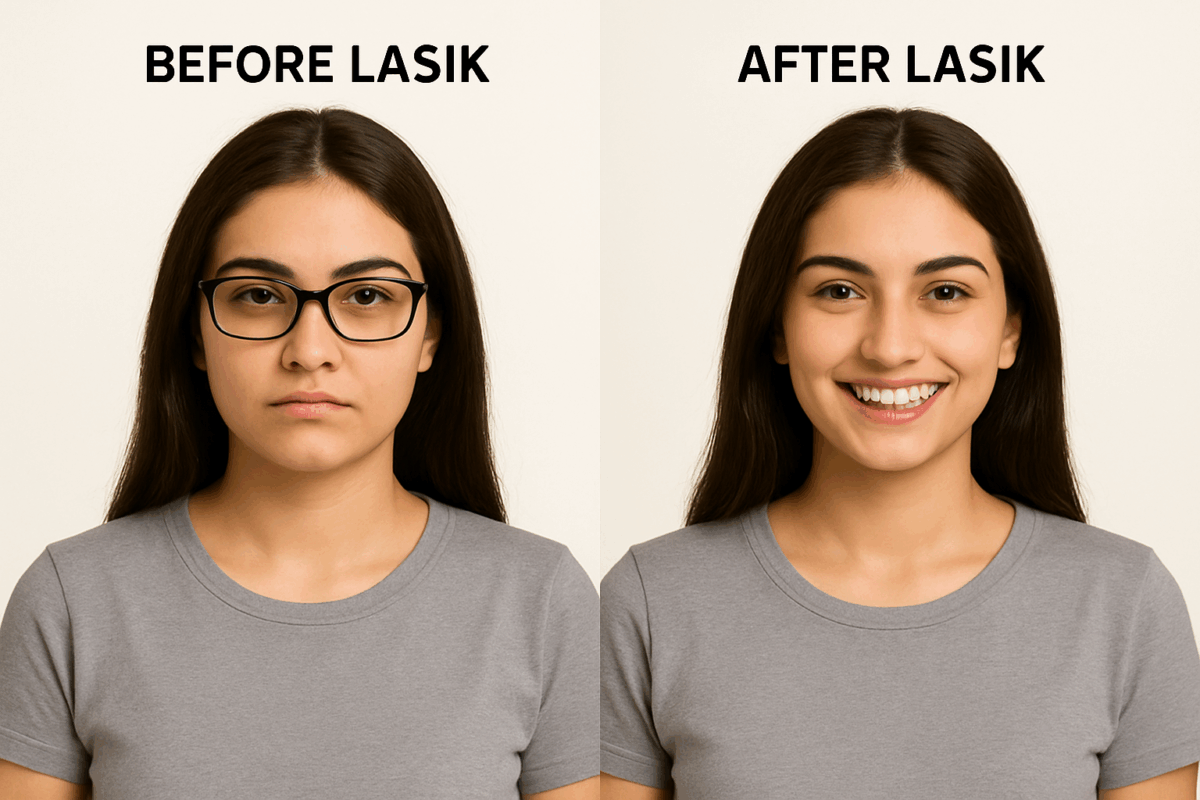
- Freedom from glasses and contacts – Wake up and see the world immediately.
- Fast recovery – Most resume normal life within days.
- Long-lasting results – In most cases, vision correction is permanent.
- Confidence boost – Sports, travel, and daily life feel easier without the hassle of lenses.
Many patients describe it as “life-changing.”
Risks and Side Effects
While safe and effective for most, laser eye surgery isn’t risk-free. Potential issues include:
- Dry e yes (common in the first months)
- Halos and glare at night
- Over- or under-correction (sometimes requiring a touch-up)
Serious complications are rare, especially when performed by an experienced surgeon using modern technology. That’s why choosing the right clinic is crucial.
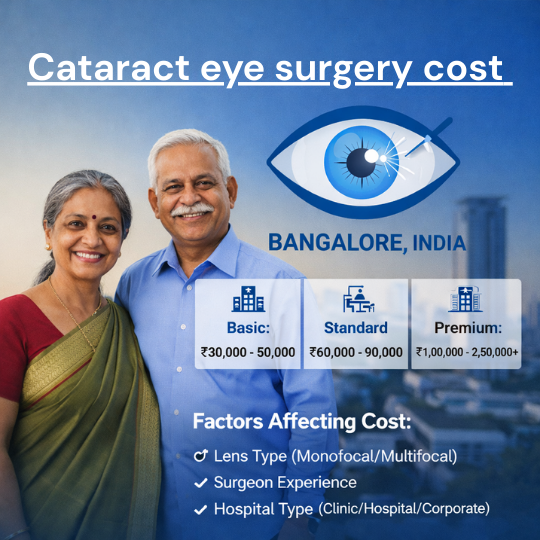
Cost of Laser Eye Surgery
The price varies by country, clinic, and technology used. On average:
- US & Canada – $2,000–$3,500 per eye
- UK & Europe – £1,500–£2,500 per eye
- Asia – Often more affordable, $1,000–$2,000 per eye
Insurance usually doesn’t cover it since it’s considered elective, but many clinics offer financing options. Considering the lifetime cost of glasses and contacts, many see it as an investment.
Myths and Misconceptions
There are plenty of myths surrounding laser surgery:
- “It’s painful.” – In reality, most patients only feel mild discomfort.
- “The results wear off.” – For most, the results last decades. Age-related changes like presbyopia may still require reading glasses later.
- “It’s dangerous.” – Modern techniques are highly safe, with success rates above 95%.
Alternatives to Laser Surgery
If you’re not a candidate, there are still options:
- Glasses or contact lenses – Reliable but require daily maintenance.
- Implantable contact lenses (ICL) – Inserted surgically inside the eye, suitable for high prescriptions.
- Orthokeratology (Ortho-K) – Special overnight lenses that temporarily reshape the cornea.
Success Stories
Many patients say laser surgery changed their lives. Athletes no longer worry about glasses slipping, travelers enjoy freedom without lens cases, and everyday activities feel effortless. Most describe it as one of the best decisions they’ve ever made.
Conclusion
Laser eye surgery for nearsightedness is more than just a medical procedure—it’s a doorway to visual freedom. With quick recovery times, long-lasting results, and life-changing benefits, it has become one of the most popular elective surgeries worldwide.
While it’s not suitable for everyone, those who qualify often find the results nothing short of remarkable. If you’re tired of glasses or contacts, consulting with a trusted ophthalmologist could be your first step toward a clearer, brighter future.
FAQs
1. How long does laser eye surgery last?
Most patients enjoy permanent correction, though age-related vision changes may require reading glasses later.
2. Can my nearsightedness come back?
Rarely. If your prescription was stable before surgery, the results usually last decades.
3. Is the surgery safe for teenagers?
No. Surgeons recommend waiting until at least 18–21, when vision stabilizes.
4. Will I still need glasses someday?
Possibly for reading after age 40 due to presbyopia, but distance vision usually stays clear.
5. How do I choose the right surgeon?
Look for board certification, extensive experience, and high patient satisfaction rates.