

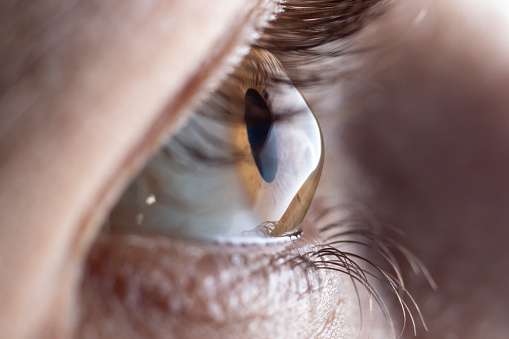
Kerato conjunctivitis is an inflammation of the cornea (the clear, dome-shaped surface covering the front of the eye) and the conjunctiva (the thin, transparent membrane covering the white part of the eye and lining the inside of the eyelids). This condition can be acute or chronic and may result from various factors.
Symptoms of Kerato conjunctivitis:
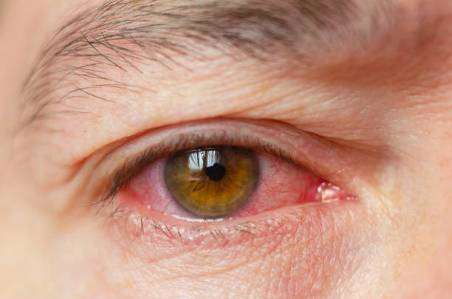
- Redness in the eye
- Excessive tearing
- Blurred or distorted vision
- Sensitivity to light (photophobia)
- Itching or burning sensation in the eye
- Foreign body sensation (feeling like there’s something in the eye)
- Eye discharge, which may be watery or thick
Causes of Kerato conjunctivitis:
Keratoconjunctivitis refers to the inflammation of both the cornea (keratitis) and the conjunctiva (conjunctivitis). It can be caused by a wide range of infectious, allergic, environmental, and systemic factors. Below are the major causes:
1. Infectious Causes
These involve bacteria, viruses, fungi, or parasites:
- Viral Infections
- Adenovirus: Most common cause (Epidemic Keratoconjunctivitis or EKC)
- Herpes Simplex Virus: Can cause Herpetic Keratoconjunctivitis
- Herpes Zoster Virus: Seen in shingles involving the eye
- Bacterial Infections
- Staphylococcus aureus, Streptococcus pneumoniae, Haemophilus influenzae
- May result from poor hygiene, contaminated contact lenses, or trauma
- Fungal Infections
- Fusarium, Candida, Aspergillus: More common in agricultural workers or those with trauma involving vegetative matter
- Parasitic Infections
- Acanthamoeba: Linked to improper contact lens use
2. Allergic Causes
- Seasonal Allergic Conjunctivitis (SAC): Due to pollen and environmental allergens
- Vernal Keratoconjunctivitis (VKC): Affects children and young adults, especially in warm climates
- Atopic Keratoconjunctivitis (AKC): Associated with chronic eczema or atopic dermatitis
3. Autoimmune and Inflammatory Conditions
- Dry Eye Syndrome (Keratoconjunctivitis Sicca)
- Often due to autoimmune disorders like Sjögren’s syndrome
- Stevens-Johnson Syndrome / Toxic Epidermal Necrolysis
- Severe hypersensitivity reactions causing eye surface inflammation
4. Environmental and Chemical Irritants
- Smoke, dust, pollution, or wind exposure
- Chemical splashes (e.g., from cleaning agents or industrial chemicals)
- UV light exposure (e.g., from welding or sunbeds without eye protection)
5. Contact Lens Use
- Prolonged or improper contact lens wear can lead to:
- Bacterial or Acanthamoeba keratitis
- Hypoxia-induced inflammation
- Giant Papillary Conjunctivitis (GPC)
6. Mechanical Irritation
- Foreign bodies in the eye
- Entropion or trichiasis (inward-turning eyelashes)
- Prolonged eye rubbing, especially in allergic individuals
Conclusion:
Keratoconjunctivitis can significantly impact quality of life if not managed effectively. Recognizing the symptoms, understanding the underlying causes, and seeking prompt treatment are crucial for alleviating discomfort and preserving vision. Whether it’s through medications, lifestyle modifications, or surgical interventions, there are various options available to address keratoconjunctivitis and improve ocular health.