
Introduction: The Growing Popularity of LASIK for Adults Over 40
LASIK has been one of the most transformative vision correction procedures in modern medicine, helping millions of people reduce or eliminate their dependence on glasses and contact lenses. While many patients undergo LASIK in their 20s and 30s, an increasing number of adults are now asking: “Is LASIK safe after 40?”
The short answer is yes—LASIK can be safe and effective after 40, but there are unique considerations, especially as the eyes begin to undergo natural age-related changes such as presbyopia and a higher risk of cataracts. To make an informed decision, it’s crucial to weigh the benefits, risks, and alternatives.
Understanding LASIK Eye Surgery
How LASIK Works
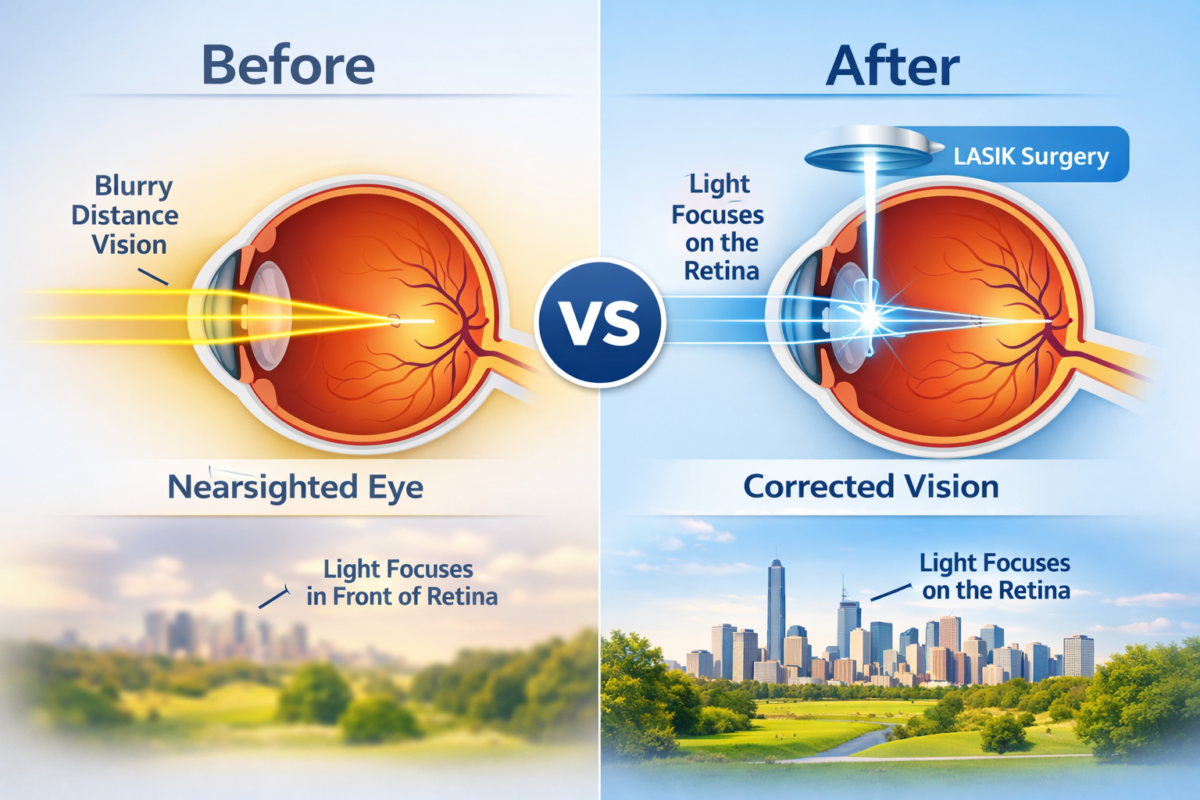
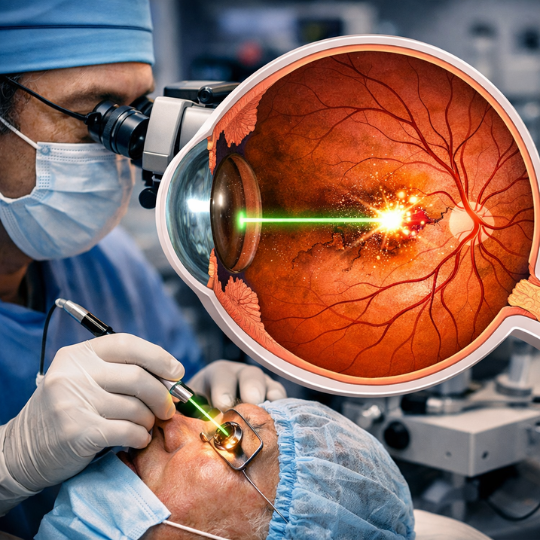
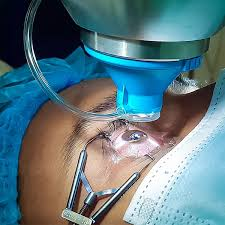
LASIK (Laser-Assisted In Situ Keratomileusis) reshapes the cornea using advanced laser technology, improving how light focuses on the retina. This correction reduces or eliminates refractive errors such as nearsightedness, farsightedness, and astigmatism.
Common Benefits of LASIK
- High success rate: over 90% achieve 20/20 vision or better.
- Quick procedure (10–15 minutes per eye).
- Fast recovery, often within 1–2 days.
- Long-term freedom from glasses and contact lenses.
General Risks Associated with LASIK
- Temporary dry eyes after surgery.
- Glare, halos, or starbursts at night.
- Risk of needing enhancement surgery if vision regresses.
- Rare complications with corneal healing.
Vision Changes After 40: What You Need to Know
Presbyopia and Age-Related Eye Changes
Around age 40, most adults begin to notice presbyopia, the gradual loss of near vision due to stiffening of the eye’s natural lens. Even with LASIK, presbyopia still requires reading glasses or monovision correction.
Cataract Development Risks
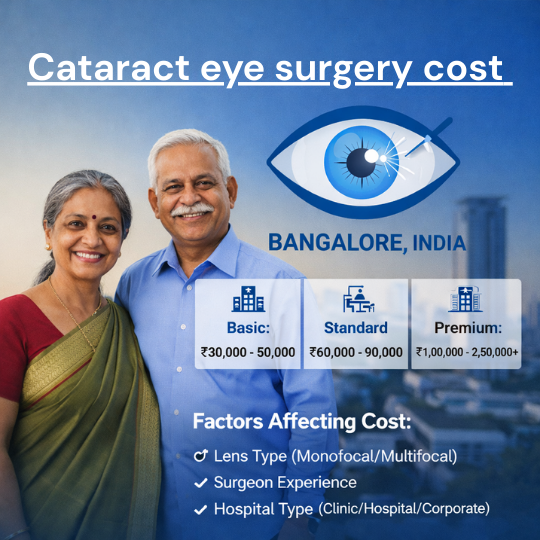
Cataracts, or clouding of the natural lens, often develop after age 50. While LASIK corrects refractive errors, it doesn’t prevent cataracts. Patients may eventually require cataract surgery.
Eye Health Conditions More Common After 40
- Glaucoma (increased eye pressure).
- Macular degeneration (loss of central vision).
- Dry eye syndrome, which may worsen after LASIK.
Is LASIK Safe After 40? Key Considerations
Safety Factors for Adults Over 40
Studies show LASIK remains safe and effective for healthy adults over 40. The primary concern is whether the patient’s eyes are free from conditions like cataracts or severe presbyopia.
LASIK vs Natural Aging of the Eyes
While LASIK corrects vision, it doesn’t stop age-related changes. Patients should be prepared for the possibility of needing reading glasses later.
What Ophthalmologists Say
Eye surgeons emphasize that patient selection is critical. If your corneas are healthy, your prescription is stable, and you don’t have age-related diseases, LASIK is safe even after 40.
Benefits of LASIK After 40
Freedom from Glasses and Contacts
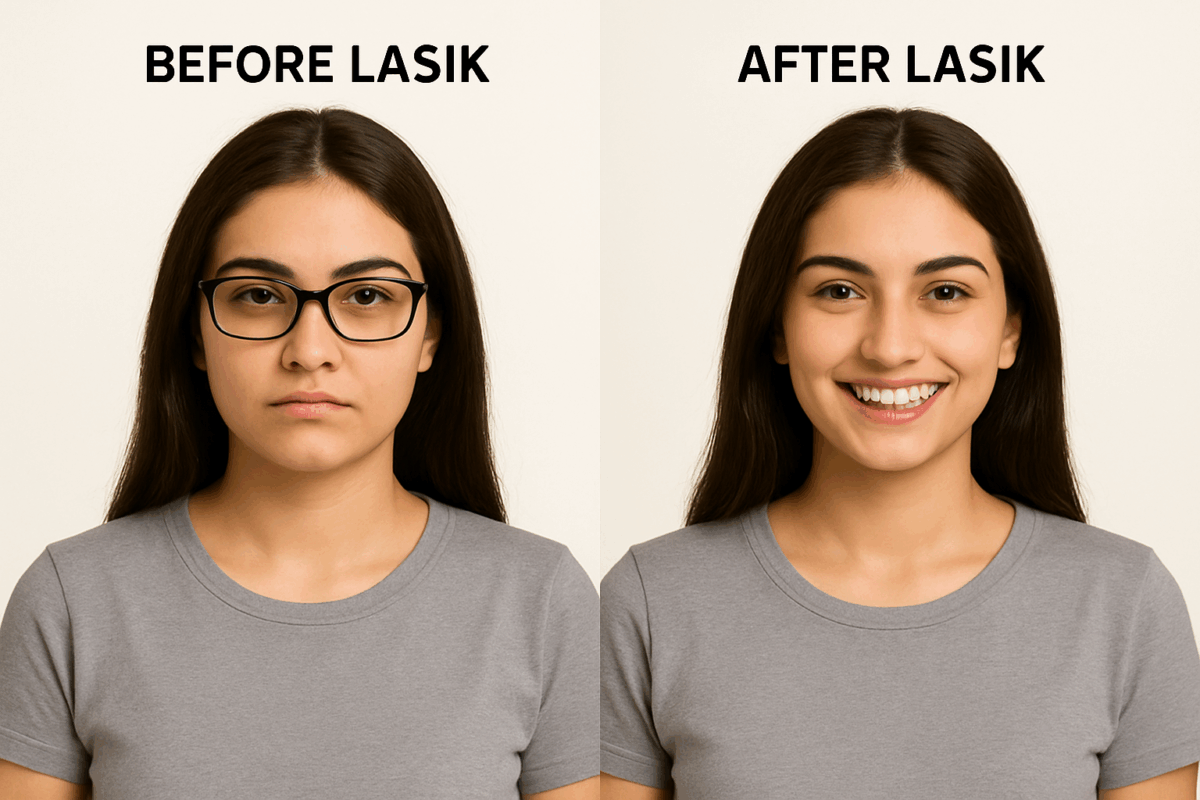
Many adults over 40 enjoy the convenience of waking up with clear vision, especially if they’ve been dependent on glasses for decades.
Improved Quality of Life
LASIK can boost self-confidence, improve performance in sports, and eliminate the hassle of contact lenses.
Long-Term Stability of Results
When performed on stable eyes, LASIK provides lasting vision correction that can remain effective well into the 50s and beyond.
Risks and Limitations of LASIK After 40
Presbyopia Still Requires Reading Glasses
Even with perfect distance vision after LASIK, presbyopia means you’ll likely still need reading glasses for close work.
Increased Risk of Dry Eyes
Adults over 40 are more prone to dry eyes, which may be worsened temporarily by LASIK.
Potential Need for Enhancement Surgery
Some patients may require a “touch-up” LASIK procedure within 5–10 years to maintain sharp vision.
Who is an Ideal Candidate for LASIK After 40?
Good Eye Health Requirements
Healthy corneas, no advanced cataracts, and no active eye disease.
Stable Prescription for at Least a Year
Unstable vision could indicate underlying conditions that need attention before LASIK.
No Serious Underlying Eye Diseases
Conditions such as uncontrolled diabetes, glaucoma, or macular degeneration may rule out LASIK.
Alternatives to LASIK After 40
PRK (Photorefractive Keratectomy)
A surface laser treatment without a corneal flap—ideal for thin corneas.
SMILE (Small Incision Lenticule Extraction)
Minimally invasive, with lower risk of dry eyes compared to LASIK.
Refractive Lens Exchange (RLE)
Replaces the natural lens with an artificial one—beneficial for those at risk of cataracts.
Monovision LASIK for Presbyopia
Corrects one eye for near vision and the other for distance, reducing the need for reading glasses.
Cost of LASIK After 40 and Insurance Coverage
- Average cost: $1,800–$3,500 per eye, depending on location and technology.
- Insurance usually does not cover LASIK, as it is considered elective.
- Some clinics offer financing plans for affordability.
Long-Term Results: What Patients Over 40 Can Expect
Most patients enjoy stable, clear vision for years. However, by the late 40s or 50s, presbyopia and cataracts may affect vision, requiring additional treatments.
Expert Tips Before Considering LASIK After 40
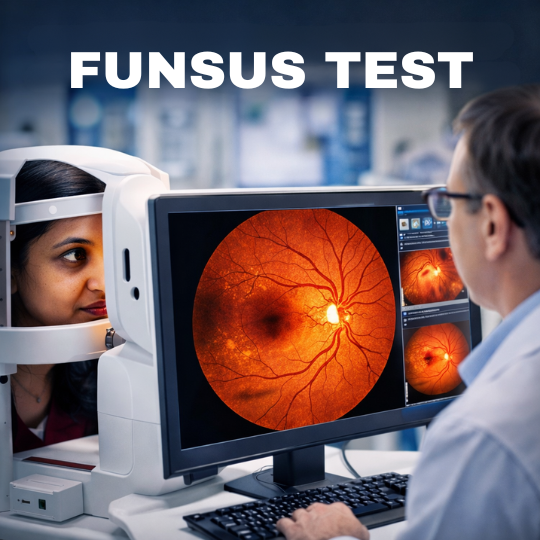
- Get a comprehensive eye exam.
- Discuss long-term expectations with your ophthalmologist.
- Consider alternatives like RLE if cataracts are likely to develop soon.
Myths and Misconceptions About LASIK for Older Adults
- ❌ Myth: LASIK isn’t safe after 40.
✅ Fact: LASIK is safe for healthy eyes, regardless of age. - ❌ Myth: LASIK prevents cataracts.
✅ Fact: Cataracts can still develop later in life. - ❌ Myth: LASIK eliminates the need for reading glasses forever.
✅ Fact: Presbyopia still requires some correction.
Pros and Cons of LASIK After 40 (Comparison Table)
| Factor | Pros | Cons |
|---|---|---|
| Vision | Clear distance vision | Reading glasses may still be needed |
| Recovery | Quick recovery (1–2 days) | Temporary dry eyes |
| Age Factor | Safe with healthy eyes | Doesn’t stop aging changes |
| Cost | Long-term value | Not covered by insurance |
FAQs About LASIK After 40
1. Is LASIK safe for people over 40?
Yes, LASIK is safe for healthy eyes over 40, provided no serious eye diseases are present.
2. Will LASIK fix presbyopia?
No, LASIK does not cure presbyopia, but options like monovision LASIK can help.
3. Can I still get cataracts after LASIK?
Yes, LASIK doesn’t prevent cataracts, which may require surgery later in life.
4. How long do LASIK results last after 40?
Results are typically long-lasting, though natural aging may affect vision.
5. Is LASIK riskier for older patients?
Not necessarily—risks depend more on overall eye health than age.
6. What’s the best alternative to LASIK after 40?
Refractive lens exchange (RLE) is often recommended if cataracts or presbyopia are concerns.
Conclusion: Should You Get LASIK After 40?
So, is LASIK safe after 40? Absolutely—if you are in good overall eye health. While LASIK delivers life-changing vision improvements, it’s important to understand that age-related conditions like presbyopia and cataracts will still occur over time.
The best step is to consult with an experienced ophthalmologist who can evaluate your specific needs and guide you toward the safest, most effective solution—whether that’s LASIK, SMILE, PRK, or lens-based surgery.