

Introduction: Is insurance available for eye surgeries?

So, you’re considering eye surgery and wondering—is insurance available for eye surgeries? That’s a common concern. Our eyes are among the most vital organs, and treatments aren’t always cheap. From cataracts to LASIK, eye procedures can range from necessary to elective. Let’s decode the insurance world and see what’s covered and what’s not.
Types of Eye Surgeries Covered by Insurance
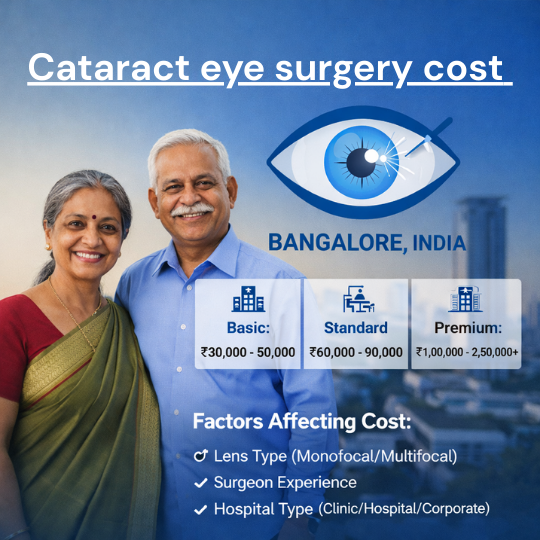
Cataract Surgery
This is one of the most commonly covered eye surgeries under almost every insurance policy because it’s deemed medically necessary. Cataracts interfere with daily vision, so both private and government insurance plans often cover them fully or partially.
Glaucoma Surgery
Another medically necessary procedure, glaucoma surgery is usually covered when medication fails to control eye pressure. Left untreated, glaucoma can cause permanent vision loss, making it a priority for most insurers.
Retinal Detachment Treatment
Emergency retinal procedures are definitely covered under most policies. Timely treatment is critical to prevent blindness, and insurers understand that.
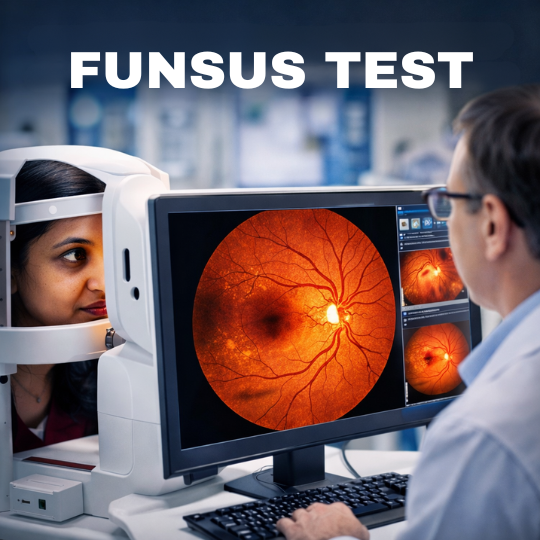
Diabetic Retinopathy Procedures
If you’re diabetic and develop eye complications, insurance typically steps in. These treatments are often essential and come under chronic disease management in comprehensive policies.
Elective Eye Surgeries and Insurance
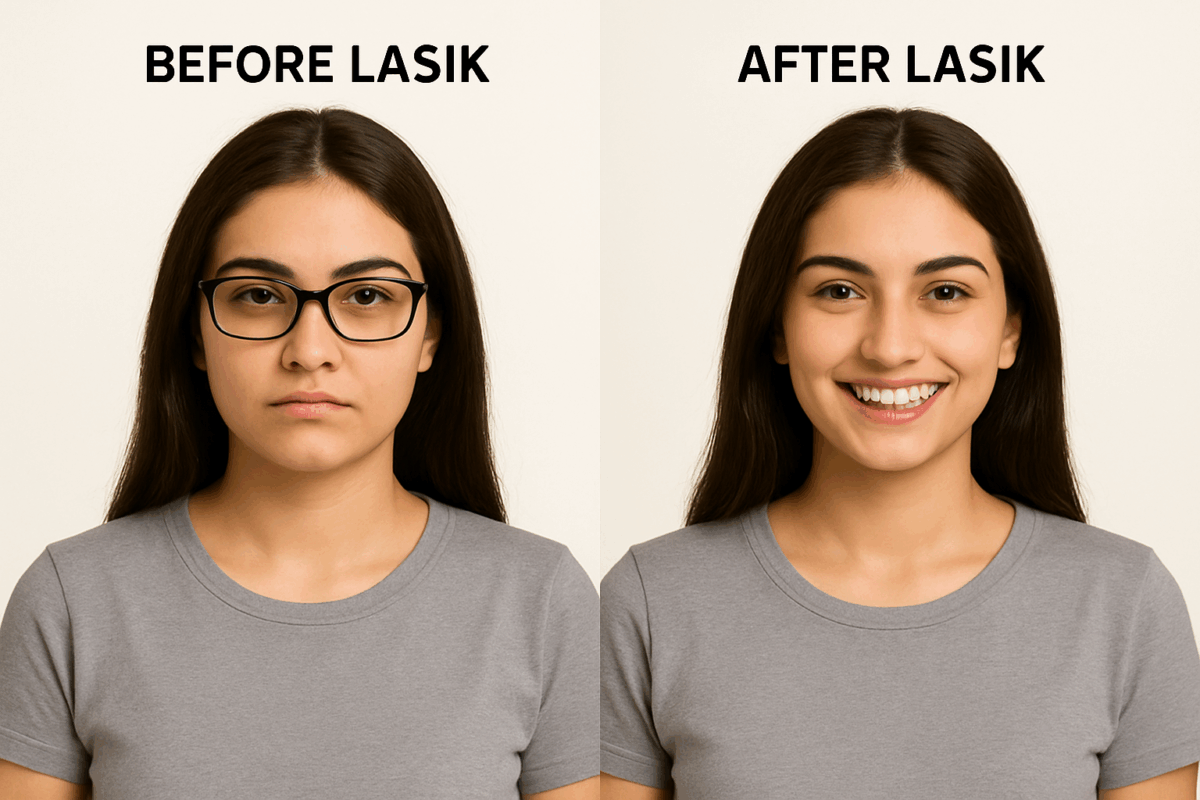
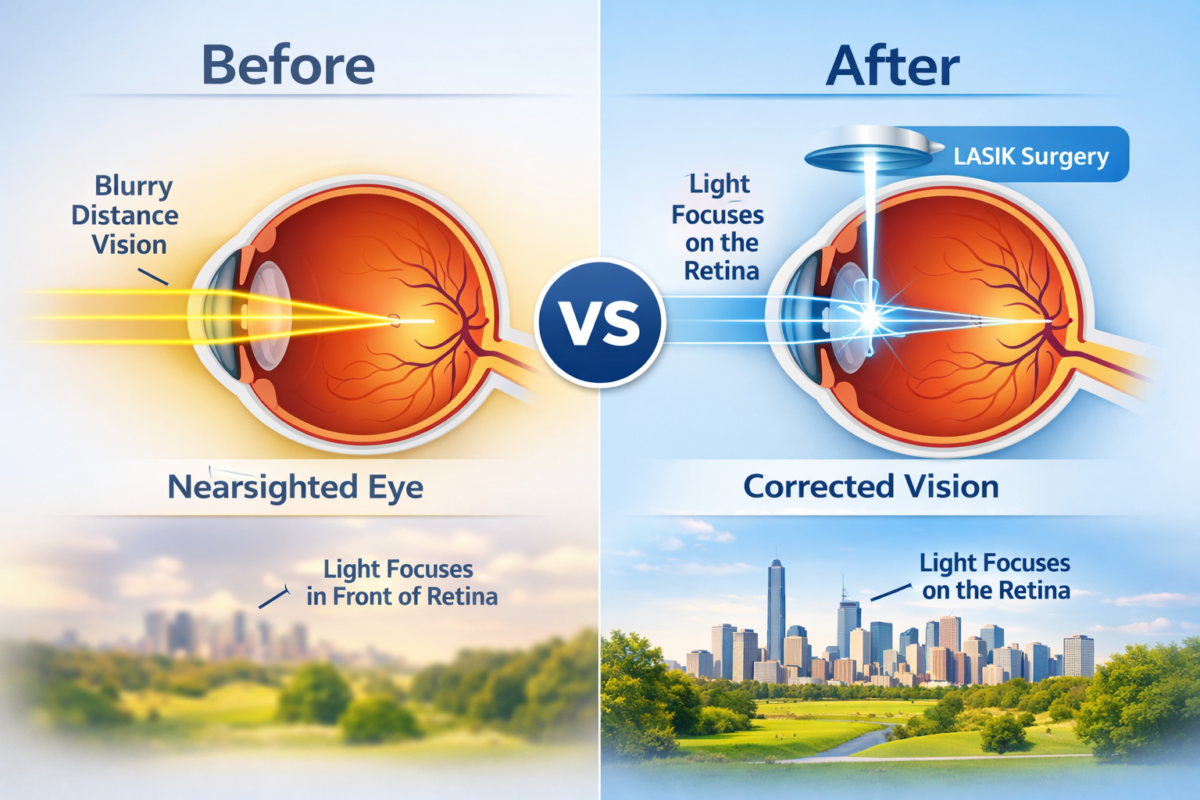
LASIK and Refractive Surgery
Here’s the catch: LASIK is elective. Because it’s often done to ditch glasses rather than treat disease, most insurance policies exclude it. However, some corporate health plans or premium riders may offer partial coverage.
Cosmetic Eye Procedures
Thinking of eyelid lifts or wrinkle removal? These fall under cosmetic surgeries, and insurance won’t cover them unless they’re for a medical issue like vision obstruction.
When Does Insurance Cover Eye Surgery?
Medically Necessary vs. Elective
Insurers differentiate between “nice to have” and “need to have.” If your surgery is required to restore lost vision or prevent further damage, it’s likely covered.
Role of Doctor’s Recommendation
A specialist’s written recommendation helps justify the medical need, especially in borderline cases like certain eyelid surgeries or corneal transplants.
Pre-authorization and Documentation
Most insurers require pre-approval for surgeries. Without this, even a medically necessary procedure may get denied.
Types of Health Insurance Plans
Government Insurance (India & International)
In India, Ayushman Bharat covers cataract surgery and select eye treatments. Internationally, schemes like Medicare (in the U.S.) also include necessary procedures.
Private Health Insurance
Private insurers offer comprehensive packages, but you must read the fine print. Check sub-limits for eye care and specific inclusions.
Vision Insurance Plans
These are add-on covers or stand-alone policies for routine vision care. Some include partial LASIK coverage, but their scope is limited.
How to Check Your Insurance Coverage
Policy Document Review
Always start by reading your policy. Look for terms like “ophthalmologic procedures,” “daycare surgeries,” or “vision correction.”
Call Customer Support
Don’t hesitate to call the insurer directly. Ask, “Is LASIK or cataract surgery covered under my plan?”
Hospital Insurance Desk Assistance
Your hospital’s TPA (Third-Party Administrator) desk can help check if your policy supports cashless or reimbursement options.
Common Insurance Terms to Know
Deductible
The amount you must pay before the insurance kicks in.
Co-payment
A percentage you share with the insurer. For example, if your co-pay is 10%, you pay ₹10,000 on a ₹1 lakh bill.
Network Hospital
Only surgeries done in partnered hospitals get cashless benefits. Others go under reimbursement.
Pre-existing Condition Clause
Some eye issues like diabetic retinopathy might fall under pre-existing diseases and have waiting periods.
Steps to File a Claim for Eye Surgery
Cashless vs Reimbursement Claims
With cashless, you don’t pay upfront at network hospitals. Reimbursement means you pay first, claim later.
Required Documents
- Doctor’s prescription
- Pre-authorization form
- Discharge summary
- Hospital invoice
Timelines and Follow-ups
Submit all documents within the stipulated deadline, usually within 7–30 days post-discharge.
Real-Life Examples
LASIK Denial Case
A 30-year-old applied for LASIK coverage under a group policy and was denied because it wasn’t medically necessary.
Successful Cataract Claim
An 80-year-old patient got a 100% claim approval for cataract surgery under a government health scheme in Karnataka.
Tips to Maximize Eye Surgery Coverage
Choose Network Hospitals
They offer cashless treatment, faster approval, and fewer headaches.
Get Prior Approvals
Don’t skip the pre-authorization step—even if the hospital assures you.
Opt for Riders or Add-ons
Some insurers now offer vision riders at a small extra cost. Totally worth it!
Exclusions You Should Know
Elective Surgeries
Unless explicitly stated, refractive surgeries are excluded.
Non-network Providers
Getting treated at an unlisted hospital? Be ready to pay upfront and face delays.
Waiting Periods
Some eye conditions have a 2–4 year waiting period under standard policies.
Special Considerations in India
Ayushman Bharat Coverage
Covers cataract and other essential surgeries at no cost in empanelled hospitals.
State-Specific Schemes
States like Karnataka and Tamil Nadu have separate insurance programs for underprivileged patients.
What If Insurance Doesn’t Cover the Surgery?
Medical Loans & EMI Options
Banks and NBFCs offer interest-free EMI plans for surgeries like LASIK or IPCL implants.
Charity or Trust Hospitals
Institutes like Akshaya Eye Trust offer free or subsidized surgeries based on eligibility.
Employer Health Benefits
Check if your employer provides extended group health insurance. Some corporate plans include LASIK coverage!
Future Trends in Insurance for Eye Care
Expanding Coverage
Insurers are slowly warming up to include advanced eye surgeries due to rising demand.
Tech-Driven Claims
Digital platforms now allow faster claim approvals, online submission, and real-time status tracking.
Preventive Eye Health Packages
Policies with annual eye checkups and screening benefits are becoming more popular.
Conclusion:
So, is insurance available for eye surgeries? Yes and no. If it’s medically necessary—like cataract, glaucoma, or retina surgeries—you’re covered. But if it’s elective—like LASIK—you might have to foot the bill unless your policy says otherwise. The best way forward? Know your policy inside-out, get approvals, and don’t hesitate to ask for help. After all, your vision is priceless.
FAQs:
1. Does insurance cover LASIK surgery in India?
Typically no, unless it’s part of a premium or group corporate plan.
2. Is cataract surgery covered under Ayushman Bharat?
Yes, fully covered in empanelled hospitals.
3. What documents are required to claim eye surgery insurance?
Doctor’s advice, pre-auth form, invoice, and discharge summary.
4. Can I get cashless treatment for eye surgery?
Yes, but only at network hospitals with prior approval.
5. Will insurance cover diabetic eye diseases?
If you’ve served the waiting period, then yes—most plans do cover it.