
Introduction to ICL Surgery and Its Costs
If you’ve been considering implantable collamer lens (ICL) surgery to correct your vision, you’re not alone. Millions of people are turning to this advanced alternative to LASIK because of its safety, reversibility, and ability to treat high prescriptions. But with an average cost ranging from $3,500 to $7,000 per eye, the price tag can feel overwhelming. This is where ICL surgery financing options come into play, making the procedure more accessible and budget-friendly.
In this guide, we’ll explore every financing path available — from medical credit plans and personal loans to HSA/FSA accounts and even employer benefits. By the end, you’ll know exactly which option best suits your financial situation.
What is ICL Surgery?
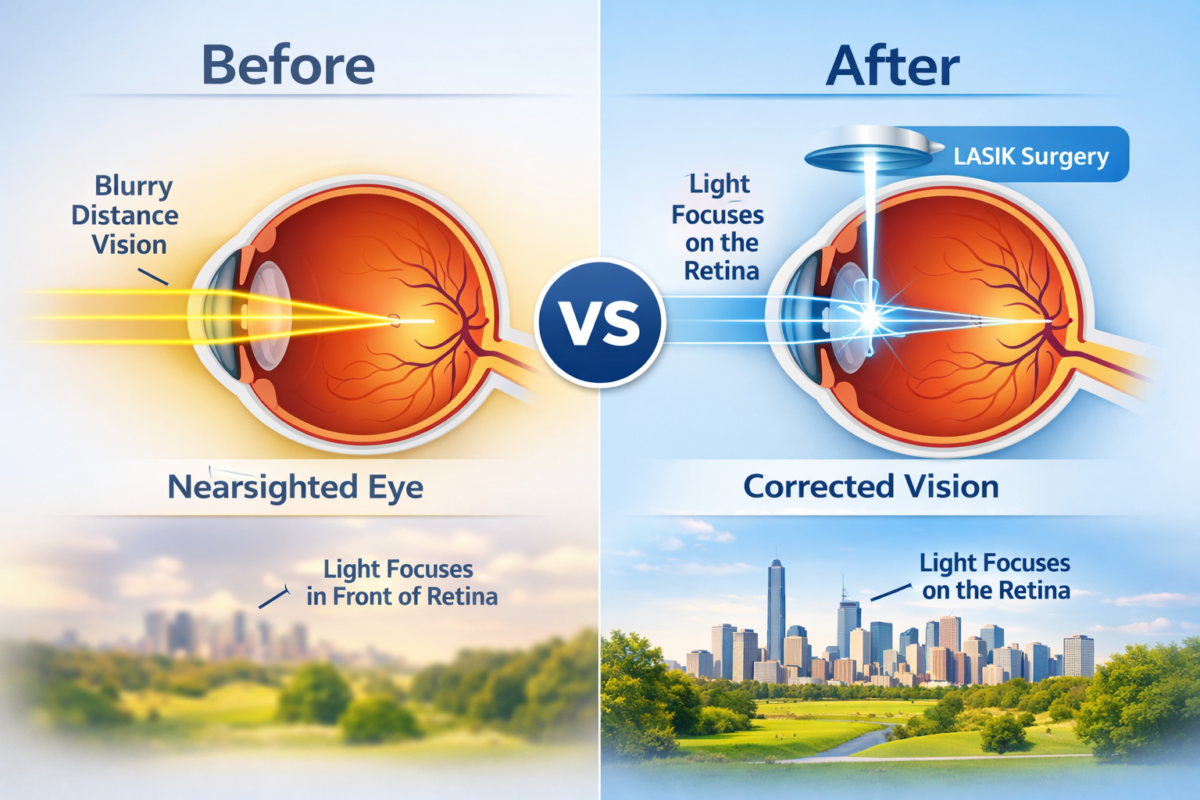
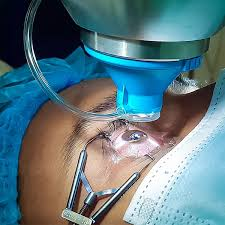
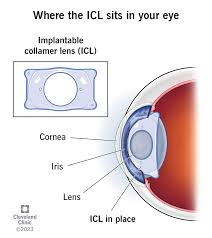
ICL surgery involves implanting a thin, flexible lens inside the eye, between your iris and natural lens. Unlike LASIK, it doesn’t reshape the cornea, making it suitable for patients with thin corneas, high prescriptions, or dry eye issues.
The procedure is safe, quick, and reversible — but it comes at a cost.

Average Cost of ICL Surgery Worldwide
- United States: $3,500 – $7,000 per eye
- United Kingdom: £2,000 – £4,500 per eye
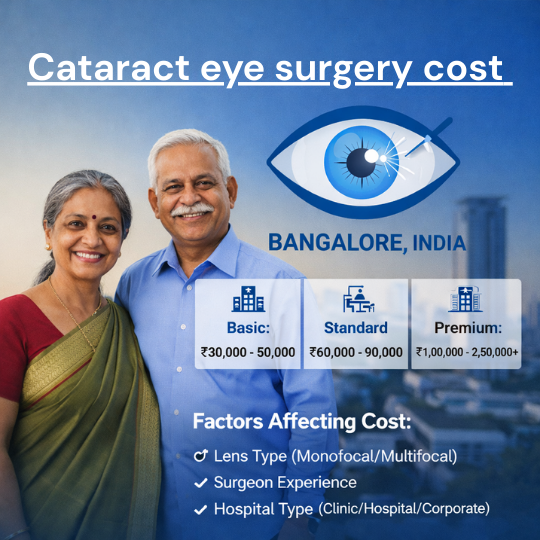
- India: ₹1,50,000 – ₹3,00,000 per eye
- Australia: AUD $3,000 – $6,000 per eye
Prices vary depending on the surgeon’s expertise, technology used, and location.
Factors Influencing ICL Surgery Prices
- Surgeon’s experience and reputation
- Clinic location (urban centers cost more)
- Pre- and post-operative care packages
- Type of lens implant chosen
- Use of premium or toric ICL lenses
Why Explore Financing Options for ICL Surgery?
High Upfront Cost Challenges
Paying thousands of dollars upfront isn’t feasible for most people. Financing allows you to spread the cost into affordable monthly installments.
Benefits of Financing vs. Paying in Full
- Easier budgeting
- Immediate access to vision correction
- Opportunity to choose premium ICL lenses
- Flexibility with 0% interest or low-interest payment plans
Medical Financing Plans for ICL Surgery
In-House Financing from Clinics
Many eye clinics now provide in-house financing plans, allowing patients to spread their payments over 6–36 months. These plans may come with 0% interest promotions, especially if you commit to early repayment. The advantage is convenience—you deal directly with your clinic instead of third-party lenders.
Third-Party Medical Credit Providers
Companies like CareCredit in the U.S. or Medfin in India specialize in medical financing. They often provide flexible repayment schedules, but interest rates vary depending on your credit score.
Interest-Free vs. Low-Interest Plans
Some plans offer 0% APR for 6–18 months, which is ideal if you can repay quickly. Longer plans may charge interest but still be more affordable than credit card debt.
Health Insurance and ICL Surgery Coverage
Why Most Insurance Doesn’t Cover ICL Surgery
Unfortunately, most health and vision insurance providers classify ICL surgery as an elective cosmetic procedure, meaning it’s not covered.
Exceptions and Partial Coverage Cases
However, insurance might cover ICL surgery if:
- It’s deemed medically necessary (e.g., LASIK is unsuitable due to thin corneas).
- You have supplemental vision insurance.
Using Vision Insurance or Supplemental Plans
Some insurers offer discounts on refractive surgeries through partner networks. Always check if your insurance provider has affiliated eye hospitals.

Personal Loans for ICL Surgery
Secured vs. Unsecured Personal Loans
- Secured loans (backed by collateral) generally have lower interest rates.
- Unsecured loans (no collateral) are easier to obtain but may carry higher rates.
Pros and Cons of Using Personal Loans
✅ Pros: Fixed repayment terms, predictable monthly payments, lump-sum access.
❌ Cons: Interest accumulation, impact on credit score, potential debt risk.
Credit Card Financing for ICL Surgery
0% APR Promotional Credit Cards
If you qualify for a 0% APR card, you can pay for surgery over 12–18 months with no added interest.
Risks of High-Interest Credit Card Debt
Once the promotional period ends, interest rates can jump to 20–25%, making it one of the riskiest financing methods if not carefully managed.
Health Savings Accounts (HSA) and Flexible Spending Accounts (FSA)
How HSAs Can Help Cover ICL Surgery
If you have an HSA through your employer, you can use pre-tax dollars to pay for ICL surgery. This reduces your taxable income and saves money.
FSA Contribution Limits and Benefits
FSAs allow you to set aside pre-tax earnings for healthcare expenses, but they usually have a “use-it-or-lose-it” rule, meaning unused funds don’t roll over to the next year.
Employer-Sponsored Benefits and Reimbursement Programs
Corporate Health Perks Covering Vision Care
Some companies now offer vision correction benefits, especially in industries where eye health is crucial (e.g., IT, aviation).
Wellness and Lifestyle Benefit Programs
Forward-thinking employers include reimbursement programs for medical procedures, including refractive surgery, under wellness packages.
Government Aid and Special Financing Programs
Country-Specific Subsidies for Vision Care
- In Singapore, certain medical savings schemes partially cover refractive procedures.
- In Canada, some provincial healthcare programs subsidize vision correction if medically required.
Low-Income Patient Assistance Programs
Some nonprofit organizations offer low-cost financing or grants for patients who cannot afford ICL surgery.
Comparing Different ICL Surgery Financing Options
| Financing Method | Best For | Risks |
|---|---|---|
| In-House Financing | Quick approval, convenience | Limited repayment terms |
| Medical Credit Providers | Flexible repayment, dedicated for health | Interest rates may vary |
| Personal Loans | Large lump sum, fixed terms | Requires good credit |
| Credit Cards | Short-term repayment with 0% APR | High interest after promo |
| HSA/FSA | Tax advantages | Contribution limits |
| Employer Benefits | Subsidized cost | Not widely available |
| Government Aid | Low-income patients | Limited eligibility |
Tips for Managing ICL Surgery Financing Responsibly
- Budget Beforehand: Calculate your monthly payments and see if they fit into your income.
- Prioritize Low-Interest Options: Use HSAs/FSAs and 0% APR plans before considering high-interest loans.
- Avoid Debt Traps: Don’t overextend with multiple loans or cards.
- Negotiate with Clinics: Some clinics offer discounts for upfront payments or bundled care.
Real Patient Experiences with ICL Financing
Case Study: Paying via In-House Financing
Emily, a 32-year-old software engineer, financed her $6,000 ICL surgery through a 24-month, 0% interest in-house plan. She found it stress-free since payments were deducted automatically.
Case Study: Using HSAs for Coverage
David, 40, used his HSA savings to cover part of his ICL surgery. This not only saved him money on taxes but also reduced his out-of-pocket burden.
Conclusion: Choosing the Right Financing Path for ICL Surgery
ICL surgery is a life-changing investment in your vision and quality of life. While the upfront costs may seem daunting, financing options like in-house clinic plans, HSAs/FSAs, and employer benefits make the procedure more accessible. The best choice depends on your financial health, insurance coverage, and repayment ability.
By exploring every financing path carefully, you can make ICL surgery not just a dream—but an achievable reality.
Frequently Asked Questions (FAQs)
1. Does insurance ever cover ICL surgery?
Usually no, but in rare cases of medical necessity, partial coverage is possible.
2. Can I use CareCredit for ICL surgery?
Yes, CareCredit is widely accepted by eye clinics and offers flexible repayment plans.
3. What’s the cheapest way to finance ICL surgery?
Using HSAs/FSAs or employer-sponsored benefits are the most cost-effective since they provide tax savings or reimbursements.
4. Is paying with a credit card a good idea?
Only if you qualify for a 0% APR promotion and can repay within the term.
5. How long do I have to pay off in-house financing?
Typically between 6–36 months, depending on the clinic.
6. Are there government programs for ICL surgery?
Yes, but they vary by country and usually apply only when surgery is medically necessary.