

Introduction:
The IMPLANT CONTACT LENS OPERATION ICL OPERATION Near Me) has emerged as a groundbreaking solution for vision correction. Moreover, this innovative procedure offers individuals an alternative to traditional eyeglasses and standard contact lenses. It’s essential to understand the process, benefits, and potential outcomes.
Contact Lens Implantation:
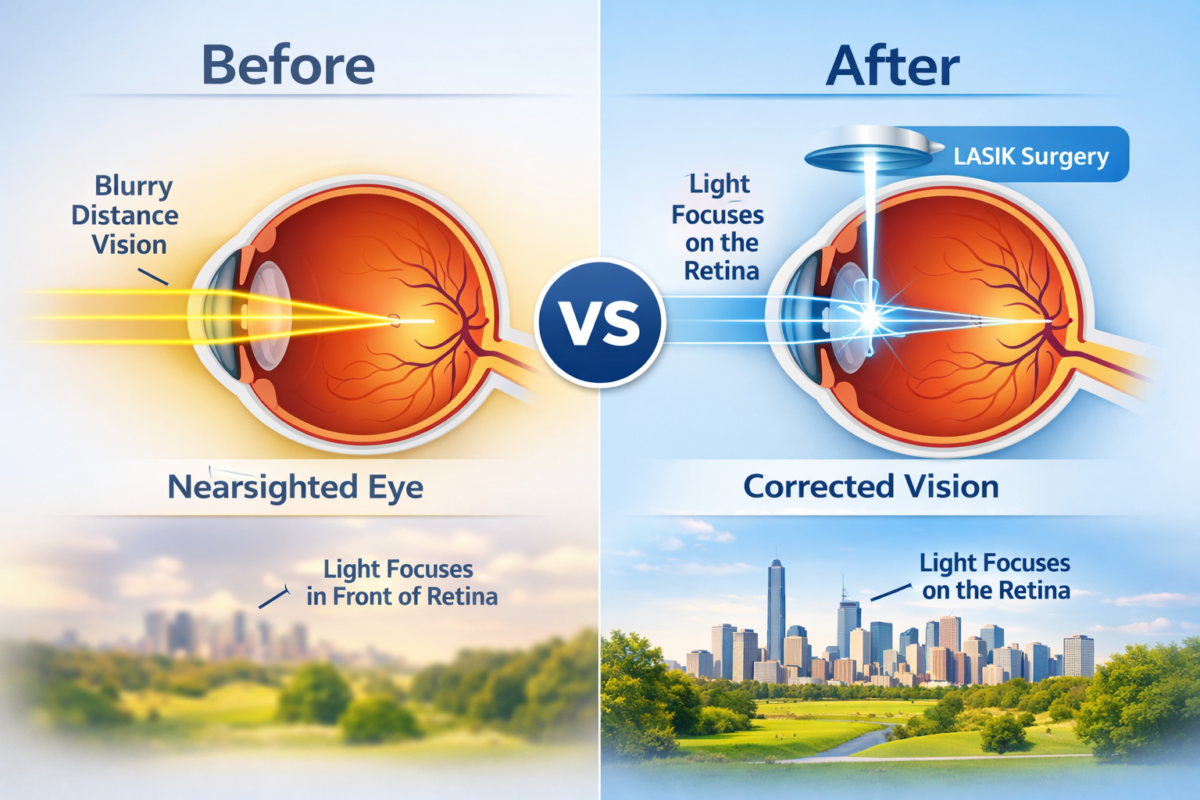
Implant specialized lenses inside the eye to correct refractive errors such as myopia (nearsightedness) or presbyopia (age-related farsightedness), unlike traditional contact lenses that are worn externally on the cornea.
- Phakic intraocular lenses (IOLs) are designed to be placed in front of or behind the iris while preserving the natural lens.
- Surgeons use pseudophakic IOLs to replace the eye’s natural lens, primarily during cataract surgery.
- They can also correct refractive errors simultaneously.
Benefits of Implantable Contact Lenses:
- Sharper Vision: Implantable lenses can provide clearer and sharper vision compared to eyeglasses or traditional contacts.
- Freedom from Glasses: Many individuals enjoy freedom from wearing glasses after the procedure, leading to improved quality of life and self-confidence.
- Permanent Solution: Implantable lenses are a long-term solution, eliminating the need for daily contact lens wear or frequent changes in eyeglass prescriptions.
Implantation Procedure:
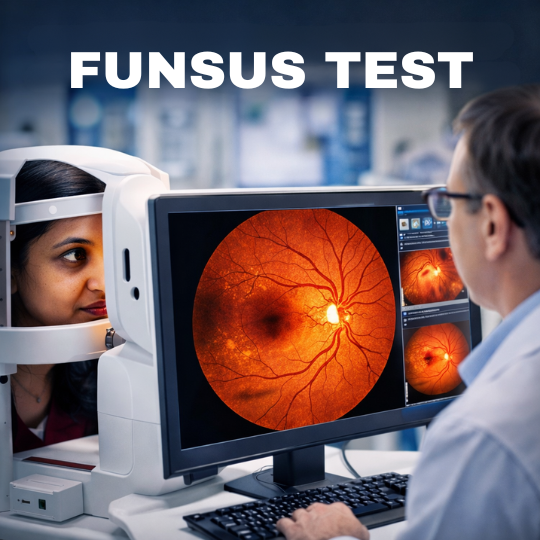
- In a consultation, ophthalmologists conduct a comprehensive eye examination to assess the suitability for lens implantation.
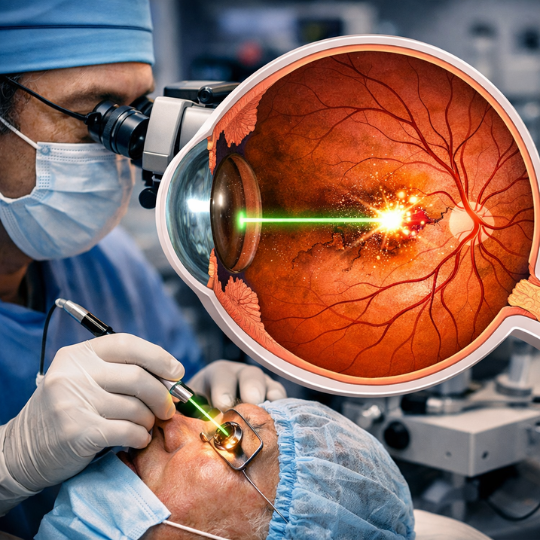
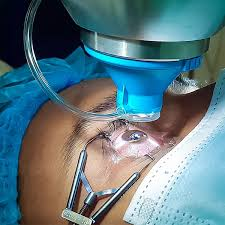
- Surgeons typically perform the surgery under local anesthesia. The surgeon creates a small incision to insert and position the lens in the eye.
- Recovery: Patients are usually able to resume normal activities within a few days after surgery, with complete recovery expected within weeks.
Conclusion:
Contact lens implantation represents a significant advancement in vision correction technology, offering improved visual outcomes and lifestyle benefits for eligible candidates. If you’re considering this procedure, consult with a qualified ophthalmologist to determine if implantable contact lenses are right for you.