
Pterygium surgery cost

Introduction to Pterygium Surgery:
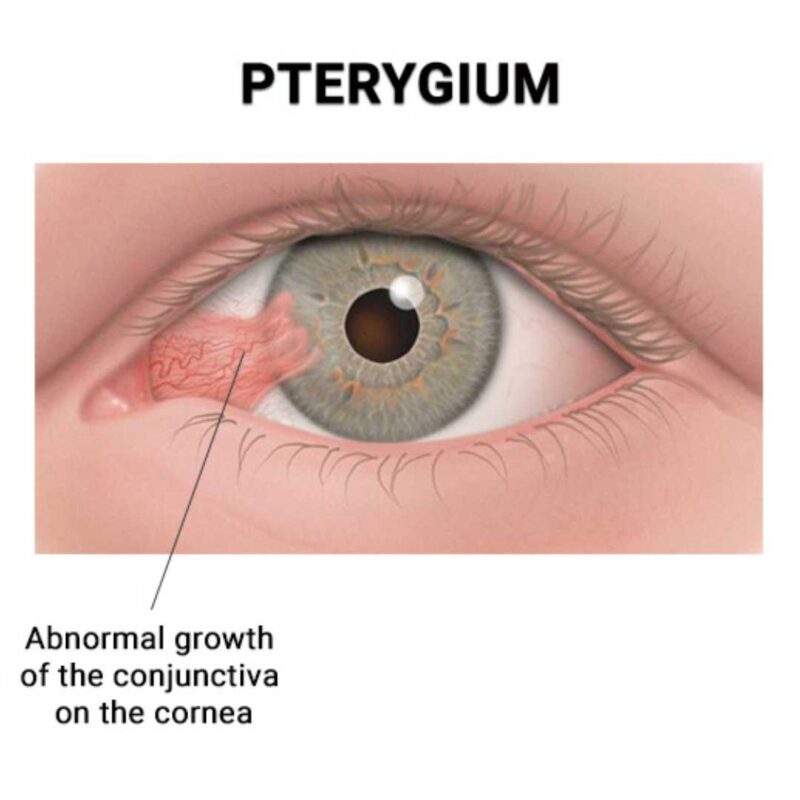
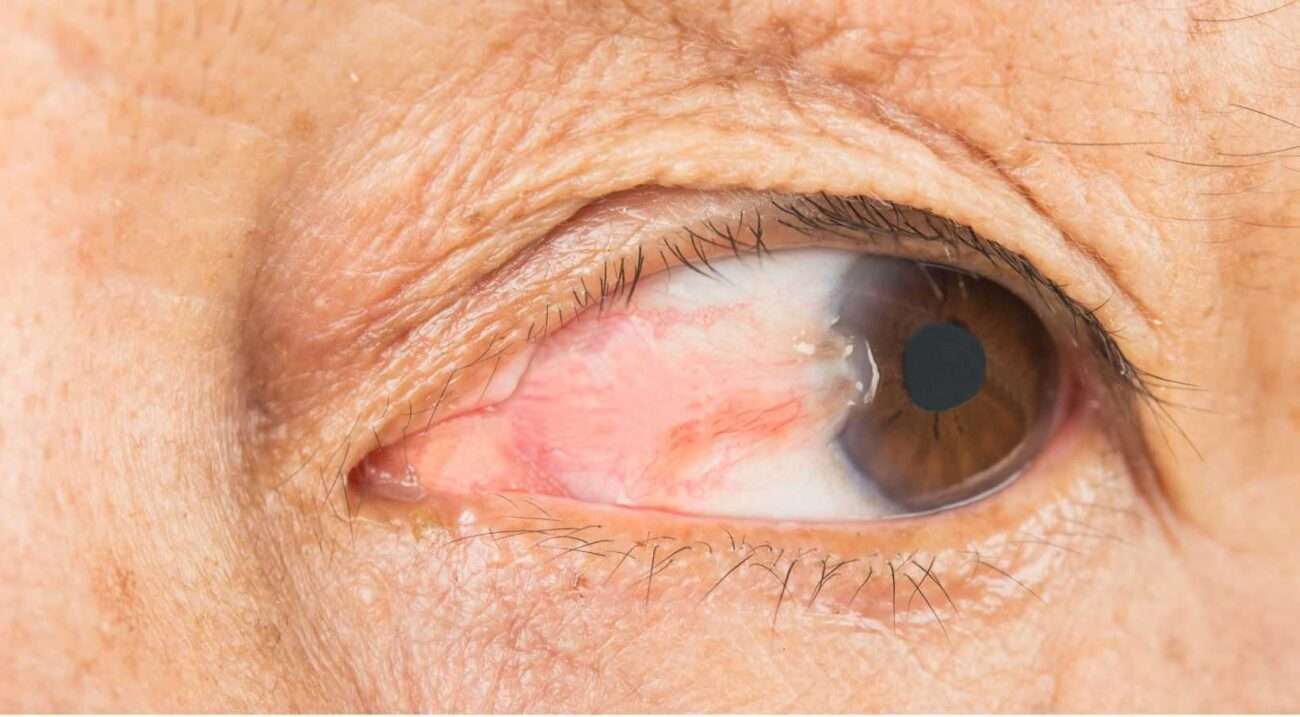
Pterygium is more than just a cosmetic concern; it can cause various discomforts and even affect vision if not managed properly. In this article, we will explore Pterygium symptoms, potential causes, and effective ways to prevent and treat it.
Pterygium, often referred to as “surfer’s eye,” is a benign growth that starts on the white part of the eye and may extend onto the cornea. While it’s typically not cancerous, it can cause discomfort, redness, and visual disturbances. To better understand how to prevent and manage pterygium, it’s important to explore the causes behind its development.
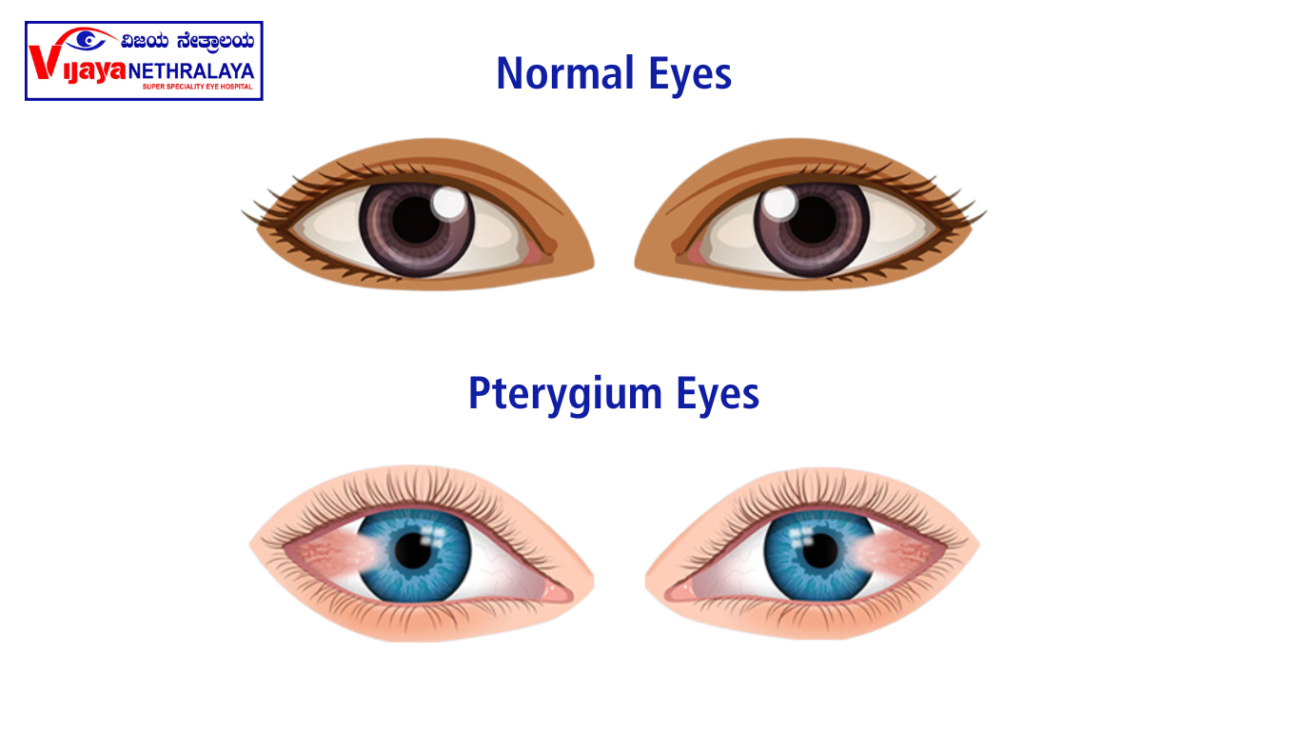
A pterygium is a raised, yellowish, wing-shaped thickening on the white part of the eye, which can spread over the cornea, obstructing vision. The term Pterygium means wing-shaped. It is a degenerative wear and tear change of the surface of the eye, which results in growth of conjunctival tissue (from the white of the eye) across the cornea (the clear window through which we see). The pterygium is red, fleshy, and thickened in comparison with the normal conjunctiva.