
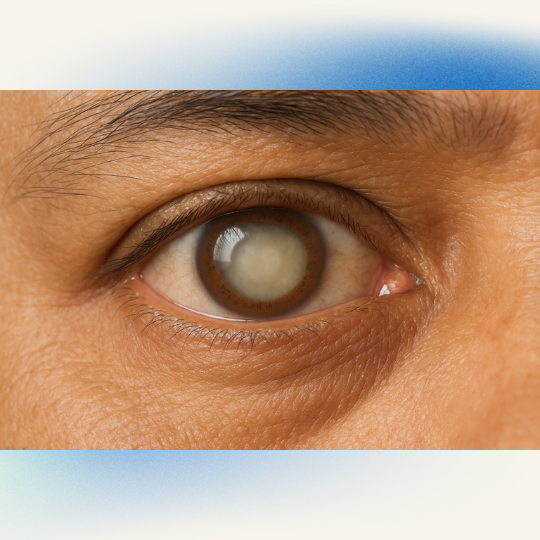
Cataracts are sometimes one of those eye problems people talk about as if they were very far away. It is because many people think cataracts are a natural part of aging, like gray hair or wrinkles. But, the truth? Age might be the biggest factor for cataracts, but that is not what makes them completely unavoidable. If you are knowledgeable about how to prevent cataracts (or at least slow down their growth), then, in fact, you can have quite a positive impact on your eye health and overall life quality.
A cataract occurs when the clear lens of your eye becomes cloudy, causing blurry vision, increased sensitivity to light, dull-looking colors, and difficulty seeing at night.
When cataracts cause problems and you do not treat them, they may affect daily activities. These include reading, driving, and recognizing familiar faces. Anyway, the good news is that your lifestyle largely decides if your lenses stay clear longer.
Here in this guide, we explain how to detox your lenses. This may help avoid cataracts. It may also help you live with them more comfortably. We use natural methods many of us learned in childhood. We avoid medical or drug terms. We also avoid exaggeration and misleading claims.
Yet, you will learn when it becomes crucial to consult an eye care specialist, such as Vijaya Nethralaya Super Specialty Eye Hospital, to protect your eyesight.
Understanding Cataracts: Why They Develop in the First Place
Before you read about ways to prevent cataracts, it helps to know what causes them.Your eye has a natural lens made mostly of water and protein.The way this protein is arranged helps keep the lens clear. With the passage of time, a few proteins get together resulting in the formation of cloudy spots which is a cataract.
Besides age, various other factors can also lead to the development of cataracts. Human lens can be damaged very quickly by high levels of retinol. Prolonged exposure to sunlight can expose you to UV rays that can cause protein damage in your lenses and make them cataract. Smoking, poorly controlled diabetes, unhealthy eating habits, and long-term steroid use can damage lens proteins. This damage can lead to cataracts. Let us say that your eye lens is like a camera lens. If no care is taken and the lens is exposed to dust, heat, and scratches for years, then naturally the clarity will be affected.
Learning about these causes you become strong. The development of cataracts is not an immediate event; it takes time. That slow progress gives you a great chance to act early and stop unhealthy habits that may harm your eyes later.
Eat for Your Eyes : Nutrition That Helps Avoid Cataracts
One of the most overlooked answers to how to prevent cataracts is your diet. Your eyes are highly metabolically active organs, so they remain constantly exposed to oxidative stress. Antioxidants help to neutralize this stress and thus protect the lens proteins from becoming damaged.
Some of the vitamins and nutrients that are essential for the prevention of cataracts are:
- Vitamin CAvailable in citrus fruits, bell peppers, and strawberries
- Vitamin E Is in nuts, seeds, and vegetable oils
- Lutein and ZeaxanthinThese are very plentiful in spinach, kale, and broccoli
- Omega, 3 fatty acidsare found in fatty fish such as salmon and sardines
Eating a lot of brightly colored fruits and vegetables has many benefits one of which is it is good for your eyes. Researchers have shown many times that people who eat many antioxidants are less likely to develop cataracts.
Eye care specialists at Vijaya Nethralaya Super Speciality Eye Hospital, often emphasize nutrition as a first step toward achieving lifelong eye health.
Protect Your Eyes from UV Rays Every Single Day
If you could pick just one habit to start right now for preventing cataracts, that would be wearing the right sunglasses. Ultraviolet (UV) rays damage lens proteins faster. This increases the chance of developing cataracts.
Let me show you simple steps through which you can keep your eyes safe effectively:
- Get sunglasses blocking 100% of UVA and UVB rays
- Use them even if it is a cloudy dayUV rays still get through the clouds
- Don a broad, rimmed hat along with sunglasses for more shielding
- Stay away from cheap eyewear which lacks certified UV protection
Consider UV exposure like a sunburn for your eyesonly there is no feeling of it when it happens. The protection you take every day accumulates over the years and cuts down your cataract risk drastically.
Quit Smoking: One of the Strongest Preventive Steps
Besides lungs and heart smoking damages your eyes severely. Smokers, according to research, have up to three times the risk of developing cataracts compared to non, smokers. If you are really committed to finding out how to avoid cataracts, quitting smoking is out of the question.
What cigarette smoke does is it releases toxins that cause oxidative stress in the eye, which in turn harms the lens proteins more rapidly. Besides that, smoking also depletes the body of antioxidants which are the eyes first line of defense.
Stopping smoking benefits start almost instantly. Gradually your risk of cataracts becomes much lower, along with countless other health improvements. Eye doctors at Vijaya Nethralaya Super Speciality Eye Hospital often urge patients to quit smoking for better eye care.
Control Blood Sugar to Protect Your Vision
One of the effects of high blood sugar is that extra glucose enters the eye lens and is converted to sorbitol. This results in the swelling of the lens, its clouding, and faster cataract development.
A few things you can do to lower the chances are:
- Checking glucose level frequently
- Eating a healthy diet that is low in glycemic index
- Regular physical activity
- Using medication as per doctors advice
Even minor changes to blood sugar levels can significantly delay cataract formation. Therefore, diabetics need to have their eyes checked regularly as the cataracts may worsen quicker without noticeable early symptoms.
Limit Screen Strain and Maintain Eye Hygiene
Although screens do not directly cause cataracts, too much digital eye strain can cause eye fatigue. It can also cause dryness, which may worsen existing eye problems. Keeping your eyes comfortable helps protect their health for the long term. This is important for the holistic prevention of cataracts.
Some of the simple things you can do are:
- Follow the 20, 20, 20 rule (every 20 minutes, look at an object 20 feet away for 20 seconds)
- Remember to blink more often when working with screens
- Have sufficient lighting in the room to minimize glare
- Position screens so that they are at eye level and keep them an arm’s length away
Proper eye care may not directly prevent cataracts, but it helps maintain overall visual health and better prepares your eyes to handle the demands of today’s screen-filled world.
Exercise Regularly for Better Eye Health
Frequent and consistent physical activity improves blood circulation throughout the body, including the eyes.
Improved bodily circulation helps deliver more oxygen and nutrients to the lens, thus it can help to slow down the aging process of the eyes.
In addition, exercising also helps in managing your weight, blood pressure, and diabetes, which may all be risk factors for cataracts.
Even simple activities like brisk walking, yoga, or cycling can significantly benefit your eyes.
Ophthalmologists at Vijaya Nethralaya Super Speciality Eye Hospital while talking about stuff to do to keep cataracts at bay usually point out exercise as an effective yet undervalued preventive measure.
Schedule Regular Eye Checkups—Even Without Symptoms
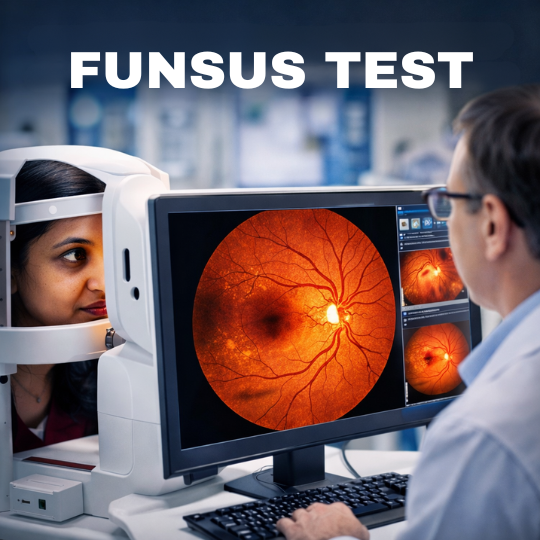
Getting routine eye checkups is one of the best ways to be aware of the early development of cataracts.
Cataracts usually develop without any noticeable symptoms and these symptoms only appear when the lens has already got significantly clouded.
An eye examinationfor a start can:
- Reveal the first changes in the lens
- Track the development of the cataract
- Diagnose other ocular diseases like glaucoma or macular degeneration
- Give personalized suggestions for prevention
Visiting a trusted center like Vijaya Nethralaya Super Speciality Eye Hospital for regular eye checkups helps ensure timely treatment of any condition and gives you greater peace of mind.
Avoid Overuse of Steroids Unless Medically Necessary
Long-term use of corticosteroids, especially without medical supervision, increases the risk of cataracts. Doctors prescribe steroids for conditions like asthma, arthritis, skin disorders, or eye inflammation, but misuse can negatively affect your eye lenses.
If you take steroids:
- Adhere strictly to the prescription
- Don’t treat yourself
- Talk to your doctor about other options
when feasible Doing medication properly is a very important aspect of understanding the ways to avoid cataracts, which is often overlooked.
Conclusion: Clear Vision Starts with Daily Choices
Learning how to avoid cataracts isn’t about drastic changes—it’s about consistent, smart habits over time. From eating foods high in antioxidants to wearing UV-protective sunglasses, every choice matters.Quitting smoking matters too.Get regular eye exams.
While cataracts may not always be completely preventable, their onset can often be delayed significantly. With expert care from places like Vijaya Nethralaya Super Speciality Eye Hospital, you can protect your vision.You can also protect your vision by living a proactive lifestyle. You can enjoy clearer sight for years to come.
Your eyes work hard for you every day. Isn’t it time you returned the favor?
Author Details:
Dr. Sushruth Appajigowda holds a prominent position as a Cornea, Cataract, Glaucoma, and LASIK Surgeon in Bangalore. He serves as the chief Cataract and Refractive surgeon at Vijaya Nethralaya Eye Hospital, Nagarbhavi Bangalore. Renowned as one of the finest LASIK surgeons nationwide, he brings with him over 12+ years of experience across multiple LASIK platforms, including ZEISS, ALCON, SCHWIND, AMO, and Bausch and Lomb. Having successfully conducted over 5000 LASIK procedures, Dr. Sushruth holds the title of a Certified Refractive Surgeon and a Fellow of the All India Collegium Of Ophthalmology. Furthermore, he stands as a distinguished speaker at various National and International Forums, using his expertise to guide you in selecting the most suitable procedure based on your health requirements.

http://vijayanethralaya.com/link-in-bio/
FAQs:
1. How to avoid cataracts naturally?
You can reduce risk by eating foods rich in antioxidants. Protect your eyes from UV rays. Avoid smoking. Exercise often. Get routine eye checkups.
2. At what age do cataracts usually start?
Cataracts typically develop after age 50, but lifestyle factors can cause them to appear earlier.
3. Can cataracts be reversed without surgery?
No, cataracts cannot be reversed, but early progression can be slowed with healthy habits and medical guidance.
4. Are sunglasses really that important for cataract prevention?
Yes. UV exposure is a major risk factor, making proper sunglasses essential for anyone learning how to avoid cataracts.
5. When should I consult an eye specialist?
If you notice blurred vision, glare, or trouble seeing at night, get regular checkups.Even without symptoms, regular checkups at Vijaya Nethralaya Super Speciality Eye Hospital are recommended.