
Introduction to LASIK and Driving Concerns
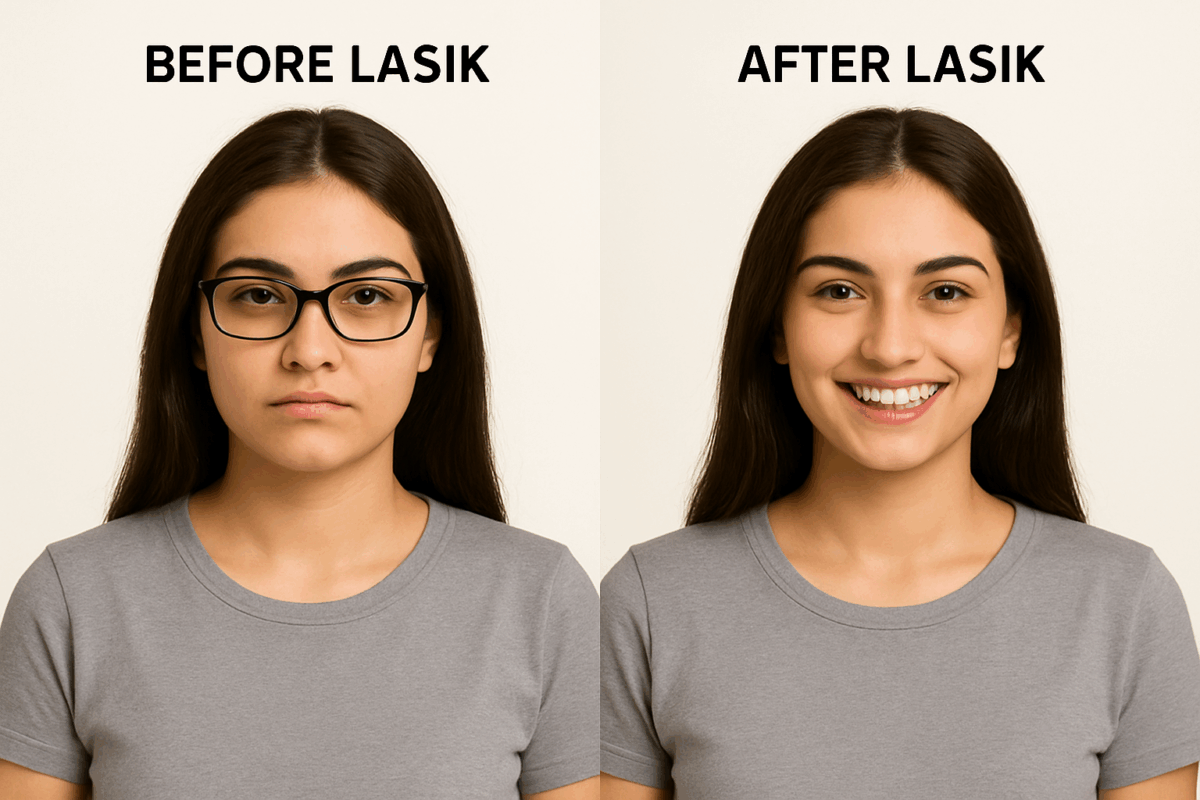
One of the most common questions patients ask before undergoing LASIK is, “How soon after LASIK can I drive?” Driving is a crucial part of daily life, whether it’s commuting to work, picking up kids, or running errands. Since LASIK involves reshaping the cornea with a laser to improve vision, it temporarily affects your eyesight during the healing phase. Understanding when it’s safe to return to driving is essential for both your safety and others on the road.

Understanding the LASIK Procedure
What Happens During LASIK Surgery
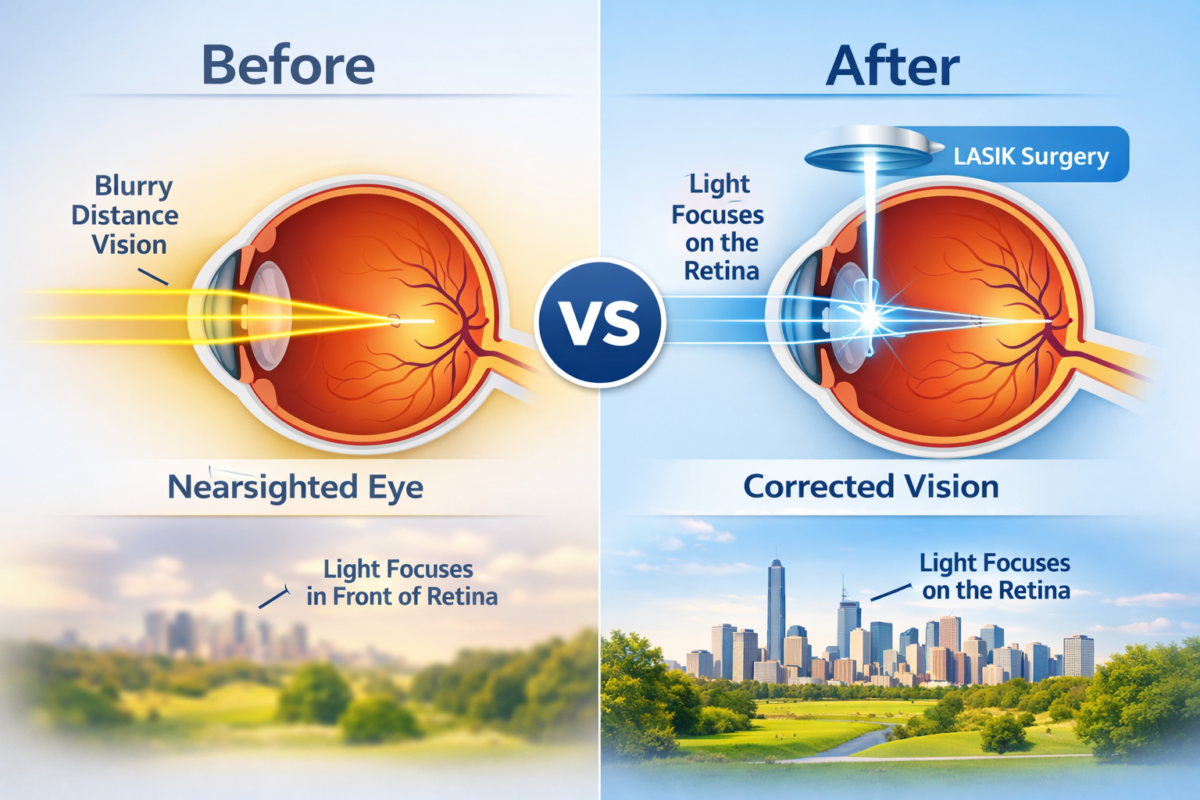
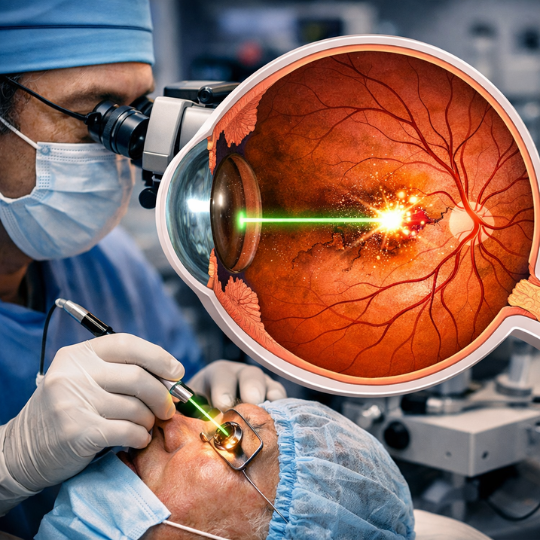
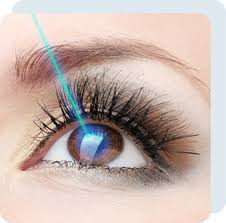
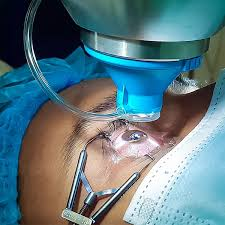
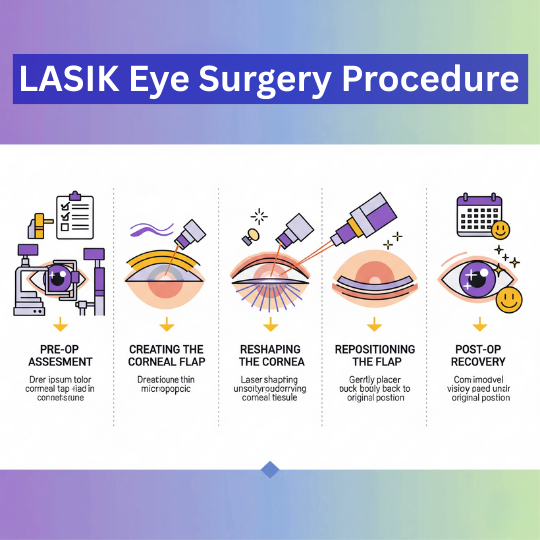
LASIK (Laser-Assisted In Situ Keratomileusis) is a quick outpatient surgery that typically takes less than 30 minutes. The surgeon uses a femtosecond laser to create a thin corneal flap, then reshapes the underlying cornea with an excimer laser to correct nearsightedness, farsightedness, or astigmatism.
Immediate Post-Surgery Vision Effects
Right after LASIK, patients often experience hazy or cloudy vision. Your eyes may water, sting, or feel gritty. While vision usually begins improving within hours, it isn’t stable enough for driving immediately after the procedure.
Why Driving Immediately After LASIK Isn’t Safe
Temporary Blurriness and Fluctuations
Immediately after surgery, vision is unstable and can fluctuate throughout the first day. This makes it unsafe to judge distances or read road signs.
Sensitivity to Light and Glare Issues
Most patients notice increased light sensitivity, halos, or glare around headlights — especially at night. These visual disturbances can make driving hazardous.
Role of Sedatives in Impaired Driving
In many cases, doctors prescribe a mild sedative (like Valium) before LASIK. This medication can cause drowsiness, further impairing your ability to drive safely.
Typical Timeline: When Most Patients Can Drive After LASIK
First 24 Hours After LASIK
Driving immediately after LASIK is never recommended. Patients must arrange for someone to drive them home after the procedure.
Day 1 Follow-Up Appointment and Driving Clearance
The day after surgery, patients typically return for a follow-up exam. If vision has cleared to at least the legal driving standard, most people receive clearance to drive.
First Week: What to Expect with Vision Recovery
During the first week, vision may continue to sharpen, but occasional fluctuations, dryness, and glare are normal. While daytime driving often becomes safe within 24 hours, night driving may take a few extra days.
Factors That Affect How Soon You Can Drive After LASIK
Individual Healing Speeds
Every patient heals differently. Some regain sharp vision within hours, while others may take several days.
Preexisting Vision Conditions
Patients with severe prescriptions, corneal irregularities, or dry eye syndrome may experience a longer recovery period before driving feels comfortable.
Type of LASIK Procedure (Custom, Bladeless, etc.)
Advanced techniques like bladeless LASIK or wavefront-guided LASIK often allow for faster, more precise healing, potentially reducing downtime.
Tips for a Smooth Transition Back to Driving
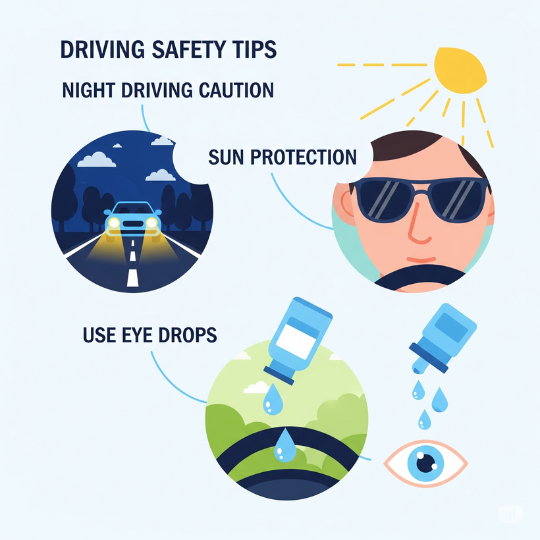
Night Driving Precautions
Avoid long nighttime drives until glare and halos subside. Stick to short trips in well-lit areas.
Wearing Sunglasses During the Day
Sunglasses protect sensitive eyes from bright sunlight and UV exposure, making daytime driving more comfortable.
Using Artificial Tears for Comfort
Over-the-counter lubricating eye drops help reduce dryness, which can blur vision while driving.
When to Contact Your Doctor Before Driving
Warning Signs of Delayed Healing
If your vision seems to worsen instead of improve, or if you notice persistent haziness, contact your eye surgeon.
Double Vision or Severe Dry Eyes
These symptoms can make driving dangerous. Always seek medical advice before getting behind the wheel if you’re experiencing them.
FAQs About Driving After LASIK
Q1: Can I drive myself home after LASIK?
No. You must arrange for a friend, family member, or ride service since your vision will be blurry and unsafe for driving.
Q2: How soon after LASIK can most patients drive?
Most people are cleared to drive within 24 hours, after their first follow-up exam.
Q3: Is night driving safe after LASIK?
It depends. Some patients experience glare or halos that make night driving difficult. These usually improve within a few days to weeks.
Q4: What happens if I drive too soon after LASIK?
Driving too soon increases the risk of accidents due to blurred vision, glare, or sedation side effects. Always wait for medical clearance.
Q5: Do I need new glasses for driving after LASIK?
Most patients don’t need glasses after LASIK. However, a small number may require low-prescription glasses for night driving.
Q6: Can dry eyes affect driving after LASIK?
Yes. Dry eyes can blur your vision temporarily. Using artificial tears helps manage this issue.
Conclusion: Safe Driving Timeline After LASIK Surgery
So, how soon after LASIK can I drive? For most patients, the answer is: the very next day — but only after a doctor confirms that your vision meets legal driving standards. While daytime driving usually resumes within 24 hours, nighttime driving may require a bit more patience due to glare or halos. The golden rule is simple: don’t drive until your surgeon gives you the green light.