
Introduction to Eye Tests and Vision Health
Your eyes are more than just organs that help you see—they are your windows to the world. Every color you admire, every face you recognize, and every word you read depends on healthy vision. Yet, most people take their eyesight for granted until something goes wrong. That’s where eye tests step in as silent protectors of your vision.
An eye test is not just about checking whether you need glasses. It is a comprehensive evaluation of your eye health. From detecting early signs of glaucoma to identifying retinal disorders and refractive errors, regular eye examinations play a crucial role in preserving long-term vision. Many serious eye conditions develop slowly and without noticeable symptoms. By the time you feel discomfort, the damage may already be advanced.
Professional eye care centers like Vijaya Nethralaya Super Speciality Eye Hospital emphasize preventive care through advanced eye testing methods. With expert ophthalmologists and cutting-edge diagnostic tools, patients receive precise and early diagnosis that can make a life-changing difference.
Think of an eye test as routine maintenance for your car. You wouldn’t wait for the engine to fail before servicing it, right? The same logic applies to your eyes. Regular check-ups ensure that small issues are corrected before they become major problems.
In this detailed guide, we’ll explore everything you need to know about eye tests, their importance, the types available, and how they help protect your most valuable sense—sight.
Why Regular Eye Tests Are Essential for Everyone
Vision problems do not discriminate by age. From toddlers to older People, everyone benefits from routine eye examinations. Even individuals who believe they have “perfect vision” may unknowingly have underlying issues.
One of the biggest misconceptions is that eye tests are only necessary when vision becomes blurry. In reality, many serious eye conditions like glaucoma, diabetic retinopathy, and macular degeneration show no early symptoms. These silent threats can only be detected through comprehensive testing by qualified specialists.
Regular eye tests help in:
- Detecting refractive errors such as myopia, hyperopia, and astigmatism
- Identifying early signs of glaucoma
- Monitoring diabetic eye disease
- Checking for cataracts
- Assessing overall eye health
Early detection dramatically increases the success rate of treatment. At Vijaya Nethralaya Super Speciality Eye Hospital, patients receive thorough eye evaluations designed to catch even the smallest irregularities.
Additionally, eye tests can reveal underlying health conditions like high blood pressure and diabetes. The blood vessels in the retina often reflect systemic health issues, making eye exams an essential part of overall wellness.
Neglecting regular eye tests can lead to preventable vision loss. Prioritizing annual check-ups ensures clarity, comfort, and confidence in everyday activities—whether driving, reading, or working on digital screens.
Your eyesight shapes your quality of life. Protecting it should never be optional.
Understanding How Vision Changes Over Time
Vision is not static; it evolves with age. What feels crystal clear in your twenties may gradually change by your forties. Understanding these natural transitions helps you stay proactive.
Childhood Vision Development
Children rely heavily on vision for learning. Poor eyesight can impact academic performance and confidence. Early eye tests help identify issues like lazy eye (amblyopia) or squint (strabismus), which are easier to treat when detected early.
Adult Vision Changes
Prolonged screen exposure, workplace strain, and lifestyle habits can cause digital eye strain. Symptoms include dryness, headaches, and blurred vision. Routine testing helps manage these conditions effectively.
Age-Related Changes
After 40, many people experience presbyopia—the gradual loss of near vision. Older people are also at higher risk for cataracts, glaucoma, and macular degeneration. Regular testing ensures early detection and timely treatment.
At Vijaya Nethralaya Super Speciality Eye Hospital, specialists tailor eye examinations according to age-specific needs, ensuring every patient receives personalized care.
Ignoring vision changes is like ignoring warning lights on a dashboard. Early action keeps your sight sharp and your life uninterrupted.
Types of Eye Tests Explained
Comprehensive eye examinations involve multiple assessments designed to evaluate different aspects of vision and eye health.
Visual Acuity Test
This is the familiar eye chart test that measures how clearly you can see letters from a distance. It determines the sharpness of your vision.
Refraction Assessment
Refraction tests identify the correct prescription for glasses or contact lenses. By switching lenses and asking which option looks clearer, the doctor fine-tunes your visual correction.
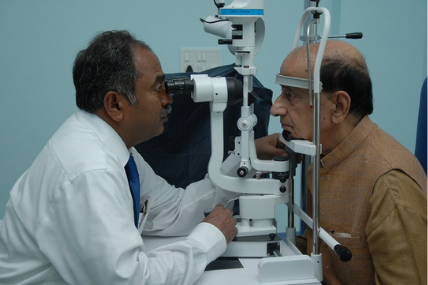
Slit Lamp Examination
A slit lamp allows detailed examination of the eye’s structures, including the cornea, iris, and lens. It helps detect cataracts and corneal diseases.
Tonometry (Glaucoma Test)
Tonometry measures intraocular pressure. Elevated pressure may indicate glaucoma, a leading cause of irreversible blindness.
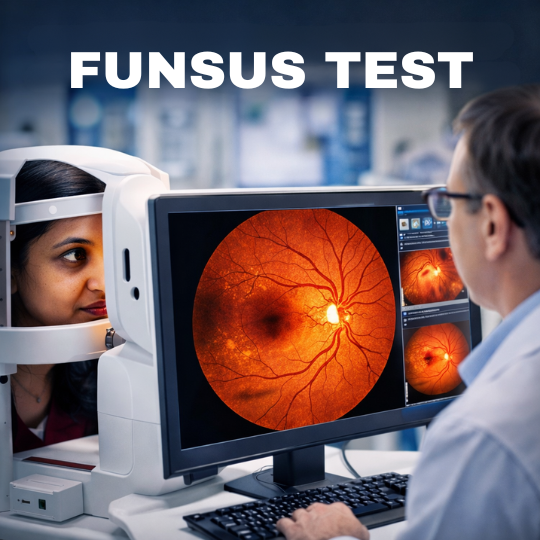
Retinal Examination
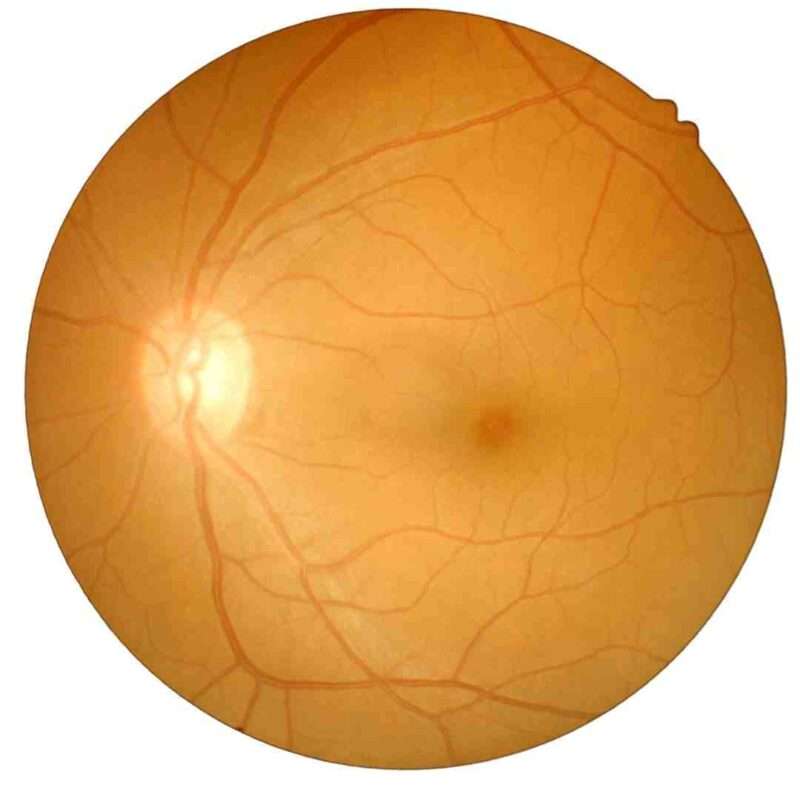
This test examines the retina and optic nerve for signs of disease, including diabetic retinopathy and macular degeneration.
At Vijaya Nethralaya Super Speciality Eye Hospital, these tests are performed using advanced technology to ensure accurate diagnosis and effective treatment planning.
Advanced Diagnostic Eye Tests in Modern Ophthalmology
Modern eye care has transformed dramatically with technological advancements. Today’s eye tests go far beyond basic charts and manual assessments. Advanced diagnostic tools allow ophthalmologists to see deeper into the eye’s structure and detect conditions at their earliest stages. Early detection often makes the difference between simple treatment and irreversible damage.
One of the most important innovations is Optical Coherence Tomography (OCT). This imaging technology provides cross-sectional images of the retina, helping detect glaucoma, macular degeneration, and diabetic retinopathy with extraordinary precision. Think of OCT as an MRI for the eye—it reveals layers that are invisible during routine exams.
Another breakthrough is computerized visual field testing. This test evaluates peripheral vision, which is often affected in glaucoma patients. Many people don’t notice peripheral vision loss until it becomes severe, which is why this test is essential for at-risk individuals.
Corneal topography is another advanced test that maps the surface curvature of the cornea. It plays a crucial role in diagnosing keratoconus and planning refractive surgeries like LASIK. Similarly, pachymetry measures corneal thickness, which is vital in glaucoma risk assessment.
At Vijaya Nethralaya Super Speciality Eye Hospital, these advanced technologies are integrated into comprehensive eye examinations. The hospital’s commitment to modern diagnostics ensures that patients receive precise, evidence-based care. The use of state-of-the-art equipment minimizes guesswork and enhances treatment outcomes.
Advanced eye tests are not about complexity; they are about clarity. They provide ophthalmologists with detailed insights, empowering them to make informed decisions that protect long-term vision. When it comes to eyesight, precision is not optional—it is essential.
Eye Tests for Children: Building a Strong Visual Foundation
Children experience the world primarily through their eyes. From recognizing faces to reading their first words, vision plays a central role in development. Yet, children rarely complain about vision problems because they assume everyone sees the way they do. That’s why regular pediatric eye tests are crucial.
Undiagnosed vision issues can impact learning, behavior, and social development. A child who struggles to see the blackboard may appear distracted or disinterested in class. In reality, the issue could be simple refractive errors like myopia (nearsightedness) or hyperopia (farsightedness).
Comprehensive pediatric eye tests evaluate:
- Visual acuity
- Eye alignment
- Depth perception
- Color vision
- Focusing ability
Conditions like amblyopia (lazy eye) and strabismus (eye misalignment) respond best to early treatment. Delayed diagnosis can make correction more challenging.
Digital exposure has also increased significantly among children. Prolonged screen time contributes to digital eye strain and rising cases of childhood myopia. Regular check-ups help monitor these trends and guide preventive strategies.
At Vijaya Nethralaya Super Speciality Eye Hospital, pediatric eye care is handled with compassion and expertise. Child-friendly environments and experienced specialists ensure a comfortable experience for young patients.
Strong vision lays the foundation for academic success and overall confidence. By prioritizing early eye testing, parents invest in their child’s bright future—one clear vision at a time.
Eye Tests for Adults: Protecting Vision During Working Years
Adulthood often brings long hours in front of digital screens. Whether working in offices or managing businesses, screen exposure has become unavoidable. Unfortunately, this modern lifestyle increases the risk of digital eye strain, dry eye syndrome, and progressive refractive errors.
Common symptoms adults experience include:
- Headaches
- Blurred vision
- Eye fatigue
- Dryness or burning sensation
Routine eye tests not only update prescriptions but also assess overall eye health. Conditions like glaucoma can develop silently during adulthood. Without regular testing, irreversible damage may occur before symptoms appear.
Adults with diabetes or hypertension require more frequent eye examinations. These systemic conditions directly impact retinal health. Early detection of diabetic retinopathy can prevent severe vision loss.
At Vijaya Nethralaya Super Speciality Eye Hospital, adult eye care includes comprehensive screening combined with personalized advice for maintaining healthy vision. Recommendations may include blue light protection, artificial tears, ergonomic adjustments, or lifestyle changes.
Vision supports productivity and independence. Protecting it during your most active years ensures uninterrupted career growth and quality of life.
Senior Eye Care: Detecting Age-Related Eye Conditions
Aging naturally affects eye structures. While some changes are normal, others require medical attention. Older people face increased risk of cataracts, glaucoma, and age-related macular degeneration (AMD).
Cataracts cause clouding of the eye’s natural lens, leading to blurred vision and glare sensitivity. Glaucoma damages the optic nerve due to increased eye pressure. AMD affects central vision, making tasks like reading and recognizing faces difficult.
Regular eye tests allow early diagnosis and timely intervention. Modern cataract surgery, for instance, is highly effective when performed at the right stage.
At Vijaya Nethralaya Super Speciality Eye Hospital, older people receive specialized care tailored to age-related needs. Advanced diagnostics ensure accurate monitoring of progressive conditions.
Aging may be inevitable, but vision loss doesn’t have to be. Consistent eye testing empowers older people to maintain independence and confidence.
Why Choose Vijaya Nethralaya Super Speciality Eye Hospital for Eye Tests
Choosing the right eye care provider is just as important as scheduling the test itself. Expertise, technology, and patient-centered care make all the difference.
Vijaya Nethralaya Super Speciality Eye Hospital stands out for several reasons:
| Feature | Benefit to Patients |
|---|---|
| Advanced Diagnostic Equipment | Accurate and early detection |
| Experienced Ophthalmologists | Personalized and expert care |
| Comprehensive Services | From testing to treatment under one roof |
| Patient-Centered Approach | Comfortable and transparent consultations |
The hospital combines clinical excellence with compassionate care. Every eye test is conducted with attention to detail, ensuring nothing is overlooked.
Trusting your vision to a reputed institution means choosing safety, precision, and reliability. When it comes to protecting sight, compromise is never an option.
Conclusion
Eye tests are not merely routine procedures; they are powerful tools that safeguard your vision and overall well-being. From childhood development to senior care, regular examinations detect problems early, prevent complications, and ensure lifelong clarity.
Modern advancements have transformed eye testing into a precise and comprehensive process. With expert care at Vijaya Nethralaya Super Speciality Eye Hospital, patients receive world-class diagnostics and personalized treatment plans.
Vision connects you to every beautiful moment in life. Protect it. Prioritize it. Test it regularly.
Author Details:
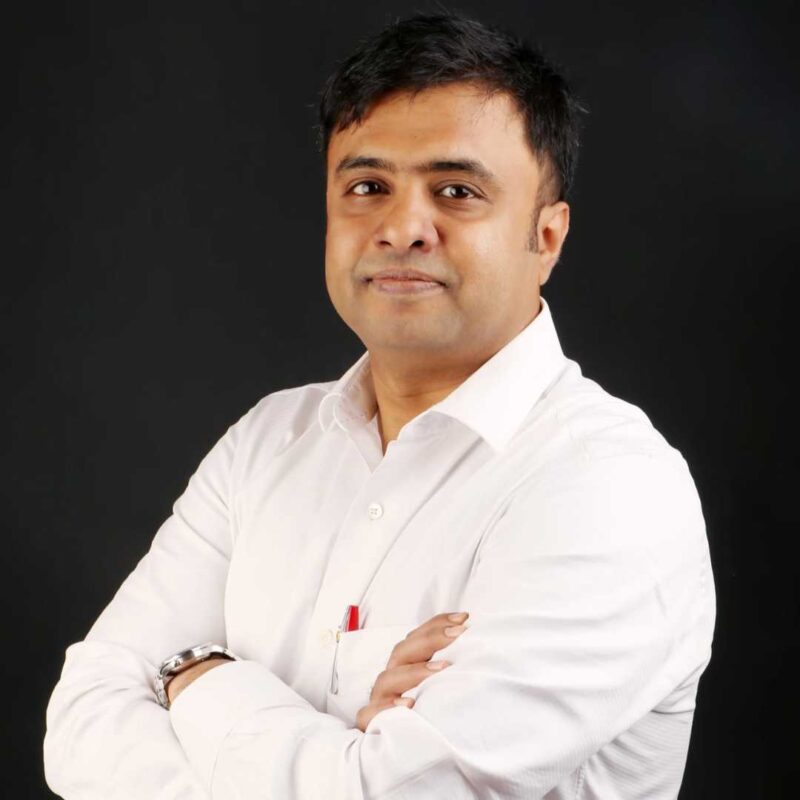
Dr. Sushruth Appajigowda holds a prominent position as a Cornea, Cataract, Glaucoma, and LASIK Surgeon in Bangalore. He serves as the chief Cataract and Refractive surgeon at Vijaya Nethralaya Eye Hospital, Nagarbhavi Bangalore. Renowned as one of the finest LASIK surgeons nationwide, he brings with him over 12+ years of experience across multiple LASIK platforms, including ZEISS, ALCON, SCHWIND, AMO, and Bausch and Lomb. Having successfully conducted over 5000 LASIK procedures, Dr. Sushruth holds the title of a Certified Refractive Surgeon and a Fellow of the All India Collegium Of Ophthalmology. Furthermore, he stands as a distinguished speaker at various National and International Forums, using his expertise to guide you in selecting the most suitable procedure based on your health requirements.
http://vijayanethralaya.com/link-in-bio/
Frequently Asked Questions (FAQs)
1. How often should I get an eye test?
Most adults should undergo an eye test once a year. Individuals with diabetes or existing eye conditions may require more frequent visits.
2. Are eye tests painful?
No, eye tests are completely painless and non-invasive.
3. Can eye tests detect other health issues?
Yes, conditions like diabetes and hypertension can often be detected through retinal examination.
4. Do children need eye tests even if they don’t complain?
Absolutely. Children may not recognize or report vision problems, making routine testing essential.
5. Why choose Vijaya Nethralaya Super Speciality Eye Hospital?
The hospital offers advanced diagnostics, experienced specialists, and comprehensive eye care services under one roof.