
If you wear glasses or contact lenses every single day, you’ve probably dreamed about waking up with clear vision—no specs on the bedside table, no lenses drying out your eyes. That dream is exactly why eye number removal operations have become so popular worldwide. But the big question most people ask before taking the leap is simple: how much does an eye number removal operation cost?
The cost isn’t the same for everyone. It depends on the type of surgery, the technology used, the surgeon’s expertise, and even the country you live in. Some people get it done for a relatively affordable amount, while others invest a premium for advanced laser techniques and top-tier hospitals.
In this guide, we’ll break down everything you need to know about eye number removal operation costs in plain, simple English. We’ll talk about surgery types, country-wise pricing, hidden expenses, and whether the procedure is actually worth the money. By the end, you’ll have a clear picture—just like your vision might be after surgery.
Understanding Eye Number and Vision Power
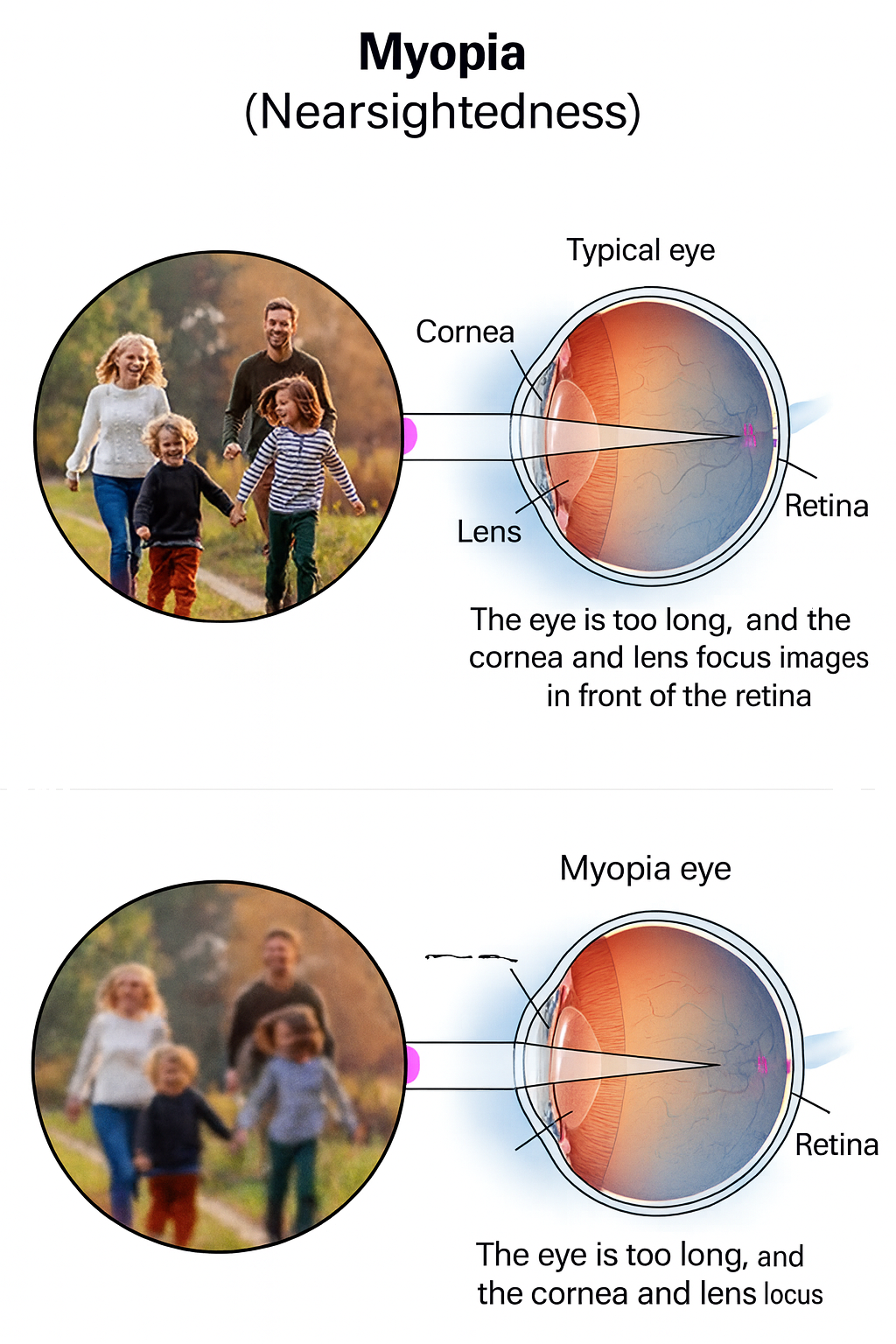
Before talking about costs, it’s important to understand what “eye number” actually means. In simple terms, eye number refers to the refractive error of your eyes. It’s measured in diopters and tells doctors how much correction your eyes need to see clearly.
People usually have an eye number due to conditions like:
- Myopia (near-sightedness) – difficulty seeing distant objects
- Hyperopia (far-sightedness) – difficulty seeing nearby objects
- Astigmatism – blurred or distorted vision due to an irregular cornea
- Presbyopia – age-related difficulty focusing on near objects

These conditions aren’t diseases; they’re optical imperfections. Glasses and contact lenses fix the problem externally, while eye number removal surgery corrects it from within by reshaping the cornea or placing a corrective lens inside the eye.
Understanding your eye number matters because higher or more complex numbers often require advanced procedures, which directly affects the overall operation cost.
What Is an Eye Number Removal Operation?
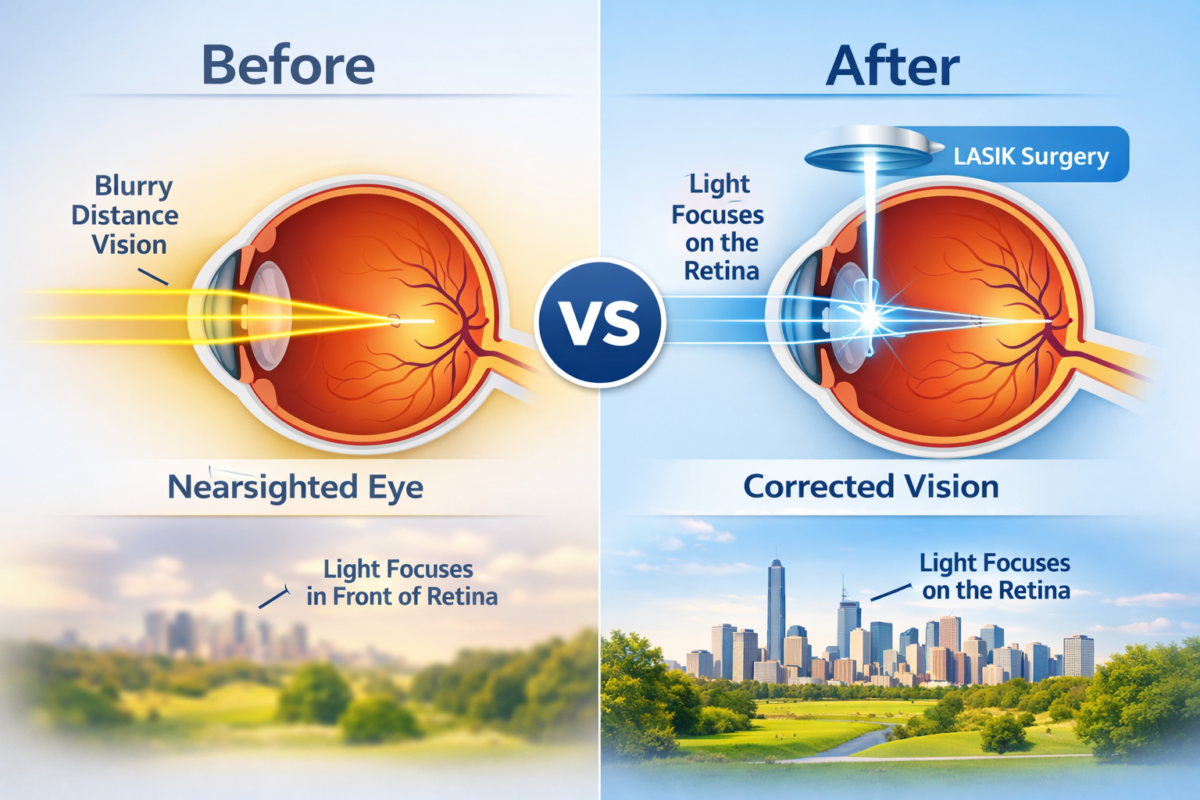
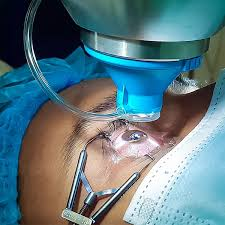
An eye number removal operation, also known as refractive eye surgery, is a medical procedure designed to reduce or completely eliminate your dependency on glasses or contact lenses. Instead of adding an external lens, the surgery changes how light enters your eye so it focuses correctly on the retina.
Most modern procedures use laser technology, which is extremely precise and safe when performed by experienced surgeons. The surgery itself usually takes less than 15 minutes for both eyes, and in many cases, patients walk out of the clinic the same day.
Think of it like adjusting the focus ring on a camera lens. Once the focus is corrected, everything becomes sharp and clear. However, the level of technology used to “adjust that focus” plays a huge role in determining how much you’ll pay for the operation.
Types of Eye Number Removal Surgeries
Not all eye number removal surgeries are the same. Each type has its own method, recovery time, and cost structure.
LASIK Eye Surgery
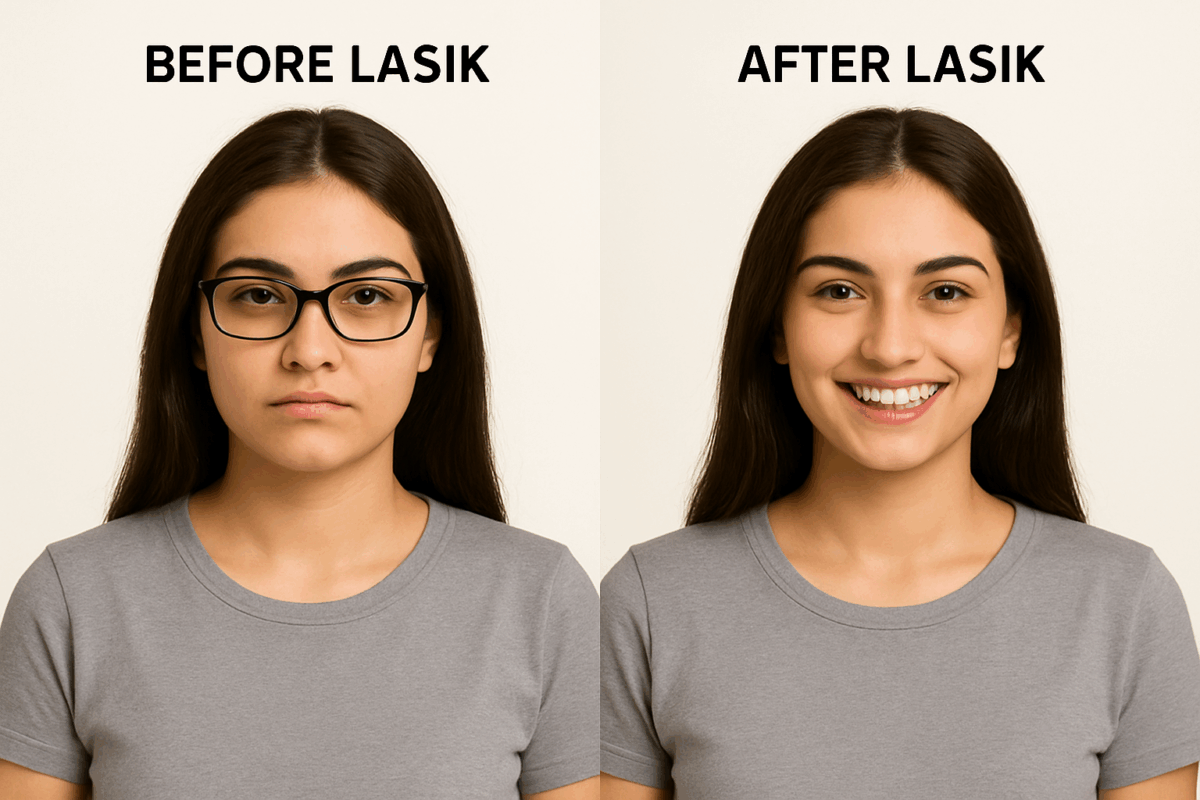
LASIK is the most popular and widely performed eye number removal operation. It uses a laser to create a thin flap on the cornea, reshapes the underlying tissue, and then places the flap back.
Why people choose LASIK:
- Quick procedure
- Minimal pain
- Fast recovery (often within 24–48 hours)
Because it’s so popular, LASIK costs can vary widely depending on whether basic or advanced laser technology is used.
PRK (Photorefractive Keratectomy)
PRK is an older technique compared to LASIK but still very effective. Instead of creating a flap, the outer layer of the cornea is gently removed and then reshaped using a laser.
PRK is often recommended for people with thin corneas. It’s usually slightly cheaper than LASIK, but recovery takes longer.
SMILE Eye Surgery
SMILE is a newer, minimally invasive procedure. It uses a femtosecond laser to remove a small piece of corneal tissue through a tiny incision.
Benefits of SMILE:
- No corneal flap
- Less dryness
- Faster healing than PRK
Because of the advanced technology involved, SMILE generally costs more than LASIK and PRK.
ICL (Implantable Collamer Lens)
ICL surgery doesn’t reshape the cornea at all. Instead, a permanent lens is implanted inside the eye.
This option is ideal for people with very high eye numbers. It’s also the most expensive eye number removal operation.
Who Is Eligible for Eye Number Removal Surgery?
Not everyone is an ideal candidate for eye number removal surgery, and eligibility can affect the cost as well. Doctors usually look at several factors before approving you for the procedure.
First, age matters. Most surgeons recommend being at least 18–21 years old with a stable eye number for at least one year. If your eye number keeps changing, surgery might not give long-term results.
Second, corneal thickness is critical, especially for LASIK and SMILE. If your cornea is too thin, the surgeon may recommend PRK or ICL, which can alter the total cost.
Third, overall eye health is evaluated. Conditions like dry eyes, glaucoma, or corneal diseases can influence the type of surgery recommended—or rule it out completely.
All these pre-surgery evaluations are usually included in the initial cost, but sometimes advanced diagnostic tests are charged separately.
Factors That Affect Eye Number Removal Operation Cost
There is no fixed price for eye number removal surgery. Several factors influence how much you’ll end up paying.
The type of surgery is the biggest factor. Basic LASIK is cheaper than SMILE or ICL. The technology used, such as bladeless or wavefront-guided lasers, also increases costs.
The experience of the surgeon matters too. Highly experienced surgeons often charge more, but many people see this as an investment in safety and better outcomes.
Finally, location plays a huge role. A surgery done in a metro city or a premium hospital will usually cost more than one performed in a smaller city or clinic.
Average Eye Number Removal Operation Cost (Country-wise)
The cost of eye number removal surgery varies dramatically from country to country.
United States
- LASIK: $2,000 – $4,000 (both eyes)
- SMILE: $3,000 – $5,000
- ICL: $6,000 – $10,000
United Kingdom & Europe
- LASIK: £2,000 – £4,000
- SMILE: £3,000 – £5,500
India
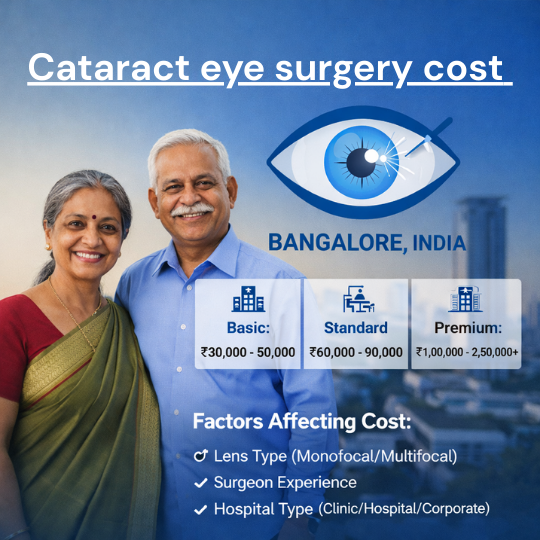
- LASIK: ₹25,000 – ₹60,000
- SMILE: ₹80,000 – ₹1,25,000
- ICL: ₹2,50,000 – ₹4,50,000
India is a popular destination for affordable and high-quality eye surgeries, which is why many international patients travel there.
LASIK Eye Surgery Cost Breakdown
When people hear the LASIK price, they often assume that’s the final amount. In reality, the cost is usually divided into several components.
The pre-surgery evaluation includes eye scans, corneal mapping, and vision tests. These are essential for safety and accuracy.
The actual surgery cost depends on whether it’s standard LASIK or bladeless LASIK. Advanced versions are more expensive but offer better precision.
Finally, post-surgery care includes medications, eye drops, and follow-up visits. Some clinics include these in the package, while others charge separately.
Always ask for a full cost breakdown to avoid surprises later.
PRK and SMILE Surgery Cost Comparison
PRK is generally cheaper than SMILE because it uses older technology and doesn’t require advanced lasers. However, PRK involves longer recovery and more follow-up visits.
SMILE, on the other hand, is priced higher due to its minimally invasive nature and faster healing. Many patients are willing to pay extra for comfort and quicker results.
When comparing costs, it’s important to think beyond money. Recovery time, comfort, and long-term eye health all add value.
ICL Surgery Cost: Why Is It More Expensive?
ICL surgery costs more because it involves implanting a customized lens inside your eye. The lens itself is expensive, and the procedure is more complex than laser surgeries.
However, for people with very high eye numbers, ICL may be the safest and most effective option. In such cases, the higher cost often feels justified by the results.
Is Eye Number Removal Surgery Covered by Insurance?
In most cases, eye number removal surgery is considered a cosmetic or elective procedure. That means insurance usually does not cover it.
However, some insurance plans may offer partial coverage or discounts through partner hospitals. It’s always worth checking with your provider.
Hidden Costs You Should Know About
Some clinics advertise very low prices, but additional costs may appear later. These can include:
- Extra diagnostic tests
- Enhancement procedures
- Extended medication use
Choosing a transparent clinic can save you stress and money.
Is Eye Number Removal Surgery Worth the Cost?
For many people, the answer is yes. If you calculate the long-term cost of glasses, contact lenses, solutions, and regular check-ups, surgery can actually be cost-effective over time.
Beyond money, the convenience and confidence of clear vision without aids is something many patients value deeply.
How to Choose the Right Eye Hospital or Surgeon
Always prioritize safety over cost. Look for:
- Experienced surgeons
- Modern equipment
- Genuine patient reviews
- Clear pricing policies
A slightly higher cost is often worth the peace of mind.
Tips to Reduce Eye Number Removal Operation Cost
You can reduce costs by:
- Choosing package deals
- Avoiding unnecessary add-ons
- Comparing multiple clinics
- Asking about seasonal discounts
Smart planning can make surgery more affordable without compromising quality.
Conclusion
Eye number removal operation cost depends on many factors, from the type of surgery to the country you choose. While it may seem expensive upfront, the long-term benefits often outweigh the initial investment. Clear vision, freedom from glasses, and improved quality of life make this procedure a life-changing decision for millions of people worldwide. The key is to stay informed, choose wisely, and focus on value rather than just price.
FAQs
1. Can eye number come back after surgery?
In rare cases, slight regression can happen, especially if surgery is done at a young age.
2. Is the surgery painful?
Most procedures are painless, with only mild discomfort during recovery.
3. How long does recovery take?
LASIK recovery is quick, while PRK takes a few weeks for full healing.
4. Is surgery safe for high eye numbers?
Yes, especially with options like ICL designed for high prescriptions.
5. How long do results last?
For most people, results are permanent, though age-related changes can still occur.