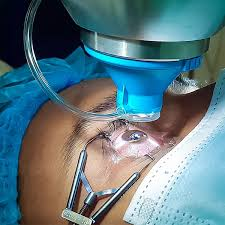

Glaucoma is one of the leading causes of irreversible blindness worldwide, and choosing the right treatment is crucial. When comparing eye drops vs surgery for glaucoma, patients often wonder which option is safer, more effective, and better long-term. This guide breaks everything down in simple, clear language to help you choose confidently.
Understanding Glaucoma
Glaucoma is an eye condition that damages the optic nerve, often due to elevated intraocular pressure (IOP). It develops slowly, which makes early detection essential.
What Is Glaucoma?
Glaucoma is a group of eye diseases that harm the optic nerve—the part of the eye responsible for sending visual signals to the brain.
How Glaucoma Affects Vision
Damage usually starts with peripheral or side vision. Over time, untreated glaucoma leads to tunnel vision and, eventually, blindness.
Types of Glaucoma
- Open-angle glaucoma (most common)
- Angle-closure glaucoma
- Normal-tension glaucoma
- Secondary glaucoma
Why Early Treatment Matters
Glaucoma damage cannot be reversed—but treatment can slow or stop its progression.
Impact on the Optic Nerve
The optic nerve weakens when pressure inside the eye rises.
Preventing Irreversible Blindness
Studies show that early treatment reduces the risk of vision loss by more than 60%.
Eye Drops vs Surgery for Glaucoma—An Overview
Many patients start with eye drops, while surgery is often considered later. But the right choice depends on your lifestyle, severity, and medical history.
Why Doctors Compare These Options
Both treatments aim to reduce IOP—but with very different approaches.
When Doctors Recommend Each
- Drops for early or moderate glaucoma
- Surgery for advanced or fast-progressing glaucoma

How Glaucoma Eye Drops Work
Eye drops reduce pressure either by decreasing fluid production or improving fluid drainage in your eye.
Types of Eye Drops
- Prostaglandin analogs: Increase fluid drainage
- Beta-blockers: Reduce fluid production
- Alpha agonists: Dual action
- Carbonic anhydrase inhibitors: Reduce fluid production
- Rho kinase inhibitors: Improve drainage
Daily Routine
Most drops are taken once or twice daily. Consistency is critical.

Pros and Cons of Glaucoma Eye Drops
✔ Benefits
- Non-invasive
- Affordable monthly
- Effective for mild to moderate glaucoma
❌ Drawbacks
- Side effects like stinging or redness
- Must be taken daily
- Some patients forget doses
- Certain drops cause long-term changes like eyelash growth or eye color darkening
How Glaucoma Surgery Works
Surgery aims to create new drainage pathways for the eye.
Types of Glaucoma Surgery
- Trabeculectomy
- Laser trabeculoplasty
- MIGS (Minimally Invasive Glaucoma Surgery)
- Glaucoma drainage implants

Pros and Cons of Glaucoma Surgery
✔ Benefits
- Stronger long-term pressure reduction
- Reduces or eliminates need for daily eye drops
- Ideal for advanced glaucoma
❌ Risks & Complications
- Infection
- Pressure dropping too low
- Scarring
- Recovery time (typically weeks)
Eye Drops vs Surgery for Glaucoma: Side-by-Side Comparison
| Feature | Eye Drops | Surgery |
|---|---|---|
| Effectiveness | Moderate | Strong & long-term |
| Cost | Monthly expense | One-time but higher |
| Lifestyle Impact | Requires daily use | Recovery required |
| Side Effects | Mild to moderate | Surgical risks |
| Good for… | Early cases | Severe or progressive cases |
Which Treatment Is More Effective Long-Term?
Surgery generally offers stronger long-term pressure control, especially for severe glaucoma. But eye drops remain highly effective for early-stage cases.
When Eye Drops Are Ideal
- Early or mild glaucoma
- Patients who prefer non-invasive options
- Individuals with steady routines
When Surgery Is the Better Choice
Surgery is recommended when:
- Eye drops fail
- Glaucoma progresses rapidly
- Patients cannot maintain a drop routine
Combining Eye Drops and Surgery
Many patients need both—drops before surgery and often a few drops afterward to manage inflammation or pressure spikes.
Alternatives to Drops and Surgery
Laser Trabeculoplasty
A middle-ground option—less invasive than surgery but more effective than drops for some patients.
Lifestyle Adjustments
- Regular exercise
- Reducing caffeine
- Sleeping with head elevated
Cost Breakdown: Eye Drops vs Surgery
Eye Drops
- Costs range from $25 to $250 per month depending on medication.
Surgery
- Surgical costs vary widely but average $3,000–$6,000.
Conclusion: What’s the Best Option for You?
Choosing eye drops vs surgery for glaucoma isn’t a one-size-fits-all decision. Eye drops are ideal for early or mild disease, while surgery provides powerful, long-term pressure control for advanced or fast-progressing glaucoma. With guidance from your eye doctor, you can choose the option that best protects your vision for years to come.
❓ FAQs About Eye Drops vs Surgery for Glaucoma
1. Are glaucoma eye drops enough to prevent blindness?
Yes—for many people, drops alone prevent vision loss if used regularly.
2. Is glaucoma surgery painful?
Most surgeries use local anesthesia, making the procedure comfortable.
3. How long does glaucoma surgery last?
Trabeculectomy and MIGS often last years, but results vary.
4. Can I stop using eye drops after surgery?
Some patients can, but many still use at least one drop daily.
5. Which works faster: drops or surgery?
Surgery usually lowers pressure faster.
6. Is laser treatment better than surgery?
Laser works well for some patients but isn’t as powerful as major surgical procedures.