
Introduction
In 2025, more people than ever are experiencing the frustrating symptoms of Dry Eye Syndrome (DES)—burning, redness, blurry vision, and that constant gritty sensation. With increasing digital screen exposure, air pollution, and aging populations, dry eye treatment has become one of the most searched topics in eye care.
Fortunately, a wave of new therapies, natural remedies, and lifestyle-based solutions is offering real hope. But not all treatments are created equal — and some might even do more harm than good.
What Is Dry Eye Syndrome?
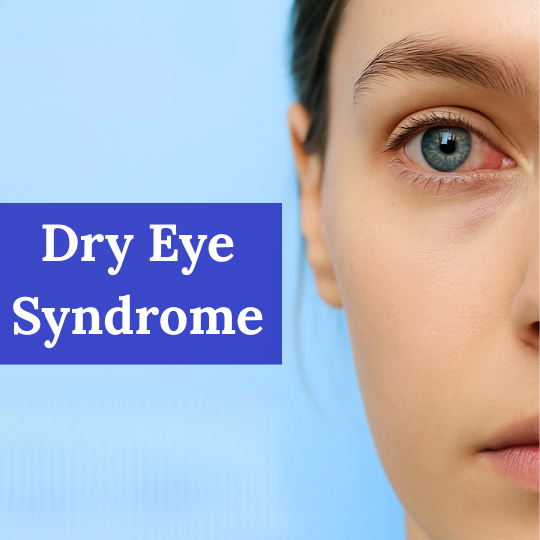
Dry eye syndrome occurs when your eyes don’t produce enough tears or when the quality of tears is poor. This leads to symptoms like
- Burning or stinging sensation
- Redness and irritation
- Blurred vision
- Sensitivity to light
- Gritty feeling in the eyes
Common Causes of Dry Eye
Understanding the cause of your dry eyes is crucial for effective treatment. Key causes include
- Prolonged screen use
- Aging (especially in people over 50)
- Hormonal changes (post-menopause or during pregnancy)
- Medications (antihistamines, antidepressants, etc.)
- Contact lens use
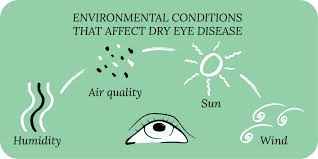
- Environmental factors (AC, heating, wind, dry air)
Eye Drop Safety Concerns: What You Need to Know
For decades, over-the-counter artificial tears were considered safe and effective. However, in recent years, several recalls and FDA warnings have raised serious concerns:
- Contamination risks due to improper manufacturing practices
- Preservative toxicity causing inflammation or allergic reactions
- Long-term dependence without addressing the root cause of dry eyes
In 2024 and 2025, a surge in public interest led people to seek alternative dry eye therapies after widely used brands were pulled from shelves. Today, many eye doctors are recommending preservative-free or natural options as safer choices.
Innovative Therapies for Dry Eye in 2025
Dry eye treatment has moved beyond simple hydration. Here are some of the most effective and innovative solutions being used this year:
1. Artificial Tears (Over-the-Counter Drops)
Still one of the first-line treatments. However, due to concerns over preservative-related side effects, many are turning to preservative-free eye drops.
✅ Best for mild to moderate dry eyes
2. Lipid-Based Eye Sprays
These sprays help replenish the outer oily layer of the tear film and prevent rapid evaporation. Ideal for people with Meibomian Gland Dysfunction (MGD).
3. Warm Compress & Eyelid Hygiene
A simple home remedy is gaining traction again in 2025. Use a microwaveable warm compress daily to stimulate oil glands.
🧼 Pair with eyelid wipes or baby shampoo for maximum results.
4. Laughter Therapy (New in 2025)
Yes, you read that right! Studies now show that regular laughter may stimulate tear production better than some artificial drops. Group laughter sessions are now being used as part of holistic eye wellness programs.
5. Omega-3 Fatty Acids
Supplements containing EPA and DHA (from fish oil or flaxseed oil) have anti-inflammatory properties that improve tear quality.
🧠 Bonus Tip: Combine with vitamin D3 for better absorption and improved results.
6. Prescription Eye Drops
Doctors may prescribe:
- Lifitegrast (Xiidra)—Targets T-cell mediated inflammation
- Tyrvaya™ Nasal Spray—Stimulates tear production via the nasal pathway
⚠️ Always consult an ophthalmologist before using prescription treatments.
7. Punctal Plugs
Tiny silicone plugs are inserted into tear ducts to prevent tear drainage. This keeps your natural tears on the eye surface longer.
💡 Long-term solution for chronic dry eyes
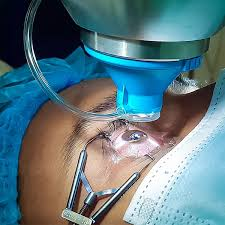
8. Intense Pulsed Light (IPL) Therapy
Used in dermatology for years, IPL is now FDA-approved for treating Meibomian Gland Dysfunction (MGD), one of the major causes of dry eyes.
9. Scleral Contact Lenses
Large, gas-permeable lenses that hold moisture on the eye’s surface, providing all-day comfort.
👁️ Best for patients with severe dry eye or corneal disease
10. Lifestyle Changes That Work
- Hydration: Drink at least 2-3 liters of water daily
- Blink Exercises: Especially when using digital screens
- Humidifiers: Great for dry indoor air
- Reduce screen time or follow the 20-20-20 rule
📲 Featured Snippet Tip: “How to naturally treat dry eyes at home”
Lifestyle and Environmental Factors: Root Causes You Can Fix
Treating dry eyes effectively also means addressing the lifestyle and environmental triggers that worsen your symptoms.
📱 1. Digital Eye Strain
The average person blinks 60% less when using a screen. This drastically increases tear evaporation. Try:
- The 20-20-20 rule (every 20 minutes, look at something 20 feet away for 20 seconds)
- Blink exercises
- Blue light filters
🌬️ 2. Air Quality and Humidity
Dry, heated, or air-conditioned environments strip moisture from the eyes. Combat this with:
- Humidifiers at home or office
- Avoiding fans directly at your face
- Wearing wraparound glasses outdoors
💤 3. Poor Sleep and Hormonal Imbalances
Recent studies link sleep apnea and poor-quality sleep to worsened dry eye symptoms. Women post-menopause are also more vulnerable due to hormonal shifts.
When Should You See a Doctor?
Consult a specialist if:
- Your symptoms last longer than a week
- Vision becomes blurry
- Over-the-counter treatments aren’t effective
A professional eye exam can reveal whether you have MGD, Sjögren’s Syndrome, or other underlying conditions.
Conclusion
The era of simply grabbing eye drops off the pharmacy shelf is over. With the risks associated with some products and the rise of advanced therapies, it’s more important than ever to treat dry eyes holistically.
✔️ Combine safe products with innovative in-office treatments
✔️ Adjust your lifestyle and environment
✔️ Focus on natural tear production over artificial relief
A personalized approach — based on what’s causing your symptoms — will always be the most effective.
📞 Need help managing dry eye symptoms?
Book an appointment with our dry eye specialist today!
🔗 Click the link in bio to learn more.
📞 Book a consult: +91 78924 92098 / +91 98804 66486
🌐 Visit: vijayanethralaya.com
FAQs
Q1: Are all eye drops unsafe now?
Not all — but avoid drops with preservatives like BAK (benzalkonium chloride). Choose preservative-free brands or consult a doctor for prescription options.
Q2: What’s the most effective dry eye treatment in 2025?
IPL therapy and Tyrvaya nasal spray are the most advanced clinical options. Omega-3 supplements and laughter therapy show strong results in natural care.
Q3: Can I treat dry eyes at home?
Yes. Use warm compresses, hydrate well, reduce screen time, and ensure your room air isn’t too dry.