


Introduction to Dry Eye Disease
Dry eyes might seem like a small inconvenience, but they can significantly affect your quality of life. Imagine trying to read your favorite book or work on your laptop while your eyes feel like they’re burning or filled with sand. That’s what living with dry eye disease (DED) often feels like.
In today’s digital world, where screens dominate our daily lives, dry eye is becoming more common. But what exactly causes it, and how can you find relief? Let’s break it down step by step.
What is dry eye disease?
Dry eye disease occurs when your eyes can’t produce enough tears or when the tears evaporate too quickly. Tears aren’t just for crying—they’re like a protective shield, keeping your eyes clean, smooth, and nourished. Without enough tears, your eyes may feel irritated, gritty, or even blurry.
Why Is Dry Eye So Common Today?
From air-conditioned offices to long hours on smartphones, our modern lifestyle is a perfect storm for dry eye problems. Factors like pollution, poor hydration, and increased screen exposure contribute to the rising cases of this condition.
Causes of Dry Eye Disease
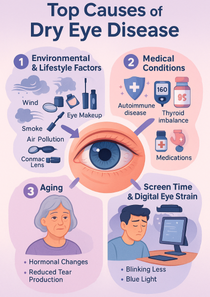
Environmental and Lifestyle Factors
Spending too much time in air-conditioned or heated rooms, windy environments, or staring at screens can cause your tears to evaporate faster. Even wearing contact lenses for extended periods can worsen dryness.
Medical Conditions That Lead to Dry Eyes
Autoimmune diseases like Sjogren’s syndrome, diabetes, and thyroid disorders often affect tear production. Certain eye surgeries, such as LASIK, can also temporarily cause dry eyes.
The Role of Aging in Dry Eye
As we age, tear production naturally declines. People over 50 are more likely to experience dry eye symptoms due to hormonal changes and reduced oil secretion from eyelid glands.
Screen Time and Digital Eye Strain
Staring at a computer or phone reduces blinking by almost 50%. Fewer blinks mean fewer tears spreading across your eyes, which leads to dryness.
Symptoms of Dry Eye Disease
Common Symptoms You Shouldn’t Ignore
- Burning or stinging sensation
- Feeling like something is stuck in your eye
- Redness and irritation
- Blurry vision, especially after prolonged tasks
When Dry Eyes Become a Serious Problem
If left untreated, dry eye can lead to inflammation, corneal damage, or even vision loss in severe cases.

Risk Factors
Who Is Most Likely to Develop Dry Eye?
- People over 50 years old
- Women (especially after menopause)
- Contact lens wearers
- People living in dry, windy climates
Gender and Hormonal Changes
Hormonal fluctuations during pregnancy, menopause, or while using birth control pills can make women more prone to dry eyes.
Certain Medications That Cause Dry Eye
Antihistamines, antidepressants, and blood pressure medicines can reduce tear production.
Diagnosing Dry Eye
Eye Tests Used by Specialists
Doctors may use a Schirmer’s test to measure tear production or a tear film break-up time test to check tear quality.
Self-Assessment Tips
If you frequently rub your eyes or feel discomfort after using digital devices, it’s time for an eye check-up.
Treatment Options for Dry Eye
Over-the-Counter Solutions
Artificial tears are the first line of defense. Gel-based eye drops or ointments can provide longer-lasting relief.
Prescription Treatments
For moderate to severe cases, doctors may prescribe cyclosporine drops (Restasis) or lifitegrast (Xiidra) to reduce inflammation and improve tear production.
Advanced Treatments (IPL Therapy, Punctal Plugs, etc.)
- Punctal plugs: Tiny devices inserted into tear ducts to keep tears from draining too fast.
- Intense Pulsed Light (IPL): Helps improve oil gland function.
Home Remedies and Lifestyle Changes
- Blink more often during screen time.
- Use a humidifier to add moisture to indoor air.
- Warm compresses can help unclog eyelid oil glands.
Prevention of Dry Eye
Simple Daily Habits
Follow the 20-20-20 rule: Every 20 minutes, look at something 20 feet away for 20 seconds.
Diet and Hydration
Omega-3 fatty acids (found in fish oil, flaxseeds, and walnuts) can improve tear quality. Stay hydrated to keep your eyes moist.
Reducing Digital Eye Strain
Adjust screen brightness and avoid staring at screens before bedtime.
Complications of Untreated Dry Eye
How Dry Eye Affects Vision Over Time
Untreated dry eye can cause corneal scratches, infections, and, in rare cases, permanent vision damage.
Chronic Dry Eye and Corneal Damage
Severe dry eye can lead to scarring and decreased vision quality.
Myths About Dry Eye Disease
Common Misconceptions and Facts
- Myth: Only older people get dry eye.
Fact: Even teens and young adults can develop it due to excessive screen time. - Myth: Drinking lots of water alone cures dry eye.
Fact: Hydration helps, but it’s not a complete solution.
When to See an Eye Specialist
If you’ve tried over-the-counter solutions for more than a week without relief, it’s time to see an eye doctor.
Conclusion
Dry Eye Disease is more than just a minor annoyance—it’s a condition that can impact your daily life if not treated. The good news? With the right combination of medical treatments, lifestyle adjustments, and preventive measures, you can find relief and keep your eyes healthy.
FAQs
1. Can dry eye be permanently cured?
Not always, but proper treatment can manage symptoms effectively.
2. Is LASIK a cause of dry eye?
LASIK can cause temporary dryness, but symptoms usually improve within a few months.
3. How long does dry eye take to improve?
With treatment, many people see relief within weeks, but chronic cases may require ongoing care.
4. What vitamins are best for dry eye?
Vitamin A, omega-3 fatty acids, and vitamin D support eye health.
5. Are eye drops safe to use every day?
Yes, preservative-free drops can be used daily, but avoid overusing medicated drops without a doctor’s advice.