
1. LASIK (Laser-Assisted In Situ Keratomileusis)
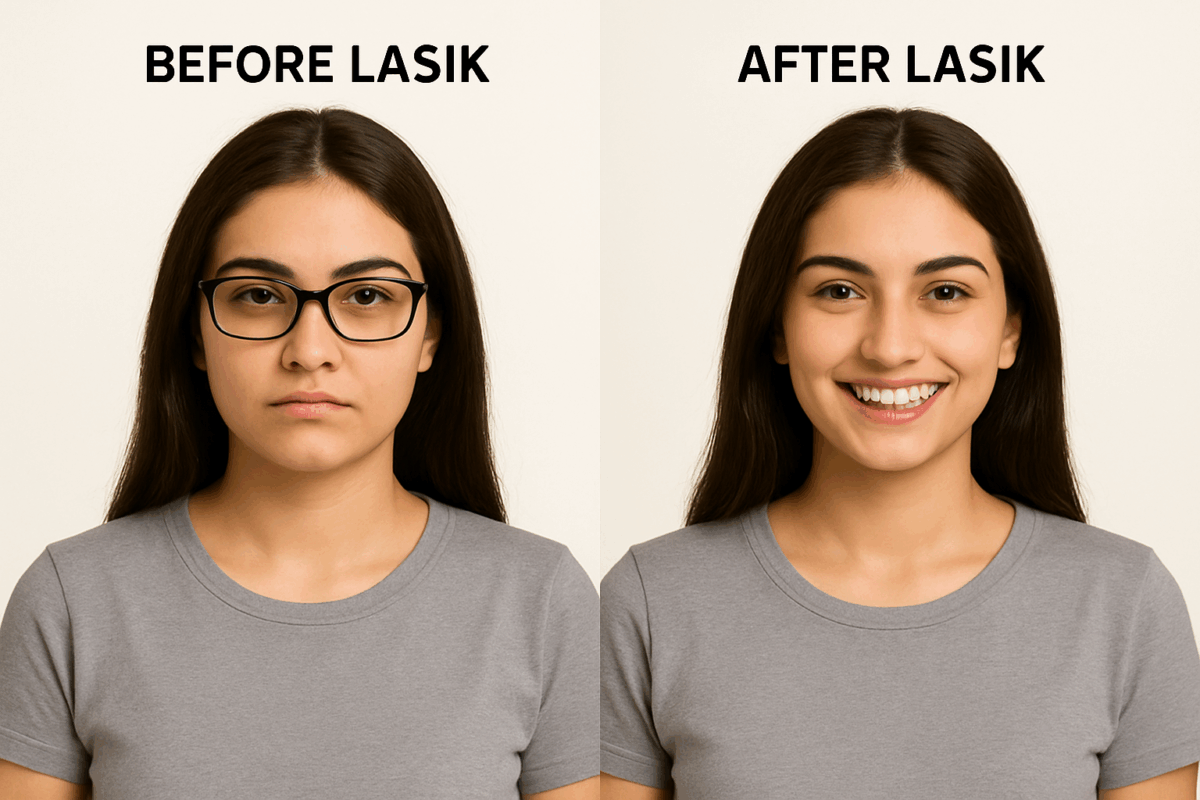
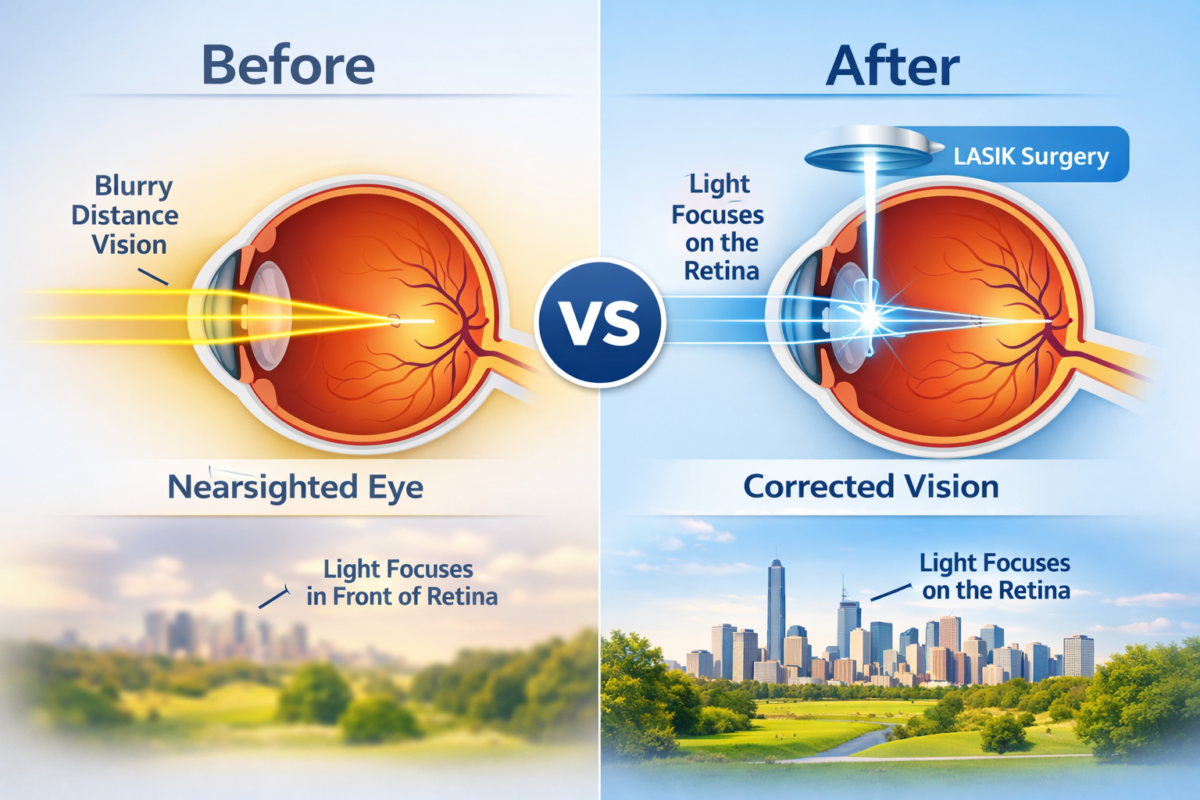
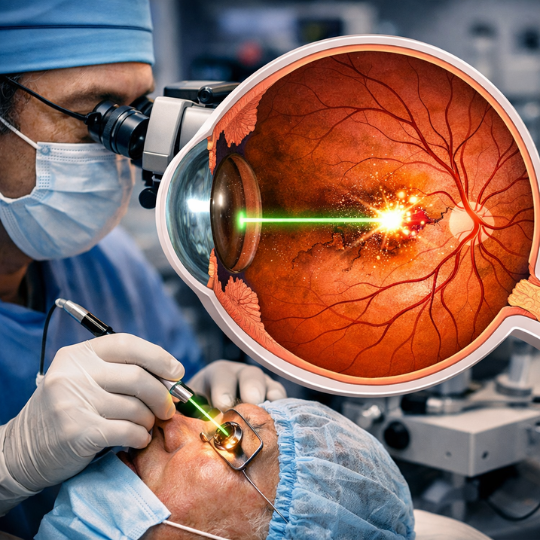
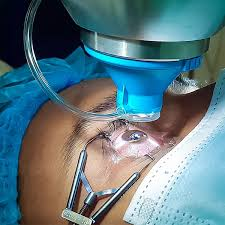
- How it works: A thin flap is created on the cornea and lifted, and an excimer laser reshapes the underlying corneal tissue. The flap is then repositioned.
- Best for: Myopia, hyperopia, and astigmatism.
- Pros: Painless, quick recovery (24–48 hrs), minimal discomfort.
- Cons: Not suitable for very thin corneas or dry eyes.

2. PRK (Photorefractive Keratectomy)
- How it works: Instead of a flap, the surface epithelium (outer corneal layer) is removed, and the laser reshapes the cornea. The epithelium regrows naturally.
- Best for: People with thin corneas, irregular corneas, or those unsuitable for LASIK.
- Pros: Safer for thin corneas, less risk of flap-related issues.
- Cons: Longer healing (1–2 weeks), more discomfort in early recovery.
🔹 3. SMILE (Small Incision Lenticule Extraction)
- How it works: A femtosecond laser creates a small lens-shaped piece of tissue (lenticule) inside the cornea, which is removed through a tiny incision—no flap needed.
- Best for: Myopia and astigmatism.
- Pros: Minimally invasive, faster healing than PRK, no flap complications, less dry eye.
- Cons: Not yet widely available for hyperopia or presbyopia.
🔹 4. LASEK (Laser-Assisted Sub-Epithelial Keratomileusis)
- How it works: Similar to PRK, but the thin epithelial flap is loosened with alcohol, moved aside, the laser reshapes the cornea, and the flap is repositioned.
- Best for: Thin corneas, people with high-risk professions (athletes, military).
- Pros: Preserves more corneal tissue than LASIK.
- Cons: Longer recovery, more discomfort than LASIK.
🔹 5. Epi-LASIK
- How it works: A blunt blade separates the epithelium instead of alcohol (like in LASEK). Then the laser reshapes the cornea.
- Best for: Patients with thin corneas or those not suitable for LASIK.
- Pros: Less chemical damage risk (compared to LASEK).
- Cons: Healing time is slower than LASIK.
🔹 6. PRESBYOND (Laser Blended Vision for Presbyopia)
- How it works: Advanced LASIK modification that creates “blended vision”—one eye is optimized for near vision, the other for distance.
- Best for: People over 40 with presbyopia (age-related near vision loss).
- Pros: Reduces dependency on reading glasses.
- Cons: The brain needs time to adapt to blended vision.
🔹 7. Contoura Vision (Topography-Guided LASIK)
- How it works: It uses detailed corneal mapping to customize the laser treatment, correcting not just refractive error but also corneal irregularities.
- Best for: Patients seeking sharp, high-definition vision.
- Pros: More precise than standard LASIK, reduces glare & halos.
- Cons: Costlier than conventional LASIK.
✅ Summary:
- Fast recovery & popular → LASIK, Contoura Vision
- Thin corneas / active lifestyle → PRK, LASEK, Epi-LASIK
- Minimally invasive & advanced → SMILE
- Age 40+ & presbyopia → PRESBYOND